Dishwashers are one of the most convenient appliances in any modern kitchen. They save time, ensure hygiene, and allow you to enjoy spotless dishes without the hassle of handwashing. However, like any appliance, dishwashers require routine care and cleaning to function properly. One of the most overlooked yet essential parts of a dishwasher is the dispenser compartment.
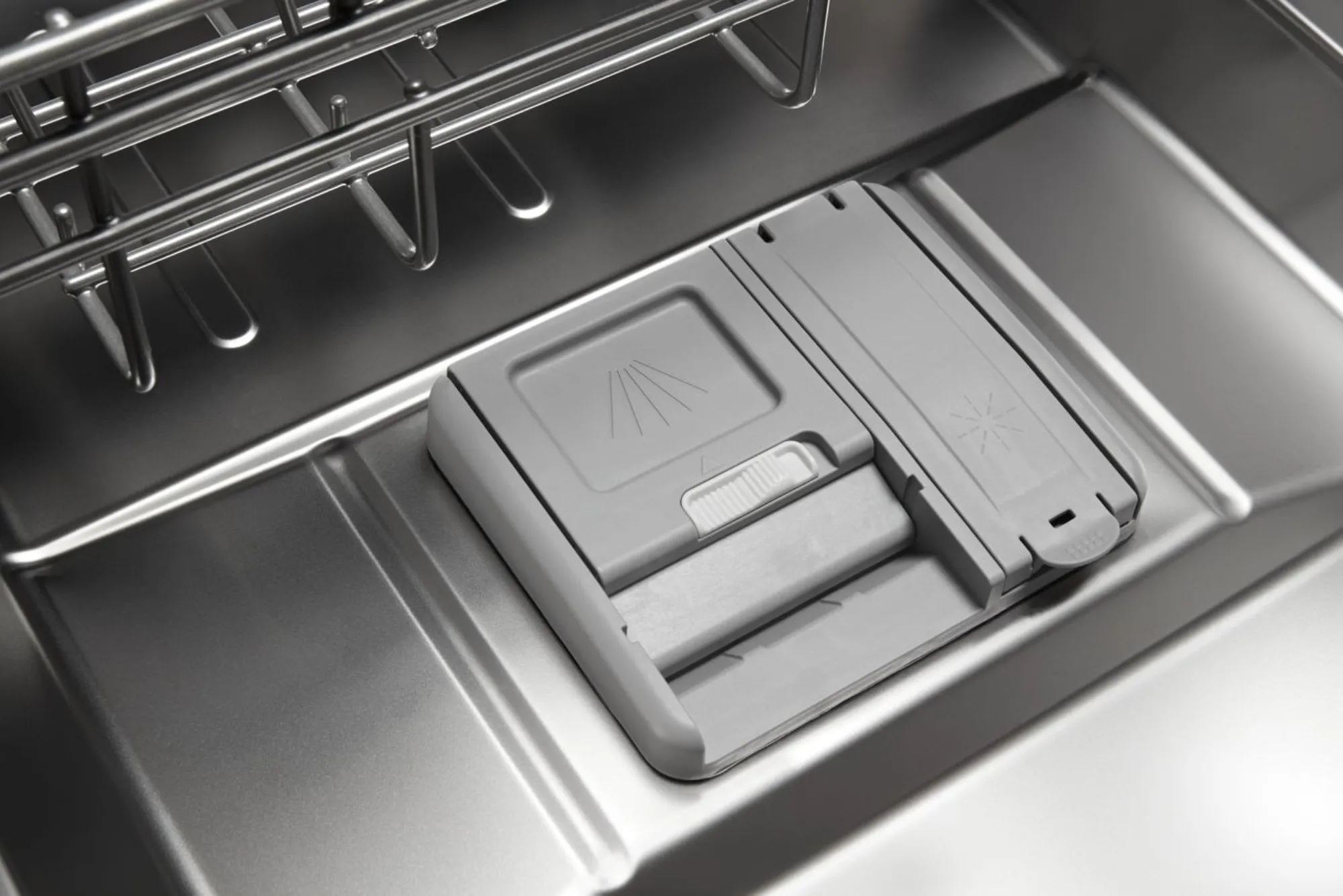
This small area, usually located inside the dishwasher door, holds detergent, rinse aid, and sometimes even specialized cleaning agents. Over time, residue from soaps, food particles, and hard water deposits can accumulate inside the dispenser compartments, reducing the efficiency of the dishwasher and affecting cleaning results. Learning how to clean dishwasher dispenser compartments ensures your appliance continues to perform at its best while extending its lifespan.
Why the Dispenser Compartment Matters
The dispenser compartment might seem insignificant compared to larger parts of the dishwasher, such as the racks or spray arms. Yet, it plays a critical role in how well your dishes are cleaned. During a wash cycle, the compartment releases detergent and rinse aid at precise times, ensuring that each phase of the wash gets the right cleaning boost.
If the dispenser is clogged or dirty, the detergent may not release properly, leaving behind greasy or spotted dishes. Rinse aid dispensers can also become blocked, leading to cloudy glassware and poor drying results. This means that even if you load the dishwasher correctly and use quality detergent, the outcome will still be unsatisfactory if the compartments are not clean.
Common Signs of a Dirty Dispenser
It can be easy to overlook the state of your dishwasher dispenser compartments because they are tucked away inside the door. However, there are clear signs that they may need attention. You may notice detergent residue caked inside the compartment, or a sticky buildup around the rinse aid area. Sometimes, the compartment door fails to open during a cycle, caused by hardened soap blocking the mechanism. You may also see white spots or streaks on your dishes even after a complete wash, indicating that rinse aid was not properly dispensed. These are all warning signs that it is time to give the dispenser compartments a thorough cleaning.
Preparing to Clean the Dispenser
Before you begin, it is important to prepare the dishwasher correctly. Start by unplugging the appliance or switching it off at the main power source to ensure safety. Open the dishwasher door fully and examine the dispenser area.
Depending on your model, the compartment may include one or two sections, typically one for detergent and another for rinse aid. Having a soft cloth, warm water, mild dish soap, and a small brush such as an old toothbrush will make the task easier. For tougher buildup, you may also need white vinegar or baking soda, both of which are natural cleaners that are safe to use in dishwashers.
Cleaning the Detergent Compartment
The detergent compartment is the most commonly used section of the dispenser and therefore prone to buildup. To clean it properly, first check if there is any leftover detergent inside. Powder detergents often leave chalky residues, while gel or pod detergents can leave sticky remains. Use a damp cloth to wipe out any loose debris.
For hardened residue, soak a cloth in warm soapy water and press it against the buildup for a few minutes to soften it before scrubbing gently with a toothbrush. If the compartment door mechanism feels stiff, clean around the hinges to ensure smooth movement. Avoid using sharp objects that could scratch the plastic, as this may damage the compartment and affect its function.
Cleaning the Rinse Aid Compartment
The rinse aid compartment requires special care because it is designed to release small amounts of liquid during the rinse cycle. Over time, residue can clog the opening and prevent proper dispensing. To clean it, start by checking if any liquid remains inside. If the compartment is full, you may want to use up the rinse aid before cleaning. Once empty, use a damp cloth to wipe around the opening and remove any visible buildup.
A cotton swab dipped in warm soapy water can help reach into narrow spaces. If the cap is removable, rinse it under warm water to eliminate residue. After cleaning, make sure the cap is tightly secured before refilling the compartment with fresh rinse aid.
Using Natural Cleaners for Stubborn Residue
In some cases, soap scum and hard water deposits can be difficult to remove with just soap and water. Natural cleaners like white vinegar and baking soda are highly effective in such situations. You can dip a cloth in vinegar and rub it directly on the residue to dissolve mineral buildup. For extra cleaning power, make a paste of baking soda and water, then gently scrub the compartment with a soft brush. These solutions are safe, eco-friendly, and do not damage dishwasher components. Once the residue is removed, wipe the compartment clean with a damp cloth to remove any leftover cleaning solution.
Maintaining Clean Dispenser Compartments
Cleaning the dispenser compartments should not be a one-time task. Regular maintenance ensures consistent dishwasher performance. Experts recommend checking and cleaning the compartments once every month, especially if you use powdered detergent or have hard water in your area.
Keeping the compartments clean also helps avoid odors that can develop from trapped detergent or rinse aid residue. Additionally, using high-quality dishwasher detergents and rinse aids can minimize buildup, as cheaper products often leave more residue behind. Running an occasional empty cycle with vinegar can also help keep the entire dishwasher fresh and clean.
The Connection Between Clean Compartments and Dishwasher Efficiency
A clean dispenser compartment directly impacts the efficiency of your dishwasher. When detergent and rinse aid are released properly, dishes come out sparkling and free from residue. The appliance also uses less energy and water when operating efficiently, saving you money on utility bills.
Moreover, regular cleaning prevents wear and tear on the compartment mechanism, reducing the risk of repairs or replacements. For households that run the dishwasher daily, keeping dispenser compartments clean is even more important, as buildup can happen more quickly. By making this small maintenance task a part of your routine, you can ensure your dishwasher continues to deliver reliable performance for years.
Professional Help for Stubborn Issues
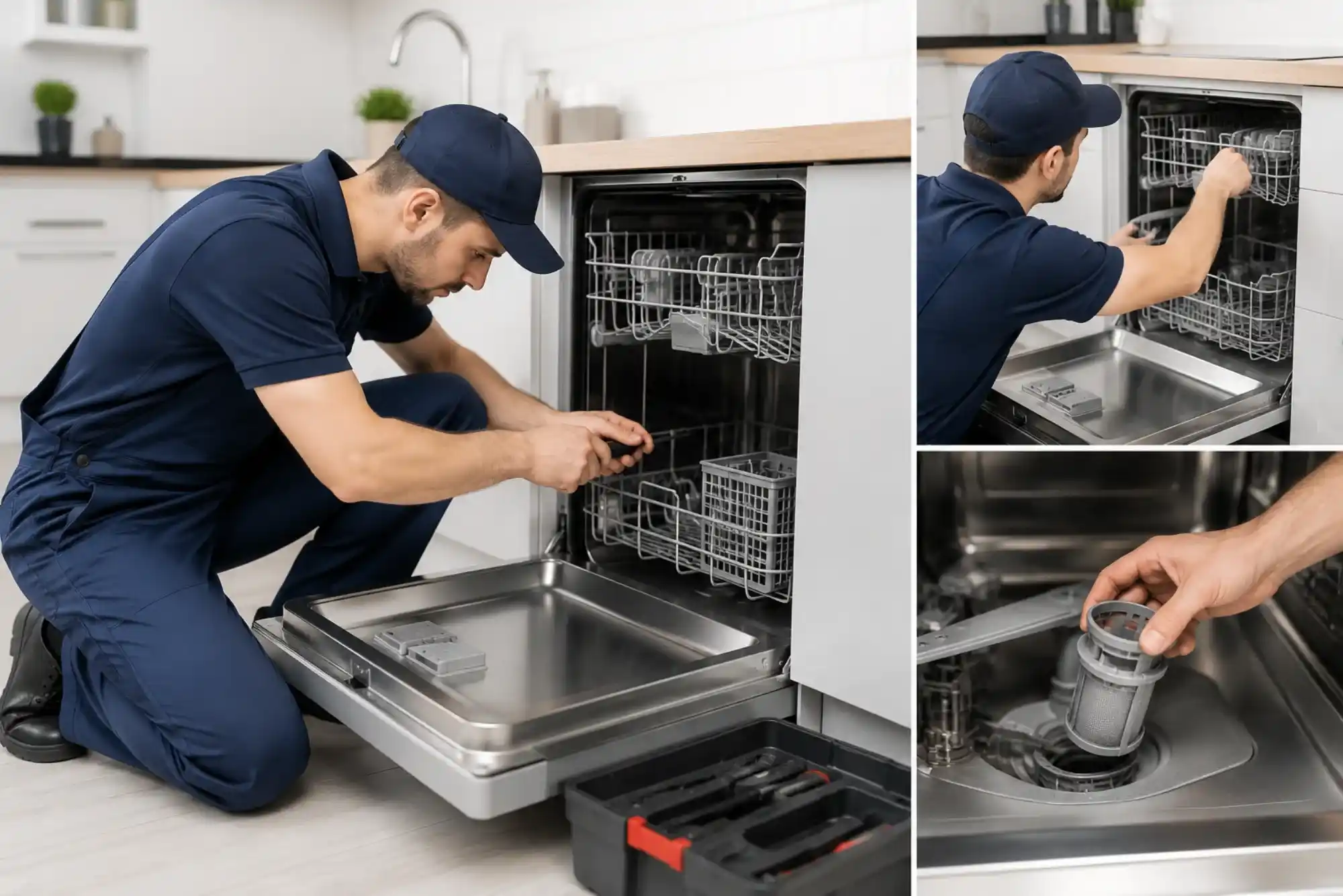
While most dispenser cleaning can be done at home with basic tools and natural cleaners, there are cases where professional help may be needed. If the dispenser door is stuck or the rinse aid is not releasing despite cleaning, it may indicate a mechanical problem. Professional appliance repair technicians can inspect the dispenser mechanism and replace faulty parts if necessary. Regular servicing not only resolves these issues but also helps maintain the overall condition of your dishwasher.
Final Thoughts
Knowing how to clean dishwasher dispenser compartments is an essential part of appliance care. These small yet vital areas control the release of detergent and rinse aid, making them crucial for spotless cleaning results. By dedicating a little time to clean and maintain them, you ensure that your dishwasher runs efficiently and avoids common issues like residue, odors, or malfunctioning compartments. Whether you use simple soap and water, natural cleaners like vinegar and baking soda, or call a professional for more complex problems, keeping the dispenser compartments clean will extend the lifespan of your dishwasher and keep your dishes sparkling clean.