A washing machine is one of the most important home appliances, making laundry easy and convenient. However, when it suddenly refuses to start, it can disrupt your routine and cause frustration. Understanding why your washing machine won’t start is crucial to resolving the problem quickly and efficiently. From electrical faults to mechanical failures, several reasons can stop your washing machine from working properly. In this detailed guide, we’ll explore the most common causes, how to identify them, and why calling professionals like HAFixer Home Appliances Repair is the smartest decision to get your washing machine running smoothly again.
Understanding How Your Washing Machine Works
Before diagnosing the issue, it helps to understand how a washing machine operates. Every cycle begins with an electrical signal from the control panel that activates different components such as the water inlet valve, door lock, motor, and drum. When one of these components fails to function correctly, the machine won’t start. Whether it’s a simple power issue or an internal fault, identifying the root cause requires a systematic inspection.
Power and Electrical Issues
One of the most common reasons a washing machine doesn’t start is power-related. Sometimes, the problem is as simple as a loose plug or a tripped circuit breaker. Since washing machines require a steady power supply, any disruption can prevent them from starting. Over time, outlets can wear out or wires can become damaged, interrupting the flow of electricity.
Professional technicians from HAFixer Home Appliances Repair recommend checking the power outlet with another appliance to ensure it’s working. If there’s still no power, a licensed electrician should inspect your circuit breaker or internal wiring to prevent electrical hazards. Never attempt to repair electrical components yourself, as this can be dangerous without proper tools and knowledge.
Faulty Door Lock or Lid Switch
Modern washing machines are designed with safety mechanisms that prevent the machine from operating if the door or lid isn’t properly closed. A defective door lock or lid switch can interrupt the start sequence. When the machine senses the door is open, it won’t begin the wash cycle to avoid water leaks or accidents.
If you hear a clicking sound but the cycle doesn’t start, the door lock might be malfunctioning. Sometimes, the latch may appear closed, but the internal switch isn’t engaging correctly. A technician can test the switch’s continuity using a multimeter and replace it if necessary. HAFixer Home Appliances Repair experts carry genuine replacement parts to ensure safe and durable repairs for all washing machine brands in Dubai.

Control Panel and Timer Malfunctions
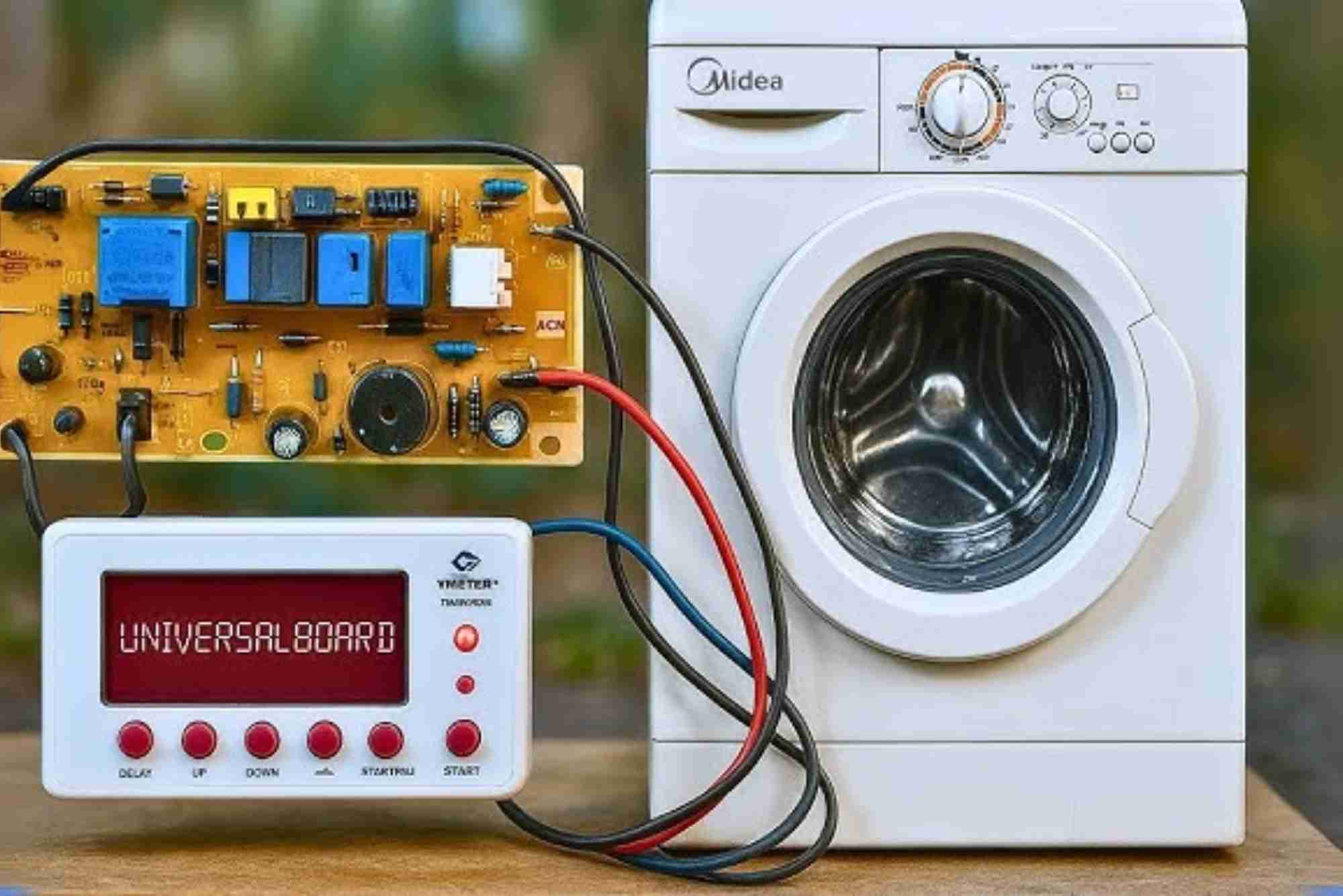
The control panel acts as the brain of your washing machine, coordinating all its functions. When this electronic component develops a fault, your machine may not respond to any button presses or cycle selections. Similarly, an issue with the timer can prevent the washer from advancing to the next stage.
Sometimes, a power surge or moisture can damage the control board’s circuitry, leading to malfunction. In these cases, restarting the machine or resetting it may not be enough. A qualified technician can diagnose the problem using diagnostic tools to determine whether the control board needs to be repaired or replaced.
At HAFixer Home Appliances Repair, our specialists are trained to handle digital and mechanical washing machines from all leading brands, including Samsung, LG, Whirlpool, Bosch, and Siemens.
Problems with the Motor or Drive Belt
Another common reason your washing machine won’t start is a malfunctioning motor or broken drive belt. The motor is responsible for spinning and agitating the drum, while the belt connects the motor to the drum. If either part fails, the washer won’t begin its cycle.
Over time, the motor can overheat or burn out due to constant use or power surges. Similarly, the drive belt may loosen or snap, especially in older machines. When this happens, you may hear the motor running, but the drum remains still. Professional repair technicians can quickly inspect the motor and belt, replacing damaged parts to restore your washer’s functionality.
Water Supply and Inlet Valve Issues
Washing machines rely on proper water flow to start their cycles. If the water supply is disrupted or the inlet valve is clogged, the machine may fail to start because it cannot fill with water. Hard water deposits, dirt, or lint can block the inlet filters, preventing water from entering the drum.
Before calling for service, make sure the water faucets are turned on and the hoses aren’t kinked. If the issue persists, it’s best to have the inlet valve checked by professionals. HAFixer Home Appliances Repair technicians use specialized tools to clean or replace blocked valves and ensure steady water flow, helping your washer run efficiently again.
Faulty Start Button or Control Knob
Sometimes, the issue lies not in the internal components but in the start button or control knob itself. With frequent use, these buttons can wear out or lose contact with the control board. When this happens, pressing the start button may not send the signal required to begin the cycle.
In mechanical washers, a broken knob or misaligned switch can cause similar problems. Professional technicians can replace worn buttons or recalibrate control panels so your machine responds correctly every time.
Drainage or Pump Blockage
If your washing machine tries to start but then stops abruptly, there might be a problem with the drainage system. A blocked drain pump or hose can prevent water from moving through the system, causing the machine to halt its operation. Small objects like coins, lint, or fabric fibers often cause these blockages.
Professional cleaning and inspection by HAFixer Home Appliances Repair can eliminate these obstructions safely without damaging the pump. Regular maintenance also prevents future drainage problems and keeps your machine working smoothly.
The Importance of Professional Diagnosis
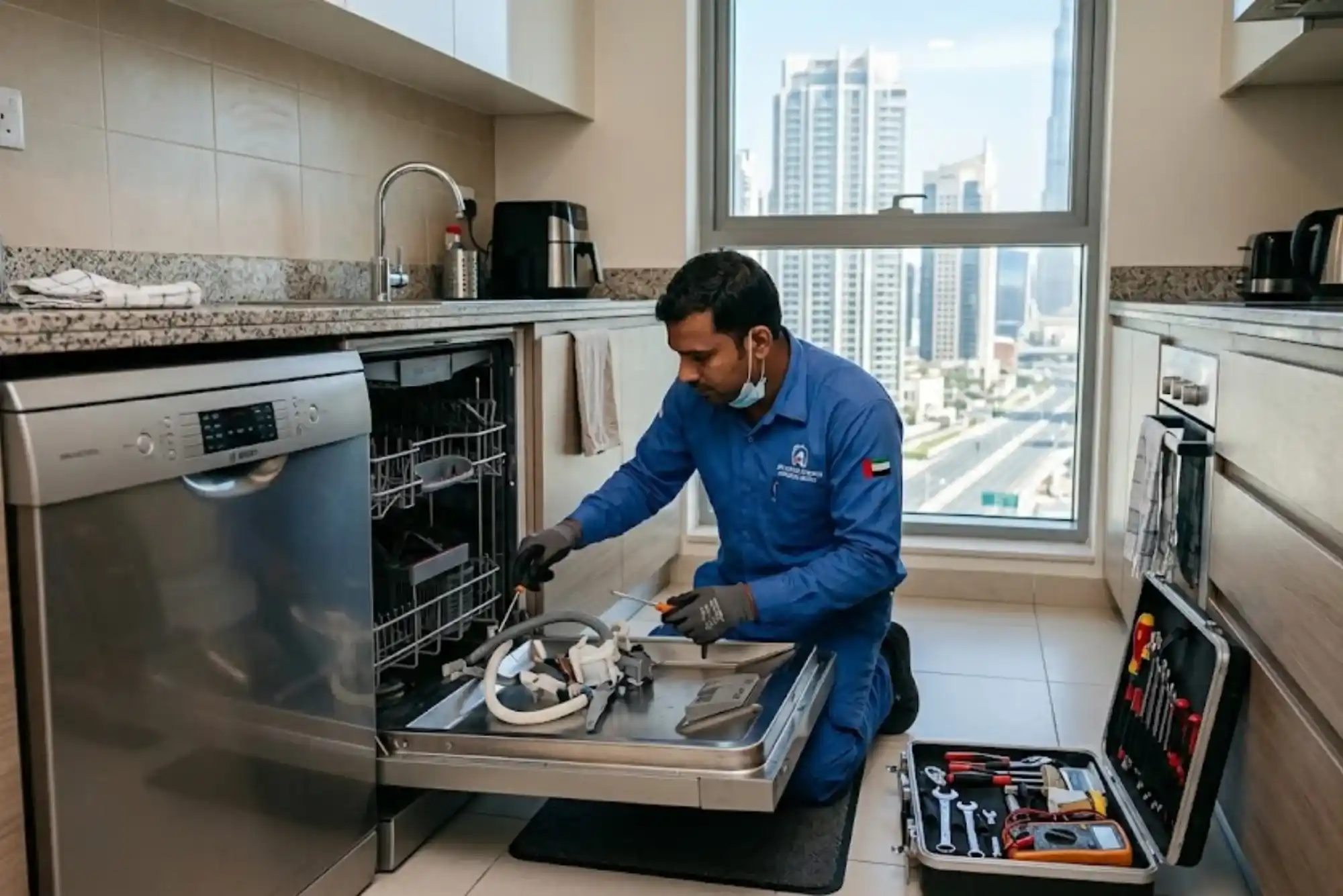
While it might be tempting to troubleshoot your washing machine on your own, modern washers are complex and interconnected systems. Attempting DIY repairs without technical knowledge can worsen the problem or lead to safety risks such as electric shocks or water leaks.
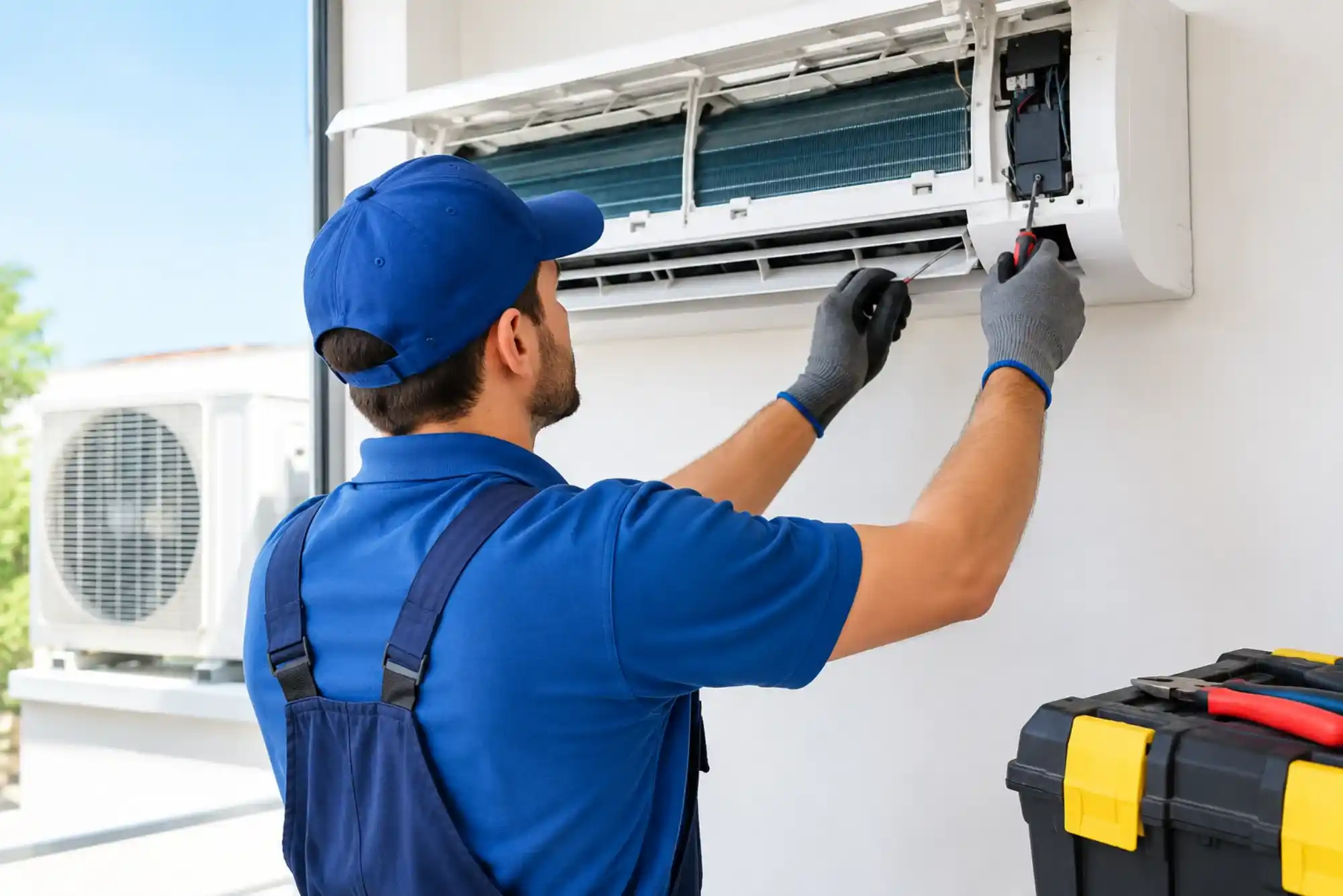
Professional repair services have the tools, experience, and replacement parts necessary to perform accurate diagnostics and lasting repairs. HAFixer Home Appliances Repair provides reliable washing machine repair services across Dubai, ensuring that every component—from the control panel to the motor—is tested and restored to factory standards.
How HAFixer Home Appliances Repair Can Help
When your washing machine won’t start, you need a service provider you can trust. HAFixer Home Appliances Repair specializes in diagnosing and fixing all types of washing machine issues, from electrical problems to mechanical failures. Our team of certified technicians offers same-day service, ensuring minimal disruption to your daily routine.
We use only genuine spare parts and follow industry-standard repair practices to maintain your appliance’s efficiency and lifespan. Whether you own a front-load or top-load washer, we handle all brands with precision and care. Our goal is to provide fast, affordable, and long-lasting repair solutions so you can enjoy stress-free laundry once again.
Preventing Future Washing Machine Problems
Regular maintenance is the key to preventing issues that cause your washing machine to stop working. Always keep your machine clean, avoid overloading it, and check hoses and connections for wear. Scheduling periodic inspections from HAFixer Home Appliances Repair ensures that small problems are detected early before they turn into expensive repairs.
Cleaning the filters, inspecting the door lock, and ensuring a stable power supply are simple steps that go a long way toward keeping your washer in good condition. With proper care, your washing machine can serve you efficiently for many years.
A washing machine that won’t start can be caused by anything from a minor electrical issue to a more complex mechanical fault. Identifying the exact reason requires a careful inspection of power sources, door locks, control panels, and internal components. While some problems may appear simple, professional intervention ensures safety and reliability.