Modern washing machines have become essential in every household, combining efficiency with convenience to handle one of life’s most time-consuming chores. While many users focus on the washer’s features, spin speed, or load capacity, one of the most vital components that often goes unnoticed is the shock absorber. These small but critical parts ensure stability, reduce noise, and prevent excessive vibration. Understanding the role of washing machine shock absorbers offers valuable insight into how your appliance maintains balance and operates smoothly, even during high-speed spin cycles.
Understanding Shock Absorbers in Washing Machines
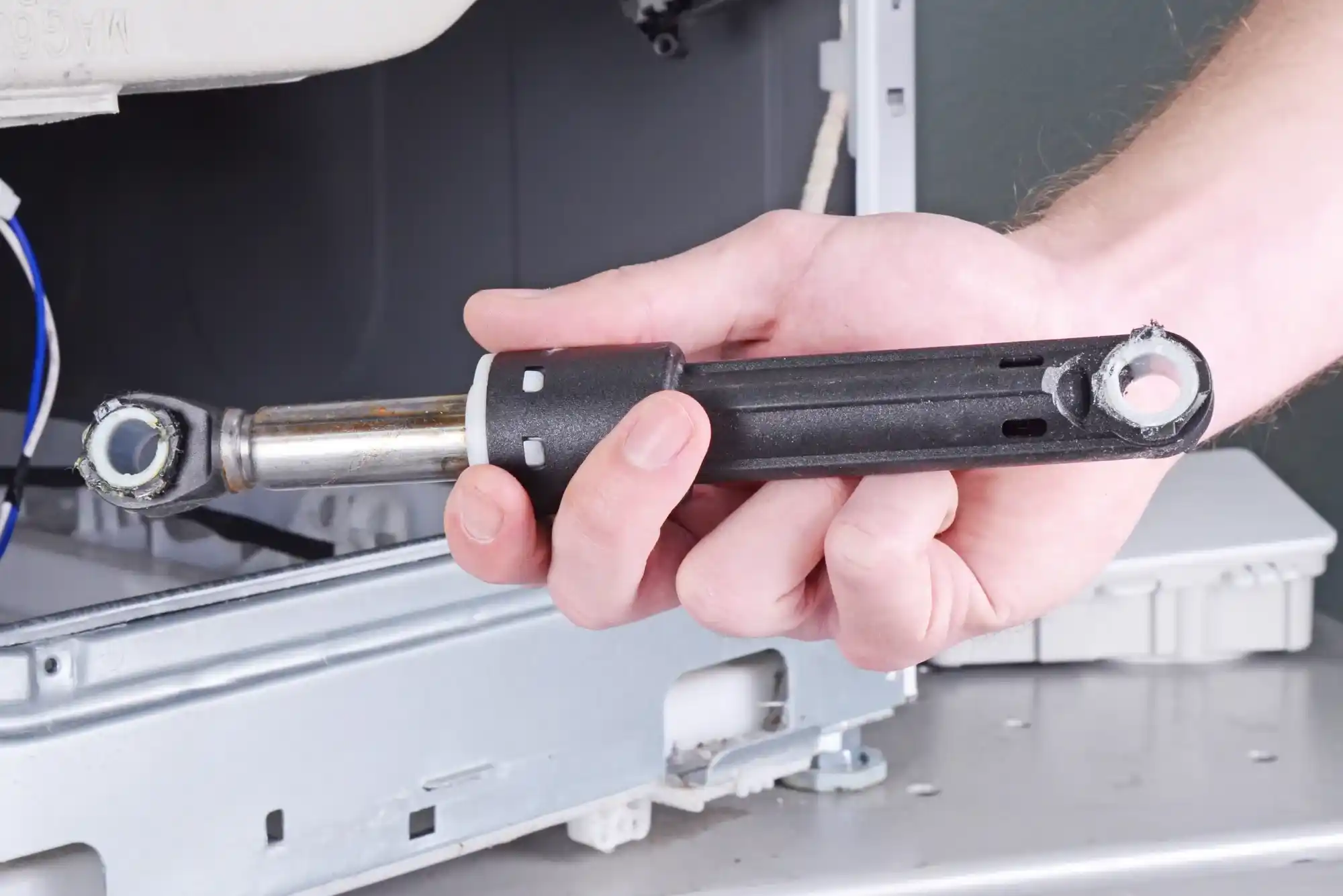
In simple terms, shock absorbers—also known as dampers—are mechanical components designed to absorb and dissipate the energy generated during the washer’s operation. Their primary role is to control the movement of the drum, especially during spin cycles when the centrifugal force is at its peak. Without effective shock absorbers, the drum would move erratically, causing the entire machine to shake, bang, or even move across the floor.
Most modern front-loading washing machines use a combination of suspension springs and shock absorbers to stabilize the drum. The springs support the weight of the drum, while the shock absorbers control the motion. In top-loading washers, a slightly different mechanism might be used, but the goal remains the same—maintaining balance and minimizing vibration.
How Shock Absorbers Work
The working principle of washing machine shock absorbers is similar to those found in vehicles. They are typically made of a metal cylinder containing a piston and a damping fluid or friction-based mechanism. When the drum moves due to imbalance or during high-speed spinning, the shock absorber compresses and extends, converting kinetic energy into heat and dispersing it.
This controlled damping ensures that the vibrations are reduced to a manageable level, allowing the washer to remain stable. The motion of the drum becomes smoother, which not only protects the machine’s internal parts from wear and tear but also prevents noise and potential damage to the flooring.
Importance of Shock Absorbers in Daily Operation
Shock absorbers play a vital role in maintaining both performance and safety. When they function properly, the washing machine operates quietly and efficiently. A faulty or worn-out shock absorber, however, can lead to excessive vibration, loud thumping noises, and reduced washing performance.

One of the biggest challenges in washing machines is the uneven distribution of load. For example, washing heavy items like towels or blankets can cause the drum to become imbalanced. Shock absorbers compensate for this imbalance, keeping the drum steady and reducing the strain on other components. By minimizing excessive motion, they also help protect sensitive electronic parts and connections inside the washer.
Signs of Worn or Damaged Shock Absorbers
Over time, even high-quality shock absorbers experience wear and tear. The constant movement and pressure can weaken their damping ability. When this happens, the washing machine will begin to show noticeable symptoms.
The most common sign is increased vibration during the spin cycle. If your washer starts shaking more than usual, walking across the floor, or making banging noises, the shock absorbers may need inspection. In some cases, the drum might appear to bounce excessively when pushed by hand. Additionally, uneven loads, longer spin times, or visible oil leaks from the shock absorber housing can also indicate deterioration.
Neglecting these signs can lead to further damage, as the extra vibration may affect the suspension springs, bearings, and even the drum itself. Regular inspection and timely replacement can prevent costly repairs and extend the life of your washing machine.
Materials and Construction Quality
The effectiveness of a washing machine shock absorber depends heavily on its design and the quality of its materials. Manufacturers use a range of metals and composite materials to achieve the right balance of strength and flexibility. Some models feature hydraulic damping, using oil or grease for smoother movement, while others rely on frictional damping systems with plastic or rubber components.
High-quality shock absorbers are engineered to withstand thousands of compression and extension cycles. They must perform reliably under various conditions, including temperature changes, moisture, and detergent exposure. Inferior or counterfeit parts may not provide the same stability, leading to early failure and potential machine damage. This is why using genuine manufacturer-approved replacements is always recommended when performing repairs.
The Impact on Noise and Energy Efficiency
One often overlooked advantage of properly functioning shock absorbers is their contribution to the washing machine’s energy efficiency. When vibrations are minimized, the motor can operate more efficiently, as it doesn’t have to compensate for erratic drum movement. This reduces power consumption and wear on the drive system.
In addition, noise reduction is a major benefit. A balanced and well-damped washing machine operates quietly, making it ideal for homes where the laundry area is near living spaces or bedrooms. This comfort factor, though subtle, significantly enhances the overall user experience.
Maintenance and Replacement
While shock absorbers don’t require frequent maintenance, they should be inspected every few years or whenever performance issues arise. Most modern washing machines allow relatively easy access to the shock absorbers, typically located at the base of the drum assembly.
Replacement involves detaching the old units and installing new ones with the correct specifications. It’s always advisable to replace both shock absorbers at once to ensure balanced damping. DIY enthusiasts with basic mechanical skills can perform the task, but professional service is recommended for precision and safety.
After replacement, it’s wise to run an empty spin cycle to ensure stability. If vibrations persist, further inspection of the suspension springs, bearings, and leveling of the washer may be necessary.
Innovations and Future Developments
As washing machines evolve with smart technology and enhanced automation, shock absorber design is also advancing. Manufacturers are experimenting with adaptive damping systems that automatically adjust to the load weight and spin speed. These intelligent systems use sensors and electronically controlled actuators to provide optimal stability for every wash cycle.
There is also growing research into eco-friendly materials and designs that improve durability while reducing environmental impact. For instance, some companies are developing shock absorbers made from recyclable polymers or biodegradable lubricants. Such innovations not only enhance performance but also align with sustainability goals.
Common Myths and Misconceptions
A common misconception among users is that excessive vibration always results from an unbalanced load. While that’s often true, faulty shock absorbers are frequently the underlying cause. Another myth is that tightening external bolts or adding floor pads will solve the problem. Although these measures can help temporarily, they don’t address the root issue if the shock absorbers have worn out.
Understanding that shock absorbers are internal components crucial to the washer’s mechanical balance helps users take appropriate action rather than applying superficial fixes. Regular maintenance and awareness go a long way toward preventing breakdowns.
The Economic and Environmental Perspective
From an economic standpoint, timely replacement of shock absorbers is far more cost-effective than dealing with secondary damage caused by neglect. A vibrating washer can damage bearings, the motor mount, or even nearby walls and flooring. Repairing such issues can be several times more expensive than replacing the shock absorbers.
Environmentally, maintaining components like shock absorbers helps extend the life of the appliance, reducing the need for premature replacements and minimizing electronic waste. Responsible ownership includes caring for all moving parts, ensuring long-term efficiency and sustainability.
Shock absorbers may be hidden inside the washing machine, but their contribution to performance, stability, and longevity is undeniable. They work silently behind the scenes, ensuring that every spin cycle remains smooth, quiet, and efficient. Whether you’re a homeowner or a technician, understanding their role can help diagnose problems early and maintain optimal machine performance.