Electric ovens have become an essential appliance in modern kitchens, providing convenience and consistency for daily cooking needs. Whether it is baking, grilling, or roasting, ovens are designed to deliver precise temperature control for optimal results. However, one of the most overlooked yet serious issues that can affect the performance and lifespan of an oven is voltage fluctuation. Electrical instability is common in many regions, and its effects on ovens can be both immediate and long-term. Understanding how voltage variations impact ovens, what risks they create, and how to mitigate them is crucial for ensuring efficiency, safety, and durability.
Understanding Voltage Fluctuations
Voltage fluctuation refers to sudden or frequent changes in the supply of electric power. Instead of receiving a steady flow of electricity at the recommended voltage, appliances like ovens are subjected to spikes, drops, or irregular surges. These fluctuations can occur due to several reasons, such as overloading of power lines, poor wiring systems, unstable power grids, or the use of high-power electrical equipment within the same household. While minor fluctuations may not be noticeable at first, prolonged or severe variations can cause serious harm to electrical appliances.
Ovens, in particular, rely heavily on consistent voltage to maintain accurate temperature levels. Their heating elements, thermostat, and control systems all function based on stable electrical supply. Any irregularity in voltage disrupts this delicate balance, which can lead to performance issues and physical damage.
How Voltage Fluctuations Affect Oven Performance
The most immediate impact of unstable voltage on ovens is a decline in performance. Ovens are designed to heat up to specific temperatures and maintain them consistently. If the power supply fluctuates, the oven may take longer to reach the desired temperature, or it may fail to maintain the set heat level. This results in uneven cooking, where food may be undercooked in one part and overcooked in another.
A drop in voltage typically causes the heating elements to underperform, leading to insufficient heat output. On the other hand, voltage surges can cause the oven to overheat, damaging sensitive internal components and even creating potential fire hazards. For individuals who rely on ovens for commercial cooking, such as in bakeries or restaurants, these inconsistencies can be disastrous, affecting not only food quality but also customer satisfaction and business reputation.
Damage to Heating Elements and Electronics
One of the most vulnerable parts of an oven exposed to voltage fluctuations is the heating element. This component is responsible for generating heat, and it is directly influenced by the amount of electrical energy supplied. Repeated exposure to high or low voltage weakens the element over time, reducing its efficiency and lifespan. In severe cases, sudden surges may burn out the element entirely, requiring costly replacement.

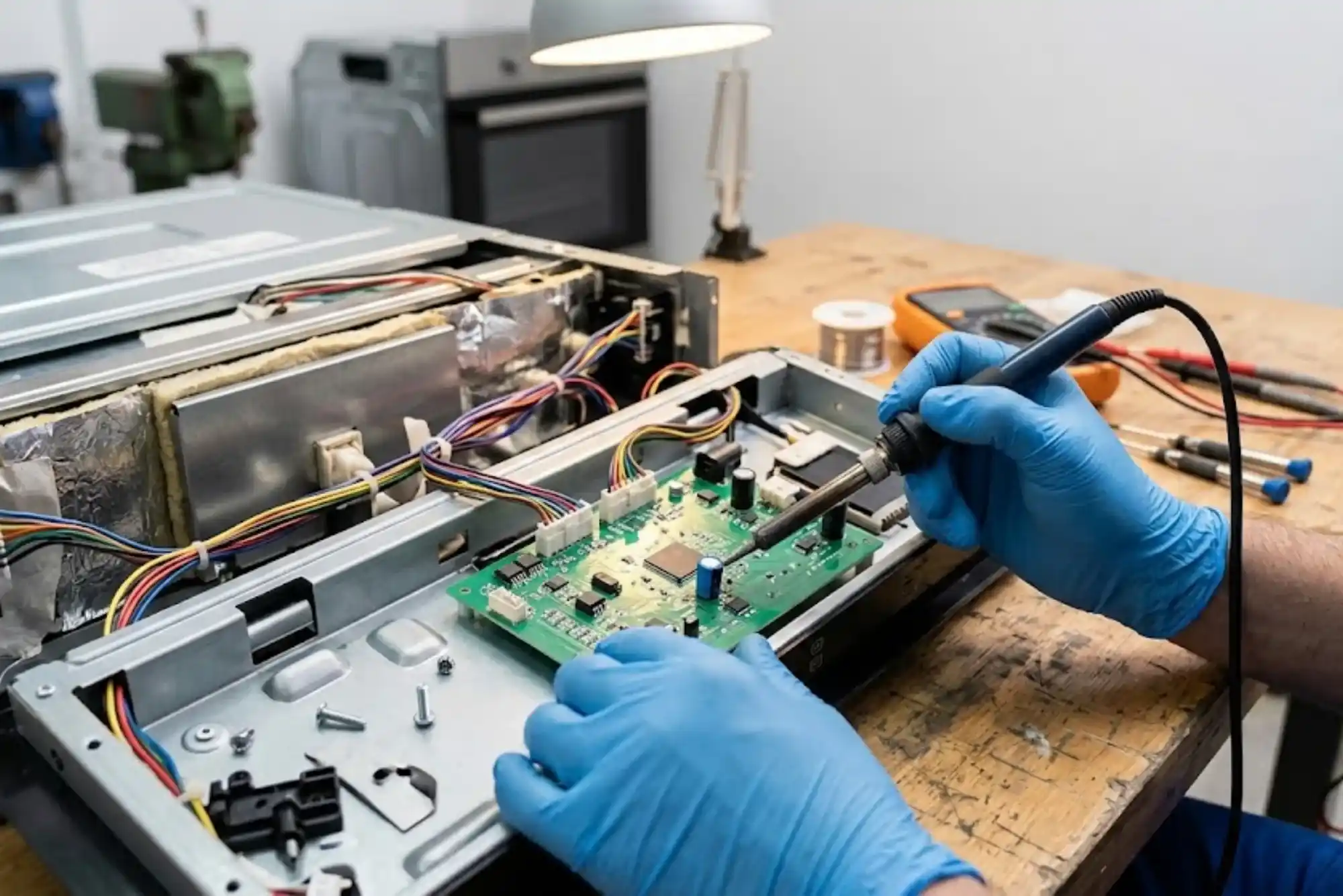
Modern ovens also contain advanced electronic control systems, digital displays, and timers. These sensitive circuits are highly susceptible to power variations. A surge can easily short-circuit the control board, rendering the oven inoperable. Once damaged, these electronic parts are often expensive to repair or replace. Unlike mechanical ovens of the past, today’s models rely heavily on electronic precision, making them more vulnerable to the dangers of voltage irregularities.
Safety Hazards Caused by Electrical Instability
Apart from performance and damage concerns, voltage fluctuations also pose serious safety risks when it comes to oven usage. Overheating caused by power surges can lead to burnt wiring, melted insulation, and in extreme cases, electrical fires. If an oven’s internal components are compromised, there is also the risk of electrical shocks, particularly if the unit is not properly grounded.
Households with frequent voltage instability often experience tripped circuit breakers, which serve as a protective mechanism against dangerous surges. However, relying solely on circuit breakers is not enough. If the oven continues to be exposed to unstable electricity, its internal protection systems may eventually fail, leaving the appliance and its users at greater risk.
Long-Term Financial Implications
Frequent oven repairs or replacements caused by voltage fluctuations can quickly become a financial burden for homeowners. The heating element, thermostat, and electronic control board are among the most common parts that fail under unstable power conditions, and replacing them can cost a significant amount of money. In addition, the hidden costs of poor cooking performance, wasted food, and higher electricity bills add to the overall financial impact.
For businesses that rely on ovens daily, the costs can be even more substantial. An unexpected breakdown due to a power surge can interrupt operations, cause delays in serving customers, and lead to revenue loss. In the long run, investing in protective solutions is far more cost-effective than repeatedly paying for expensive repairs.
Preventive Measures for Protecting Ovens
To reduce the risks associated with voltage fluctuations, homeowners and businesses should take preventive steps. The most effective solution is installing a voltage stabilizer or surge protector specifically designed for kitchen appliances. These devices regulate the flow of electricity, ensuring that the oven receives a steady supply of power regardless of fluctuations in the main supply line.
Regular electrical inspections are also important. Poor wiring, overloaded circuits, and faulty connections often worsen voltage irregularities. Hiring a licensed electrician to evaluate the condition of the home’s electrical system can help identify potential risks before they affect appliances like ovens.
Routine maintenance of the oven itself also plays a key role. Cleaning the oven, checking the heating elements, and ensuring that all electrical connections are intact can prevent minor issues from escalating into major failures. When combined with proper electrical safety measures, these practices extend the life of the oven and ensure consistent performance.
The Role of Professional Repair Services
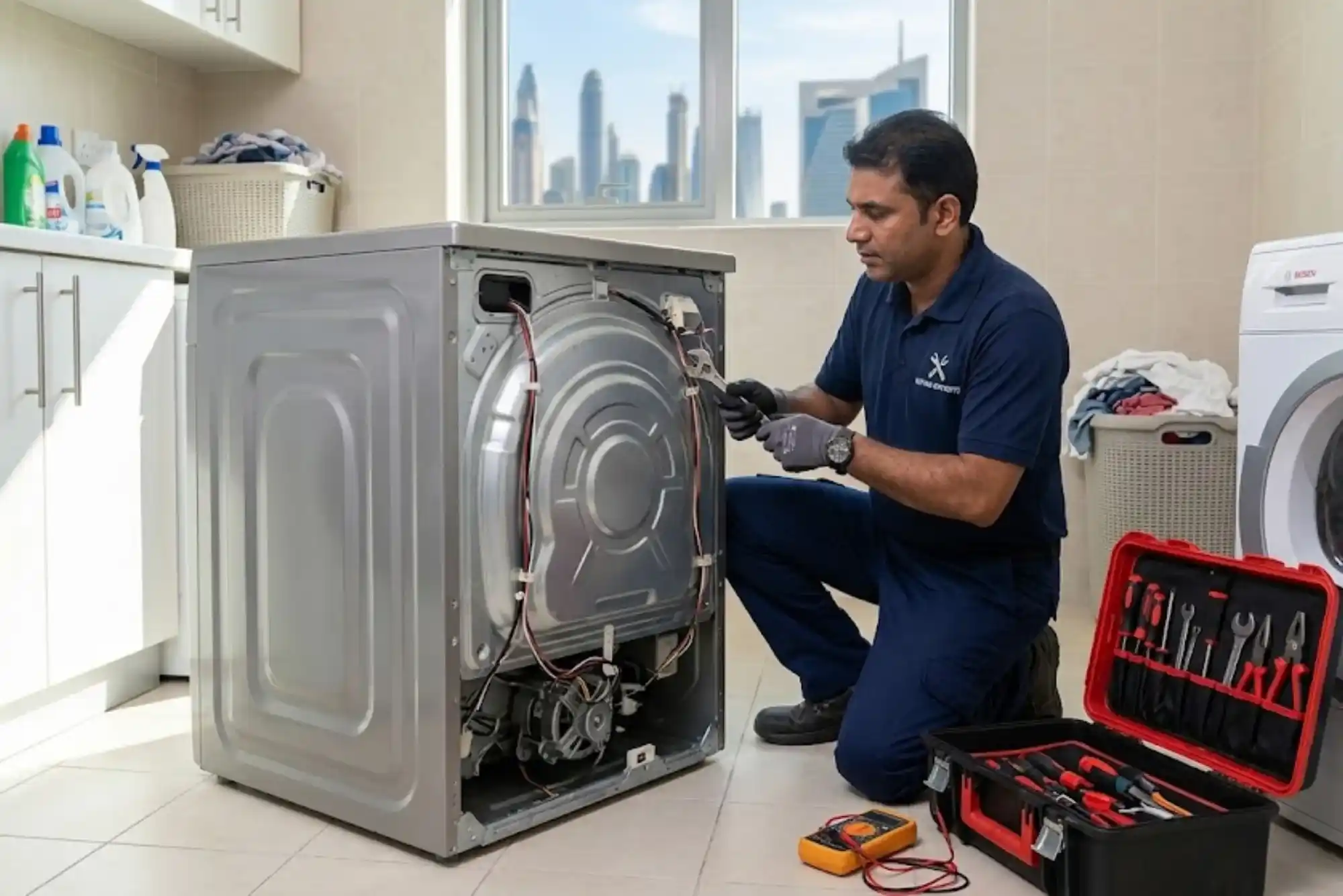
In cases where ovens have already been affected by voltage fluctuations, professional repair services become essential. Attempting to fix damaged electronic components or heating elements without proper expertise can be risky and may worsen the problem. Qualified technicians have the skills and tools to diagnose issues accurately, replace faulty parts, and restore the oven to safe working condition.
Professional services also provide valuable guidance on preventive solutions. Many repair experts recommend installing protective devices, upgrading outdated wiring systems, and performing routine checkups to minimize future risks. By relying on experienced technicians, homeowners and businesses can ensure that their ovens remain in top condition even in areas with unstable power supply.
Why Awareness Matters
One of the main reasons voltage fluctuations continue to damage ovens and other household appliances is the lack of awareness. Many users fail to realize that irregular cooking results, frequent breakdowns, or sudden power-offs are often linked to unstable electricity. By educating consumers on the risks and preventive measures, more ovens can be protected from unnecessary damage.
At Hafixer, we provide expert insights and professional solutions in the latest home appliance repair trends, focusing on critical issues such as The Impact of Voltage Fluctuations on Ovens. Voltage instability, especially during peak summer usage, can significantly affect oven performance, leading to uneven heating, damaged components, and reduced appliance lifespan. Understanding Voltage Fluctuations in Summer is essential for homeowners to prevent unexpected breakdowns and costly repairs. In addition, learning how to fix voltage fluctuations in home can help maintain stable electrical flow, protect kitchen appliances, and ensure long-term efficiency. Stay updated with our latest expert guides to keep your home appliances safe and fully functional.
Awareness is especially important in regions where voltage fluctuations are common. By prioritizing electrical stability and appliance protection, users can not only safeguard their investments but also create a safer home and kitchen environment.
The impact of voltage fluctuations on ovens is far more significant than many people assume. From uneven cooking and damaged heating elements to costly repairs and safety hazards, the consequences of unstable power supply cannot be ignored. Ovens depend on consistent electricity to function properly, and any deviation disrupts their performance and durability.
Protecting ovens from the dangers of voltage instability requires a combination of preventive measures, regular maintenance, and professional support. By investing in stabilizers, ensuring safe wiring systems, and seeking expert repair services when needed, homeowners and businesses can safeguard their ovens from unnecessary damage. Ultimately, understanding and addressing the impact of voltage fluctuations ensures not only better cooking results but also long-term financial and safety benefits.