Stoves remain at the heart of every kitchen, whether in a professional culinary environment or a family home. Their reliability, speed, and efficiency directly affect the cooking experience. While users often focus on obvious factors such as fuel supply, temperature control, or appliance age, one hidden enemy quietly undermines performance: grease buildup. Over time, layers of grease accumulate in burners, grates, exhaust hoods, and surrounding surfaces. This gradual process not only reduces the efficiency of the appliance but also affects safety, cleanliness, and even the longevity of the stove itself. Understanding how grease buildup interferes with stove performance is critical for both homeowners and professionals committed to maintaining a high-functioning kitchen.
How Grease Buildup Develops Over Time
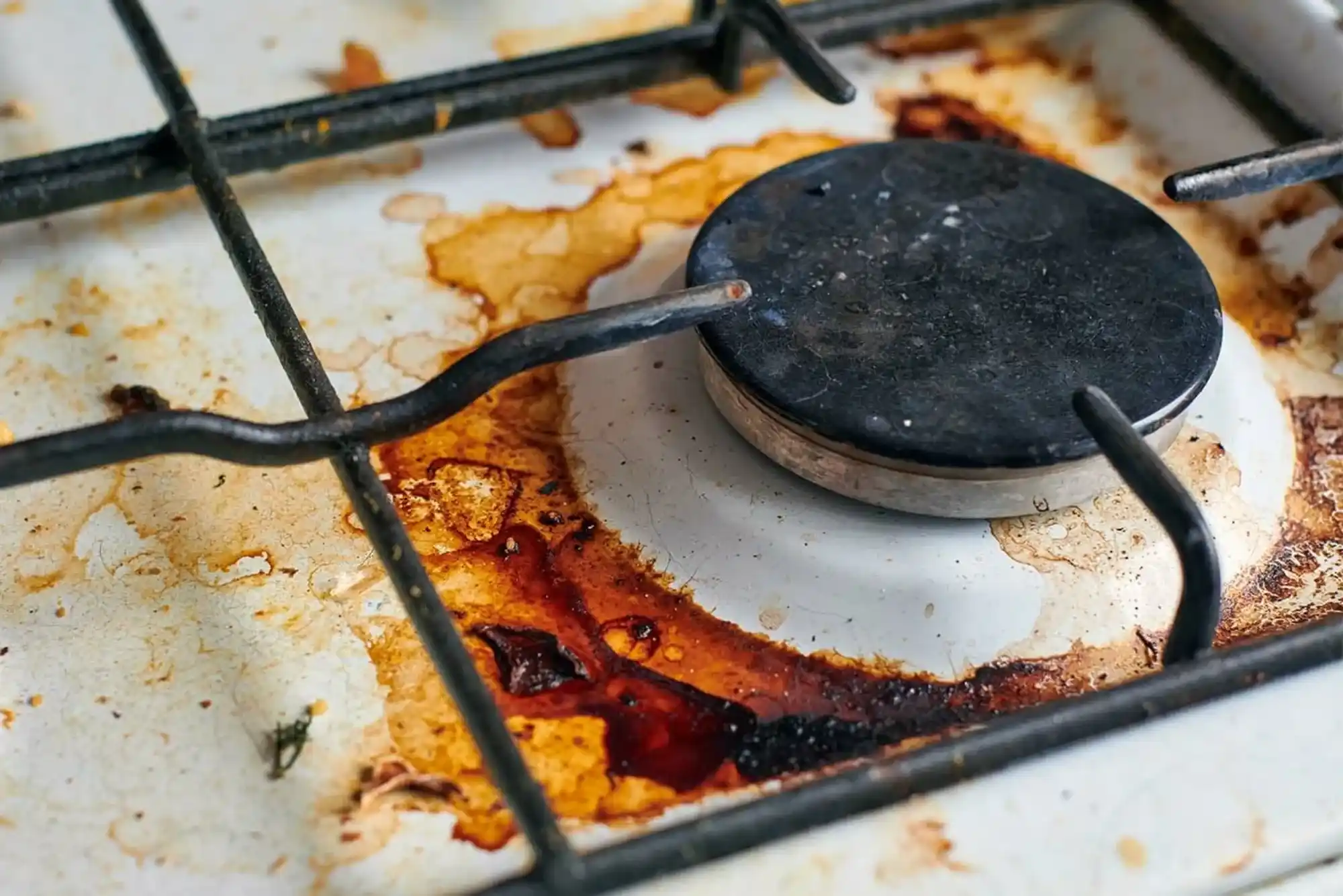
Cooking naturally releases fats and oils into the air. Frying, sautéing, roasting, and even boiling can send vaporized grease particles into surrounding areas. While some are drawn into exhaust fans or hoods, a significant portion settles on nearby surfaces, including stove components. Initially, these thin layers of grease may go unnoticed, but repeated exposure turns them into sticky, hardened coatings. In gas stoves, burners can become clogged; in electric models, heating elements accumulate residue that hinders contact. This gradual layering process explains why many users suddenly notice declining performance after years of use—though the real culprit has been building quietly all along.
Reduced Efficiency and Cooking Inconsistency
The most immediate impact of grease buildup is reduced efficiency. In gas stoves, grease can obstruct burner ports, leading to uneven flame distribution. Instead of producing a strong, even flame, the stove may generate weak or sputtering heat, causing food to cook unevenly. Electric stoves face similar issues as grease layers insulate heating elements, delaying heat transfer and requiring more energy to achieve the same results. Users often compensate by turning up the heat, inadvertently raising energy consumption. Over time, this inefficiency not only frustrates the cook but also inflates utility costs.
Safety Hazards and Fire Risks
Perhaps the most concerning consequence of grease buildup is the increased fire risk. Grease is highly flammable, and when accumulated near burners or heating elements, it creates the perfect fuel for sudden ignition. A small spark, an overheated pan, or direct flame contact can cause grease to ignite, spreading flames rapidly across the stove and beyond. In professional kitchens, this hazard is particularly severe due to higher cooking volumes and open flames. Even in domestic kitchens, unattended grease accumulation can transform a routine meal into a dangerous emergency. Preventing buildup is therefore not just a matter of efficiency but a cornerstone of kitchen safety.
Damage to Stove Components
Grease does not simply sit on the surface—it seeps into small crevices, clogs vents, and corrodes materials. Over time, this hidden infiltration causes burners, igniters, and control knobs to deteriorate. Metal surfaces exposed to repeated grease and heat cycles may rust or weaken. In electric stoves, residue can interfere with electrical connections, leading to short circuits or malfunctioning controls. Replacing these damaged components can be costly, and in severe cases, the entire appliance may need replacement. By allowing grease buildup to persist, users unintentionally shorten the lifespan of their stove.
Impact on Air Quality and Ventilation Systems
Cooking already generates airborne particles and odors, but grease accumulation worsens air quality in kitchens. When layers of grease cover stove surfaces, they release unpleasant smells during every use, especially when reheated or burned. Furthermore, grease buildup often extends beyond the stove itself into ventilation systems. Exhaust fans and filters clogged with grease struggle to capture smoke and fumes effectively, allowing contaminants to circulate through the kitchen and even into living areas. Poor indoor air quality can trigger respiratory issues, allergies, or discomfort, underscoring the broader health impacts of neglecting grease control.
Professional Kitchens and the Cost of Neglect
In commercial food establishments, where stoves run for hours daily, grease accumulation is not just an inconvenience but a regulatory concern. Health and safety codes require strict cleaning protocols, and failure to comply can lead to violations, fines, or forced closures. Beyond compliance, grease buildup affects operational costs. Inefficient stoves consume more gas or electricity, while breakdowns require frequent repairs that disrupt workflow. A poorly maintained stove in a restaurant setting can also compromise food quality, leading to dissatisfied customers and damage to reputation. The financial implications of grease buildup are therefore substantial for professional kitchens.
Longevity and Sustainability Considerations
Modern appliances are designed with durability in mind, but grease accumulation undermines this longevity. A stove that might otherwise function effectively for a decade can deteriorate in half that time if grease is left unchecked. From a sustainability perspective, this premature failure leads to increased waste and resource use, as discarded appliances contribute to environmental strain. By simply controlling grease buildup through regular maintenance, users extend the life of their stove, reduce waste, and promote a more sustainable approach to kitchen management.
The Role of Routine Maintenance
Preventing grease buildup requires consistent effort rather than occasional deep cleaning. Wiping surfaces after each use, degreasing burners, and regularly cleaning exhaust filters form the foundation of proper stove maintenance. In gas stoves, using a pin or brush to clear burner ports can restore full flame strength, while electric stoves benefit from removing and thoroughly scrubbing heating coils. Professional kitchens often schedule routine servicing to ensure compliance with fire codes and efficiency standards. While these tasks may seem minor, their cumulative effect is significant, preventing costly breakdowns and ensuring optimal stove performance.
Psychological and Aesthetic Dimensions
A clean, grease-free stove is more than a technical necessity—it contributes to the overall kitchen environment. Cooking on a dirty, greasy stove can diminish a cook’s confidence and enjoyment, turning meal preparation into an unpleasant task. Conversely, a well-maintained stove fosters pride, encourages culinary creativity, and sets a positive tone for the household or professional kitchen. From an aesthetic standpoint, a grease-free appliance reflects professionalism, hygiene, and respect for both food and equipment. The psychological satisfaction of working with clean, efficient tools should not be underestimated.
Technology and Innovation in Grease Control
Appliance manufacturers increasingly recognize the challenges posed by grease buildup. Modern stove designs incorporate features such as sealed burners, non-stick surfaces, and self-cleaning functions to reduce accumulation. Advanced ventilation systems with high-efficiency filters capture airborne grease before it settles, while some smart appliances even monitor cleanliness levels and alert users when maintenance is required. These innovations represent an evolving response to the age-old problem of grease in the kitchen, offering users new tools to maintain performance and safety with less manual effort.
Performance Hinges on Cleanliness
The performance of a stove is determined not only by design, fuel, or technology but also by the degree to which it is kept clean. Grease buildup silently undermines efficiency, safety, and longevity, with consequences ranging from uneven cooking to hazardous fires. Both homeowners and professional operators share the responsibility of controlling this buildup through consistent maintenance. By doing so, they ensure their stoves function at peak capacity, extend their lifespan, and contribute to a safer, healthier kitchen environment. In essence, the fight against grease is not a minor chore but a decisive factor in sustaining the performance of one of the most essential appliances in modern life.