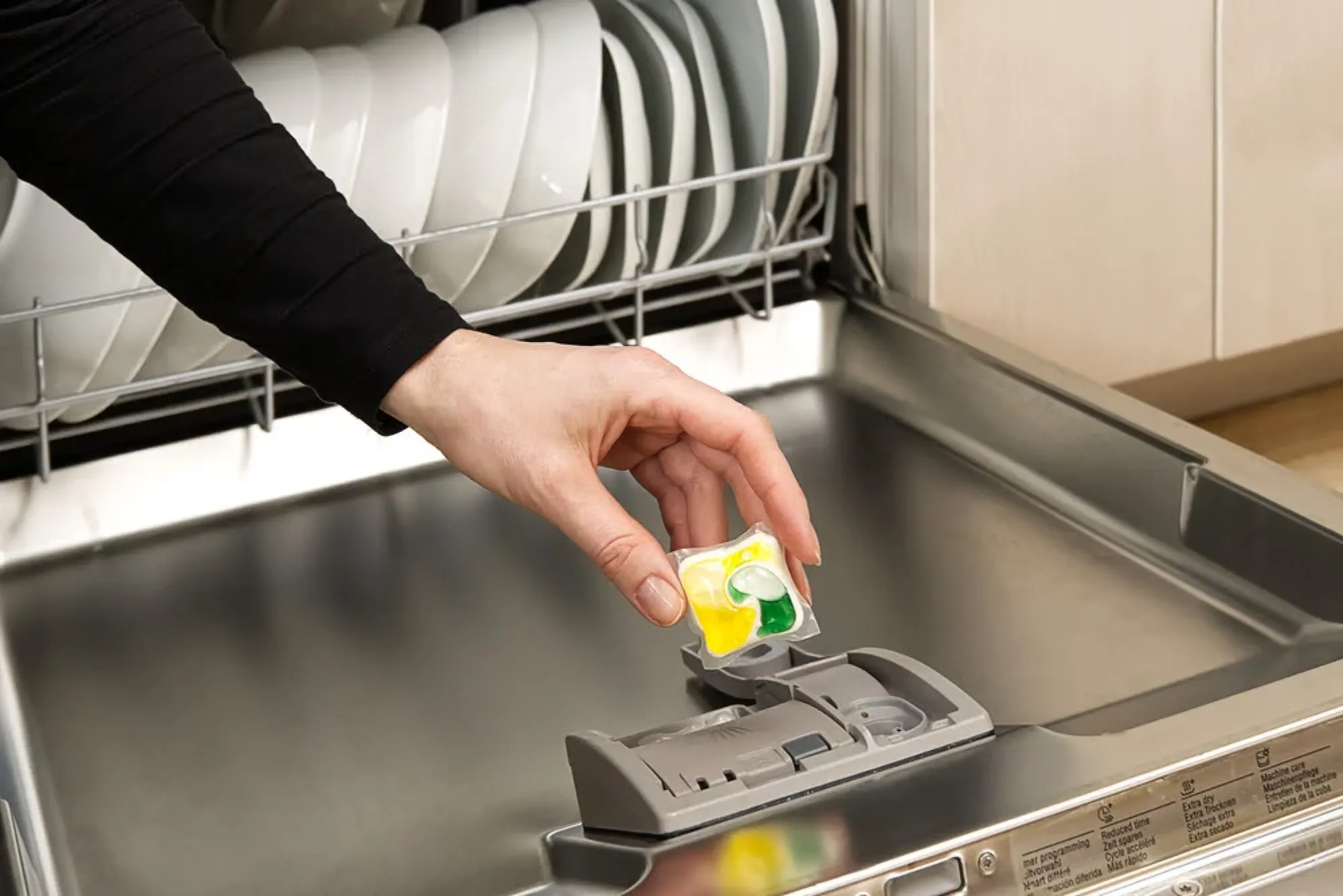
Dishwashers have become one of the most relied-upon appliances in modern homes, offering convenience, hygiene, and time savings. However, while people often pay attention to the brand of their dishwasher or its features, many overlook a key factor that plays a huge role in the health of the machine: detergent choice.
The type, quality, and formulation of the detergent you use can have a lasting impact not only on the performance of your dishwasher but also on its long-term durability. Choosing the wrong detergent may cause buildup, damage, or inefficient cleaning, while the right one can extend the lifespan of your appliance and keep it running smoothly for years.
In this article, we will explore in detail how detergent affects dishwasher health, the science behind it, and the steps you can take to make sure you are selecting the right cleaning products for your appliance.
Why Detergent Choice Matters
At first glance, detergent may seem like just another cleaning agent designed to remove food residue and grease from dishes. However, detergents are chemical formulations created with a balance of enzymes, surfactants, and additives that interact with water, heat, and the dishwasher’s mechanical action. A poor-quality or unsuitable detergent does not just affect how clean your plates come out; it can also impact the interior components of the dishwasher itself.
For example, detergents with too many harsh chemicals may corrode metal parts, damage seals, or leave behind residue that clogs spray arms. On the other hand, a detergent that is too mild may fail to break down food particles effectively, causing buildup inside filters and drainage systems. Over time, these issues accumulate and compromise the overall health of the appliance.
The Role of Water Quality
An important factor that determines how detergent interacts with your dishwasher is water quality. Hard water, which contains high levels of minerals such as calcium and magnesium, is especially challenging. When combined with the wrong type of detergent, hard water can lead to limescale buildup inside the dishwasher, reducing efficiency and increasing the risk of breakdowns.

Many detergents now contain water softening agents, but not all are effective. Using a detergent that is not suitable for hard water conditions can leave dishes cloudy and shorten the lifespan of heating elements and other critical components. On the other hand, in areas with soft water, overly strong detergents may cause excessive foaming, which can interfere with the dishwasher’s cleaning cycles.
Powder, Liquid, or Pods: Which is Best?
The form of detergent you choose—whether powder, liquid, or pods—also affects dishwasher health. Powders have long been a traditional option, offering flexibility in dosage and effectiveness. However, when stored improperly, powders can absorb moisture and clump, leading to inconsistent cleaning. Liquids, while convenient, often contain fewer active enzymes and can leave behind more residue in the machine.
Dishwasher pods or tablets are currently the most popular option due to their ease of use and pre-measured formulation. They ensure the correct amount of detergent is used each cycle, preventing overuse that could harm the appliance. However, not all pods dissolve efficiently in certain water temperatures, leading to undissolved material clogging filters or spray arms. Selecting the right formulation based on your dishwasher model and local water conditions is critical for long-term performance.
Enzyme-Based Detergents and Their Benefits
Modern detergent manufacturers have introduced enzyme-based formulations that are gentler on dishwashers while being tough on stains. Enzymes break down proteins, starches, and fats naturally, reducing the need for harsh chemicals that can corrode or damage internal components. Not only do enzyme-based detergents promote healthier dishwasher function, but they are also more eco-friendly, lowering the environmental footprint of each wash cycle.
By reducing chemical residue inside the dishwasher, enzyme-based detergents minimize the risk of clogs and extend the efficiency of filters and pumps. For households that use their dishwasher daily, this choice can significantly improve both cleaning results and the machine’s health over time.
The Risks of Using Too Much Detergent
One of the most common mistakes homeowners make is assuming that more detergent equals cleaner dishes. In reality, using excess detergent often has the opposite effect. Overuse leads to soap residue inside the dishwasher, creating a sticky film that accumulates on spray arms, filters, and even dish surfaces. This residue not only reduces cleaning efficiency but can also place unnecessary strain on the appliance.
Furthermore, excessive detergent use increases the risk of foaming, which disrupts the machine’s water circulation and can result in incomplete cycles. Over time, this habit contributes to blockages and wear, shortening the life of the dishwasher. Sticking to the recommended dosage for your detergent type is essential for maintaining the health of the appliance.
Eco-Friendly Detergents and Appliance Longevity
As sustainability becomes more important, eco-friendly detergents have gained popularity. These products typically avoid phosphates and harsh chemicals, relying on plant-based enzymes and biodegradable ingredients. While they are safer for the environment, their impact on dishwasher health is also significant.
Eco-friendly detergents tend to be gentler on seals, gaskets, and metal components. They minimize the risk of corrosive damage, which is particularly important for older machines. However, not all eco-friendly detergents are created equal—some may underperform in removing tough grease or stains, leading to the need for repeat cycles that strain the machine. Choosing a reputable eco-friendly brand ensures both performance and dishwasher health remain intact.
Long-Term Impact on Dishwasher Components
Every wash cycle subjects your dishwasher’s components—such as spray arms, heating elements, and filters—to the detergent you use. Harsh or unsuitable detergents accelerate wear on these parts, resulting in frequent repairs and replacements. Over time, even minor chemical imbalances can corrode sensitive components, weakening the machine’s structure and leading to costly breakdowns.
For example, heating elements exposed to residues from poor-quality detergents may become coated with a layer of mineral or chemical buildup, reducing their efficiency. Spray arms clogged with detergent residue lose water pressure, causing poor cleaning results and forcing the dishwasher to work harder. Ultimately, the wrong detergent choice shortens the lifespan of the machine and increases household expenses.
How to Choose the Right Detergent for Your Dishwasher
Selecting the right detergent begins with understanding your dishwasher model, local water conditions, and household needs. Always check the manufacturer’s recommendations, as certain machines are designed to perform best with specific detergent types. Consider the following factors:
- The hardness of your water supply.
- The age and model of your dishwasher.
- Whether you prefer eco-friendly or enzyme-based formulations.
- The balance between convenience (pods) and flexibility (powder or liquid).
Once you determine the most suitable option, consistency is key. Switching frequently between detergent types can cause unpredictable buildup and performance issues. A stable choice that aligns with your dishwasher’s needs will provide the best long-term results.
The Role of Rinse Aids and Additives
While detergent is the primary factor in dishwasher health, rinse aids and additives also play a role. Rinse aids prevent water spots, improve drying efficiency, and reduce residue buildup. When used alongside the right detergent, they protect internal components and maintain smooth functioning. Similarly, dishwasher cleaners designed for periodic maintenance can help remove hidden deposits and prolong the appliance’s life.
Neglecting these complementary products often places extra strain on the detergent, forcing it to do more than its intended role. As a result, the machine may still accumulate residue despite using a high-quality detergent. Regular maintenance paired with the correct detergent ensures the dishwasher remains in peak condition.
Protecting Dishwasher Health Through Smart Choices
The health and longevity of your dishwasher are closely tied to the detergent you use. From the chemical composition to the dosage and water conditions, every detail matters. A thoughtful choice not only ensures sparkling clean dishes but also prevents hidden damage that could shorten the life of your appliance.
Whether you opt for enzyme-based formulations, eco-friendly detergents, or pre-measured pods, the key is selecting a product that matches your dishwasher’s design and your household needs. By doing so, you protect the internal components, reduce the need for repairs, and enjoy consistent cleaning performance. Ultimately, detergent is more than just soap—it is a vital investment in the well-being of your dishwasher.