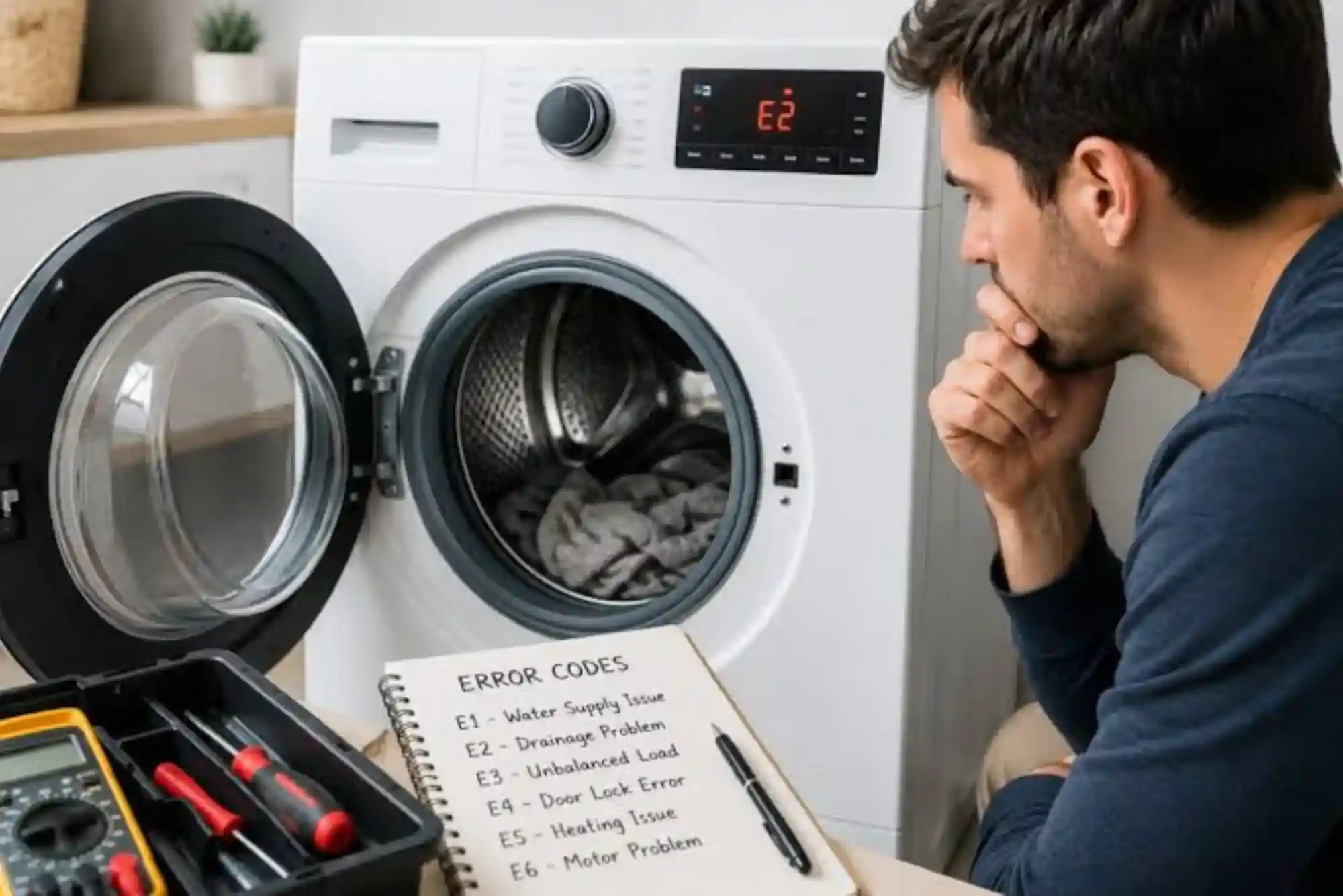
A refrigerator is one of the most relied-upon appliances in any household, operating silently in the background to preserve food, maintain freshness, and support daily routines. When temperature balance is disrupted, even slightly, it can quickly lead to spoiled groceries, wasted money, and serious health concerns. Refrigerator temperature control issues are more common than many homeowners realize, and they often develop gradually, making them easy to ignore until the damage becomes noticeable. Understanding why these problems occur, how they affect performance, and what steps can be taken to resolve them is essential for maintaining a dependable refrigerator over the long term.
Understanding How Refrigerator Temperature Control Works
To appreciate why temperature problems arise, it helps to understand how a refrigerator regulates cooling. The system relies on a thermostat or temperature sensor that monitors internal conditions and signals the compressor to turn on or off. Cold air is circulated through vents using fans, while insulation and door seals help maintain consistent temperatures. When any part of this system malfunctions, refrigerator temperature control issues begin to appear, often without immediate warning.
Even small disruptions, such as inaccurate sensor readings or restricted airflow, can cause the refrigerator to cool unevenly. This may result in frozen vegetables in one compartment and spoiled dairy products in another. Over time, these inconsistencies strain the compressor and reduce overall efficiency, making early attention especially important.
Common Signs of Temperature Control Problems
Refrigerator temperature control issues rarely appear all at once. In many cases, the earliest signs include food spoiling faster than expected, beverages freezing on upper shelves, or condensation forming inside the appliance. Some users may notice that the refrigerator runs continuously without shutting off, while others experience long cooling delays after door openings.
These symptoms are often misunderstood as normal fluctuations, especially in busy households. However, persistent inconsistency almost always points to an underlying issue that needs professional assessment. Ignoring these warning signs can lead to higher energy consumption and eventual system failure.
The Role of the Thermostat in Cooling Accuracy
The thermostat is the brain of the refrigerator’s cooling system. It measures internal temperature and communicates with the compressor to regulate cooling cycles. When the thermostat becomes faulty or inaccurate, refrigerator temperature control issues become unavoidable.
A damaged thermostat may misread the internal temperature, causing the compressor to run longer than necessary or shut off prematurely. This leads to overcooling or undercooling, both of which compromise food safety. Over time, the strain placed on the compressor can reduce its lifespan significantly. Replacing or recalibrating the thermostat often restores balance, but accurate diagnosis is crucial to avoid unnecessary part changes.
Airflow Problems and Uneven Cooling
Proper airflow is essential for maintaining consistent temperatures throughout the refrigerator. Cold air generated near the evaporator must circulate freely to all compartments. When airflow is blocked by food placement, ice buildup, or damaged vents, refrigerator temperature control issues become more pronounced.
Uneven airflow can create cold and warm zones within the appliance, leading to unpredictable storage conditions. This problem often worsens in frost-free refrigerators if the defrost system fails, allowing ice to accumulate around vents. Addressing airflow concerns promptly helps restore uniform cooling and prevents further system strain.
Door Seals and Their Impact on Temperature Stability
Door seals, also known as gaskets, play a crucial role in maintaining internal temperature. These flexible rubber seals prevent warm air from entering and cold air from escaping. When door seals become cracked, loose, or dirty, refrigerator temperature control issues quickly follow.
Even a small gap can allow warm air to enter, forcing the compressor to work harder to maintain cooling. This not only affects temperature consistency but also increases energy consumption. Regular inspection and cleaning of door seals help ensure proper closure and stable internal conditions.
Compressor Performance and Temperature Regulation
The compressor acts as the heart of the refrigerator, circulating refrigerant and enabling heat exchange. When the compressor weakens or begins to fail, it struggles to maintain consistent cooling, resulting in temperature fluctuations.
Refrigerator temperature control issues linked to compressor problems often include delayed cooling, loud noises, or extended run times. Because the compressor is one of the most expensive components, early intervention is essential. In some cases, supporting components such as relays or capacitors may be the root cause rather than the compressor itself.
Sensor Failures in Modern Refrigerators
Modern refrigerators often rely on multiple electronic sensors to monitor temperature and adjust cooling accordingly. These sensors provide precise data to control boards, enabling advanced temperature regulation. When sensors fail or send incorrect signals, refrigerator temperature control issues can become complex and unpredictable.
Sensor-related problems may cause digital displays to show incorrect readings or trigger error codes. While these systems improve efficiency when functioning correctly, they also require specialized expertise to diagnose and repair. Professional assessment ensures accurate identification and resolution of sensor failures.
External Factors That Affect Temperature Control
Not all temperature issues originate within the refrigerator itself. External factors such as room temperature, ventilation space, and usage patterns can significantly influence performance. Placing a refrigerator near heat sources or in poorly ventilated areas forces it to work harder, increasing the likelihood of refrigerator temperature control issues.
Frequent door openings, overloading shelves, and improper food placement also disrupt internal balance. While these factors alone may not cause mechanical failure, they often accelerate existing weaknesses within the cooling system.
The Importance of Proper Refrigerator Settings
Incorrect temperature settings are a surprisingly common cause of cooling problems. Many users adjust controls without fully understanding their impact, leading to unintended consequences. Setting temperatures too low increases freezing risk, while settings that are too high compromise food safety.
Refrigerator temperature control issues caused by improper settings are often easily resolved once the correct balance is restored. However, persistent problems despite proper settings usually indicate deeper mechanical or electrical concerns.
Energy Efficiency and Temperature Stability
Temperature consistency is closely tied to energy efficiency. When a refrigerator struggles to maintain stable conditions, it consumes more electricity as the compressor cycles more frequently. This not only increases utility costs but also accelerates wear on internal components.
Addressing refrigerator temperature control issues promptly improves efficiency and reduces environmental impact. A well-regulated refrigerator uses less energy while providing reliable food preservation, making maintenance a smart investment.
Food Safety Risks Associated With Poor Temperature Control
One of the most serious consequences of temperature instability is compromised food safety. Bacteria thrive in environments where temperatures fluctuate between safe and unsafe ranges. Even brief periods of warming can allow harmful microorganisms to grow, increasing the risk of foodborne illness.
Refrigerator temperature control issues put perishable items such as meat, dairy, and leftovers at particular risk. Maintaining consistent cooling is essential not only for freshness but also for protecting household health.
Diagnosing Temperature Issues Accurately
Accurate diagnosis is key to resolving cooling problems effectively. Many refrigerator temperature control issues share similar symptoms, making it difficult to pinpoint the exact cause without proper testing. Trial-and-error repairs often waste time and money while leaving the root problem unresolved.
Professional diagnostics involve checking sensors, airflow, electrical connections, and refrigerant levels. This comprehensive approach ensures that repairs address the underlying issue rather than temporary symptoms.
Preventive Maintenance and Long-Term Reliability
Regular maintenance plays a critical role in preventing temperature problems. Cleaning condenser coils, inspecting door seals, and monitoring performance help identify issues early. Preventive care reduces the likelihood of sudden breakdowns and extends the lifespan of the appliance.
By staying attentive to early signs of refrigerator temperature control issues, homeowners can take proactive steps to maintain reliability and avoid costly emergency repairs.
When Professional Assistance Becomes Necessary
While some minor adjustments can be made at home, persistent or recurring temperature problems usually require professional attention. Electrical faults, sensor failures, and refrigerant issues demand specialized tools and expertise.
Attempting complex repairs without proper training can worsen the problem and create safety risks. Professional service ensures that refrigerator temperature control issues are resolved safely and effectively, restoring confidence in the appliance’s performance.
The Long-Term Benefits of Addressing Temperature Issues Early
Addressing temperature control problems early offers numerous long-term benefits. It protects food quality, reduces energy costs, and prevents damage to expensive components. Most importantly, it extends the useful life of the refrigerator, delaying the need for replacement.
A refrigerator that maintains stable temperatures operates more quietly, efficiently, and reliably. Investing time and resources into resolving refrigerator temperature control issues ultimately delivers peace of mind and long-term savings.
Final Thoughts on Maintaining Temperature Balance
Refrigerator temperature control issues are more than a minor inconvenience. They reflect underlying imbalances within a complex system that requires precision to function correctly. By understanding how temperature regulation works, recognizing early warning signs, and responding promptly, homeowners can protect both their appliance and their household.
Consistent cooling is the foundation of effective refrigeration. When temperature stability is maintained, food stays fresh, energy consumption remains low, and the refrigerator continues to perform its essential role with reliability and efficiency.
At Hafixer, we regularly publish expert insights and practical solutions in our latest blog section to help homeowners maintain their appliances efficiently. Our detailed guides cover common problems such as Refrigerator Temperature Control Issues, Why Is My Refrigerator Not Cooling, and Why the fridge is not cold but the freezer is, providing clear troubleshooting steps and professional advice. If your appliance needs expert attention, you can directly explore our oven door hinge repair and replacement service for fast and reliable assistance. Stay connected with Hafixer to keep your home appliances running smoothly and efficiently.