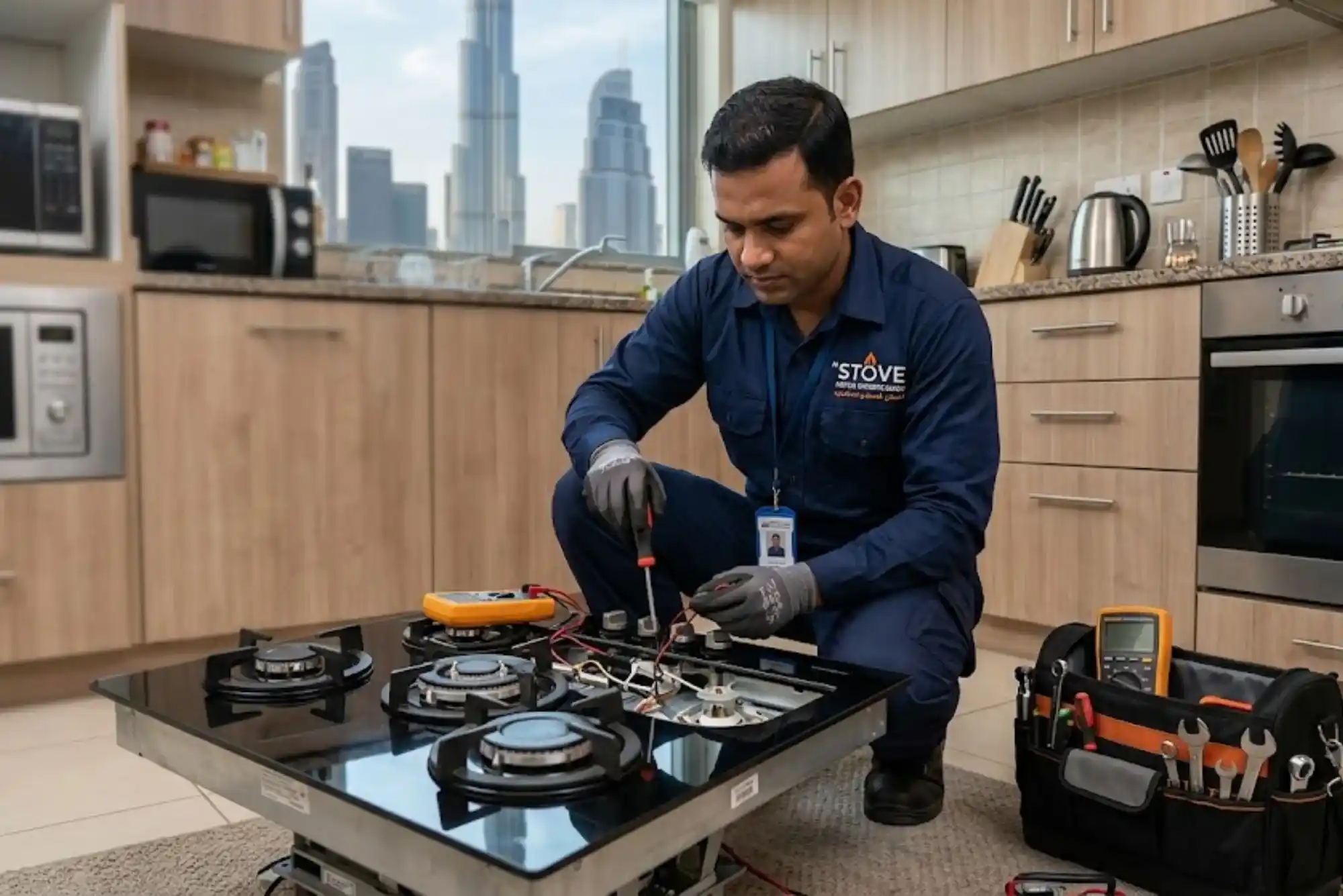
A refrigerator is one of the most essential appliances in any household, and when it stops working due to an electrical fault, it can disrupt daily life in an instant. Electrical issues in refrigerators are more complex than ordinary mechanical problems because they involve wiring, power flow, control boards, switches, sensors, and circuits that work together to maintain cooling. Understanding how these systems malfunction and how a proper refrigerator electrical problem repair service addresses them is crucial for keeping your appliance running smoothly. As modern refrigerators continue to evolve with advanced technology, the need for expert diagnostics and safe handling becomes even more important. A malfunction inside an electrical component can cause cooling failure, irregular operation, loud noises, and even safety hazards. That is why taking electrical symptoms seriously can prevent costly repairs and protect your home from potential risks.
Electrical problems can occur unexpectedly and usually worsen over time if ignored. Some signs are subtle, such as flickering interior lights or inconsistent cooling. Others are far more concerning, like tripping circuit breakers, burning smells, or complete shutdown of the appliance. Because these problems originate within the electrical framework of the refrigerator, only a trained professional can accurately diagnose and repair them. Homeowners may be tempted to troubleshoot on their own, but refrigerators contain high-voltage components, capacitors that store energy, and sensitive circuits that require specialized tools and knowledge. Attempting to repair these parts without expertise can lead to electric shock or irreversible damage to the appliance. For these reasons, professional refrigerator electrical problem repair services exist to handle everything safely and effectively.
Understanding Why Electrical Problems Occur in Refrigerators
Electrical problems in refrigerators often begin as minor issues that develop over time. A common reason behind these malfunctions is power fluctuations. In many regions, inconsistent voltage levels can damage internal wiring or weaken components like the control board and compressor relay. Overloaded circuits within the home can also affect the refrigerator by limiting the power supply it receives. When the appliance does not get stable voltage, it cannot maintain proper cooling cycles. Another reason refrigerators experience electrical failures is related to worn-out wiring. Inside the appliance, wires may deteriorate due to age, heat, moisture, or vibration. Once the insulation weakens, wires can short-circuit, which may stop the refrigerator entirely or cause erratic behavior.
Modern refrigerators also include digital control boards, which act as the brain of the appliance. These boards communicate with sensors, relays, fans, and compressors. A single damaged component on the board can disrupt the entire cooling system. Because of this complexity, diagnosing electrical issues requires detailed inspection and knowledge of electronic circuits. Professional technicians who handle refrigerator electrical problem repair services rely on diagnostic equipment to test the board, measure voltage, and identify the specific cause. Faulty sensors are another common source of electrical trouble. Temperature sensors, defrost sensors, door switches, and overload protectors are responsible for regulating the operation of the refrigerator. When these sensors fail, the unit may run continuously, stop cooling altogether, or display error codes. A malfunctioning sensor can also force the compressor to work harder, which leads to overheating and potential burnout.
The Role of Professional Diagnosis in Electrical Repair
Refrigerator electrical issues are often hidden inside the appliance and cannot be detected through simple observation. This is why professional diagnosis is essential. A technician begins by examining the external and internal electrical supply. They check whether the refrigerator is receiving adequate voltage and inspect the outlet, plug, and wiring for visible faults. If the external power supply is stable, the next step is to examine components such as the control board, thermostat, and compressor relay. Each electrical part is tested with specialized instruments to determine whether it is receiving and sending the correct voltage. This process helps identify the exact source of the issue without unnecessary replacement of working components.
Accurate diagnosis is crucial in refrigerator electrical problem repair because electrical issues are often interconnected. A faulty relay can affect the compressor, while a malfunctioning thermostat can cause the defrost system to fail. Technicians also pay attention to signs of burning smell or heat near electrical components because these can indicate short circuits or overheating. Once the root cause is identified, the technician proceeds with the repair, ensuring that the solution not only fixes the immediate issue but also prevents future electrical failures.
How Electrical Problems Affect Refrigerator Cooling
Cooling is the primary function of a refrigerator, and electrical issues directly disrupt this process. When the control board or thermostat sends incorrect signals, the compressor may not start even if the temperature rises. In other cases, the compressor may run continuously because the system fails to detect the correct temperature. This overworking of the compressor leads to excessive energy consumption and can eventually damage the motor. Faulty wiring can interrupt the power supply to the evaporator fan or condenser fan. These fans are essential for airflow in the cooling system. When they stop working, the refrigerator becomes warm inside, even if the compressor is functioning.
Electrical problems in the defrost system also affect cooling. If the defrost heater or sensor fails, frost may build up on the evaporator coils, blocking airflow and preventing cold air from circulating. As a result, the refrigerator begins to cool unevenly. These cooling issues are often misunderstood as mechanical problems, but in many cases, they originate from faulty electrical components. Proper repair eliminates the root cause and ensures stable cooling performance.
Dangers of Delaying Electrical Repairs
Electrical issues are not only inconvenient but also dangerous when left untreated. A minor short circuit in the wiring can lead to sparks that may damage the refrigerator or create fire hazards. Overheating components such as relays or control boards can emit a burning smell before failing completely. If not addressed in time, these issues may damage other electrical parts of the refrigerator, leading to much costlier repairs.
Refrigerators with electrical problems also consume more energy because the compressor or fans may run inefficiently. This results in higher electricity bills and unnecessary strain on the appliance. Prolonged electrical malfunction can eventually cause full system failure, requiring part replacement or complete appliance replacement. Seeking immediate refrigerator electrical problem repair helps prevent dangerous complications and maintains long-term safety.
Importance of Using High-Quality Replacement Parts
When electrical components fail, replacing them with high-quality parts is essential for ensuring long-term reliability. Low-quality or incompatible parts may work temporarily but cannot withstand temperature fluctuations and high electrical load inside the refrigerator. This increases the likelihood of repeated failures. Professional technicians use parts that meet the original manufacturer specifications. This ensures that the replaced component integrates properly with the existing system and functions as intended.
Genuine or high-grade compatible parts protect the control board, compressor, and wiring from damage. They also ensure that the refrigerator operates efficiently and safely. Choosing quality parts during refrigerator electrical problem repair also prevents recurring issues and increases the appliance’s lifespan.
The Connection Between Electrical Maintenance and Appliance Longevity
Regular electrical maintenance plays a significant role in extending the life of a refrigerator. Technicians who perform scheduled inspections can identify early signs of wiring deterioration, overheating components, or sensor malfunctions. Addressing these issues before they escalate helps maintain consistent cooling performance and prevents expensive repairs.
Maintenance also ensures that the power supply remains stable and that the control board functions as intended. Refrigerators that lack maintenance are more prone to electrical faults, reduced cooling efficiency, and premature failure. Investing in periodic professional service is a practical way to protect the appliance and avoid unexpected breakdowns.
Why Professional Repair Offers Better Results Than DIY Fixes
Many homeowners attempt to fix their refrigerator problems by watching online tutorials or guessing the cause. While this may work for simple mechanical issues, electrical problems require specialized training. Refrigerators contain high-voltage components and capacitors that hold electric charge even when the appliance is unplugged. Without proper knowledge, attempting to repair electrical components can lead to severe shock or damage to the internal circuits.
Professional technicians follow safety protocols, use diagnostic equipment, and understand the electrical architecture of different refrigerator brands and models. They offer precise repair solutions and ensure that the appliance is restored safely. Professional refrigerator electrical problem repair not only saves time but also eliminates the risk of improper fixes.
Energy Efficiency Benefits After Electrical Repair
Once the faulty electrical component is repaired or replaced, most refrigerators show immediate improvement in performance. The compressor runs more efficiently, fans circulate air properly, and the control board regulates temperature accurately. This reduces overall energy consumption and helps lower electricity bills.
Refrigerators with properly functioning electrical systems maintain stable cooling and operate at the right capacity. Repairing electrical problems also protects the compressor from strain, which is one of the most expensive parts to replace. Restoring electrical efficiency ensures smoother operation and better long-term functionality.
When Electrical Repair Is More Practical Than Replacement
Many homeowners believe that buying a new refrigerator is the only solution when electrical problems arise. However, modern refrigerators are designed with durable components that can often be restored through professional repair. Replacing a control board, fan motor, relay, or wiring harness is far cheaper than purchasing a new appliance. As long as the refrigerator body, compressor, and cooling system are in good condition, electrical repair is usually the more cost-effective option.
Professional technicians assess the overall condition of the appliance before recommending repair. They only suggest replacing the refrigerator when the cost of electrical repair exceeds the appliance’s remaining value. This ensures that customers make informed decisions based on accurate diagnostics.
Final Thoughts on Handling Refrigerator Electrical Issues
A refrigerator that experiences electrical problems requires immediate attention to prevent safety hazards, cooling issues, and additional damage. Electrical components play a vital role in ensuring consistent performance, and even a minor malfunction can disrupt the entire cooling system. Professional refrigerator electrical problem repair ensures accurate diagnosis, safe handling of high-voltage components, and long-term reliability. By choosing expert technicians, homeowners protect their investment while restoring the efficiency and safety of their appliance. Timely repair, quality replacement parts, and preventive maintenance work together to keep the refrigerator running smoothly for years.