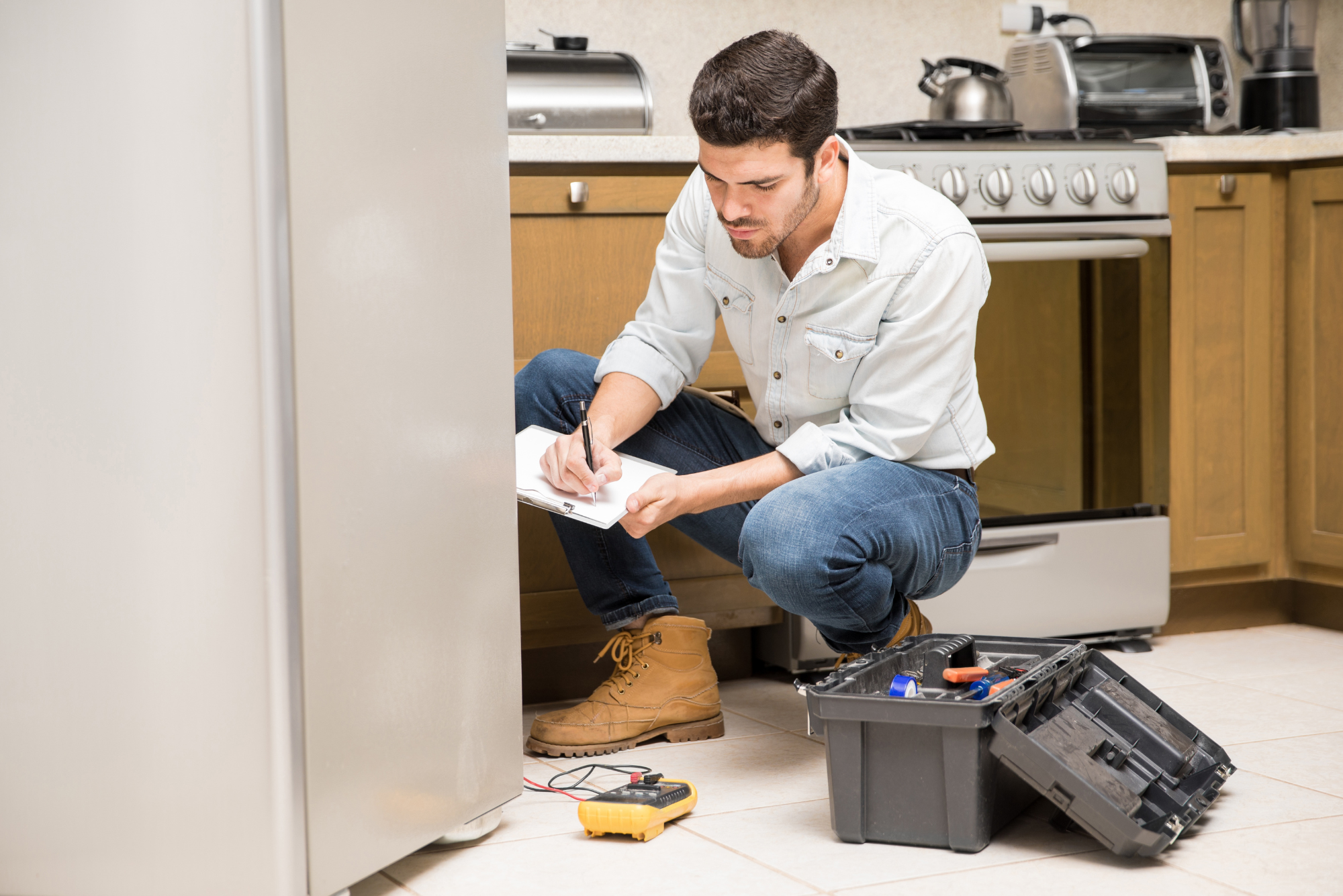
Ovens are among the most vital appliances in modern kitchens, providing the convenience of baking, roasting, and cooking with precision. Whether it is a gas or electric oven, proper care and regular maintenance are essential to ensure efficiency, safety, and longevity. When an oven malfunctions, it disrupts daily routines and cooking plans. This is why professional oven repair services play a crucial role in restoring functionality and maintaining optimal performance.
Understanding the Difference Between Gas and Electric Ovens
Before diving into repair and maintenance procedures, it’s important to understand the difference between gas and electric ovens. Both types serve the same purpose but operate differently. Gas ovens use natural gas or propane to generate heat, while electric ovens rely on heating elements powered by electricity.
Gas ovens heat up quickly and often provide better temperature control, which many chefs prefer. On the other hand, electric ovens offer consistent, even heating, making them ideal for baking. However, each type has its own set of potential issues that require specialized oven repair techniques. Knowing these differences helps in diagnosing problems effectively and applying the right maintenance strategy.
Common Issues in Gas Ovens
Gas ovens are efficient but can face several operational issues over time. One of the most frequent problems is the oven failing to ignite, which may be due to a faulty igniter, thermocouple, or gas valve. Sometimes, the oven heats unevenly, leading to undercooked or overcooked meals. Poor ventilation or clogged burners can also cause the oven to produce excessive smoke or unusual odors.
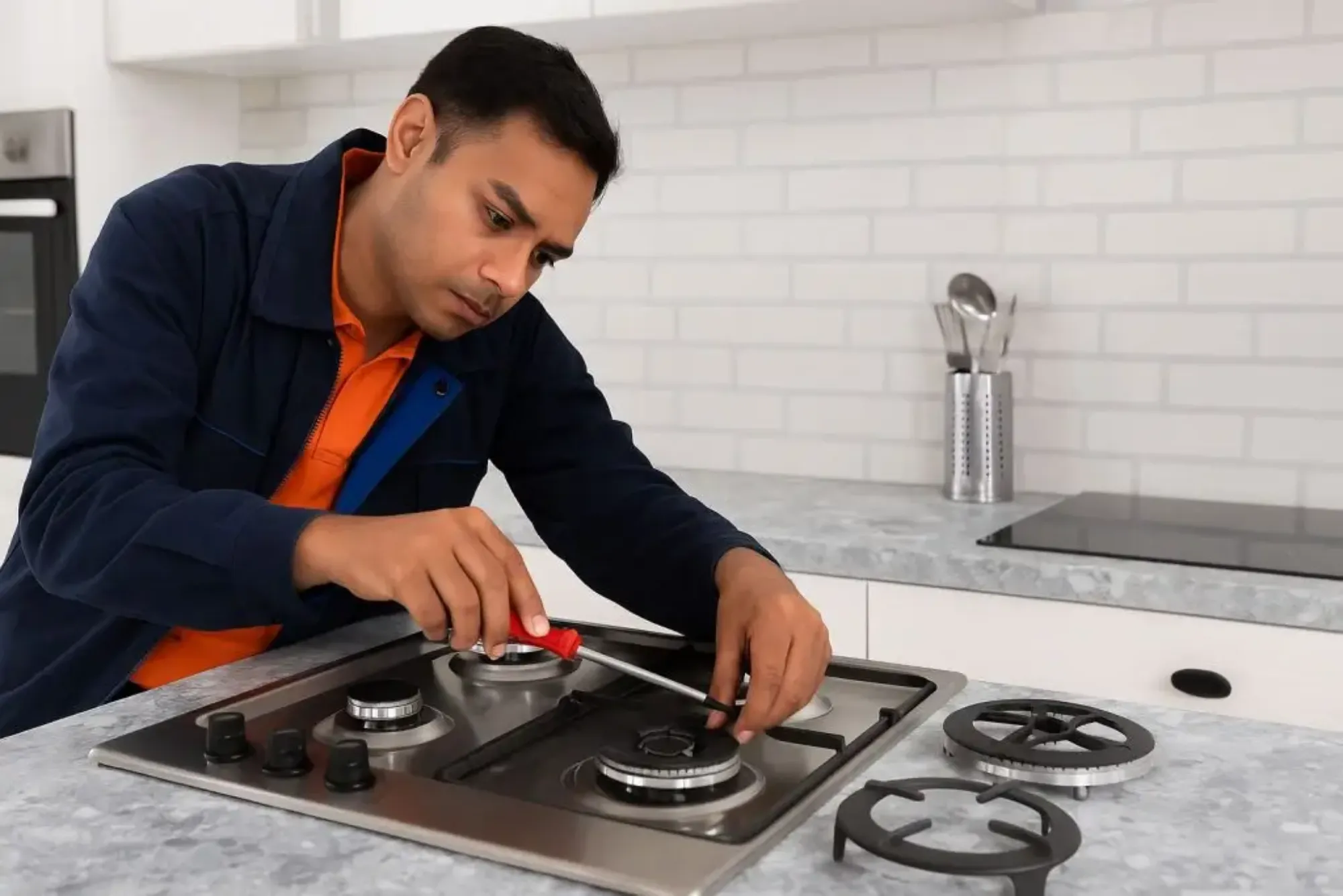
When these problems arise, professional oven repair services are essential. Technicians use diagnostic tools to locate the issue, test gas flow, check the igniter voltage, and ensure there are no leaks. Attempting to repair a gas oven without expertise can be dangerous due to the involvement of gas connections and ignition systems. Therefore, professional assistance ensures safe and accurate repairs.
Common Issues in Electric Ovens
Electric ovens are generally reliable but are not immune to problems. The most common issues include heating element failures, faulty thermostats, and malfunctioning control boards. A broken heating element often causes the oven to fail to reach the desired temperature or not heat at all.
Sometimes, the oven light or display panel may stop working, indicating electrical faults within the system. Because electric ovens rely heavily on wiring and circuitry, improper repairs can lead to short circuits or electrical hazards. A trained oven repair technician can identify the issue, test the wiring, and replace any damaged parts to restore full operation.
The Importance of Regular Oven Maintenance
Regular maintenance is the key to preventing costly repairs and extending the lifespan of your oven. Over time, grease, food residue, and dust can accumulate inside the oven or on its components, affecting performance. For gas ovens, it is essential to keep the burners and ignition ports clean to ensure smooth gas flow. For electric ovens, keeping the heating elements and fans free of debris ensures even temperature distribution.
Routine cleaning and inspection help prevent overheating, electrical issues, and inefficient energy consumption. Professional technicians recommend scheduling maintenance every six months to ensure the appliance remains in top condition. A proactive approach not only prevents sudden breakdowns but also enhances safety in the kitchen.
Why Choose Professional Oven Repair Services
While it may be tempting to handle minor oven issues independently, professional oven repair services offer unmatched expertise and safety. Certified technicians have the knowledge and tools to handle both gas and electric models effectively. They can quickly diagnose faults, replace damaged components, and ensure the oven operates efficiently without risk.
Professionals also have access to original manufacturer parts, ensuring long-term reliability. Their understanding of safety protocols, electrical systems, and gas line connections prevents accidents and further damage. By relying on experts, homeowners can rest assured that their ovens will function optimally while maintaining energy efficiency and safety.
The Role of Safety in Oven Repair
Safety is a top priority when it comes to oven repair, especially for gas models. Gas leaks, electrical surges, and overheating elements can pose serious hazards if not addressed properly. Professional technicians follow strict safety procedures while inspecting and repairing ovens.
They begin by disconnecting power or gas supply, testing for leaks, and checking the ventilation system to ensure no harmful gases are released. For electric ovens, technicians test all electrical circuits to prevent short circuits or fire risks. Ensuring safety during and after repair not only protects the appliance but also safeguards the entire household.
How Regular Servicing Enhances Oven Performance
Regular servicing significantly enhances oven performance by maintaining consistent heat levels and energy efficiency. When an oven is serviced, all internal components—such as heating elements, fans, thermostats, and gas valves—are inspected and calibrated. This ensures the oven reaches and maintains accurate cooking temperatures, resulting in evenly cooked meals.
A well-maintained oven consumes less energy, reducing electricity or gas bills. It also minimizes the risk of parts wearing out prematurely. Through scheduled maintenance and timely oven repair, homeowners can extend the appliance’s lifespan and maintain consistent cooking results.
When to Call for Oven Repair
Knowing when to call for oven repair can save time and prevent larger issues. Signs that indicate an oven needs professional attention include uneven heating, unusual noises, failure to reach temperature, gas smell, or sparking from electrical parts.
If the oven door doesn’t close properly or the display panel shows error codes, it is best to contact a technician immediately. Ignoring these signs can lead to increased energy consumption or potential safety risks. Prompt repair ensures the oven continues to function safely and efficiently.
Professional Techniques in Oven Diagnostics
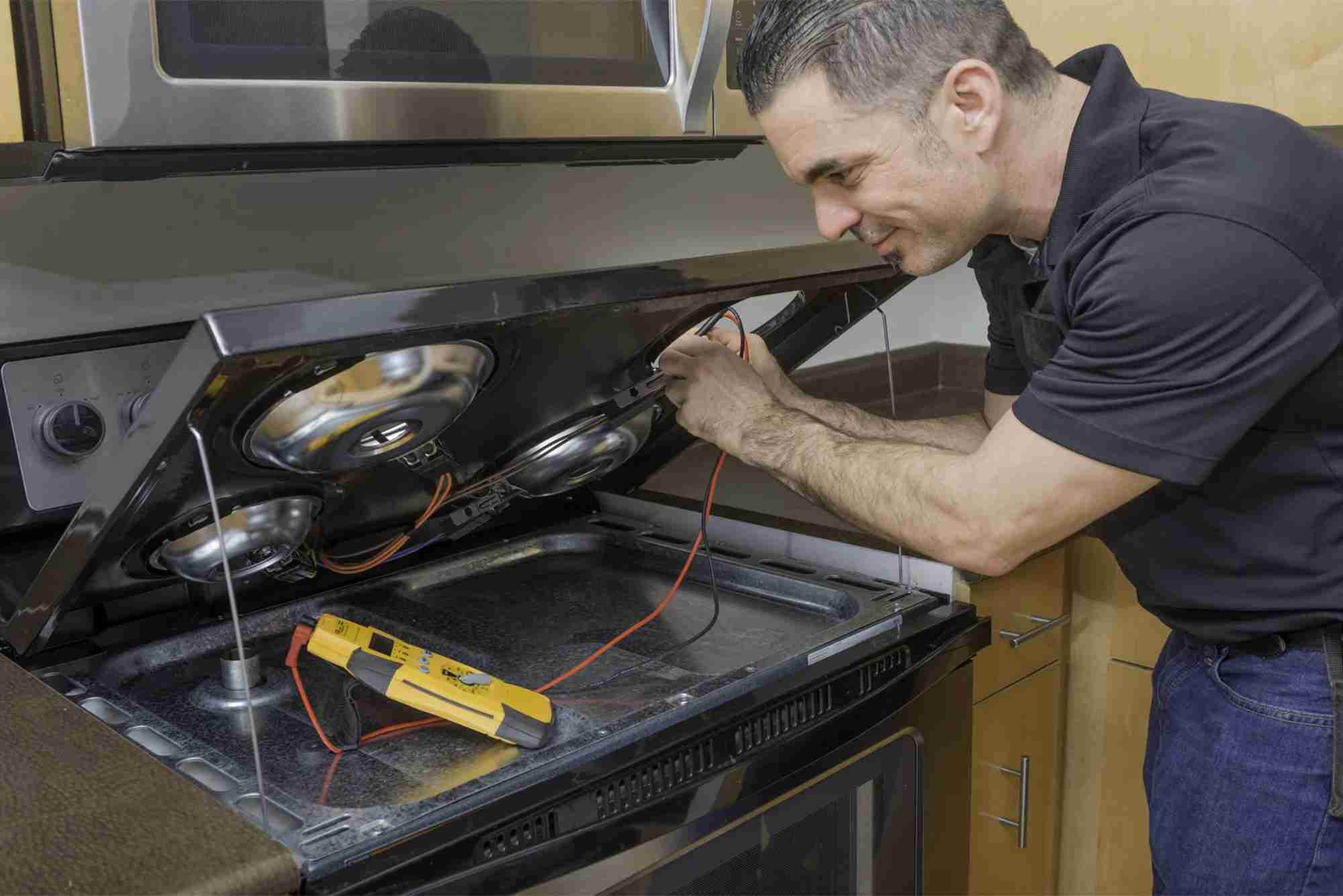
Professional technicians use advanced diagnostic tools to identify faults accurately. For gas ovens, they test gas pressure, ignition systems, and thermostats using specialized meters. For electric ovens, they use multimeters to check resistance, voltage, and continuity in heating elements and control boards.
This precise approach ensures that only the faulty components are repaired or replaced, reducing unnecessary costs. The use of professional diagnostic techniques also ensures a long-lasting repair and minimizes the risk of recurring issues.
Benefits of Maintaining Your Oven Regularly
A well-maintained oven not only functions efficiently but also enhances food quality. Proper temperature control ensures that baked and roasted dishes cook evenly without burning or undercooking. Regular maintenance reduces carbon buildup, prevents odors, and keeps the interior spotless.
Furthermore, a clean and well-maintained oven reduces strain on electrical or gas components, leading to longer appliance life. Investing in periodic oven repair and maintenance helps homeowners save money in the long run by avoiding costly replacements.
Both gas and electric ovens are valuable assets in every kitchen, and their performance depends largely on proper care and timely repairs. Professional oven repair services ensure that these appliances remain safe, energy-efficient, and reliable. Regular maintenance not only prevents unexpected breakdowns but also extends the life of the oven, offering consistent cooking results.
Whether it’s fixing a faulty igniter, replacing a heating element, or cleaning the internal components, professional technicians provide the expertise and assurance every homeowner needs. By prioritizing maintenance and expert oven repair, you can enjoy seamless cooking performance and peace of mind for years to come.