Dishwashers have become an essential part of modern kitchens, saving time and effort by handling one of the most repetitive chores. However, like any home appliance, dishwashers can occasionally run into technical issues that interrupt their performance. One of the most common concerns homeowners face is when the dishwasher’s control board malfunctions or gets stuck in a faulty cycle.
The control board is essentially the brain of the dishwasher, regulating functions such as filling, draining, heating, and drying. If it malfunctions, the entire machine may stop working properly. Resetting the dishwasher control board is often the first and most effective troubleshooting step.
In this detailed guide, we will walk you through the importance of the control board, common signs that it needs resetting, how to safely perform a reset, and when it is time to seek professional help. By the end of this article, you will have a complete understanding of how to bring your dishwasher back to life without stress.
Understanding the Dishwasher Control Board
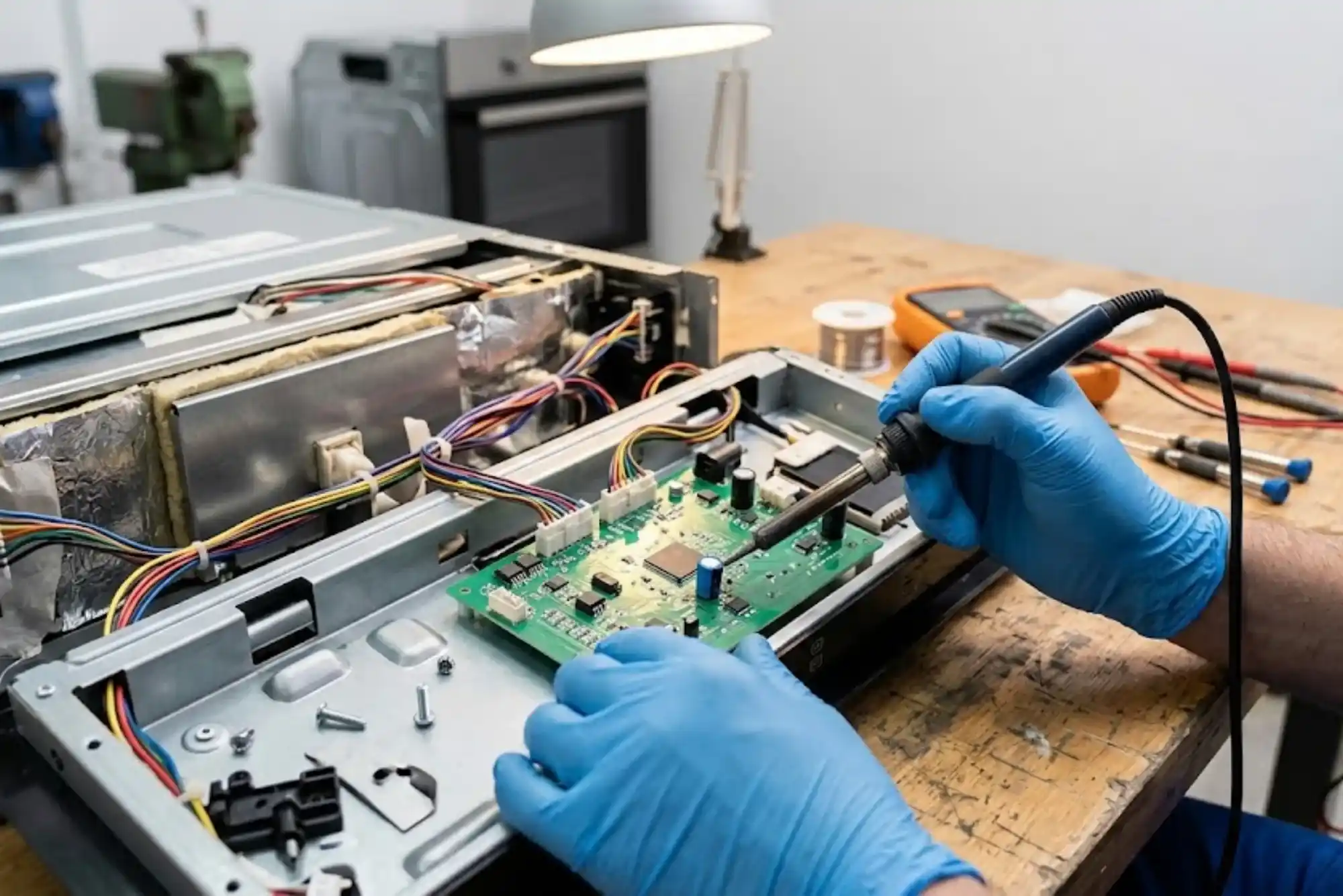
Before learning how to reset it, it’s important to understand what the dishwasher control board actually does. Think of the control board as the central nervous system of the appliance. It is a small electronic component that manages signals from different sensors, buttons, and cycles. When you press start, the board decides when to open the water valve, how long the motor runs, and when to activate the heating element.
If the control board fails or becomes confused due to power fluctuations, electrical surges, or even simple glitches, the dishwasher may not respond to commands. In such cases, a reset acts like a reboot, clearing minor errors and restoring normal functionality.
Signs Your Dishwasher Control Board Needs Resetting
A dishwasher that is not functioning properly doesn’t always indicate a serious issue. Sometimes, small glitches can mimic larger mechanical problems. If you experience any of the following symptoms, it may be a sign that the control board simply needs to be reset:

- The dishwasher does not start even after pressing the power button.
- The appliance stops mid-cycle without completing the wash.
- Lights on the control panel are flashing unexpectedly or are unresponsive.
- The dishwasher fails to drain water after a wash cycle.
- You notice unusual beeping sounds or error codes that do not match any serious fault.
These symptoms can often be resolved with a reset, saving you from costly repairs or replacements.
Why Resetting the Control Board Works
Resetting the control board is much like restarting a computer or smartphone. Electronics can sometimes hold on to minor errors or frozen programs, preventing them from functioning properly. By resetting the dishwasher, you clear temporary memory, refresh the system, and give the appliance a chance to start fresh. In many cases, this simple step can bring the dishwasher back to working order without the need for parts replacement.
How to Reset Your Dishwasher Control Board
Every dishwasher brand and model may have slightly different instructions for performing a reset. However, the basic principle remains the same—cutting off the power supply to clear the memory of the control board and then restoring it.
The most common method involves turning off the dishwasher, disconnecting it from power, waiting for a short duration, and then turning it back on. This simple reset allows the control board to reboot and start operating normally.
Some modern dishwashers also have a dedicated reset button or require a specific button sequence to reset the system. Always refer to your user manual for brand-specific guidance, but the general reset process is usually straightforward and safe.
Safety First Before Resetting
When working with any electrical appliance, safety should be the first priority. Make sure to disconnect the dishwasher from its power source before attempting any reset or inspection. If your dishwasher is hardwired into the electrical system rather than plugged into a socket, it is best to switch off the power directly from the circuit breaker. Avoid tampering with wires, internal boards, or electrical connections unless you are trained in appliance repair.
What Happens After Resetting
After performing a reset, the dishwasher’s control board should return to its default state. You may need to reselect your desired cycle and press start again. In most cases, the appliance will function normally, completing the wash, rinse, and drying cycles without interruptions.
However, if the dishwasher continues to display error codes, refuses to start, or shuts down mid-cycle even after resetting, the problem may be more serious. This could indicate a damaged control board, faulty wiring, or mechanical failure that requires professional repair.
Troubleshooting Beyond Resetting
Sometimes resetting alone may not solve the problem, especially if there is a deeper fault with the appliance. For example, a dishwasher that doesn’t drain could have a clogged filter or blocked hose. Similarly, a dishwasher that fails to heat water might have a broken heating element rather than a control board issue.
It’s important to pay attention to how the dishwasher behaves after the reset. If the same problems return, further troubleshooting will be necessary. At this point, homeowners often choose to call an experienced appliance technician who can run diagnostic tests and identify whether the control board needs to be replaced.
Professional Help for Dishwasher Control Board Problems
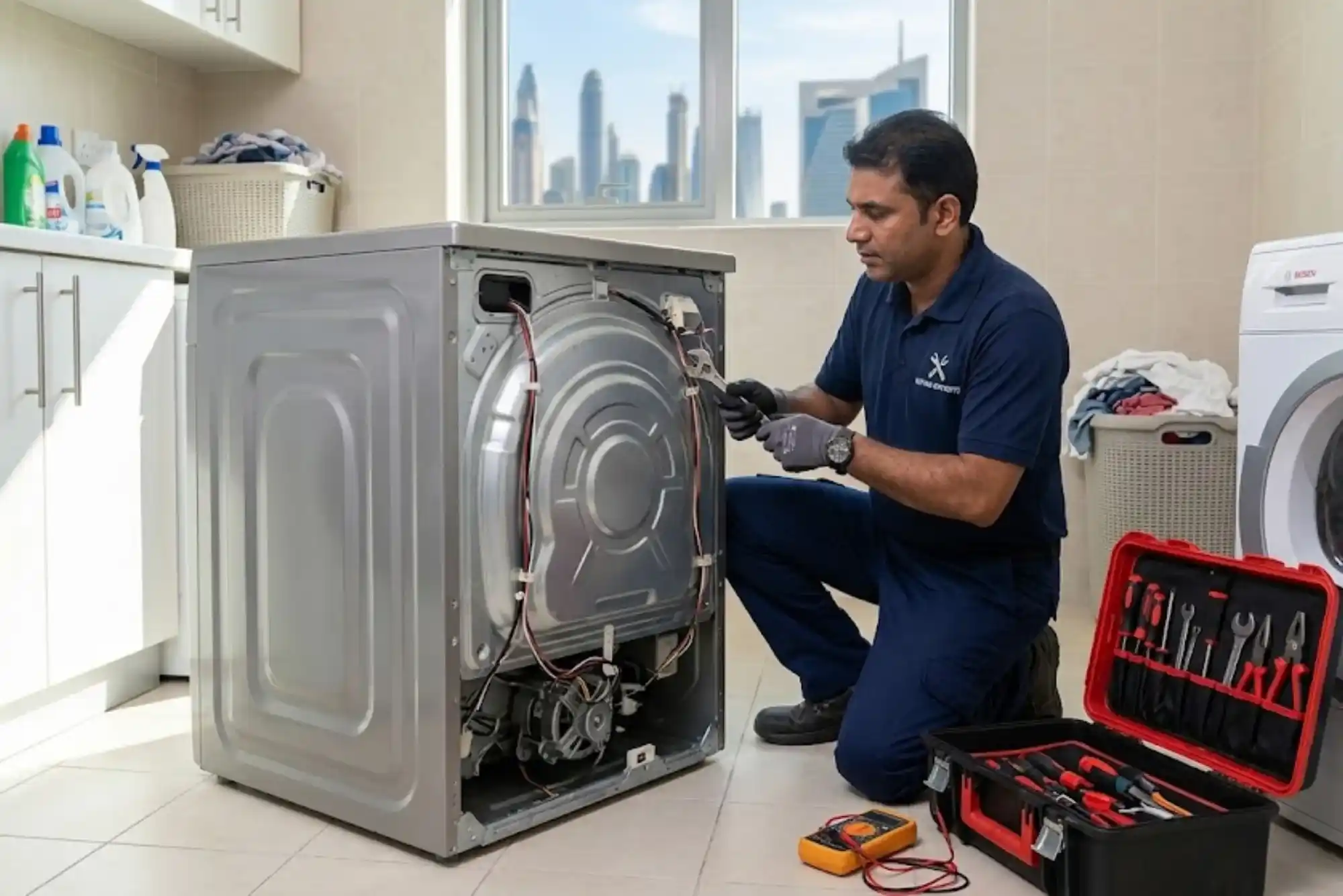
While a reset is a simple and effective first step, not all issues can be resolved at home. If your dishwasher repeatedly malfunctions despite resetting, or if the control panel remains completely unresponsive, it’s a clear sign of a deeper electrical problem. Attempting to fix or replace a control board without expertise can be risky, as it involves delicate electronic components and wiring.
Professional appliance repair technicians are trained to identify whether the board can be repaired or if a replacement is needed. In some cases, investing in a new control board is much more cost-effective than purchasing an entirely new dishwasher.
Preventing Future Control Board Issues
Once you have successfully reset your dishwasher and restored its normal function, you may want to take steps to prevent future problems. Power surges are a common cause of electronic glitches, so consider using a surge protector if your dishwasher is plugged into an outlet. Regular maintenance, such as cleaning filters and running occasional cleaning cycles, also reduces the strain on the machine and prevents unnecessary errors.
Avoid overloading the dishwasher, as this can stress both mechanical and electronic components. Using the recommended detergent and ensuring proper water supply pressure can also help maintain smooth operation.
Final Thoughts
The dishwasher control board plays a vital role in ensuring your appliance runs smoothly. When issues arise, they can disrupt your household routine and leave you frustrated with piles of unwashed dishes. Fortunately, learning how to reset the dishwasher control board gives you a simple and effective solution to restore functionality in most cases.
A reset works like a quick reboot, clearing temporary glitches and bringing the system back to life. It is safe, easy, and often all that’s required to fix minor issues. However, if problems persist after resetting, it may be time to call in a professional to inspect and repair the control board.
By understanding the role of the control board, recognizing signs of malfunction, and knowing how to perform a safe reset, you can save both time and money while keeping your dishwasher running efficiently. Regular maintenance and proper usage further reduce the chances of future issues, ensuring that your dishwasher continues to serve you reliably for years to come.