Washing machines are among the most used home appliances, operating several times a week to keep your clothes fresh and clean. Over time, certain internal components begin to wear down due to constant motion, friction, and moisture exposure. One of the most critical parts prone to wear is the drum bearing. When the bearings start to fail, you might notice unusual noises, vibration, or even a wobbling drum during spin cycles. Learning how to replace washing machine drum bearings not only saves you money but also helps extend the life of your appliance.
In this detailed guide, we’ll explore what drum bearings do, how to recognize when they’re failing, what tools and steps are involved in replacement, and why hiring professional technicians from Hafixer Home Appliances Repair is often the most reliable solution.
Understanding the Function of Drum Bearings
The drum bearings are essential components located at the back of the washing machine’s outer tub. Their role is to allow the inner drum to spin smoothly and quietly during wash and spin cycles. These bearings reduce friction and support the heavy load of wet laundry, ensuring the motor’s energy is efficiently transferred into rotational motion.
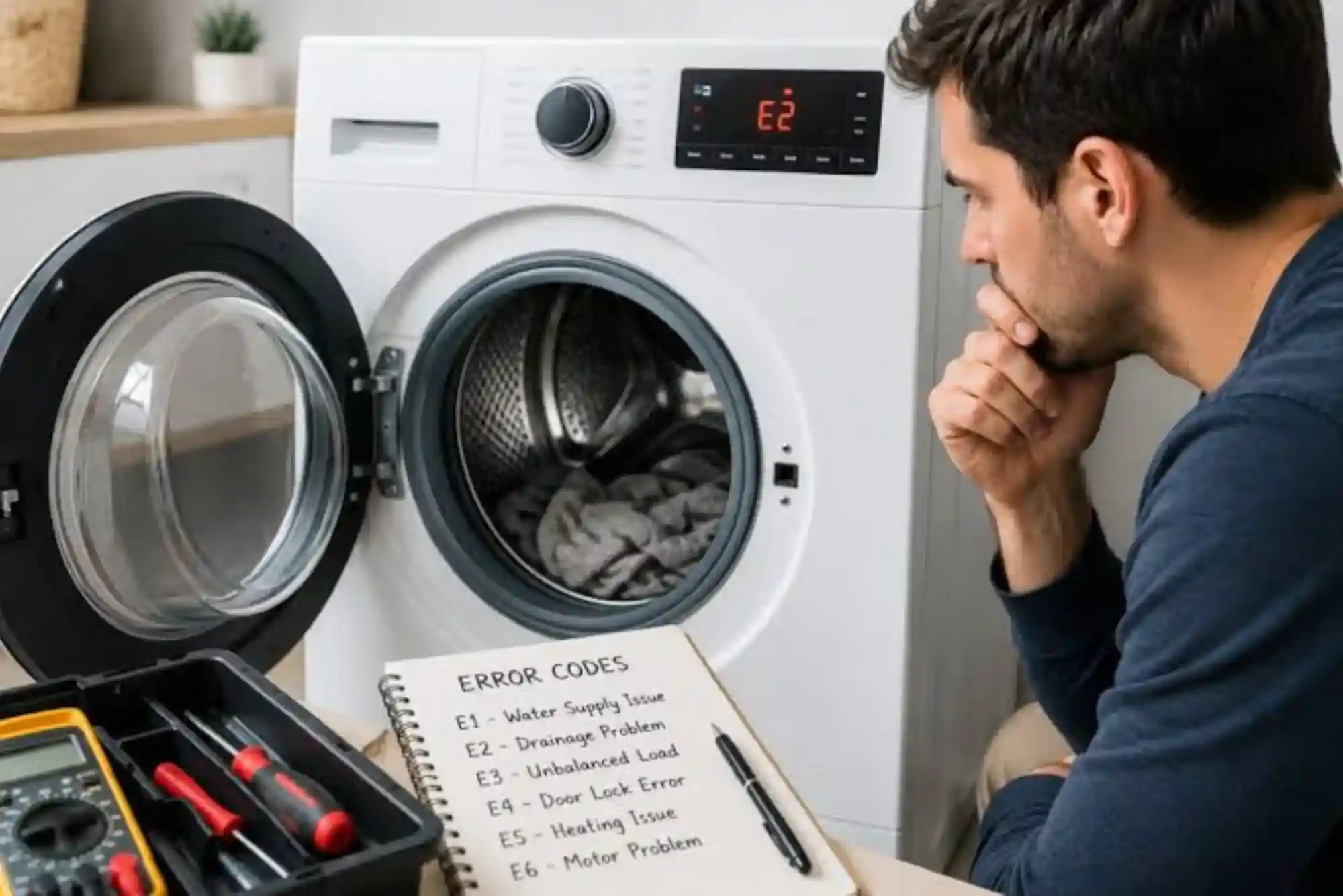
If your appliance is showing signs of noise, vibration, or reduced performance, it may be linked to internal drum bearing issues. Problems like washing machine drum bearing replacement, how to fix noisy washing machine drum, or a complete washing machine drum not spinning repair are common and require expert attention. Understanding these issues early can help prevent costly damage and extend the life of your machine. For more useful guides and repair tips, you can also explore our blog section.
At HAFixer, we specialize in professional appliance repair services with trained technicians who handle everything from washing machine bearing repair guide to replace washing machine bearings step by step. Our certified experts ensure fast diagnosis and reliable repair solutions at your doorstep. To learn more about our complete service offering or to book a technician, visit our homepage and connect with a trusted local washing machine specialist today.
When bearings are in good condition, the drum spins evenly and silently. However, after years of operation, they can corrode, wear out, or seize due to moisture penetration, detergent residue, or general aging. Once damaged, bearings can cause significant performance issues, leading to loud noises, reduced spin efficiency, and eventually complete machine failure.
Common Signs of Bearing Failure
Recognizing the early warning signs of bad drum bearings helps prevent further damage to the washing machine. The most common symptoms include:
- A deep rumbling or grinding noise during the spin cycle.
- Excessive vibration or shaking when the drum rotates.
- The inner drum feeling loose or unstable when moved by hand.
- Water leaking from the back of the drum assembly.
- Visible rust or grease stains around the bearing area.
Ignoring these warning signs can cause secondary damage to other components, such as the motor, drum shaft, or tub seals.
Preparing for the Bearing Replacement
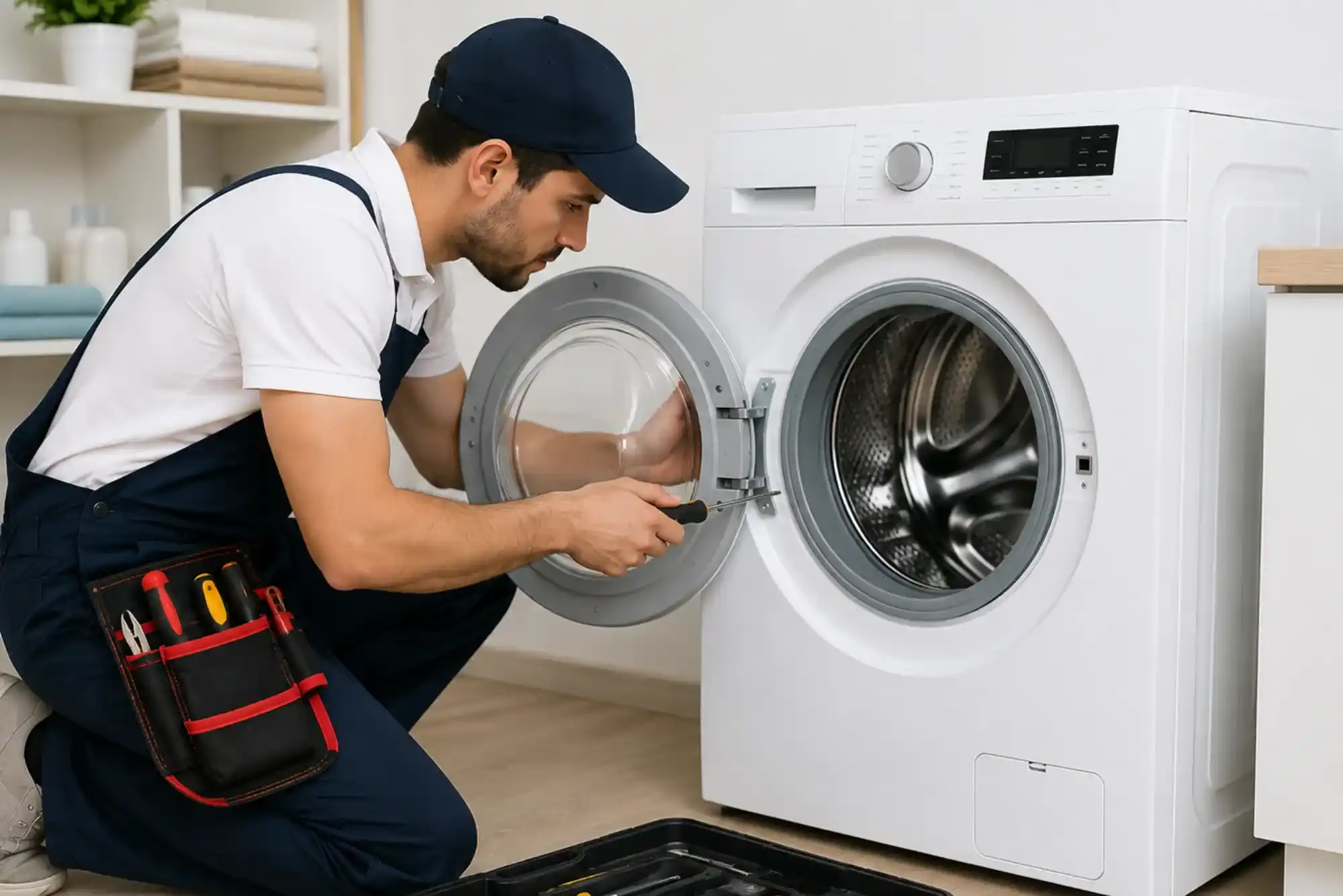
Before attempting to replace washing machine drum repair bearings, preparation is key. Start by unplugging the appliance and disconnecting the water supply hoses. Move the unit to a spacious area where you can work comfortably. Having proper tools such as wrenches, screwdrivers, pliers, a bearing puller, and a hammer with a soft mallet will make the process much easier.
You’ll also need replacement bearings and a tub seal specific to your washing machine model. Always use genuine or high-quality parts to ensure longevity and prevent future issues.
Removing the Drum Assembly
To access the drum bearings, the washing machine must be partially disassembled. Start by removing the top and back panels. Carefully detach the drive belt from the motor and drum pulley. Next, disconnect the electrical connections, hoses, and any counterweights attached to the drum.
Once all components are detached, lift the entire drum assembly out of the cabinet. Depending on the model, this step may require assistance, as the drum can be heavy and bulky. Place the drum on a flat surface for stability.
Extracting the Old Bearings
With the drum assembly removed, you’ll need to take out the inner drum to reach the bearing housing. Most washing machines use two bearings — an inner and an outer one. Using a bearing puller or drift punch, tap out the old bearings from the housing. This step may require some patience, especially if the bearings are rusted or seized in place.
Clean the housing area thoroughly to remove any remaining debris, grease, or corrosion. It’s essential to create a smooth and clean surface before installing new bearings, as dirt or uneven edges can cause premature wear.
Installing the New Bearings
Before fitting the new bearings, apply a thin layer of high-temperature grease to the bearing seats. Carefully press the new bearings into place using even pressure. Never hammer them directly, as this can cause internal damage. Once the bearings are seated properly, install the new tub seal to prevent water from entering the bearing housing.
Reassemble the inner drum, ensuring it rotates freely without wobbling. Spin the drum manually to test for smoothness and silence — this confirms that the new bearings are correctly aligned and fitted.
Reassembling the Washing Machine
After verifying that the drum spins smoothly, reinstall the drum assembly into the cabinet. Reconnect all electrical wires, hoses, and counterweights that were removed earlier. Attach the drive belt securely and ensure it’s properly tensioned.
Once everything is back in place, reconnect the water supply hoses and power cord. Run an empty wash cycle to test the machine. If you hear no unusual noises and the drum spins quietly, your bearing replacement has been successful.
Safety Precautions During Bearing Replacement
Replacing washing machine drum bearings requires patience, technical skill, and attention to detail. Here are a few essential safety measures:
- Always unplug the washing machine before working on it.
- Wear gloves to protect your hands from sharp edges.
- Use proper lifting techniques or assistance to avoid back strain.
- Keep small screws and clips in a container to avoid losing them.
Even with the right tools, the process can be time-consuming, especially for beginners. If you feel uncertain at any stage, it’s best to consult a professional repair service.
Why Professional Repair Services Are Worth It
While DIY bearing replacement can save money, it also carries the risk of causing further damage if done incorrectly. Professional technicians have the tools, expertise, and experience to perform the job efficiently.
At Hafixer Home Appliances Repair, our skilled team specializes in washing machine repair and bearing replacement. We diagnose the exact cause of noise, vibration, or drum imbalance and replace the faulty components using high-quality parts. Our technicians ensure every repair meets manufacturer standards, extending the appliance’s life and improving performance.
When you hire professionals, you save time and eliminate the risk of errors that could lead to costly future repairs. Moreover, expert servicing ensures your washing machine continues operating efficiently and quietly for years.
Maintenance Tips to Extend Bearing Life
To prevent your washing machine bearings from wearing out prematurely, regular maintenance is essential. Avoid overloading the drum, as excessive weight puts unnecessary strain on the bearings. Always use the correct amount of detergent to minimize residue buildup, and check for leaks that might allow water to reach the bearing area.
Additionally, running a maintenance wash with hot water and a descaling agent once a month helps keep the internal parts clean and free of limescale or mold. Proper care and timely servicing significantly extend the life of your washing machine and reduce the chances of future bearing issues.
When Replacement Becomes the Better Option
In some cases, replacing the drum bearings may not be practical. If your washing machine is over 8 to 10 years old, or if the cost of parts and labor approaches the price of a new unit, replacement may be the smarter choice. A technician can help you assess whether the appliance is worth repairing or if investing in a new, energy-efficient model is more cost-effective in the long run.
Learning how to replace washing machine drum bearings gives you a deeper understanding of how your appliance works and how to maintain it effectively. While it’s possible to perform the task yourself, it’s often safer and more efficient to trust professionals who specialize in appliance repair.
If you’re in Dubai and dealing with a noisy or unstable washing machine, contact Hafixer Home Appliances Repair for expert inspection and service. Our team provides fast, reliable, and affordable washing machine bearing replacement that restores your appliance to perfect working condition.