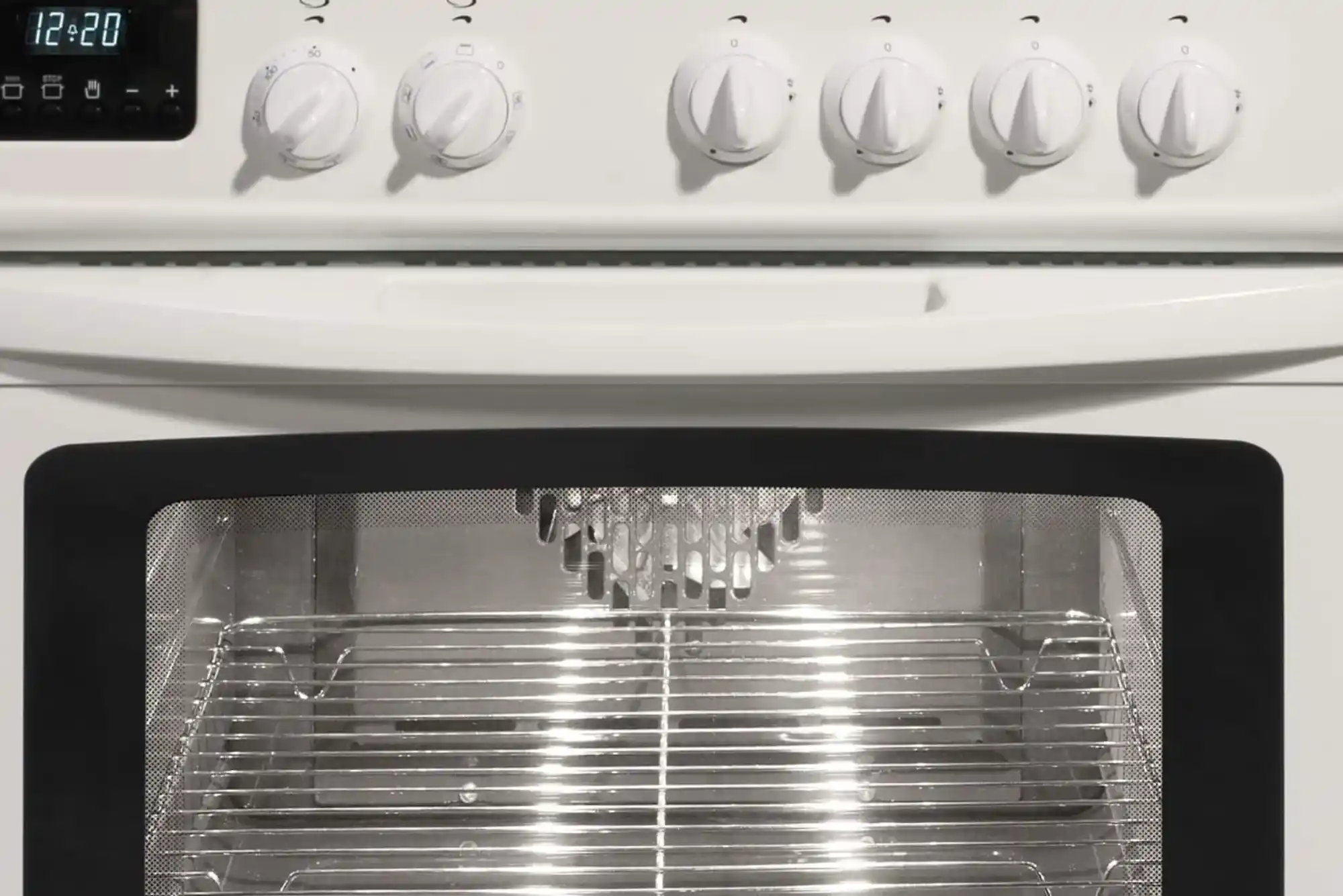
Ovens are indispensable in every modern kitchen, and their control knobs play a vital role in ensuring accurate cooking temperatures and settings. Over time, these knobs may become worn, loose, or completely damaged, affecting the oven’s functionality. Knowing how to replace an oven control knob not only restores the appliance’s usability but also ensures safe operation. While some may consider this task minor, performing it correctly requires attention to detail and adherence to safety standards. This article will guide you through the process of replacing an oven control knob and provide insights into ensuring your appliance remains in optimal condition.
Understanding Oven Control Knobs
Oven control knobs are more than just aesthetic components; they act as the interface between the user and the appliance. They control functions such as temperature adjustment, cooking modes, and timer settings. The knobs connect to internal components, like potentiometers or switches, that regulate electrical signals to the oven’s heating elements. Any damage or wear can result in inaccurate temperature readings, inconsistent cooking results, or complete operational failure. Replacing a control knob promptly can prevent further damage to the oven and maintain its efficiency.
When to Replace an Oven Control Knob
Recognizing when to replace an oven control knob is crucial. Some common signs include a knob that is loose or wobbly, difficulty turning the knob, visible cracks, or discoloration due to heat exposure. In some cases, the knob may stop functioning entirely, preventing you from turning on the oven or adjusting the temperature. Ignoring these signs can lead to electrical malfunctions or uneven cooking, making replacement essential for both safety and convenience.
Choosing the Right Replacement Knob
Selecting the correct replacement knob is essential to ensure compatibility with your oven model. Most ovens have knobs designed specifically for the appliance’s make and model. Universal knobs may work in some cases, but they often lack the precise fit or durability needed for long-term use. Always refer to the oven’s user manual or manufacturer’s website to confirm the correct replacement part. Purchasing a genuine knob ensures proper alignment, smooth operation, and reliable performance.
Safety Precautions Before Replacement
Safety should always be the first consideration when working with electrical appliances. Before attempting to replace an oven control knob, unplug the appliance from the power source to eliminate the risk of electric shock. For ovens connected directly to a power supply, turning off the circuit breaker is necessary. Additionally, ensure the oven has cooled completely before handling any components, as residual heat can cause burns or other injuries. Using insulated tools and gloves can provide an added layer of protection during the replacement process.
Removing the Old Control Knob
The first step in replacing the oven control knob is removing the existing one. Most oven knobs are mounted on a spindle or stem and can be gently pulled straight off. If the knob is stuck, avoid using excessive force to prevent damage to the underlying mechanism. Applying a small amount of lubricant around the base may help ease removal. In some models, the knob may be secured with a set screw, requiring a screwdriver to loosen it before removal. Carefully inspecting the mounting mechanism ensures that you understand how the knob is attached and avoids accidental damage to the appliance.
Installing the New Oven Control Knob
Once the old knob is removed, the replacement knob can be installed. Align the knob with the spindle or mounting post, ensuring it is oriented correctly according to the oven’s markings. Push the knob gently into place until it sits securely. If the knob uses a set screw, tighten it to the manufacturer’s specifications to ensure a firm connection without over-tightening, which can strip the threads or damage the knob. Testing the knob after installation is essential to confirm that it turns smoothly and accurately controls the oven settings.
Testing the Oven After Replacement
After installing the new knob, it is important to test the oven to verify proper operation. Reconnect the appliance to the power supply and turn on the oven using the newly installed knob. Observe whether the oven responds correctly to temperature and function adjustments. Ensure that the knob rotates smoothly without resistance and that settings correspond accurately to the oven’s response. Any irregularities may indicate a misaligned knob or an issue with the internal controls, which should be addressed immediately.
Maintaining Oven Control Knobs
Proper maintenance can prolong the life of oven control knobs and prevent future issues. Regular cleaning with a soft, damp cloth removes grease and debris that can cause the knob to stick or become difficult to turn. Avoid abrasive cleaners or harsh chemicals, as these can damage the knob’s surface. Additionally, periodically inspect the knobs for signs of wear or looseness and address issues promptly. Ensuring proper care reduces the likelihood of frequent replacements and helps maintain the oven’s overall performance.
Professional Assistance and Repair Services
While replacing an oven control knob is a task that many homeowners can perform, certain situations require professional assistance. If the knob does not fit correctly, the internal mechanism is damaged, or electrical components show signs of malfunction, contacting a certified repair service is recommended. Hafixer Home Appliances Repair provides professional oven repair services, ensuring that replacement parts are installed correctly and safely. Their technicians have the expertise to handle a wide range of oven models and guarantee long-lasting results.
Replacing an oven control knob is a straightforward yet important maintenance task that can restore your appliance’s functionality and ensure safe cooking. Understanding the role of the knob, recognizing the signs of wear, selecting the correct replacement, and following safety precautions are essential steps in the process. While many homeowners can perform this replacement themselves, professional services like Hafixer Home Appliances Repair offer peace of mind and expert results. By taking prompt action when a knob becomes damaged or worn, you protect your oven, maintain accurate cooking performance, and extend the appliance’s lifespan.
Investing in proper care and timely repairs ensures that your kitchen remains fully functional and your meals are consistently prepared to perfection. Whether you choose to perform the replacement yourself or seek professional support, addressing control knob issues promptly is a key part of maintaining a reliable and efficient oven.