The oven has become one of the most essential appliances in modern kitchens, allowing households to cook and bake with efficiency and convenience. However, like any complex appliance, ovens are susceptible to electrical and mechanical failures. Among the most common and frustrating problems is a malfunctioning control board. The control board is the “brain” of the oven, managing settings, temperature, timers, and communication with other components. When it fails, the oven may stop heating, display error codes, or fail to operate entirely. Understanding how to repair oven control board failures requires both knowledge of the underlying causes and a professional approach to restoration.
The Role of the Oven Control Board
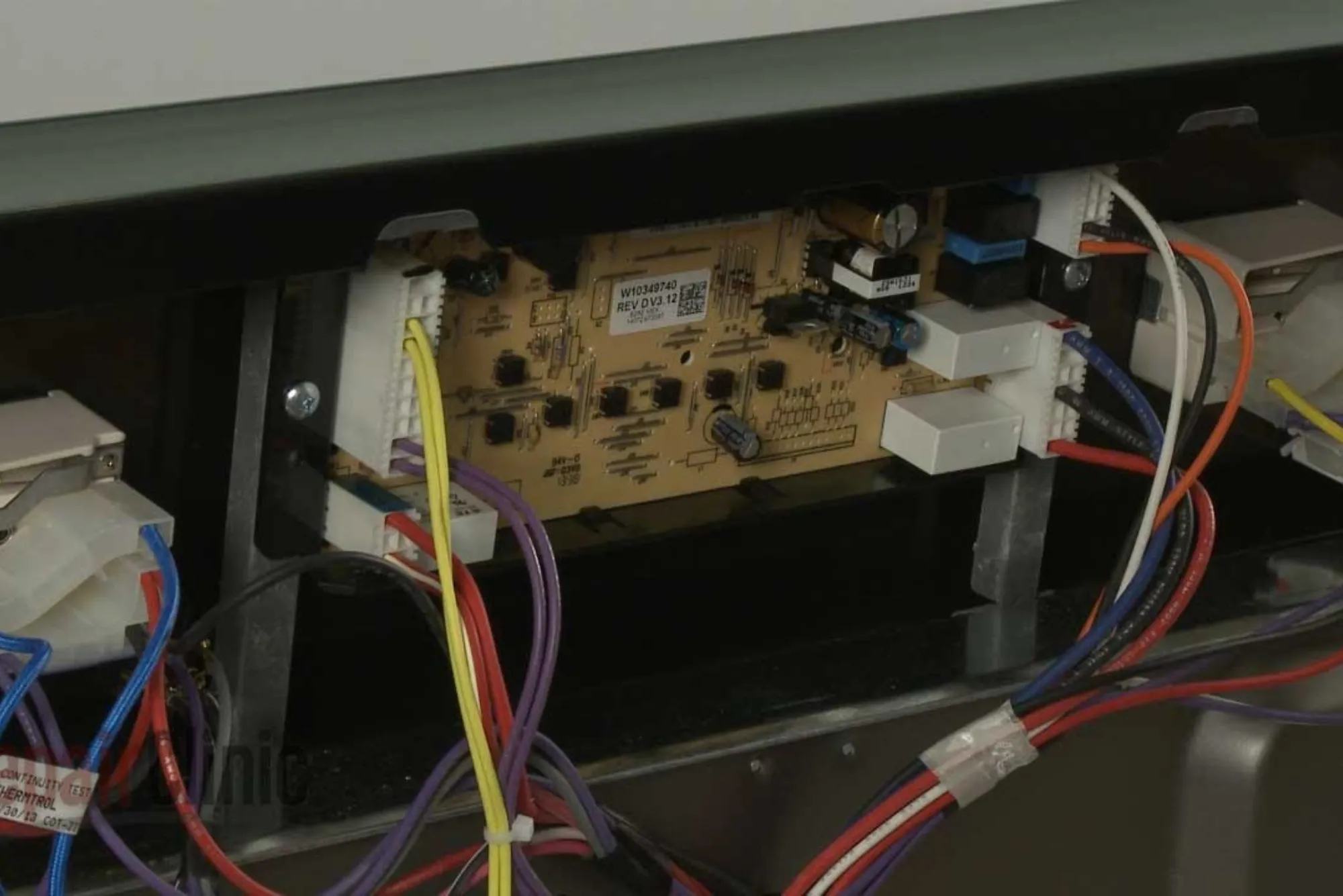
Every modern oven is built with an electronic control board, often referred to as the Electronic Oven Control (EOC). This board receives signals from the user interface when a temperature, timer, or setting is selected. It then translates those commands into action, sending power to the heating elements, fans, lights, or sensors as needed. Without this board functioning correctly, even the most basic cooking operations become impossible.
For example, if the control board fails to send voltage to the heating elements, the oven may remain cold despite being turned on. Similarly, if the display malfunctions, the user cannot input commands or monitor cooking progress. Because of its central role, repairing oven control board failures is critical for restoring full appliance functionality.
Signs of Control Board Malfunctions
When the control board is compromised, the symptoms can vary depending on the extent of the damage. In some cases, the oven may still partially function, while in others it may shut down completely. Common indicators of control board problems include unresponsive digital displays, unchanging temperature despite adjustments, error codes appearing frequently, oven lights flickering, heating elements not receiving power, or the oven shutting down unexpectedly mid-cycle. These signs typically point to issues with relays, circuits, or capacitors on the board that are no longer working properly.
It is important to note that some of these symptoms can also be linked to wiring failures, blown fuses, or faulty sensors. This is why professional oven repair services are often required to perform a complete diagnosis before replacing or repairing the control board.
Causes Behind Control Board Failures
Understanding why control boards fail is essential for both repair and prevention. Several common reasons contribute to oven control board breakdowns. One frequent cause is power surges. Electrical spikes, often caused by unstable power supply or lightning, can burn out delicate electronic components. Another cause is normal wear and tear. Over time, the board’s capacitors, relays, and soldered joints degrade due to heat exposure and electrical stress. Moisture or steam infiltration can also damage sensitive circuits, especially if the oven is used frequently for steaming or high-humidity cooking. Additionally, manufacturing defects or poor-quality components can shorten the lifespan of the control board.
Each of these issues results in disruptions to the board’s ability to regulate signals properly, leading to operational failures that demand repair or replacement.
Professional Diagnosis of Oven Control Board Issues
Because control boards are complex and packed with delicate electronic components, repairing them requires a thorough diagnostic process. Professional oven repair technicians typically start by ruling out other potential problems such as faulty wiring, malfunctioning heating elements, or defective sensors. Once these are eliminated, the technician inspects the control board itself, looking for visible damage such as burn marks, melted connections, or swollen capacitors.
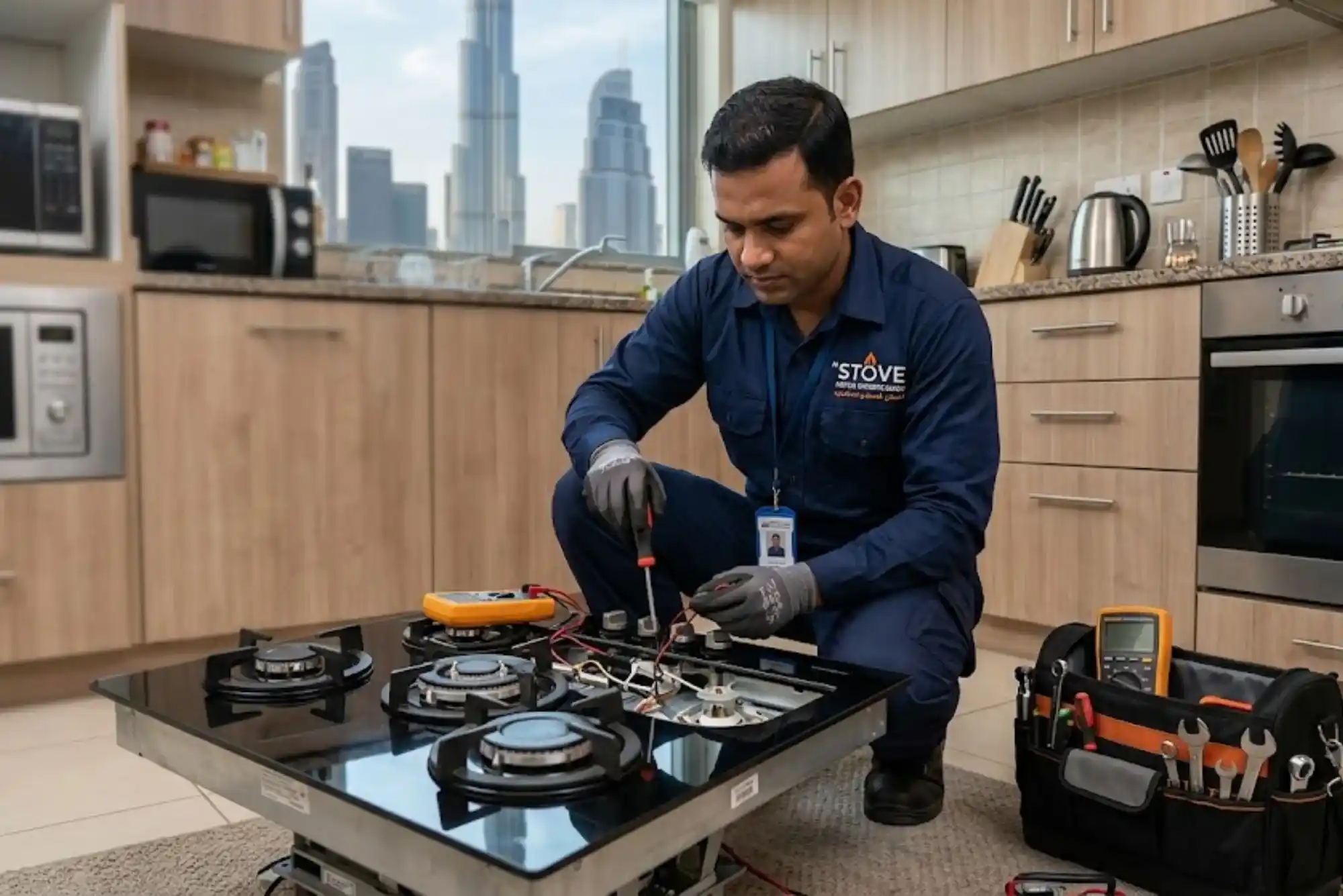
Specialized tools, including multimeters and continuity testers, are often used to measure whether voltage is reaching the necessary oven components. In cases where relays or circuits fail, these parts may be repaired or replaced individually, though sometimes it is more efficient to replace the entire control board.
The Repair Process Explained
Repairing an oven control board involves several technical steps. First, the oven must be safely disconnected from its power source to avoid electrical hazards. The control board, usually located behind the oven’s control panel, is carefully removed. Once out, the technician examines the board for damaged relays, faulty resistors, or burned traces. Depending on the condition, the repair may involve soldering new components, cleaning corroded contacts, or reassembling loose connectors.
If the board is beyond repair, a replacement is installed. Professional repair services often source manufacturer-approved replacement boards to ensure compatibility and durability. Once the repaired or new board is installed, the oven is tested extensively to confirm proper operation, including heating accuracy, display function, and control responsiveness.
Why Professional Help is Necessary
Although some homeowners may attempt to repair oven control board failures themselves, the reality is that this is not a simple do-it-yourself project. The electronic components on a control board are delicate and require precision soldering, electrical knowledge, and diagnostic tools. An incorrect repair attempt could lead to further damage or even safety risks, including electrical fires.
This is why professional appliance services such as HAFixer Home Appliances Repair in Dubai are highly recommended. With expertise in diagnosing and repairing electronic control boards, professionals ensure the oven is restored to safe, efficient operation without guesswork. Their experience also allows them to identify whether repairing or replacing the board is the more cost-effective solution.
Preventing Control Board Failures
While not all control board failures can be prevented, there are steps homeowners can take to reduce the risk. Installing a surge protector for kitchen appliances can shield sensitive electronics from sudden power spikes. Regular maintenance checks by professionals can also detect early warning signs before complete failure occurs. Keeping the oven’s control panel clean and free from moisture prevents damage to electronic connections. Most importantly, ensuring that the oven is serviced by qualified technicians whenever unusual behavior is noticed will prolong its lifespan.
The Cost of Repair Versus Replacement
One of the most common questions homeowners face is whether repairing the control board is worth the investment compared to replacing the oven. The answer depends on the severity of the damage, the cost of replacement parts, and the age of the appliance. In many cases, repairing or replacing the control board is far more affordable than purchasing a new oven, especially when the rest of the appliance is still in good working order.
Professional services provide accurate estimates upfront, helping homeowners make informed decisions. For residents in Dubai, HAFixer Home Appliances Repair offers reliable guidance, ensuring cost-effective solutions that balance repair needs with long-term appliance performance.
Choosing the Right Service Provider
When selecting a repair service for oven control board issues, it is essential to choose a company with proven expertise in appliance electronics. Look for providers with a track record of reliable repairs, certified technicians, and the ability to source genuine parts. Companies like HAFixer Home Appliances Repair Dubai specialize in restoring ovens to full working order, offering timely, professional, and customer-focused solutions.
The oven control board plays a crucial role in the performance of any modern oven, acting as the central hub for commands and communication between components. When it fails, the appliance becomes nearly useless, interrupting daily cooking routines. Understanding the causes, symptoms, and repair processes of control board failures highlights the importance of professional intervention.