Ovens are indispensable appliances in modern kitchens, and their proper functioning relies on a combination of electrical and mechanical components. Among these, the oven relay plays a critical role in regulating power to heating elements and ensuring consistent cooking performance. When this component fails, it can lead to uneven heating, complete appliance malfunction, or even potential safety hazards. Understanding how to diagnose oven relay problems is essential for homeowners and technicians alike, allowing for timely repairs and preventing further damage to the appliance.
Understanding the Role of the Oven Relay
The oven relay, sometimes referred to as a control relay, is an electromechanical switch that manages the flow of electricity to the oven’s heating elements. Its primary function is to act as an intermediary between the control board and the heating elements, enabling the oven to reach and maintain the desired temperature accurately. Unlike fuses or simple switches, the relay handles high-voltage loads safely while responding to signals from the thermostat or electronic control board.
When the relay functions correctly, it ensures that the oven heats evenly and shuts off automatically once the set temperature is reached. However, when the relay begins to fail, electrical signals may be interrupted, causing inconsistent heating, sparking noises, or complete failure to power the oven.
Symptoms of a Faulty Oven Relay
Detecting a faulty oven relay often requires careful observation of your appliance’s behavior. While some signs are subtle, others can be more obvious and disruptive. One of the most common symptoms is the oven failing to reach the desired temperature, leading to undercooked meals or prolonged cooking times. In some cases, the oven may overheat, which is equally dangerous, as it can damage the internal components or even pose a fire risk.
Another indicator is unusual noises such as clicking, buzzing, or humming coming from the oven while it is heating. These sounds often point to electrical arcing or a relay struggling to switch the high current properly. Additionally, if the oven fails to turn on entirely or shuts off intermittently, the relay may be at fault. Observing the oven’s digital display for error codes is also useful, as some modern ovens provide specific codes indicating relay or control board issues.
Causes of Oven Relay Failure
Oven relay problems can arise from a variety of factors, most of which are related to electrical stress and wear over time. One common cause is prolonged exposure to high temperatures. Since the relay is often located near the heating elements or control board, continuous heat can degrade its internal components, leading to failure.
Another frequent cause is voltage fluctuation. Sudden power surges, faulty wiring, or improper electrical installation can damage the relay’s contacts, rendering it ineffective. Mechanical wear also plays a role; repeated switching cycles can cause contact points within the relay to become pitted or corroded. Moisture ingress, especially in ovens with steam or self-cleaning features, can further compromise relay function. Understanding these causes helps in preventive maintenance, ensuring the appliance operates safely for longer periods.
Diagnosing Oven Relay Problems
Diagnosing oven relay issues requires a combination of observation, electrical testing, and experience with appliance components. Safety is paramount; before attempting any inspection, the oven must be disconnected from the power supply. This prevents electrical shocks or further damage to the appliance.
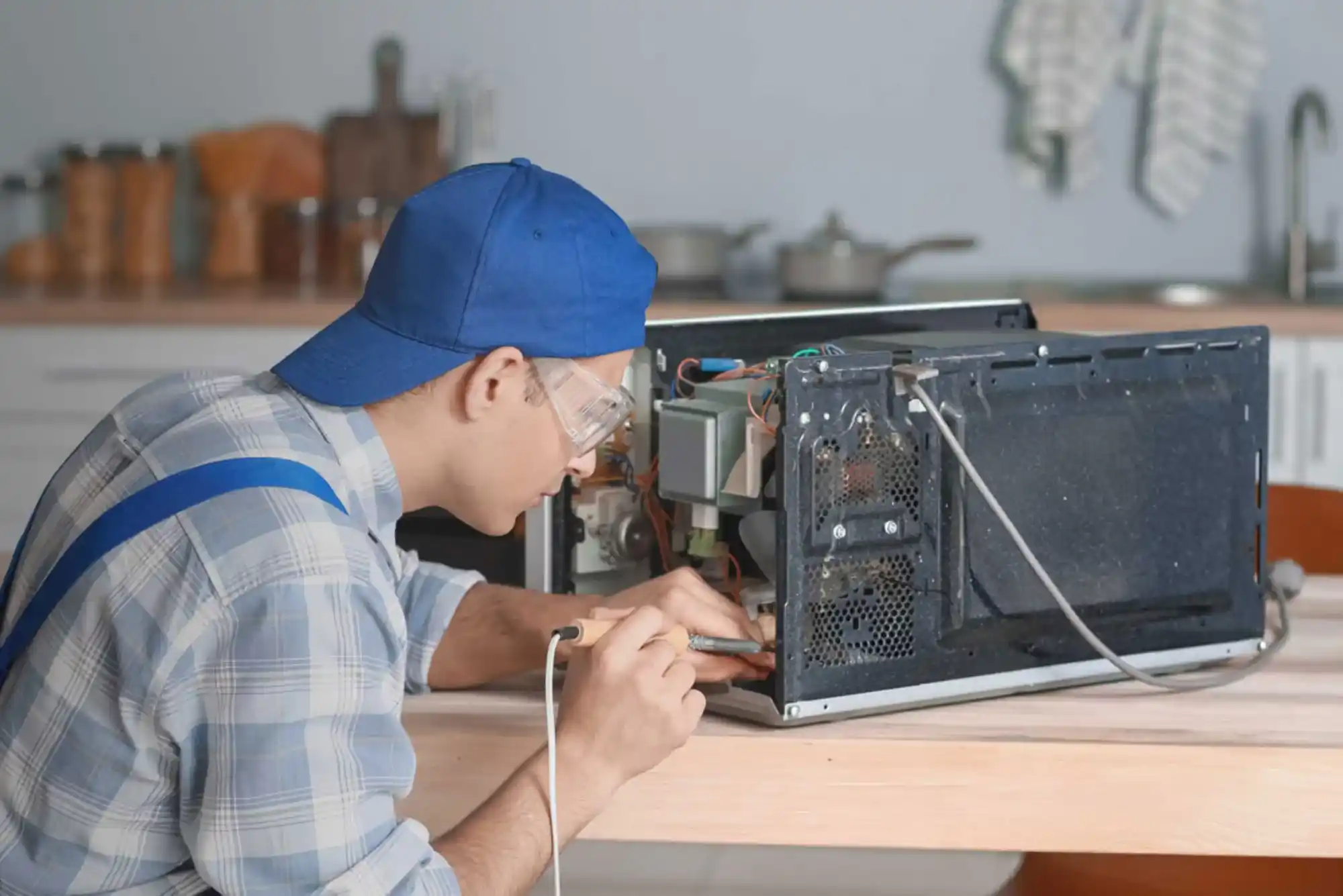
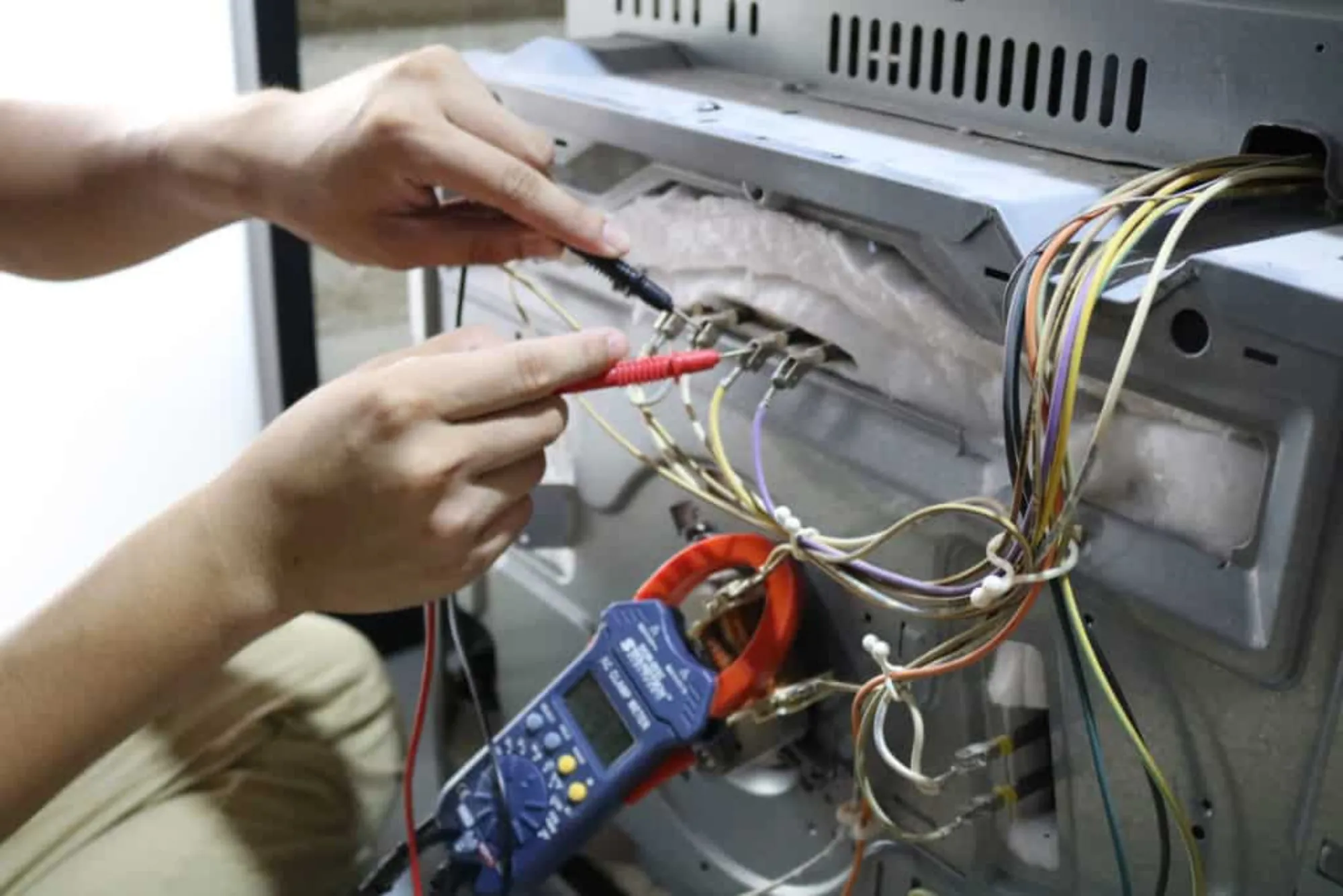
A visual inspection is the first step. Technicians often look for burn marks, melted plastic, or damaged wires near the relay. These signs indicate overheating or electrical arcing, confirming the need for relay replacement. If visible damage is not present, electrical testing can provide a more definitive diagnosis. Using a multimeter, the relay’s continuity and resistance levels can be measured. A relay that shows no continuity or irregular resistance under load is considered faulty and must be replaced.
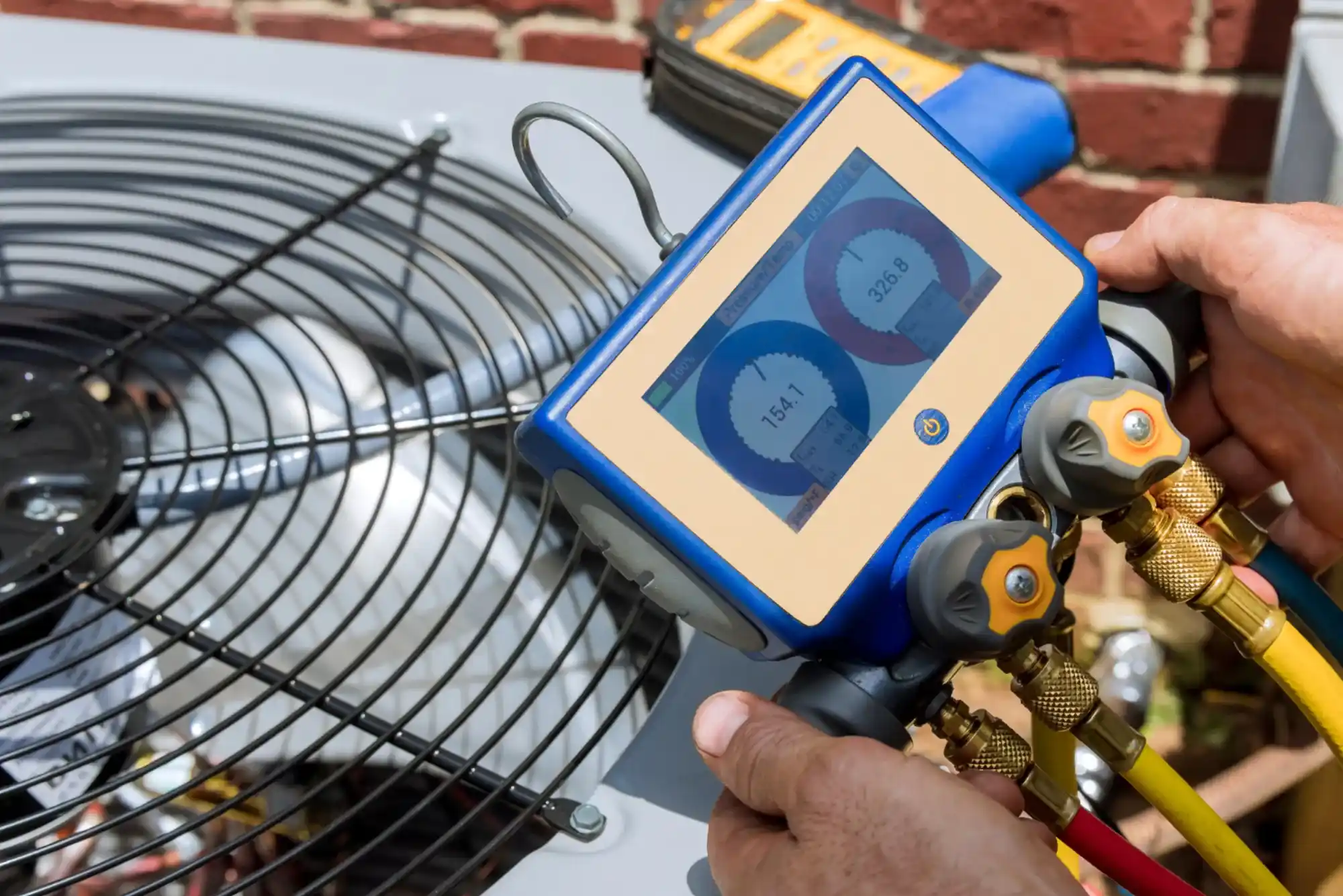
For more advanced diagnostics, some technicians use specialized testing equipment to simulate control board signals and monitor the relay’s response. This method ensures that the problem is not originating from the control board itself, which can mimic relay failure symptoms. Professional repair services often combine these approaches to ensure accurate diagnosis, preventing unnecessary replacement of components.
Professional Repair and Replacement
Once an oven relay problem is confirmed, professional repair or replacement is recommended. While some homeowners may attempt DIY repairs, the complexity of electrical components and the risk of injury make professional intervention the safer option. Experienced technicians can source genuine replacement parts and install them correctly, ensuring the oven operates efficiently and safely.
Replacement involves carefully removing the faulty relay from the control board or oven compartment and connecting the new relay according to manufacturer specifications. Technicians also check associated wiring and connectors for signs of wear or damage, preventing recurring problems. After replacement, the oven is thoroughly tested under various cooking cycles to confirm that the relay functions correctly, and that the appliance maintains consistent temperatures without unusual noises or interruptions.
Preventive Measures for Relay Longevity
Preventing oven relay problems begins with proper usage and maintenance. Avoiding frequent power fluctuations by using surge protectors or dedicated circuits can reduce electrical stress on the relay. Keeping the oven clean, especially the internal wiring and control board areas, prevents moisture or debris from causing short circuits or contact corrosion.
Regular inspections by certified appliance repair technicians also help identify early signs of relay wear before they escalate into complete failure. Monitoring cooking performance, such as noticing uneven heating or unusual noises, can alert homeowners to potential relay issues, allowing timely professional intervention.
The oven relay is a vital component that ensures safe and efficient cooking by regulating power to the heating elements. Diagnosing relay problems requires careful observation, electrical testing, and an understanding of the appliance’s electrical system. Common symptoms include inconsistent heating, unusual noises, and intermittent oven operation, while causes range from high-temperature exposure to electrical surges. Professional repair and replacement are essential for safety and reliability, with preventive measures extending the relay’s lifespan. By recognizing the signs of relay failure early and engaging skilled technicians for repairs, homeowners can maintain optimal oven performance and avoid costly appliance breakdowns.
For homeowners seeking professional assistance, services like Hafixer Home Appliances Repair provide expert solutions for diagnosing and fixing oven relay problems. With specialized knowledge and access to genuine parts, technicians ensure that every repair is safe, efficient, and long-lasting. Proper attention to oven maintenance, combined with timely professional intervention, ensures that your kitchen remains fully operational and your cooking experience remains consistent and reliable.