A Hisense refrigerator display fault can be frustrating, especially when the digital panel stops responding, shows incorrect temperature readings, or goes completely blank. Modern refrigerators are equipped with advanced electronic control systems that allow users to adjust temperature, activate special cooling modes, and monitor performance. When the display panel malfunctions, it not only creates inconvenience but may also indicate deeper electrical or technical issues inside the appliance.
Hisense refrigerators are known for their innovative technology and energy efficiency. However, like any electronic appliance, they are not immune to faults. A display problem does not always mean the refrigerator has stopped cooling, but it can affect temperature control and overall performance if left unresolved. Understanding the causes and solutions of display faults can help homeowners address the issue quickly and prevent further complications.
Understanding the Role of the Display Panel
The display panel in a Hisense refrigerator functions as the communication center between the user and the appliance. It allows you to monitor internal temperature, adjust cooling settings, control the freezer, and sometimes operate additional features like holiday mode or quick freeze. The panel is connected to the refrigerator’s main control board through wiring and sensors.
When the display becomes unresponsive, flickers, or shows error codes, it often signals a communication issue between the control board and the panel. In some cases, the refrigerator may continue cooling normally despite the display fault. However, ignoring the issue can eventually lead to improper cooling or complete system failure.
Common Causes of Hisense Refrigerator Display Fault
One of the most common reasons behind a Hisense refrigerator display fault is power fluctuation. Sudden voltage spikes or unstable electrical supply can damage sensitive electronic components. The display board and main PCB (Printed Circuit Board) are particularly vulnerable to electrical surges. Installing a voltage stabilizer can help protect your refrigerator from such risks.
Loose wiring connections inside the refrigerator can also cause display malfunctions. Over time, vibrations from the compressor and regular door usage may loosen internal connectors. When wiring connections are disrupted, the display may flicker, show incomplete information, or stop working entirely.
Another possible cause is a faulty control board. The main PCB acts as the brain of the refrigerator, managing cooling cycles, sensors, and the display interface. If the control board becomes damaged due to moisture, electrical issues, or component wear, the display may fail to function correctly. In such cases, professional diagnosis is required to confirm whether repair or replacement is necessary.
Moisture buildup behind the display panel is another factor that can lead to malfunction. Refrigerators operate in cold environments, and condensation can sometimes form inside electronic compartments. Excess moisture can damage delicate circuits, causing the screen to behave erratically or stop responding.
Display Showing Error Codes
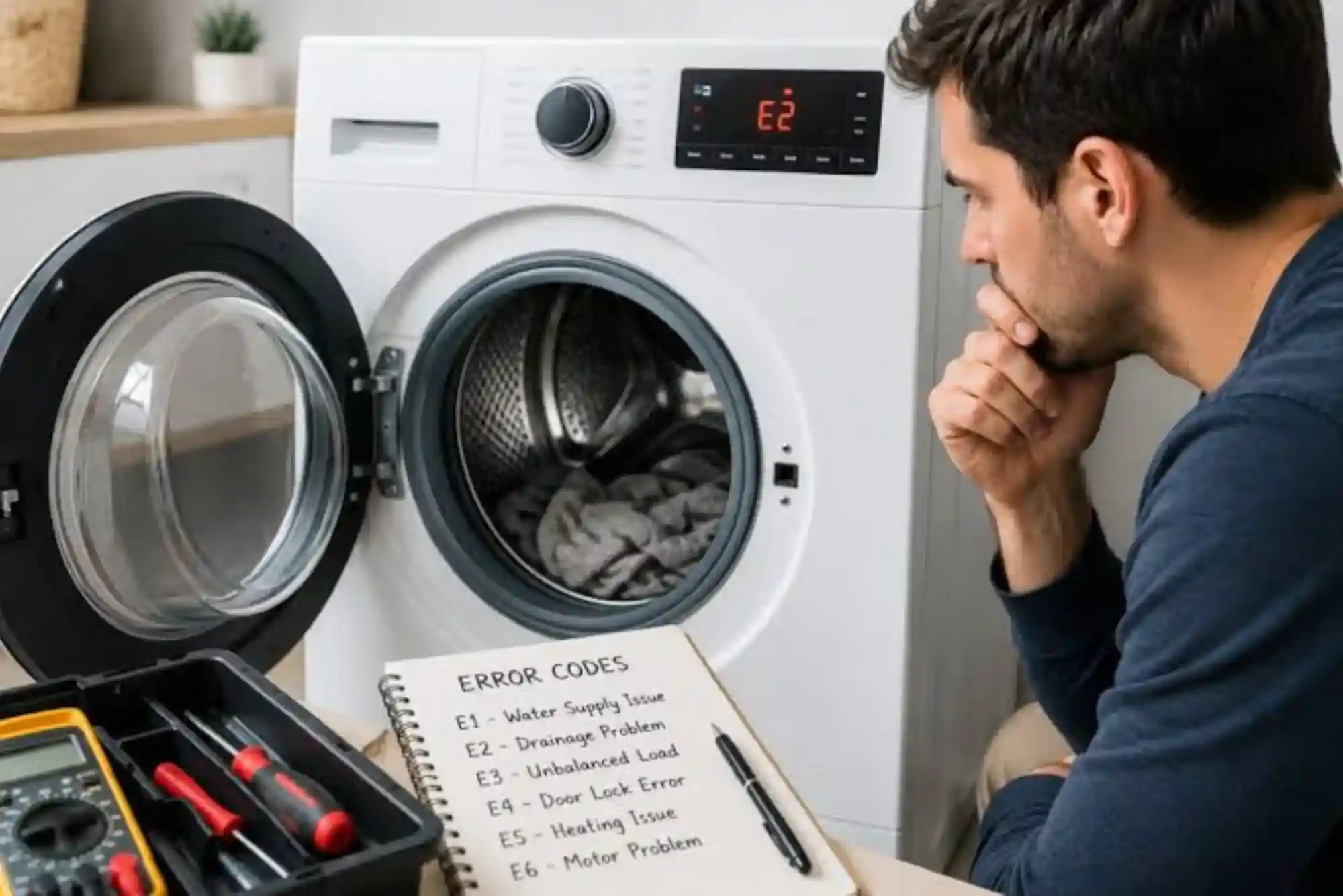
In many Hisense refrigerator models, display faults appear in the form of error codes. These codes are designed to alert users about internal issues such as sensor failure, fan malfunction, or temperature irregularities. While some error codes may be resolved by resetting the appliance, others require professional repair.
Resetting the refrigerator by unplugging it for a few minutes can sometimes clear minor software glitches. After reconnecting the power, the display may return to normal operation. However, if the error code reappears, it indicates a persistent technical issue that needs further attention.
Blank or Non-Responsive Display
A completely blank display panel is one of the most concerning problems for users. When the screen goes dark, it may indicate a power supply issue or internal board failure. Before assuming a major fault, checking the power outlet and ensuring the refrigerator is receiving electricity is essential.
Sometimes, the problem lies in the display board itself rather than the entire system. The cooling function may continue working even if the display panel has stopped functioning. In such cases, replacing the display board can restore full control without replacing the entire refrigerator.
Flickering or Dim Display Screen
A flickering or dim display screen often suggests unstable voltage or loose wiring. Electrical fluctuations can weaken the brightness of the LED or LCD panel. Over time, this issue may worsen and lead to complete display failure.
In some cases, aging components within the display module can also reduce brightness. If your Hisense refrigerator is several years old, wear and tear may be affecting the electronic panel. Professional inspection can determine whether the issue is repairable or requires part replacement.
Touch Panel Not Responding
Modern Hisense refrigerators often feature touch-sensitive control panels. If the touch buttons stop responding, the problem may be due to surface moisture, internal sensor malfunction, or software glitches. Cleaning the panel gently with a dry cloth can sometimes restore sensitivity if moisture or dirt is interfering with the touch sensors.
If cleaning does not solve the problem, the issue may lie within the touch control board. In such situations, expert repair services are recommended to avoid damaging the delicate circuitry.
Impact of Display Fault on Cooling Performance
While some display faults are purely cosmetic, others can directly affect cooling performance. If the display is unable to communicate with the main control board, temperature adjustments may not register correctly. This can result in inconsistent cooling, food spoilage, or freezer malfunction.
Monitoring internal temperature manually using a thermometer can help determine whether the cooling system is functioning properly despite display issues. If cooling performance declines along with display malfunction, immediate professional service is advisable.
Professional Diagnosis and Repair
Repairing a Hisense refrigerator display fault requires technical expertise. Electronic components inside the refrigerator are sensitive and interconnected. Attempting DIY repairs without proper knowledge can worsen the problem or create safety hazards.
Certified technicians use diagnostic tools to identify whether the issue lies in the display board, control PCB, wiring, or power supply. Replacing damaged components with genuine parts ensures long-term reliability and maintains manufacturer standards.
Preventive Maintenance to Avoid Display Faults
Regular maintenance can significantly reduce the risk of display faults. Protecting the refrigerator from voltage fluctuations using a stabilizer helps safeguard electronic components. Keeping the appliance in a dry environment prevents moisture buildup inside control panels.
Avoid slamming the refrigerator door, as excessive vibration can loosen wiring connections over time. Periodic servicing by professionals ensures that internal components remain secure and functional.
Cleaning the refrigerator’s exterior and control panel gently also helps maintain performance. Avoid using excessive water or harsh chemicals near the display area, as moisture can seep into electronic circuits.
When to Consider Replacement
If the refrigerator is older and multiple electronic components have started malfunctioning, replacing the appliance may be more cost-effective than repeated repairs. However, in many cases, display faults can be resolved by replacing a single component, making repair a practical solution.
Consulting a professional technician helps determine whether repair or replacement is the better option. A proper assessment prevents unnecessary expenses and ensures continued performance.
Ensuring Long-Term Performance
A Hisense refrigerator display fault can range from minor glitches to significant electronic failures. Identifying the root cause promptly prevents further damage and maintains cooling efficiency. Power fluctuations, loose wiring, faulty control boards, and moisture exposure are among the most common reasons behind display malfunctions.
By practicing preventive maintenance, protecting the appliance from voltage issues, and seeking professional repair when necessary, homeowners can ensure their Hisense refrigerator operates smoothly for years. Timely attention to display faults not only restores convenience but also safeguards food quality and appliance longevity.