A refrigerator is one of the most essential appliances in any modern home or commercial kitchen. From preserving fresh vegetables to maintaining frozen goods, it plays a critical role in everyday life. At the center of its cooling performance is a small yet powerful component known as the fridge temperature control knob. Although often overlooked, this simple control determines how efficiently the appliance maintains internal temperatures. When it malfunctions, food safety, energy efficiency, and appliance lifespan can all be affected. Understanding how this control works and recognizing the early signs of failure can help homeowners make informed decisions and seek timely fridge repair service when needed.
Understanding the Function of the Fridge Temperature Control Knob
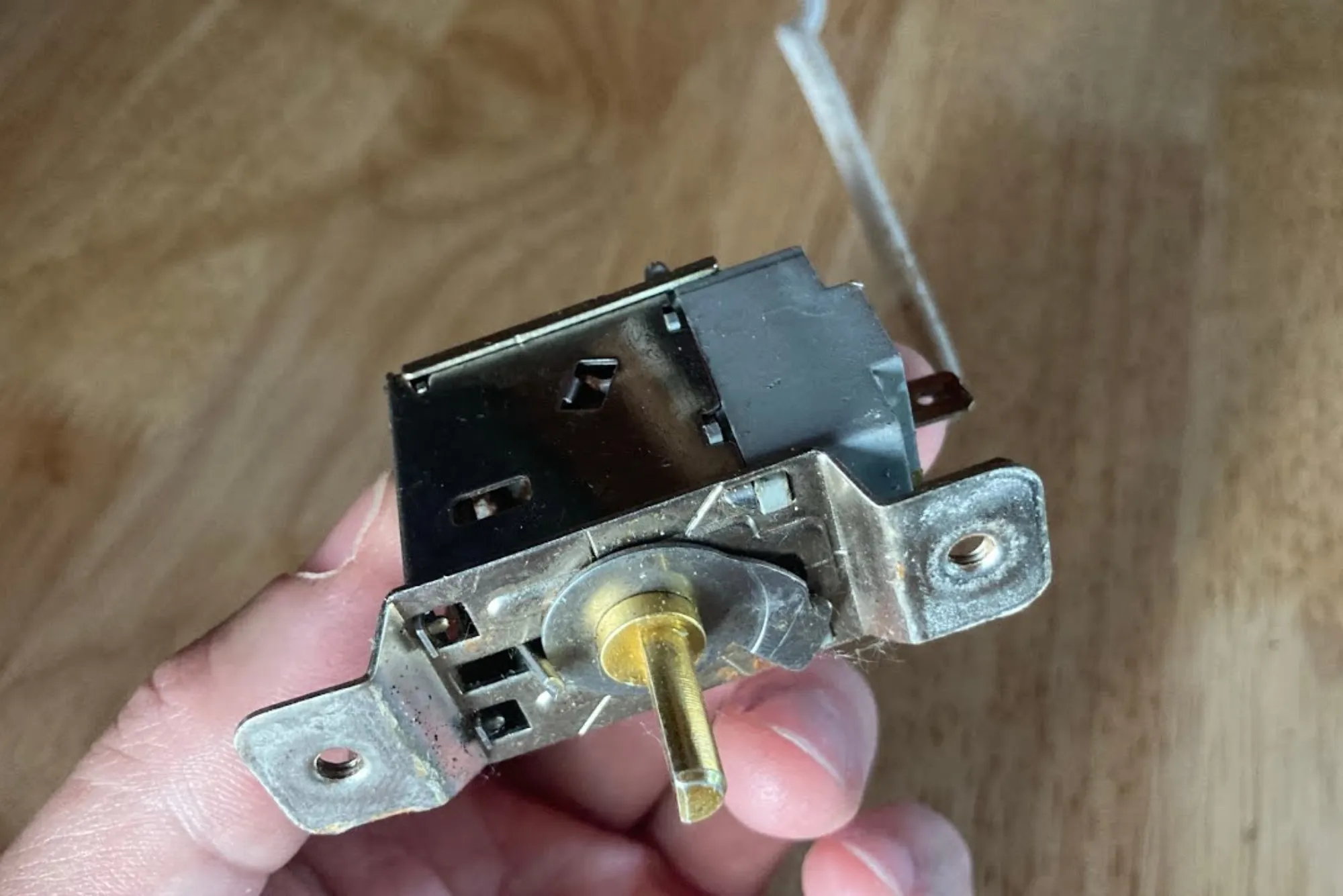
The fridge temperature control knob regulates the cooling cycle inside the refrigerator. It connects to the thermostat system and allows users to adjust the internal temperature according to seasonal changes or storage needs. When the knob is turned, it modifies the thermostat setting, instructing the compressor to run longer or shorter cycles.
In simple terms, a higher setting typically means colder temperatures because the compressor runs more frequently. A lower setting reduces the cooling intensity. This balance ensures that food remains fresh while preventing unnecessary strain on the compressor.
The temperature control knob may appear mechanical, but it is closely linked to internal electrical components. In older refrigerators, it is directly connected to a mechanical thermostat. In newer models, it may interact with electronic sensors that relay information to a digital control board. Regardless of design, the principle remains the same: the knob regulates cooling output.
Why Proper Temperature Regulation Matters
Maintaining the correct temperature is vital for food safety and energy efficiency. If the fridge temperature control knob is set too low, the refrigerator may not cool sufficiently. This can lead to spoiled food, unpleasant odors, and potential health risks. On the other hand, if the setting is too high, excessive cooling can cause freezing in the fresh food compartment and increase electricity consumption.
Consistent temperature regulation also reduces compressor workload. When the knob functions properly, the cooling cycle runs efficiently. If it fails, the compressor may run continuously, leading to overheating and possible breakdown. In such cases, immediate fridge repair service becomes necessary to prevent costly damage.
Common Problems with the Fridge Temperature Control Knob
Over time, the temperature control knob can develop issues due to wear and tear. Mechanical components can loosen, electrical connections may weaken, and dust accumulation can interfere with performance.
One common issue is inaccurate temperature response. You may turn the knob, but the fridge does not cool more or less as expected. This often indicates a faulty thermostat or a worn internal switch.
Another frequent problem is a stuck or broken knob. Plastic knobs can crack or detach from the control shaft. While this may seem minor, it prevents precise temperature adjustment.
In some cases, the refrigerator may not cool at all. This could mean that the thermostat connected to the knob has failed entirely. If left unaddressed, such faults can escalate, requiring professional fridge repair service to restore normal operation.
Signs That Indicate a Faulty Temperature Control Knob
Homeowners should pay attention to subtle changes in cooling performance. If food spoils quickly despite proper storage, the temperature setting may not be functioning correctly. Ice buildup in the refrigerator compartment can also signal incorrect regulation.
Another indicator is unusual compressor behavior. If the motor runs continuously without cycling off, the thermostat may not be receiving accurate instructions from the knob. Conversely, if the fridge rarely runs and the interior feels warm, the control may not be activating the compressor at all.
Unusual clicking sounds when adjusting the knob can point to internal wear. Electrical burning smells should never be ignored, as they may signal wiring problems connected to the control mechanism. In these situations, seeking professional fridge repair service ensures safe diagnosis and repair.
The Difference Between Mechanical and Electronic Controls
Modern refrigerators may feature digital temperature settings instead of traditional knobs. However, many models still rely on mechanical controls due to their durability and simplicity.
Mechanical knobs operate through a direct connection to a thermostat. They are generally easier to replace and repair. Electronic systems, on the other hand, use sensors and control boards. While more precise, they can be more complex to troubleshoot.
Regardless of design, temperature regulation remains critical. When electronic controls fail, professional fridge repair service is often required due to the involvement of advanced circuitry. Mechanical systems may allow simpler part replacements, but proper calibration is still essential to maintain efficiency.
How Environmental Factors Affect Temperature Settings
External conditions influence refrigerator performance. During summer months, higher ambient temperatures require stronger cooling cycles. Many users adjust the fridge temperature control knob to compensate for increased heat.
In winter, lower ambient temperatures may require slight reductions in cooling intensity. Failing to adjust settings seasonally can result in unnecessary compressor strain or uneven cooling.
Humidity also plays a role. Excess moisture in the air can increase condensation inside the fridge, affecting internal temperature balance. Correct knob adjustment helps maintain optimal performance throughout changing weather conditions.
The Importance of Professional Diagnosis
While adjusting the temperature control knob may seem straightforward, diagnosing internal faults requires expertise. Attempting to repair thermostat connections without proper knowledge can lead to further damage or electrical hazards.
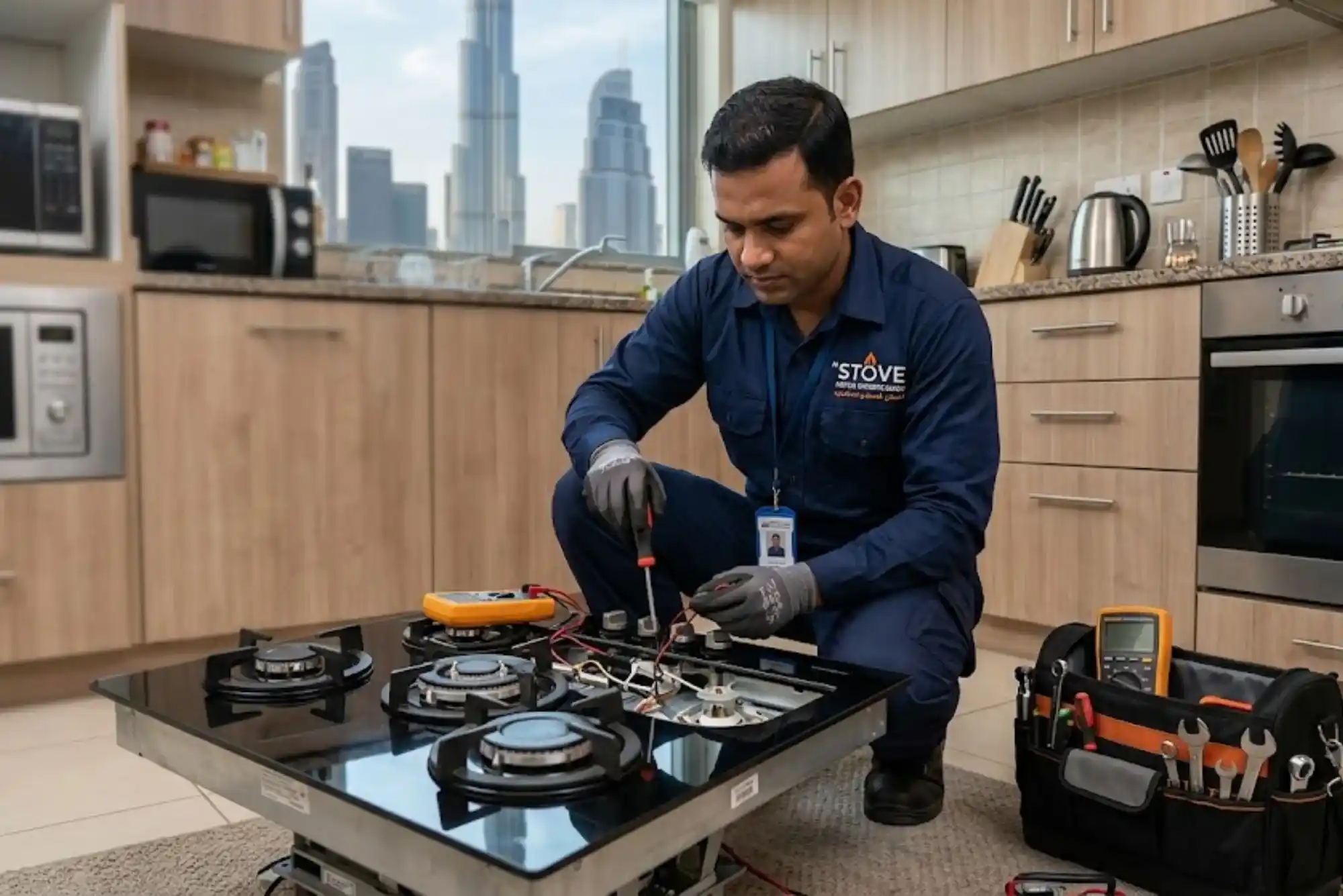
A professional fridge repair service technician conducts thorough inspections, checking wiring, thermostat continuity, and compressor function. They ensure accurate calibration so that the temperature setting corresponds precisely to internal cooling levels.
Professional repairs also extend the appliance’s lifespan. Rather than replacing the entire refrigerator due to cooling problems, targeted repair of the control mechanism can restore full functionality at a fraction of the cost.
Preventive Maintenance for Long-Term Efficiency
Regular maintenance plays a key role in preventing temperature control issues. Cleaning the interior, avoiding overloading shelves, and ensuring proper air circulation all contribute to stable cooling.
It is also important to keep condenser coils clean. Dust accumulation forces the compressor to work harder, making temperature regulation less efficient. Even a perfectly functioning fridge temperature control knob cannot compensate for blocked airflow or poor ventilation.
Routine inspections by a reliable fridge repair service help detect minor faults before they escalate. Early detection saves time, money, and inconvenience.
Energy Efficiency and Temperature Accuracy
Energy consumption is directly related to temperature settings. When the knob is set higher than necessary, the refrigerator consumes more electricity. Over time, this increases utility bills and environmental impact.
Maintaining a moderate setting recommended by manufacturers ensures food safety without excessive power use. If you notice a sudden spike in energy bills, it may indicate that the temperature control system is malfunctioning. Consulting a professional fridge repair service can identify and resolve the issue quickly.
Accurate temperature control also protects sensitive food items such as dairy products, meats, and frozen goods. Stable cooling prevents bacterial growth and maintains nutritional value.
When Replacement Becomes Necessary
In some cases, the temperature control knob or thermostat may be beyond repair. Persistent cooling issues despite multiple adjustments often indicate deeper electrical failure.
A professional technician can determine whether replacing the control unit is sufficient or if additional components require attention. Modern replacement parts are designed for durability and improved efficiency.
Timely replacement through a trusted fridge repair service prevents secondary damage to compressors and evaporator systems. Delaying repair can lead to more extensive and costly breakdowns.
Choosing the Right Fridge Repair Service
Selecting an experienced and reputable fridge repair service is crucial for long-term reliability. Skilled technicians understand both traditional mechanical systems and advanced digital controls. They use proper diagnostic tools to ensure precise repairs.
Professional service providers also offer warranties on parts and labor, providing peace of mind. Transparent pricing, prompt response times, and customer-focused support distinguish high-quality service companies from inexperienced operators.
When choosing a service provider, prioritize expertise, certification, and positive customer feedback. Proper repair not only restores cooling efficiency but also protects your investment.
The fridge temperature control knob may appear small and simple, yet it plays a central role in refrigerator performance. From regulating compressor cycles to maintaining food safety, this component ensures balanced cooling throughout the appliance.
Ignoring early signs of malfunction can lead to spoiled food, increased energy costs, and potential mechanical failure. Regular maintenance, seasonal adjustments, and professional diagnosis are essential for sustained efficiency.