DIY vs. Professional AC Repair: What You Need to Know
Air conditioners are essential appliances, especially in hot and humid climates where comfort, health, and indoor air quality depend heavily on effective cooling. When your AC starts malfunctioning—whether it’s a drop in cooling efficiency, strange noises, or complete shutdown—you’re faced with a critical decision: should you attempt a do-it-yourself (DIY) repair or hire a professional AC technician?
Understanding the pros and cons of both approaches is essential before opening up your unit or scheduling a service call. While DIY solutions may seem more cost-effective at first glance, professional repair brings expertise, safety, and reliability to the table. This article breaks down what every homeowner or tenant should know before choosing the best course of action.
Understanding the Scope of DIY AC Repairs
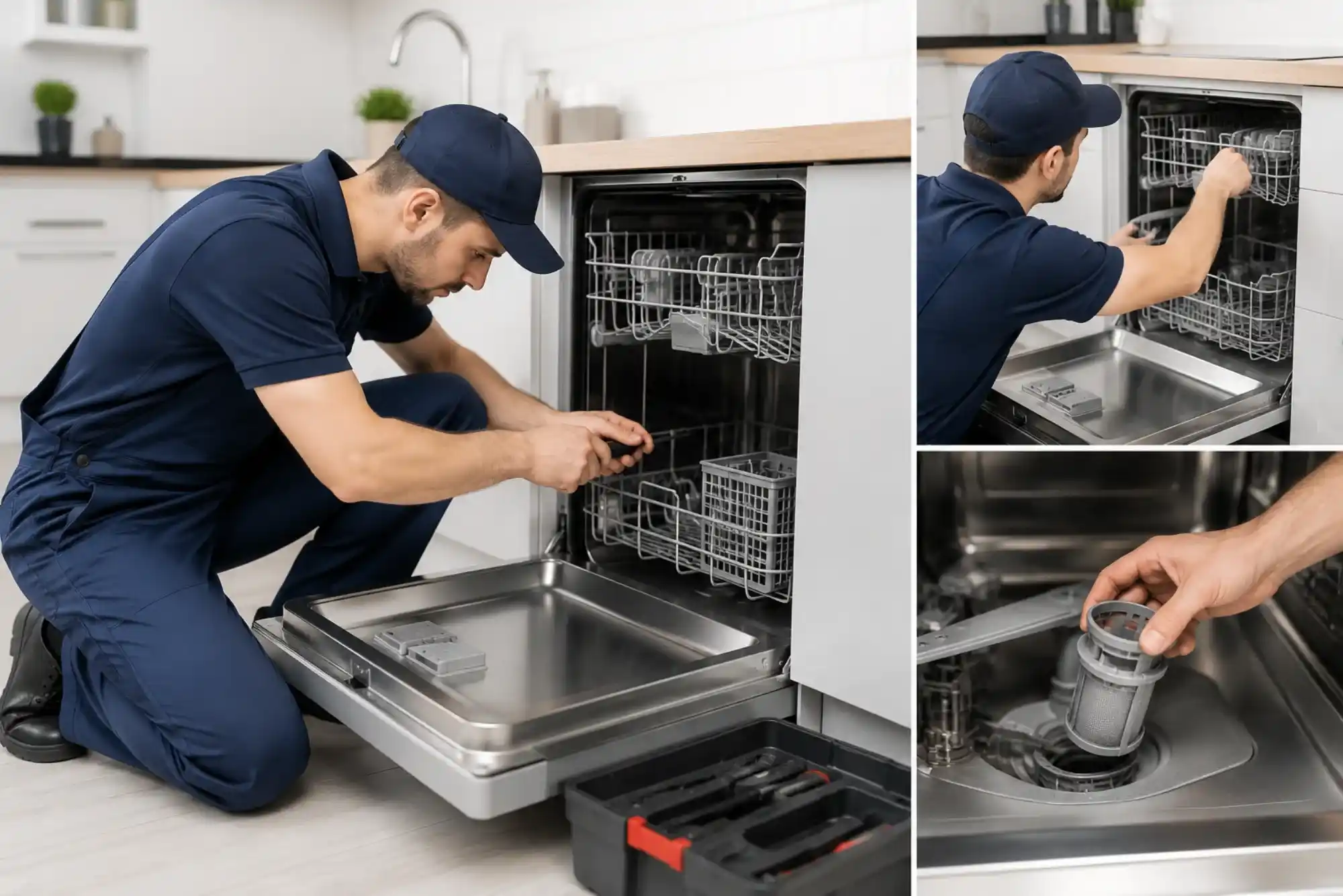
DIY AC repairs usually involve minor maintenance tasks that do not require specialized tools or certification. Cleaning filters, removing debris from condenser units, or checking thermostat settings fall into this category. These tasks are typically safe, manageable, and necessary for the ongoing health of your AC system.
However, DIY troubleshooting can be risky once it moves beyond basic maintenance. Many homeowners are tempted to address refrigerant issues, replace electrical components, or dismantle key parts of the system. Without proper knowledge and training, such efforts can lead to safety hazards, void warranties, or cause long-term damage that costs more to fix later.
Common Risks Associated with DIY AC Repair
One of the most underestimated aspects of DIY AC repair is the risk involved. Air conditioning units are complex machines that require precise handling. Refrigerants, for instance, are highly pressurized chemicals that can be dangerous if not managed correctly. Additionally, improper handling of electrical circuits inside an AC unit can result in electric shock or fire hazards.
A common misconception is that online tutorials can equip you with all the necessary skills to repair your air conditioner. While these resources are useful for learning the basics, they often oversimplify the real technicalities involved. Mismatched parts, incorrect wiring, and mishandled refrigerant levels can not only make the issue worse but also reduce the lifespan of your system.
The Value of Professional Experience
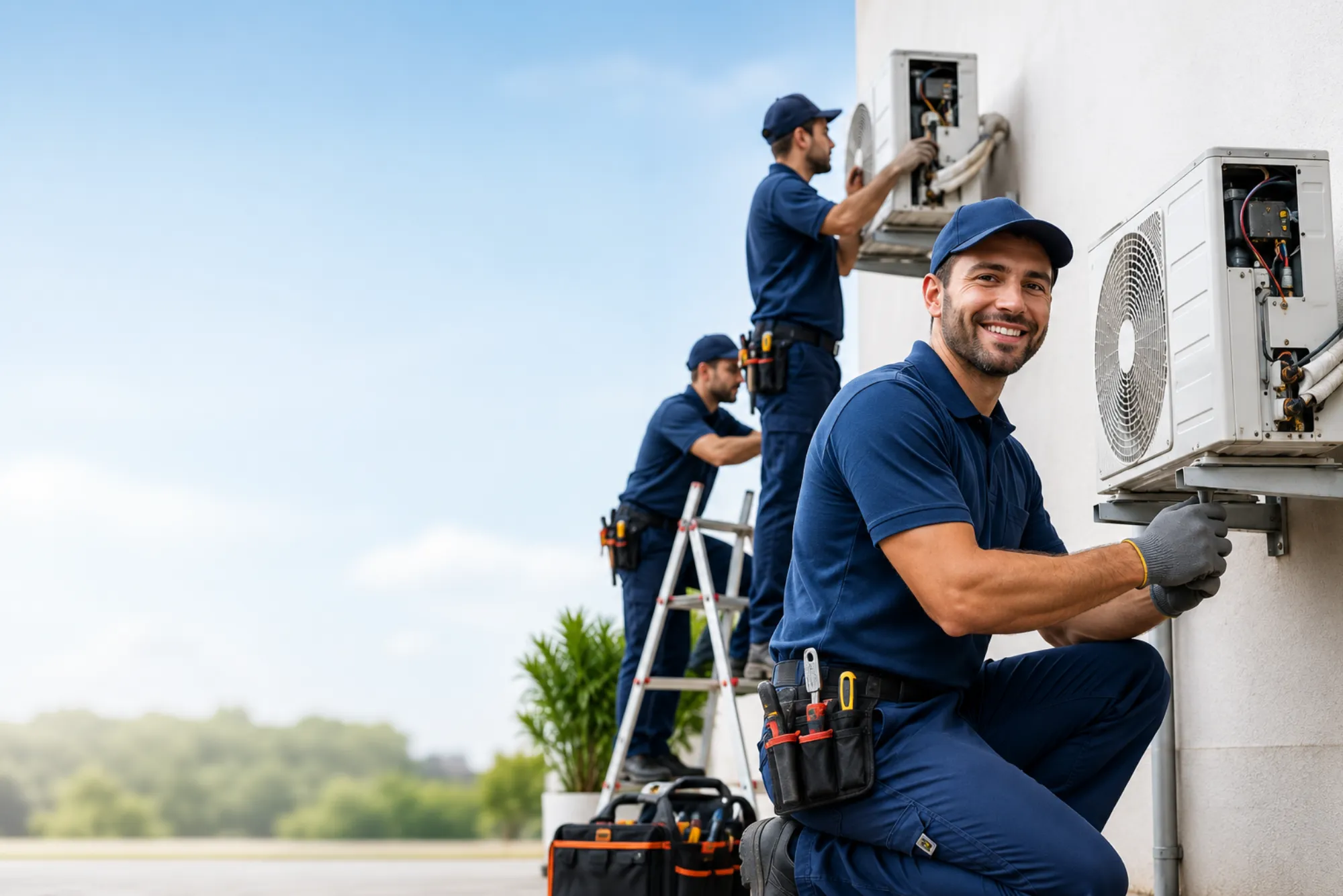
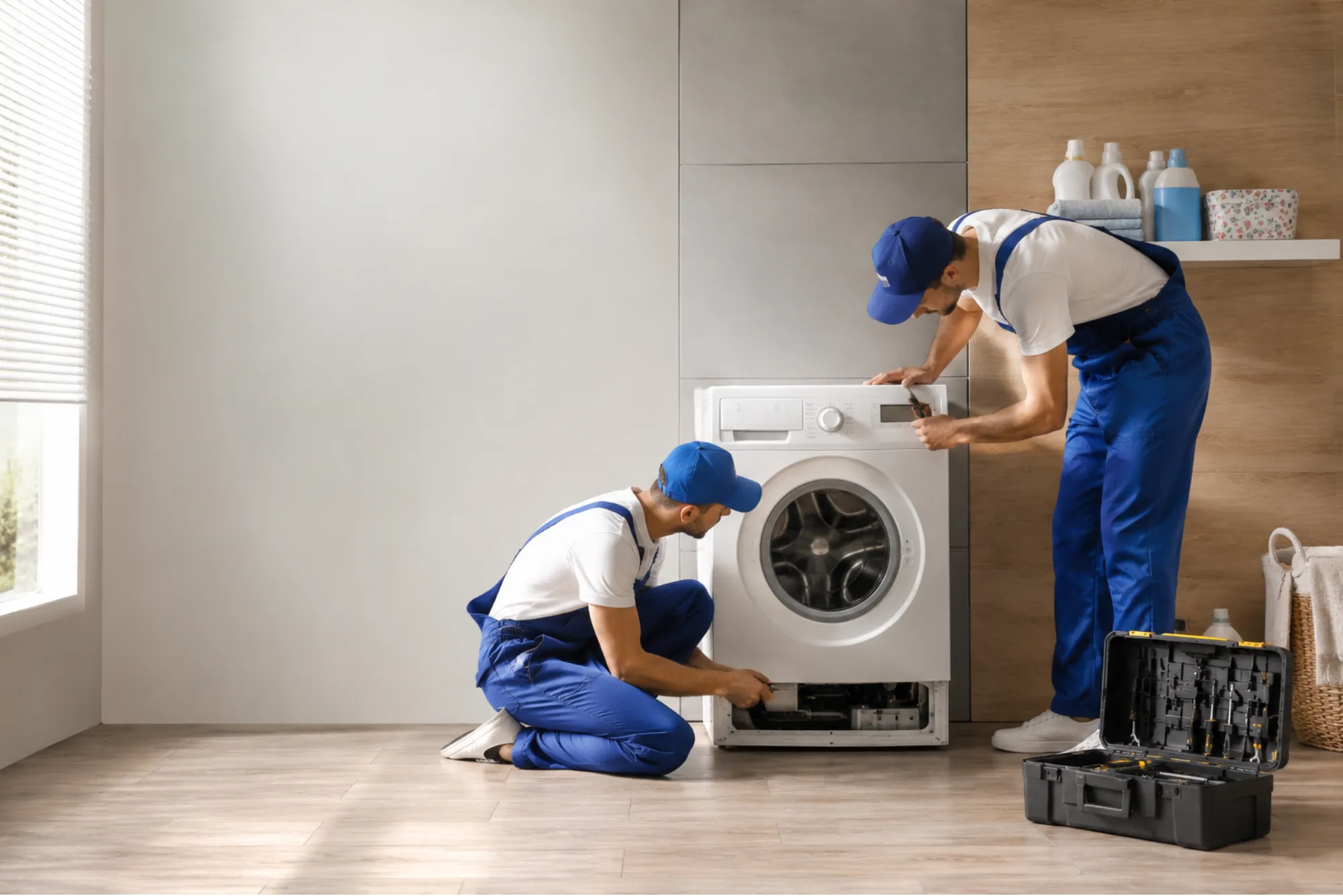
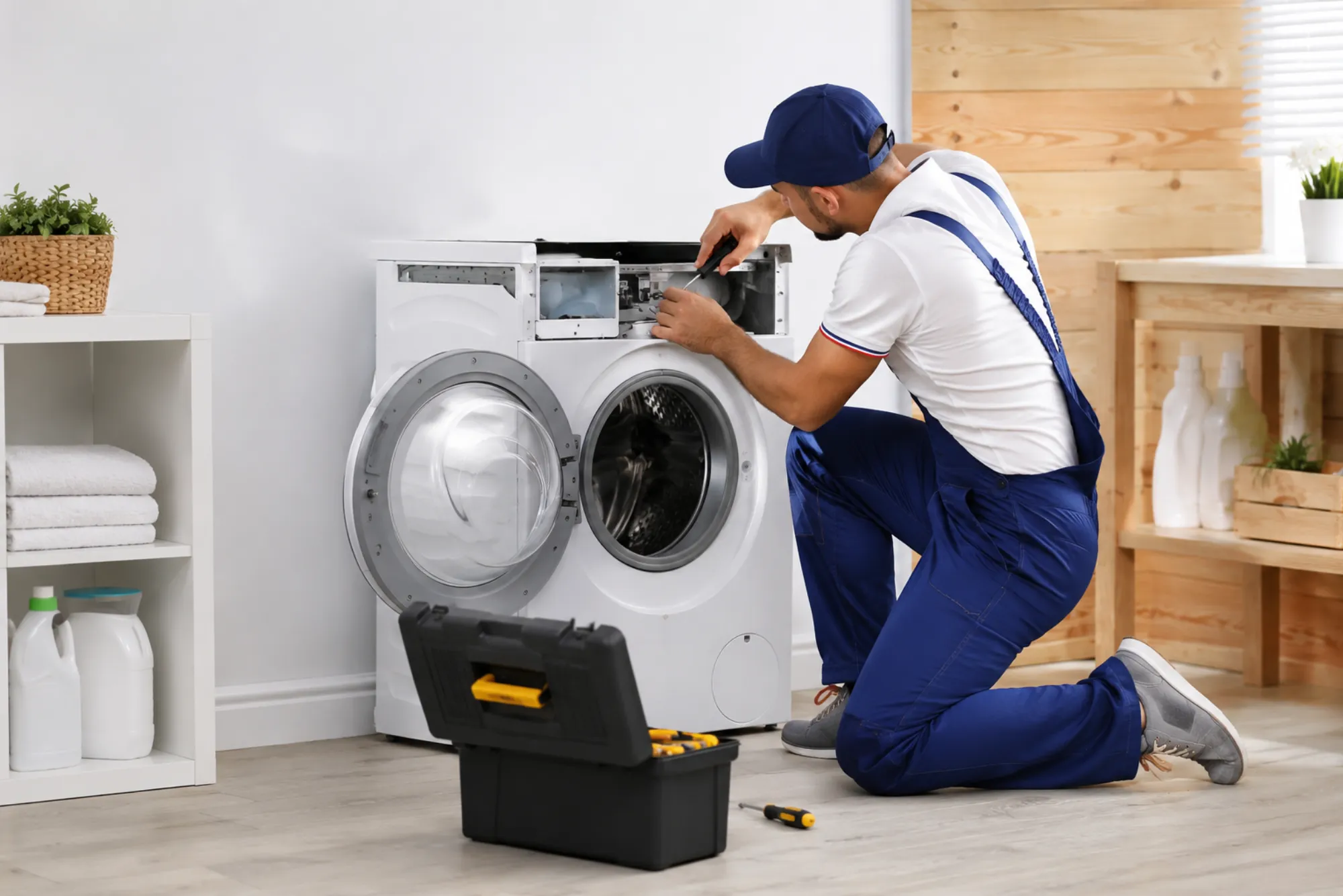
Professional AC technicians are trained, licensed, and experienced in handling all aspects of air conditioning repair. Their knowledge goes beyond the superficial symptoms—they can accurately diagnose hidden problems that a homeowner might overlook. This level of diagnostic precision helps avoid unnecessary repairs and ensures that the real issue is resolved from the start.
Moreover, professional technicians have access to specialized tools and industry-grade equipment that aren’t typically available to the average DIY enthusiast. This allows them to carry out repairs more efficiently, ensuring the system returns to optimal performance without delay.
Cost Considerations: DIY May Not Always Save Money
Many people lean toward DIY repairs to save money. While it’s true that skipping a service fee might reduce immediate expenses, this strategy can backfire if the repair is done incorrectly. A failed DIY fix may cause additional damage, leading to higher costs for parts, labor, and system restoration in the long run.
In contrast, professional AC repair services often come with warranties on both labor and parts. This added protection gives peace of mind and eliminates the risk of paying twice for the same issue. Over time, professional repairs may prove more cost-effective when you factor in accuracy, time saved, and the avoidance of further complications.
Safety and Compliance with Local Regulations
Air conditioning systems, especially those that use refrigerants like R-410A or R-22, are regulated under local and international safety codes. Only certified professionals are legally permitted to handle refrigerants due to their environmental impact and chemical hazards. Engaging in DIY repair without proper certification may not only be dangerous but also violate legal requirements.
Professional repair services ensure compliance with these standards. Technicians follow established protocols, ensuring that every repair is done in accordance with safety codes. This is particularly important in Dubai and other Gulf regions, where regulatory frameworks are strictly enforced for environmental safety and appliance longevity.
Long-Term Performance and Efficiency
The quality of repair directly impacts your AC system’s energy efficiency and long-term performance. Poorly executed DIY repairs may restore short-term functionality but often reduce overall system efficiency. An overworked compressor, imbalanced air flow, or incorrect refrigerant level can cause your energy bills to rise without you realizing the cause.
On the other hand, a professional technician will not only fix the problem but also assess your entire AC system for performance optimization. This includes checking air pressure, duct flow, electrical integrity, and thermostat calibration—all of which contribute to your unit’s efficiency and lifespan. Investing in professional care can lead to significant savings over time in both energy consumption and future repairs.
Warranty and Insurance Protection
Another key difference between DIY and Professional AC Repair is the impact on warranties and insurance policies. Most manufacturers void product warranties if the repair is not done by a certified technician. Even if your system is still under warranty, performing a DIY repair might permanently remove any coverage, making you solely responsible for future issues.
Furthermore, homeowner’s insurance might not cover damages resulting from unauthorized repairs. If an AC unit catches fire due to faulty wiring done during a DIY repair, your insurance claim could be denied. Hiring a licensed technician ensures that your appliance is serviced according to manufacturer standards and preserves your warranty rights.
Time and Convenience
Time is a resource often underestimated in DIY projects. Diagnosing, researching, purchasing tools, and performing the repair can take several hours or even days, especially for someone without prior experience. For busy professionals or families, this becomes a burden that outweighs the potential cost savings.
Professional services are designed for convenience. Most companies offer same-day or next-day service, especially during peak summer months when AC problems are common. Technicians come prepared with the tools and parts needed to complete repairs swiftly and with minimal disruption to your routine.
When DIY Works and When It Doesn’t
There’s no harm in taking a hands-on approach when it comes to basic AC maintenance. Tasks like cleaning or replacing filters, clearing drain lines, or adjusting the thermostat can be done safely by most homeowners. These small steps actually help prevent bigger problems and reduce the frequency of breakdowns.
However, when it comes to complex repairs such as gas leaks, faulty capacitors, circuit issues, or cooling failures, it is always best to consult a professional. These issues require deep understanding, safety protocols, and precision that only trained technicians can offer.
Conclusion: Making the Right Decision for Your AC System
The choice between DIY and professional AC repair ultimately comes down to the nature of the issue, your own level of expertise, and how much risk you’re willing to take. While minor maintenance is suitable for DIY, anything involving technical diagnostics, electrical work, or refrigerants should be handled by certified professionals.
Relying on professional AC repair ensures not only safety and compliance but also delivers long-term performance, warranty protection, and peace of mind. In the hot climates of Dubai and beyond, where air conditioning is a necessity, choosing quality service over shortcuts is a smart investment in comfort and reliability.