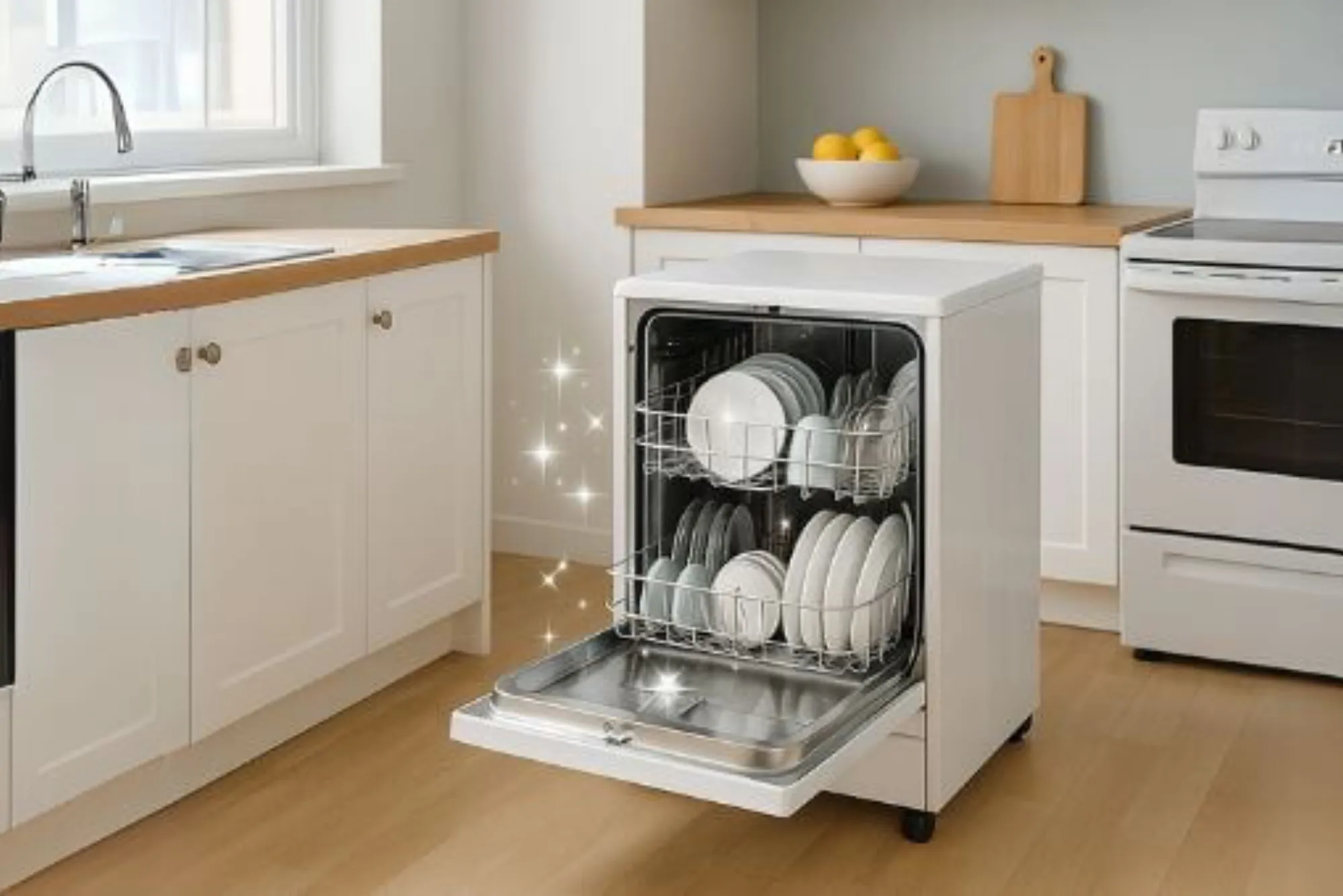
Modern dishwashers have become a vital part of daily home life, taking away the stress of handwashing dishes and saving valuable time. However, one of the most common complaints homeowners have is the noise that comes with running a dishwasher.
The constant humming, rattling, and splashing can be distracting, especially in open-concept kitchens where the sound travels throughout the living area. Fortunately, there are practical ways to minimize these noises without needing to invest in a brand-new appliance. With a few do-it-yourself soundproofing techniques, you can significantly reduce dishwasher noise and create a more peaceful kitchen environment.
Understanding Dishwasher Noise
Before diving into soundproofing solutions, it is essential to understand why dishwashers produce noise in the first place. A dishwasher contains multiple moving parts, including the motor, pump, water spray arms, and drainage system. Each of these components generates vibrations and sound. Additionally, the water rushing in and out of the appliance can contribute to the overall noise level. If your dishwasher is not installed properly or lacks insulation, the sound can echo even more.
While manufacturers design new dishwashers with better insulation and quieter motors, older models may lack advanced sound-dampening features. That does not mean you need to replace your current unit immediately; instead, you can use DIY soundproofing methods to bring the noise down to a comfortable level.
Assessing the Current Installation
One of the first steps to reducing dishwasher noise is to inspect how the appliance has been installed. If the dishwasher is not securely fastened in its cabinet space, it may vibrate against nearby surfaces, producing additional sound. Loose or misaligned panels can also amplify rattling. Ensuring that the dishwasher sits evenly and tightly in its designated spot helps prevent unnecessary vibrations.
Check the floor underneath and the surrounding cabinetry as well. Hardwood and tiled floors can reflect sound more than carpeted surfaces, while hollow cabinetry may amplify vibrations like a speaker. Recognizing these issues will guide you toward the right soundproofing approach.
Adding Insulation Around the Dishwasher
One of the most effective ways to dampen dishwasher noise is to add insulation around the appliance. Many dishwashers come with a thin insulation blanket wrapped around the unit, but this material may wear out over time or may not provide sufficient sound reduction. Replacing or upgrading the insulation can make a noticeable difference.
Fire-resistant insulation blankets designed specifically for appliances are available and can be installed on top and around the sides of the dishwasher. These blankets absorb sound waves and reduce vibrations before they escape into your kitchen. For DIY soundproofing, ensure that the material you choose is safe for high-heat areas and moisture-resistant to avoid potential damage or hazards.
Sealing Gaps and Openings
Sound often escapes through small gaps around the dishwasher door, sides, and base. If your dishwasher was installed with unsealed spaces between the cabinet walls or underneath the unit, noise can easily leak into the room. Using weather-stripping tape or silicone sealant around these openings helps contain the sound.
Additionally, check the dishwasher door gasket, which is the rubber seal that runs along the edge of the door. A worn-out gasket not only allows noise to escape but can also cause water leaks. Replacing the gasket is a simple and inexpensive solution that provides both soundproofing and improved efficiency.
Using Anti-Vibration Pads
Vibrations from the dishwasher motor and pump often transfer to the floor and surrounding cabinetry, increasing noise levels. Anti-vibration pads are a practical DIY solution that can be placed under the dishwasher to absorb these vibrations. These pads are made from dense rubber or foam materials designed to reduce mechanical noise.
By lifting the dishwasher slightly off the hard floor surface, these pads create a buffer that prevents sound from echoing throughout the kitchen. Combining them with insulation and proper sealing further enhances the overall soundproofing effect.
Soundproofing the Kitchen Environment
Sometimes, the issue is not just the dishwasher itself but how sound travels throughout the kitchen. Open layouts with hard surfaces can make even moderate noise seem louder. Adding sound-absorbing elements to the room helps soften the impact.
Installing soft furnishings such as curtains, rugs, or wall panels reduces echo and keeps the noise contained. Acoustic wall panels or foam tiles can also be added discreetly to the inside of cabinetry near the dishwasher for extra absorption. While these changes do not directly affect the dishwasher, they significantly improve the acoustics of the room.
Maintaining the Dishwasher for Quieter Operation
Soundproofing is not just about adding insulation; proper maintenance also plays a key role in keeping your dishwasher quiet. Over time, parts can loosen, clog, or wear out, leading to louder operation. Regularly cleaning the filters, checking the spray arms for blockages, and tightening screws can prevent excessive rattling.
If you notice unusual grinding or squeaking noises, it may be a sign of a mechanical issue that needs attention. Replacing faulty parts such as the pump or motor can restore the appliance’s efficiency and reduce noise. Keeping the dishwasher well-maintained ensures that soundproofing methods work to their full potential.
Choosing the Right Detergent and Loading Technique
Interestingly, the way you load your dishwasher and the type of detergent you use can influence how much noise the appliance makes. Overloading the racks can cause dishes to clank together during the wash cycle, while lightweight plastic items may rattle when water sprays against them. Loading dishes properly with enough space between them minimizes unnecessary noise.
Additionally, using high-quality dishwasher detergent helps reduce the amount of residue buildup inside the machine. A cleaner interior means smoother water flow and fewer clogs, which translates into quieter operation.
When to Consider Professional Help
While DIY soundproofing methods can make a significant difference, there are cases where professional assistance is necessary. If your dishwasher continues to make unusually loud noises despite insulation, sealing, and maintenance, it may be due to internal mechanical issues. Professional appliance technicians can inspect the motor, pump, and drainage system to ensure everything functions correctly.
In some situations, investing in a newer, energy-efficient, and low-decibel dishwasher might be the most cost-effective long-term solution. Modern dishwashers are designed with advanced soundproofing features that operate almost silently, making them ideal for open-plan kitchens.
Final Thoughts
A noisy dishwasher can disrupt the comfort of your home, but with the right strategies, you can minimize the sound without replacing your appliance. By inspecting the installation, adding insulation, sealing gaps, using anti-vibration pads, and maintaining the machine, you can enjoy a much quieter kitchen environment.
DIY dishwasher soundproofing not only reduces noise but also enhances efficiency, extends the life of the appliance, and contributes to a more relaxing home atmosphere. Whether you take small steps such as replacing door gaskets or go further with full insulation, each effort brings you closer to a more peaceful living space.