Modern ovens have become more advanced than ever before, offering precision in cooking, digital controls, and safety features that make everyday kitchen tasks easier. However, with this technology comes the use of error codes—alphanumeric signals displayed on the oven’s screen whenever something goes wrong. While these codes may look confusing, they are designed to provide important information about your oven’s condition and guide you toward the necessary repair.
Understanding what these oven error codes mean can help you avoid unnecessary panic, ensure timely maintenance, and decide whether the problem is something simple you can fix or an issue that requires professional service. This article explores the most common oven error codes, why they appear, how they affect performance, and the importance of seeking expert repair for long-lasting solutions.
The Role of Error Codes in Modern Ovens
Oven manufacturers have integrated self-diagnostic systems into their appliances to make troubleshooting easier. Instead of leaving users guessing, these built-in systems detect malfunctions and display a specific code. Each code points to a potential problem with the appliance, whether it is electrical, mechanical, or related to temperature regulation. For example, an error code might indicate a faulty sensor, a problem with the control board, or an issue with the heating element. Without such signals, a small fault could go unnoticed and eventually lead to bigger, costlier repairs. By learning about these codes, you not only gain insight into the oven’s condition but also prevent further damage by acting promptly.
Common Reasons Behind Oven Error Codes
While the specific codes vary by brand and model, most ovens encounter similar types of issues. Many error codes appear when there are temperature sensor malfunctions because the oven cannot read or regulate temperature correctly. Others occur due to failures in the electronic control board, which functions as the brain of the appliance. If this part malfunctions, the oven may lose communication with its components. Faulty heating elements are another common cause, since a damaged bake or broil element will prevent the oven from reaching the right temperature. In some cases, a door lock problem during the self-cleaning cycle will trigger an error message. Electrical faults such as wiring issues or inconsistent power supply may also cause the display of warning codes.
Though some of these problems may seem minor, they can quickly escalate if left unattended. A malfunctioning temperature sensor may lead to unevenly cooked meals, while a faulty control board could stop the oven entirely.
Why Error Codes Should Never Be Ignored
It is tempting to dismiss oven error codes as minor inconveniences, especially if the appliance still seems to work. However, ignoring these signals can be costly and even dangerous. An oven with unresolved issues may consume more energy, cook food unevenly, or create fire hazards. Attempting to use an oven with a malfunctioning control board or heating element can cause further internal damage, making repairs more complicated and expensive. In gas ovens, overlooking error codes connected to ignition or flame sensors can pose serious safety risks.
By paying attention to these error codes and scheduling professional service promptly, you can protect your appliance, your kitchen, and your family’s safety.
The Importance of Professional Oven Repair
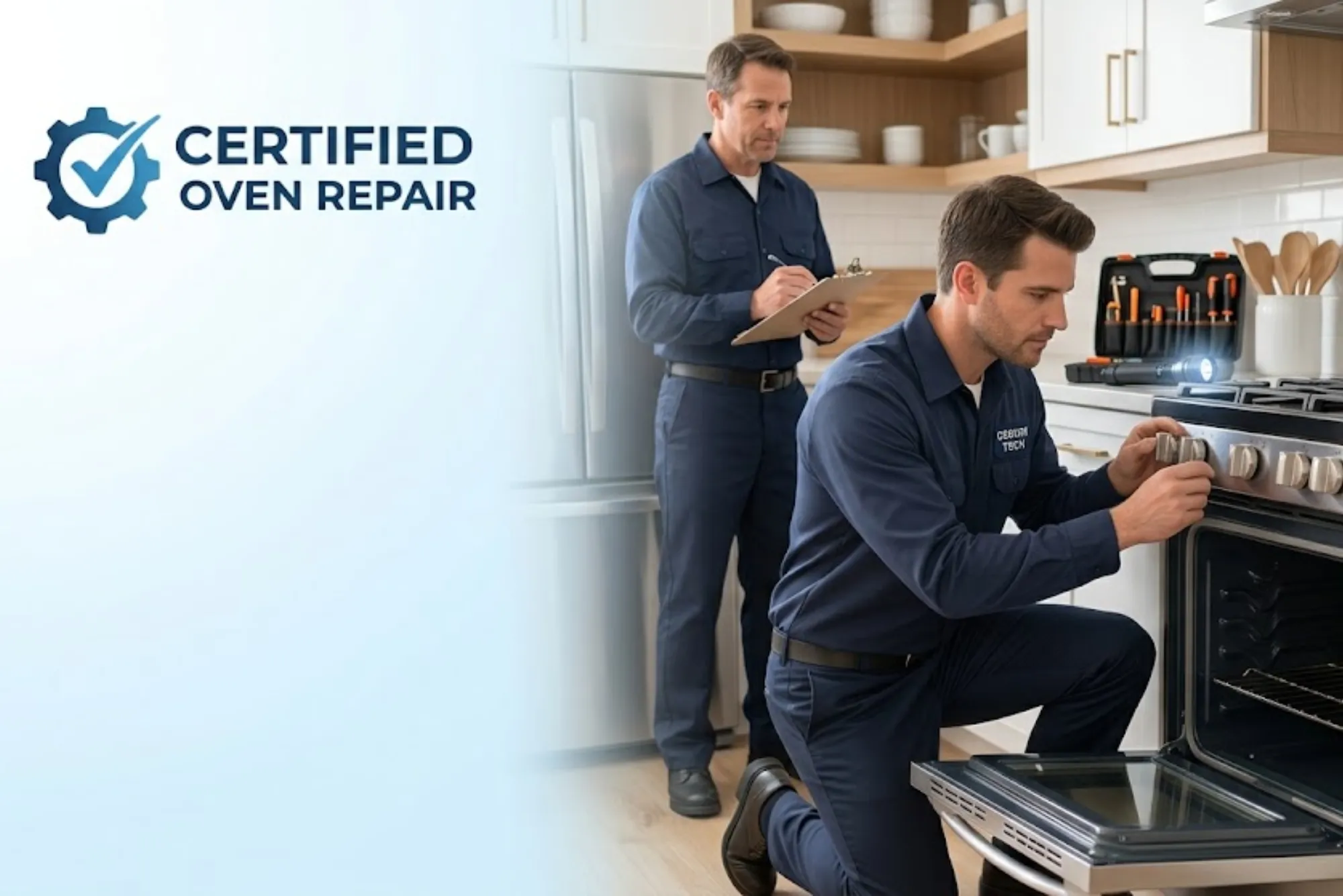
Some error codes may indicate simple issues such as a loose plug or the need for a basic reset, but most require professional expertise to fix properly. Trained oven repair specialists have the right diagnostic equipment to interpret codes accurately and identify whether the fault lies in a sensor, the wiring, the control board, or another component.
Attempting to fix advanced ovens without the right knowledge can be risky. Mishandling electrical components or heating systems may void the warranty, worsen the damage, or put your safety at risk. Professional repair not only restores the oven to working condition but also includes a thorough inspection to prevent similar issues in the future.
Brand-Specific Error Codes
Different manufacturers assign codes differently, which is why interpretation depends on the oven brand and model. A Whirlpool oven may use a particular code for a faulty sensor, while a Samsung or Bosch oven will display a different sequence for the same issue. This makes it essential to consult a professional who understands how each manufacturer codes its errors. What may look like a minor issue on one display might actually indicate a major fault on another.
How Error Codes Affect Daily Routines
Few things are more inconvenient than an oven breakdown during a busy week or before an important meal. Error codes can interrupt your ability to prepare family dinners, bake, or use the self-cleaning function. For households that rely heavily on their oven, delays in fixing these messages can cause disruptions and force alternatives like takeout meals, which are less cost-effective. Acting quickly not only restores convenience but also ensures food is prepared safely and consistently.
Preventing Oven Error Codes Through Maintenance
Although some oven error codes are unavoidable due to natural wear and tear, many can be prevented with regular maintenance. Scheduling professional servicing ensures that heating elements are inspected, temperature sensors are checked and calibrated, wiring remains safe, and doors and locks function correctly. Cleaning the oven and removing grease or residue also reduces strain on its parts. Preventive care helps catch small problems before they escalate into error codes that stop your oven from working altogether.
When Replacement Becomes Necessary
While many ovens can be repaired effectively, there are situations where replacement is the smarter choice. If the appliance is old, consumes too much energy, or requires frequent costly repairs, investing in a new oven may be more practical. However, this decision should only be made after a professional diagnosis. A technician can tell you whether the issue is a simple fix, such as replacing a sensor, or whether it is symptomatic of deeper faults that justify buying a new unit.
Choosing the Right Oven Repair Service
Finding a reliable repair company is crucial when dealing with oven error codes. The right service provider will offer transparent pricing, employ skilled technicians who understand different brands, and provide warranties on both parts and labor. In a city like Dubai, where modern households rely heavily on appliances, a dependable repair service is essential to ensure fast response times and accurate solutions. By choosing experts, you ensure that your oven’s error codes are properly interpreted and repaired with long-lasting results.
Oven error codes are more than just random numbers or letters—they are valuable diagnostic tools that help protect your appliance and your home. Understanding their significance allows you to respond quickly, reduce risks, and maintain safe and efficient cooking conditions. Ignoring them can lead to safety hazards, energy waste, and costly breakdowns.
By turning to professional oven repair services, you can ensure accurate diagnosis, proper repairs, and preventive maintenance that extend your oven’s lifespan. Whether the issue is a faulty sensor, heating element, or control board, skilled technicians will restore your appliance to peak performance, giving you peace of mind and uninterrupted cooking convenience.