Electric ovens have become an essential appliance in modern kitchens, relied upon daily for preparing meals with efficiency and convenience. However, like any electrical equipment, ovens are prone to developing issues over time. These problems not only disrupt cooking routines but can also raise safety concerns if left unaddressed. Homeowners often encounter situations where their oven fails to heat properly, shuts down unexpectedly, or displays unusual electrical behavior. Understanding the common electrical issues in electric ovens is the first step toward identifying problems early and seeking timely professional repair.
This article provides an in-depth look at the electrical complications that frequently affect electric ovens, their causes, and why professional diagnosis and repair are crucial. Whether it is an issue with faulty wiring, malfunctioning heating elements, or defective controls, each problem requires careful inspection and proper handling to prevent hazards and restore the oven’s efficiency.
The Importance of Addressing Electrical Issues in Ovens
An electric oven is a high-power appliance that relies heavily on stable electrical connections and functioning components to operate safely. Ignoring electrical issues can result in several consequences, ranging from uneven cooking to severe safety hazards such as electrical shocks or fire risks. Many homeowners assume that small malfunctions, such as minor sparks or flickering lights, are not serious, but these often serve as early warning signs of more significant underlying issues.
Moreover, electrical faults can strain the oven’s internal components, causing further damage and costly repairs in the long run. Professional oven repair services not only fix the immediate issue but also identify hidden faults to ensure the appliance operates efficiently and safely.
Frequent Power Failures in Electric Ovens
One of the most common electrical problems is the oven failing to turn on or experiencing frequent power interruptions. This issue often arises from problems in the power supply, faulty wiring, or a tripped circuit breaker. Because electric ovens consume significant amounts of electricity, even a small wiring issue can disrupt their operation. In some cases, damaged power cords or loose plug connections also lead to recurring shutdowns.
While homeowners may attempt to reset breakers or check power outlets, it is best to have a professional technician evaluate the appliance. Persistent power failures could indicate deeper electrical faults, and handling them without expertise can increase risks of electrical hazards.
Heating Element Malfunctions
The heating element is the heart of any electric oven, responsible for generating the necessary heat for cooking. When the element develops electrical faults, the oven may fail to heat up, heat unevenly, or take significantly longer to reach the desired temperature. Burnt-out elements, faulty electrical connections, or internal wiring problems can all contribute to this malfunction.
A damaged heating element often displays visible signs such as blistering, burning marks, or complete breakage. However, not all faults are obvious, as some are caused by hidden electrical issues. Replacing or repairing a heating element requires professional skills to ensure compatibility and safe installation.
Faulty Oven Controls and Thermostats
Modern electric ovens are equipped with advanced control panels and thermostats that regulate temperature and cooking functions. Electrical faults in these components can lead to inaccurate temperature readings, uneven baking results, or complete failure of the oven’s automated features.
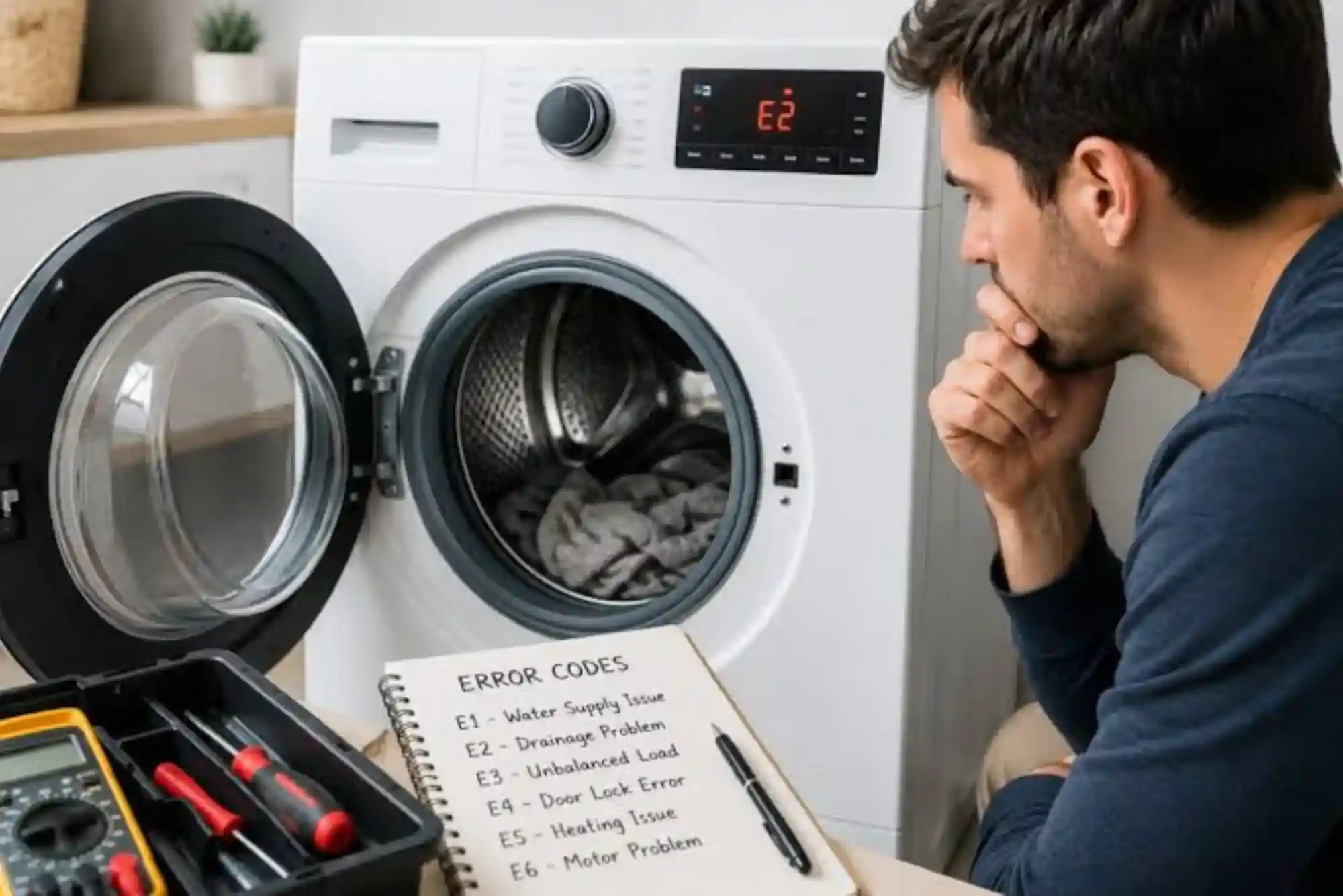
A malfunctioning thermostat, for example, may cause the oven to overheat, undercook food, or fluctuate during cooking. Similarly, issues in digital control boards may cause error codes, unresponsive buttons, or irregular functioning of timers and settings.
Because these controls involve sensitive electrical circuits, repair or replacement should always be handled by experienced technicians. Attempting DIY fixes may worsen the issue or damage the oven’s electronic system entirely.
Problems with Internal Wiring
Over time, the internal wiring of electric ovens can wear out, loosen, or get damaged due to heat exposure and continuous use. Frayed wires, loose connections, or short circuits are common wiring-related problems that disrupt the oven’s performance. Such issues may manifest as sparks, unusual smells, or complete power loss during operation.
Faulty wiring not only prevents the oven from working properly but also poses significant safety hazards, including the risk of electrical fires. Professional oven repair services include thorough inspections of wiring systems to detect and replace damaged cables, ensuring the appliance runs safely.
Issues with Fuses and Circuit Breakers
Electric ovens are often connected to dedicated electrical circuits protected by fuses or circuit breakers. When the oven draws more current than the circuit can handle, the breaker may trip or the fuse may blow. While these components are designed to safeguard against electrical overloads, frequent tripping indicates underlying issues such as short circuits, faulty components, or improper electrical connections within the oven.
Replacing fuses or resetting breakers may temporarily resolve the problem, but identifying the root cause is essential. A professional technician can trace the fault back to the defective part and implement a lasting repair.
Burnt Electrical Smells and Sparks
One of the most alarming signs of electrical issues in ovens is the presence of burning smells or visible sparks during use. These problems often point to overheating wires, faulty insulation, or malfunctioning connections inside the appliance. Ignoring such signs can lead to dangerous situations, including electrical fires.
If a homeowner notices such symptoms, the oven should be turned off immediately and disconnected from power until a professional can inspect it. Repair specialists can identify the exact cause of the issue, replace damaged components, and prevent future hazards.
Importance of Professional Oven Repair
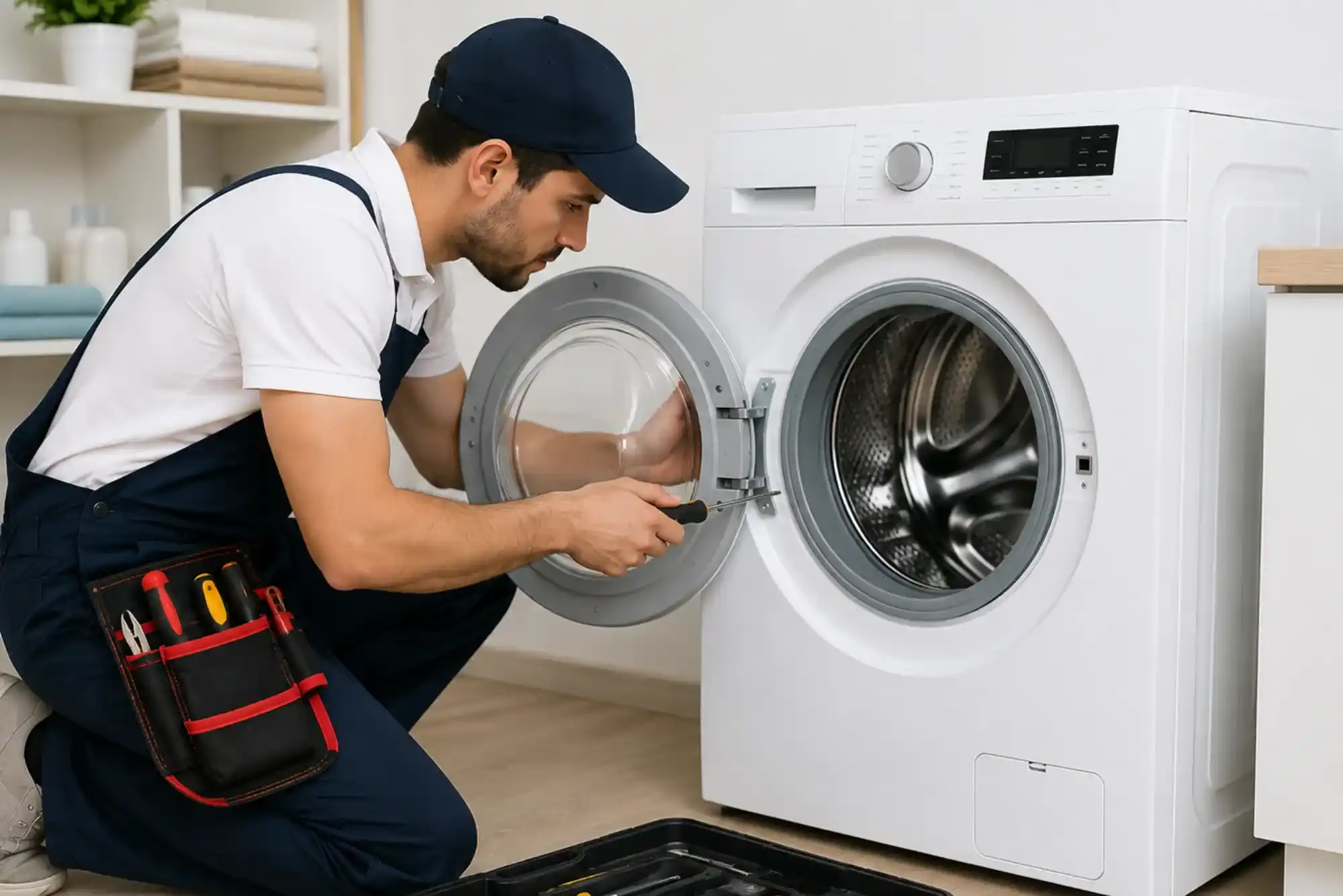
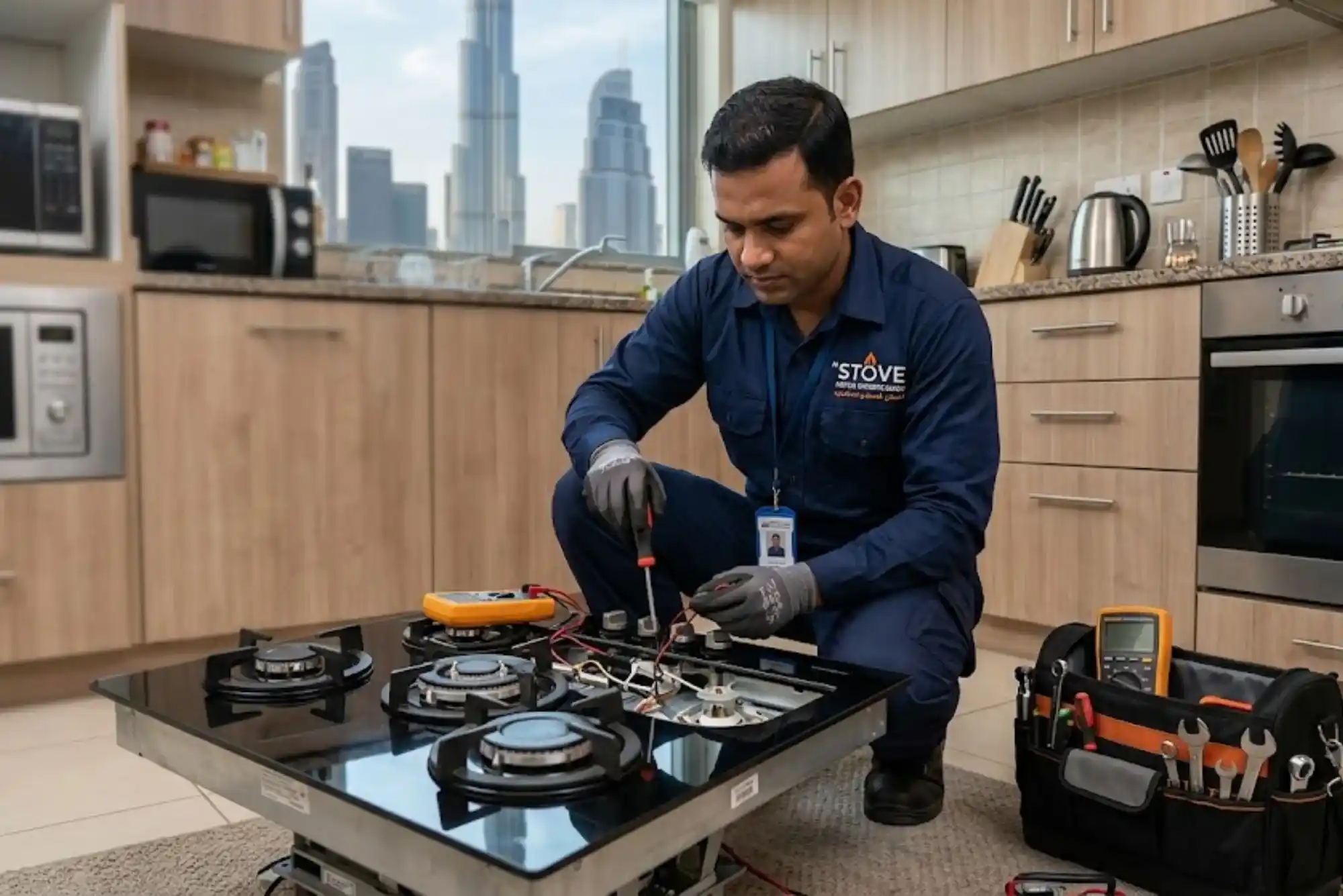
While minor oven issues may seem manageable, electrical problems require specialized knowledge and tools to diagnose and repair safely. Professional oven repair technicians undergo training to handle high-voltage appliances, ensuring that repairs meet safety standards. They can also identify issues that homeowners may overlook, such as hidden wiring damage or defective components that could fail soon.
Additionally, timely repairs extend the lifespan of the appliance, improve energy efficiency, and ensure consistent cooking performance. A professionally repaired oven not only operates smoothly but also provides peace of mind that it is safe to use.
Preventive Maintenance for Electric Ovens
Preventing electrical problems in ovens begins with regular maintenance and inspections. Professional servicing helps detect early signs of electrical wear and ensures all components are functioning properly. Homeowners are advised to schedule periodic checks, especially for older ovens or appliances that are used frequently.
Simple practices such as keeping the oven clean, avoiding overloading the circuit with multiple high-power appliances, and ensuring proper ventilation also contribute to the oven’s longevity. By combining responsible usage with professional maintenance, homeowners can minimize electrical issues and maximize appliance performance.
Electric ovens are indispensable appliances in today’s kitchens, but they are not immune to electrical problems. From faulty wiring and malfunctioning heating elements to defective thermostats and power failures, these issues can disrupt cooking routines and compromise safety. Recognizing the common electrical issues in electric ovens and addressing them promptly through professional repair services is essential for maintaining both efficiency and safety.