Air conditioning systems are designed to operate smoothly and quietly, providing comfort and cooling in homes, offices, and commercial spaces. When an air conditioner begins to vibrate excessively, it not only becomes noisy but also indicates that something within the system is not functioning correctly. The vibration of an AC unit is more than an annoyance; it can lead to mechanical stress, wear on components, and reduced efficiency. Understanding the causes behind these vibrations and how to repair them is essential to maintaining both performance and longevity.
Repairing vibration issues in an AC unit involves technical knowledge, careful inspection, and precision in balancing or securing components. This article explores why AC units vibrate, what those vibrations signify, and how professional repair ensures optimal performance without causing further harm to the system.
Understanding Why AC Units Vibrate
Every air conditioning system contains moving parts that generate some level of vibration during normal operation. The compressor, condenser fan, and blower motor all rotate at high speeds, and slight vibration is expected. However, when the vibration becomes loud or noticeable, it points to an underlying mechanical or installation problem.
Vibration can result from unbalanced fans, loose mounting bolts, misaligned components, or failing bearings. In split systems, vibration can also travel through refrigerant lines or ductwork, amplifying the noise inside the building. In rooftop or outdoor units, improper leveling or poor foundation support can further increase the vibration levels. Over time, these movements can loosen electrical connections, weaken refrigerant joints, and damage the compressor itself.
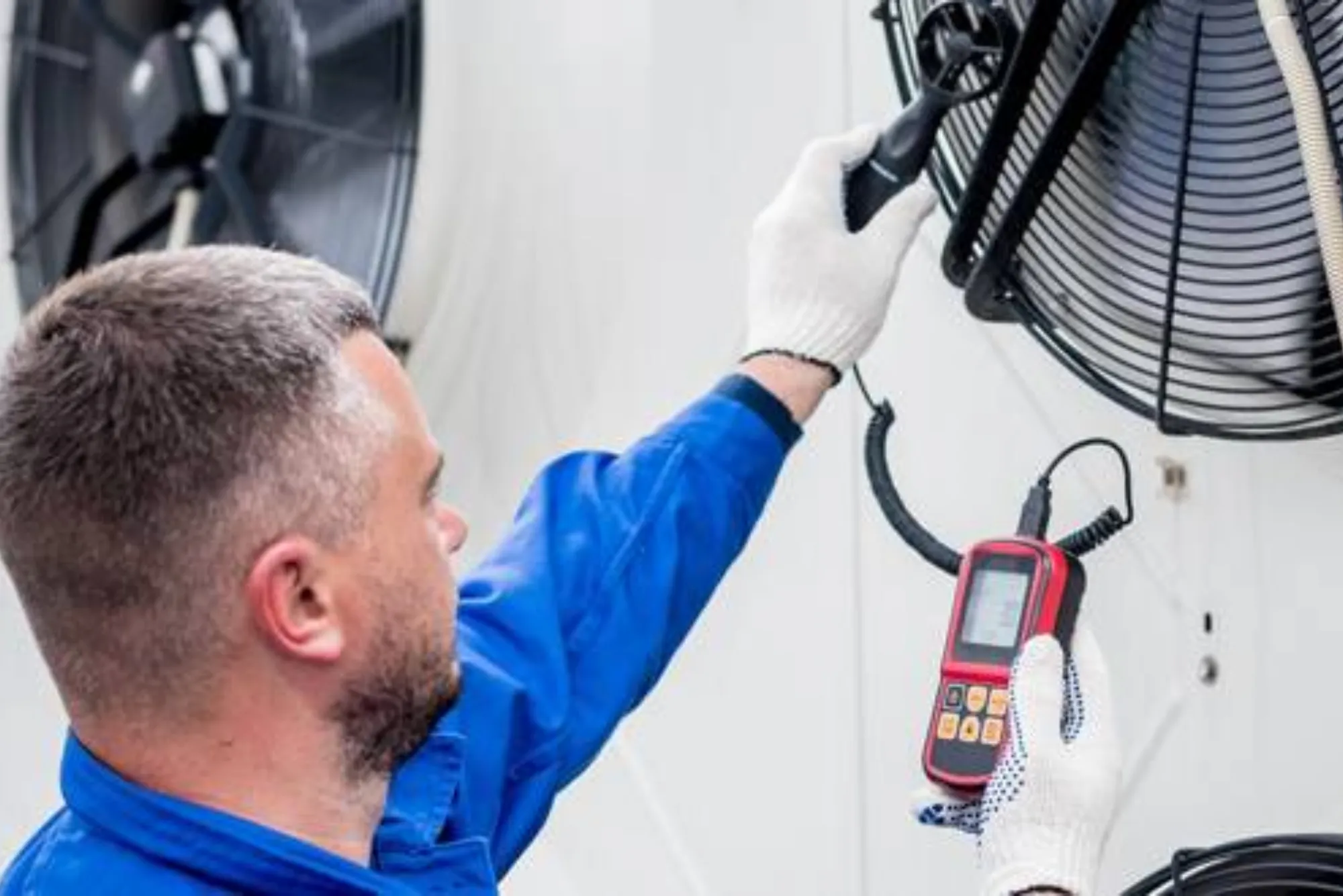
Identifying the source of vibration requires a detailed understanding of both the mechanical and structural elements of the unit. Technicians use sound meters, vibration analyzers, and visual inspections to pinpoint which part of the system is causing the disturbance.
Effects of Vibration on AC System Performance
Vibration in an AC unit does more than create sound; it impacts performance and reliability. Excessive movement leads to misalignment of mechanical parts, which reduces cooling efficiency. When the compressor or fan motor vibrates, the strain on bearings and shafts increases, shortening their lifespan. Over time, the system may experience refrigerant leaks as vibrations weaken the joints and fittings.
Another consequence of vibration is increased energy consumption. The system must work harder to maintain cooling performance when parts are not operating in harmony. This added strain not only wastes electricity but also accelerates the wear and tear on expensive components. If ignored, vibration problems can escalate into complete system failure, leading to costly replacements instead of simple repairs.
Common Mechanical Sources of Vibration
In most cases, vibration originates from the mechanical components inside the AC unit. An unbalanced fan blade is one of the most frequent causes. Dust accumulation or physical damage can change the blade’s balance, causing uneven spinning. Similarly, a bent motor shaft or misaligned pulley can create vibration that resonates throughout the entire system.
The compressor is another common source of vibration. When internal components such as pistons or valves wear out, the compressor may produce knocking or shaking motions. Mounting brackets or rubber isolation pads that have deteriorated over time can also amplify these effects. Loose bolts and panels within the casing can rattle during operation, creating the perception of greater vibration even when the core components are functioning properly.
Professional repair involves checking each of these mechanical parts carefully. Tightening bolts, replacing damaged components, and ensuring proper alignment often eliminate most vibration issues.
Installation and Structural Factors
Sometimes, the problem does not come from inside the AC unit but from how it was installed. Units placed on uneven surfaces, rooftops, or weak platforms tend to vibrate more because they lack stable support. Even a slight tilt or soft foundation can allow the system to move excessively during operation.
For outdoor units, the base pad or brackets must be strong enough to absorb motion and maintain balance. Inadequate insulation around refrigerant lines can also transmit vibrations into walls or ceilings, making the noise more noticeable indoors. Ductwork connected to the unit may amplify vibrations if not properly secured or insulated.
Addressing these structural causes involves leveling the equipment, reinforcing the base, and improving insulation. Professional technicians assess the installation setup to ensure the unit’s stability and reduce vibration transmission.
The Role of Preventive Maintenance
Regular maintenance is one of the most effective ways to prevent vibration problems from developing. During routine service, technicians inspect and tighten all connections, check fan alignment, and clean critical components such as coils and fan blades. Dust and debris, if left unchecked, can cause imbalance in the rotating parts and lead to uneven operation.
Lubricating moving components, ensuring proper motor tension, and verifying that vibration isolators are intact all contribute to smooth and quiet performance. Early detection of wear in bearings or belts allows for replacement before vibration becomes noticeable. Preventive maintenance not only maintains comfort but also prevents energy loss and mechanical deterioration.
Professional Diagnosis and Repair Process
When a vibration issue occurs, professional diagnosis is essential to find the exact cause. A technician begins by observing the AC unit while it operates, listening for irregular sounds and feeling for physical movement. They inspect fan blades, motor mounts, compressor fittings, and all mechanical joints for signs of looseness or imbalance.
If necessary, specialized vibration analyzers are used to measure frequency and amplitude. These readings help determine whether the problem is mechanical, electrical, or structural. Once identified, repairs may involve rebalancing fan blades, replacing bearings, tightening bolts, or installing new vibration isolation pads.
In severe cases, such as compressor vibration, the entire component may require replacement. After the repair, the technician runs the system again to verify that the noise and vibration levels are within safe operating limits. Proper testing ensures that the problem has been resolved and that the AC unit operates at maximum efficiency.
Importance of Professional Expertise
Although minor vibrations may seem easy to ignore, handling repairs without technical knowledge can create safety risks. Opening or adjusting an air conditioning unit without understanding its internal systems can lead to electrical hazards or refrigerant leaks. Furthermore, improper balancing or alignment during a DIY attempt may make the problem worse.
Professional technicians have the training, tools, and safety protocols to handle vibration repair correctly. They understand how to inspect moving parts, adjust mechanical components, and secure the system to prevent future issues. Beyond the repair itself, professionals also evaluate the system’s overall condition and suggest maintenance steps to avoid recurrence. Their expertise ensures that the repair is not just temporary but a lasting solution.
Long-Term Benefits of Repairing Vibration Early
Repairing vibration issues early provides multiple benefits. A smoother-running AC unit experiences less mechanical wear, consumes less power, and delivers more consistent cooling performance. By minimizing unnecessary movement, homeowners also extend the lifespan of critical components such as motors, compressors, and bearings.
Quiet operation is another important outcome. A system free from vibration not only runs more efficiently but also creates a more comfortable living or working environment. Addressing these problems early also prevents small issues from escalating into major breakdowns, reducing future repair costs. In commercial settings, this can translate into significant savings and reduced downtime.
Ensuring Proper Operation After Repair
Once the vibration problem has been resolved, continued monitoring is essential. Technicians recommend observing the unit over the following days to confirm stability. It is important to listen for any recurring noise and check that the system remains level and firmly supported. Regular servicing every few months helps maintain smooth performance and keeps vibration under control.
Homeowners should also make sure that the surrounding area of the outdoor unit remains clean and free from obstruction. Leaves, dirt, or debris can enter the fan and reintroduce imbalance. Keeping the system ventilated and clean plays a key role in maintaining vibration-free operation.
Conclusion
Vibration in an air conditioning unit is a sign that the system needs attention. Whether the cause is mechanical wear, installation error, or a failing component, addressing the issue promptly ensures safety, comfort, and efficiency. Repairing vibration problems is not only about reducing noise but also about preserving the health of the entire cooling system.
A well-maintained AC unit should operate quietly and steadily. By investing in professional diagnosis and timely repair, property owners can prevent unnecessary damage, lower energy consumption, and enjoy long-term reliability. The key is to treat vibration as an early warning rather than an inconvenience. With the right care and technical expertise, an air conditioning unit can continue to provide consistent performance and comfort for many years to come.