Air conditioning systems play an essential role in maintaining indoor comfort, especially in regions where temperatures remain high throughout most of the year. Many homeowners believe that once the refrigerant gas is refilled, the cooling performance of the unit should immediately return to normal. However, it is quite common for people to experience a situation where the AC not cooling even after gas refill becomes a frustrating problem. This issue indicates that the root cause of the cooling failure may lie deeper within the system rather than simply being related to refrigerant levels.
Understanding why this happens is important for homeowners and business owners who rely on their air conditioning systems for comfort and productivity. In many cases, a professional ac repair service is required to properly diagnose and fix the issue, ensuring that the air conditioning unit operates efficiently and reliably again.
Understanding How an Air Conditioner Produces Cooling
To understand why an air conditioner might fail to cool even after a refrigerant refill, it is important to know how the cooling process works. An air conditioning system uses refrigerant gas to absorb heat from indoor air and release it outside. This process involves several key components including the compressor, condenser coil, evaporator coil, expansion valve, and blower fan.
The refrigerant flows through the system in a continuous cycle. When the compressor pressurizes the refrigerant, it moves through the condenser where heat is released. The refrigerant then expands and cools before entering the evaporator coil, where it absorbs heat from the indoor air. The cooled air is circulated back into the room by the blower fan.
If any component in this cycle malfunctions, the cooling efficiency can drop significantly. Even if the refrigerant level is correct, the system may still fail to produce cold air if another part of the unit is not functioning properly.
Refrigerant Leakage and Improper Refill
One of the most common reasons for the AC not cooling even after gas refill is an unresolved refrigerant leak. If the leak was not properly identified and repaired before the refill, the newly added refrigerant can escape from the system very quickly.

In many cases, technicians may refill the gas without conducting a thorough leak inspection. This leads to a temporary improvement followed by a rapid decline in cooling performance. Refrigerant leaks can occur in various areas of the system such as copper pipes, coil joints, valves, or connections.
A professional ac repair service typically performs leak detection using specialized tools. Once the leak is sealed, the system can be safely recharged with refrigerant to restore proper cooling performance.
Dirty or Blocked Air Filters
Air filters play a crucial role in maintaining proper airflow inside the air conditioning system. Over time, dust, dirt, and debris accumulate in the filter, restricting the airflow that passes through the evaporator coil.
When airflow becomes limited, the cooling process becomes inefficient. Even if the refrigerant level is perfect, the air conditioner cannot absorb enough heat from the indoor air due to poor circulation. This can make it appear as though the gas refill had no effect.
Regular filter cleaning or replacement is essential for maintaining cooling efficiency. Professional technicians from an ac repair service often check and replace clogged filters during routine maintenance visits to prevent airflow issues.
Frozen Evaporator Coil
Another possible cause of cooling problems after a refrigerant refill is a frozen evaporator coil. When airflow is restricted or refrigerant levels fluctuate, moisture in the air can freeze on the evaporator coil.
A frozen coil prevents the refrigerant from absorbing heat effectively. As a result, the air conditioner may run continuously but fail to cool the indoor space properly.
When this situation occurs, the system often requires professional inspection. An experienced ac repair service can determine whether the freezing is caused by airflow restrictions, refrigerant imbalance, or thermostat problems.
Compressor Malfunction
The compressor is often considered the heart of the air conditioning system. It is responsible for circulating refrigerant throughout the entire cooling cycle. If the compressor becomes weak or damaged, the refrigerant will not move efficiently between the condenser and evaporator coils.
When the compressor fails to function properly, even a newly refilled refrigerant system cannot produce sufficient cooling. The AC may run, but the temperature inside the room may remain unchanged.
Compressor problems typically require professional diagnosis and repair. A qualified ac repair service can test the electrical components, pressure levels, and overall compressor condition to determine whether repair or replacement is necessary.
Condenser Coil Problems
The outdoor condenser unit is responsible for releasing the heat that is removed from the indoor air. If the condenser coil becomes dirty or blocked by dust, sand, or debris, the heat exchange process becomes inefficient.
When heat cannot be released effectively, the refrigerant remains warmer than it should be. This reduces the cooling capacity of the air conditioning system and may lead to the common complaint of AC not cooling even after gas refill.
Cleaning the condenser coil is a standard maintenance procedure performed by professional technicians. A reliable ac repair service ensures that the outdoor unit remains clean and free from obstructions that can affect performance.
Faulty Thermostat or Sensor Issues
Sometimes the cooling problem may not be related to the refrigerant or mechanical components at all. A malfunctioning thermostat can prevent the air conditioner from operating at the correct temperature settings.
If the thermostat sensor fails to detect the indoor temperature accurately, it may send incorrect signals to the air conditioning system. This can cause the compressor to shut off too early or prevent the cooling cycle from running long enough to reduce the room temperature.
A professional ac repair service can test the thermostat, recalibrate sensors, and ensure that the temperature control system is functioning correctly.
Incorrect Refrigerant Pressure
Another reason for cooling issues after a refill is improper refrigerant pressure. Air conditioning systems require precise pressure levels to maintain efficient cooling. If too much or too little refrigerant is added during the refill process, the system may fail to perform properly.
Incorrect pressure levels can lead to several problems including compressor strain, inefficient heat exchange, and reduced airflow cooling capacity. This highlights the importance of professional servicing rather than relying on untrained technicians.
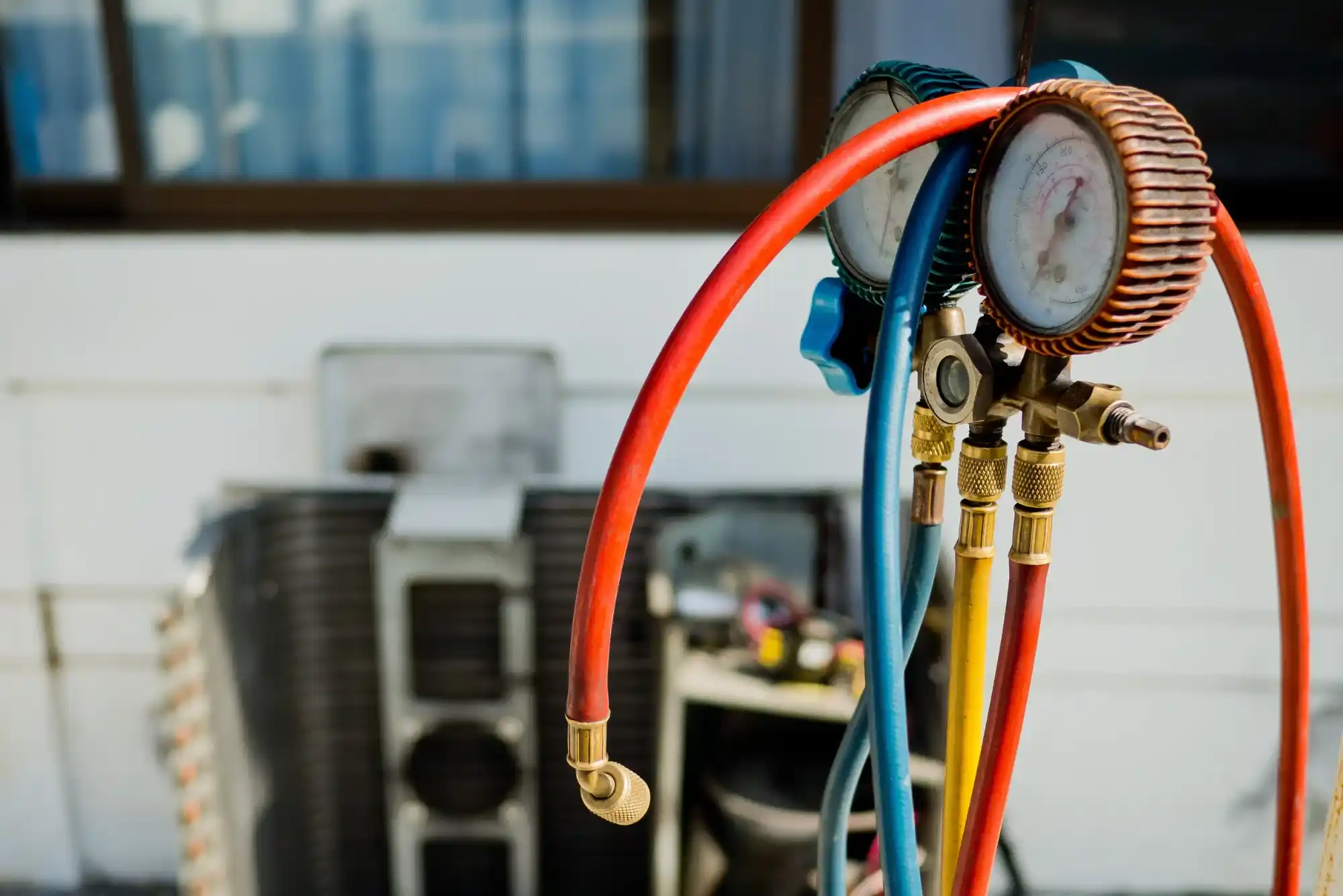
Experienced technicians from an ac repair service use pressure gauges and diagnostic equipment to ensure that refrigerant levels are balanced according to manufacturer specifications.
Electrical or Capacitor Issues
Air conditioning systems rely on several electrical components to operate correctly. Capacitors, relays, and circuit boards control the functioning of the compressor and fans.
If a capacitor becomes weak or fails, the compressor may struggle to start or operate at full capacity. As a result, the refrigerant circulation becomes inconsistent and the cooling effect decreases significantly.
Electrical faults are another common reason why homeowners report AC not cooling even after gas refill. A professional ac repair service can safely inspect electrical components and replace faulty parts when necessary.
Importance of Professional AC Diagnosis
Many air conditioning problems appear similar on the surface but have completely different underlying causes. Simply refilling refrigerant without proper system inspection often leads to repeated cooling failures.
Professional technicians follow a detailed diagnostic process that includes checking refrigerant pressure, inspecting coils, evaluating airflow, testing electrical components, and verifying thermostat performance. This comprehensive approach ensures that the real issue is identified and resolved.
Choosing a qualified ac repair service helps prevent unnecessary repairs and ensures that the air conditioning system operates efficiently for a longer period.
Preventing Future Cooling Problems
Preventive maintenance is one of the most effective ways to avoid cooling issues. Regular servicing helps detect small problems before they develop into major system failures.
Routine inspections typically include cleaning coils, replacing air filters, checking refrigerant pressure, and testing electrical components. These maintenance procedures keep the air conditioning system running smoothly and improve energy efficiency.
Homeowners who schedule periodic maintenance with a trusted ac repair service often experience fewer breakdowns and better cooling performance during peak summer months.
Experiencing AC not cooling even after gas refill can be frustrating, especially during hot weather when reliable cooling is essential. While refrigerant levels play an important role in the cooling process, they are not the only factor that determines air conditioner performance. Issues such as refrigerant leaks, dirty filters, frozen coils, compressor failure, thermostat malfunctions, and electrical faults can all prevent the system from cooling effectively.
Related Reading: Reliable HVAC Contractors For Home Cooling Solutions — full guide