Air conditioning systems play a crucial role in maintaining indoor comfort, especially in regions where temperatures rise significantly for most of the year. When homeowners or business owners experience AC low airflow from vents, it can quickly turn a comfortable indoor environment into a frustrating and uncomfortable space. Reduced airflow not only affects cooling efficiency but can also signal underlying issues within the system that require immediate professional attention.
Understanding the causes, consequences, and professional solutions for AC low airflow from vents is essential for protecting your cooling investment and ensuring long-term performance. With the right AC repair service, these problems can be diagnosed accurately and resolved efficiently.
Understanding AC Low Airflow from Vents
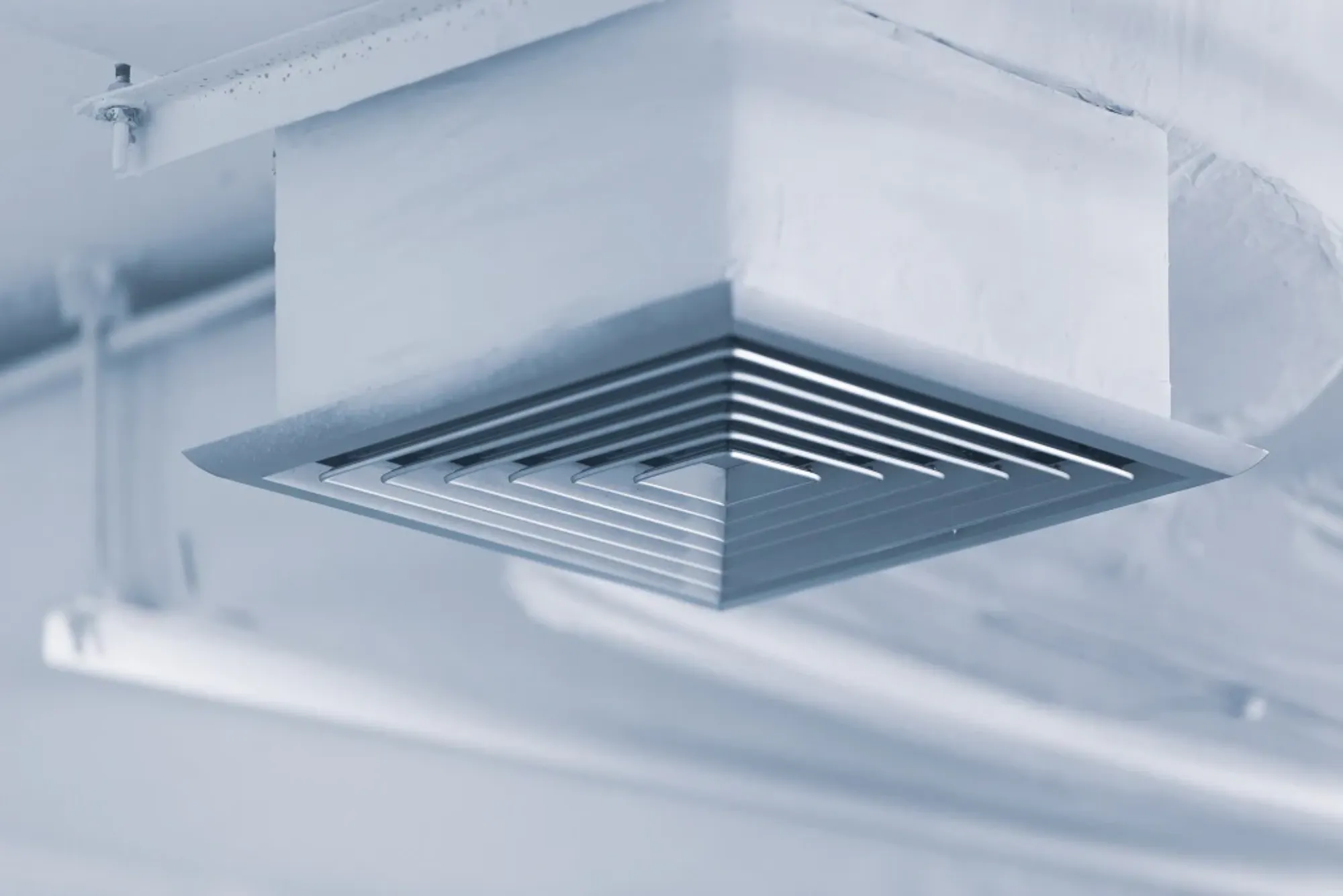
AC low airflow from vents refers to a noticeable reduction in the amount of cool air coming out of the supply registers in your home or office. Even if the air feels cold, insufficient airflow prevents proper circulation, resulting in uneven cooling and hot spots in different rooms. Over time, this issue can strain the system and increase energy consumption.
Air conditioning systems are designed to maintain a balanced airflow. When that balance is disrupted, the entire cooling cycle becomes inefficient. The blower motor, ductwork, air filters, evaporator coil, and other components must work together seamlessly. A disruption in any part of this system can lead to AC low airflow from vents.
Common Causes of AC Low Airflow from Vents
Several factors can contribute to AC low airflow from vents. One of the most common reasons is a clogged or dirty air filter. Air filters trap dust, debris, and allergens to maintain indoor air quality. When these filters become blocked, airflow is restricted, forcing the system to work harder.
Another frequent cause is blocked or leaking ductwork. Ducts distribute cooled air throughout the building. If ducts are damaged, disconnected, or obstructed by debris, the airflow reaching vents will be significantly reduced. In some cases, duct leaks allow cooled air to escape before it reaches its intended destination.
Problems with the blower motor can also result in AC low airflow from vents. The blower motor is responsible for pushing air through the ducts. If it becomes weak, worn out, or malfunctioning, airflow diminishes noticeably.
Frozen evaporator coils represent another serious issue. When coils freeze due to refrigerant problems or restricted airflow, they prevent proper heat exchange. This results in weak airflow and reduced cooling capacity.
Professional AC repair service technicians are trained to inspect each of these components carefully to identify the exact cause of reduced airflow.
Signs That AC Low Airflow from Vents Needs Immediate Attention
AC low airflow from vents is rarely an isolated problem. It often comes with additional warning signs that indicate a deeper issue. Uneven cooling throughout the property is a common symptom. Some rooms may feel comfortable while others remain warm and stuffy.
Higher energy bills without a corresponding increase in usage can also point to airflow problems. When airflow is restricted, the system runs longer cycles to reach the desired temperature, increasing electricity consumption.
Unusual noises from the indoor unit, such as rattling or humming, may indicate mechanical issues affecting airflow. A musty odor coming from vents can suggest mold growth within ducts due to poor air circulation.
When these symptoms appear alongside AC low airflow from vents, seeking professional AC repair service becomes essential to prevent further damage.
How AC Low Airflow from Vents Affects System Efficiency
Reduced airflow impacts more than just comfort. It significantly affects the overall efficiency of the air conditioning system. Proper airflow ensures that heat exchange occurs efficiently within the evaporator coil. When airflow decreases, the system cannot remove heat effectively.
This inefficiency forces the compressor and other components to operate longer and harder. Over time, this additional strain can shorten the lifespan of the unit. It may also lead to costly repairs or complete system replacement.
AC low airflow from vents also affects indoor air quality. Poor circulation allows dust, allergens, and humidity to accumulate indoors, creating an unhealthy environment.
Professional AC repair service providers understand how critical airflow is to system performance and work to restore optimal operation promptly.
The Role of Professional AC Repair Service
While some minor airflow issues can be addressed with basic maintenance, persistent AC low airflow from vents requires expert diagnosis. Professional AC repair service technicians use advanced tools and experience to evaluate the system thoroughly.
The repair process typically begins with a comprehensive inspection. Technicians check air filters, examine ductwork for leaks or blockages, test the blower motor, and inspect the evaporator coil for ice buildup. Refrigerant levels are also assessed to ensure proper cooling function.
Once the root cause is identified, appropriate repairs are performed. This may involve replacing filters, sealing duct leaks, repairing or replacing the blower motor, cleaning coils, or correcting refrigerant issues.
Choosing a reliable AC repair service ensures that the problem is fixed correctly the first time, reducing the risk of recurring issues.
Preventive Maintenance to Avoid AC Low Airflow from Vents
Regular maintenance plays a vital role in preventing AC low airflow from vents. Scheduled servicing keeps the system clean, balanced, and functioning efficiently. During routine maintenance visits, technicians clean internal components, lubricate moving parts, check electrical connections, and ensure proper airflow.
Replacing air filters at recommended intervals is one of the simplest yet most effective ways to prevent airflow problems. Clean filters allow unrestricted air circulation and protect internal components from dust accumulation.
Professional AC repair service providers often offer maintenance plans that include periodic inspections and tune-ups. These services help detect minor issues before they escalate into major problems.
Ductwork and Airflow Optimization
Duct design and condition significantly influence airflow performance. Even a high-quality air conditioning system cannot function properly if the ductwork is poorly installed or damaged. Over time, ducts may develop leaks, loose connections, or insulation problems.
AC low airflow from vents may stem from airflow imbalance within the duct system. Professional AC repair service specialists conduct airflow measurements and pressure tests to identify weak points. Sealing leaks and optimizing duct layout can dramatically improve airflow and system efficiency.
Proper duct insulation also prevents energy loss and maintains consistent temperature distribution throughout the building.
Impact on Indoor Comfort and Health
Beyond technical concerns, AC low airflow from vents directly affects occupant comfort and well-being. Insufficient airflow can create stagnant indoor air, increasing humidity levels and encouraging mold growth.
Inadequate ventilation can worsen respiratory conditions and allergies. Consistent, strong airflow helps maintain balanced humidity and removes airborne contaminants.
Professional AC repair service not only restores cooling efficiency but also enhances indoor air quality, contributing to a healthier living or working environment.
Energy Consumption and Cost Implications
Energy efficiency is a primary concern for homeowners and businesses alike. AC low airflow from vents often leads to higher electricity bills because the system compensates for reduced circulation by running longer cycles.
Over time, this increased energy demand adds up significantly. Addressing airflow issues promptly through professional AC repair service can reduce monthly utility expenses and improve overall system performance.
Energy-efficient operation also supports environmental sustainability by minimizing excessive power consumption.
When to Consider System Upgrades
In some cases, recurring AC low airflow from vents may indicate that the system is outdated or improperly sized for the space. Older units may struggle to maintain consistent airflow due to wear and technological limitations.
Professional AC repair service technicians can evaluate whether repairs are sufficient or if upgrading to a modern, energy-efficient unit would be more cost-effective in the long run. Newer systems are designed with advanced airflow technology and improved energy performance standards.
Making an informed decision ensures long-term comfort and reliability.
Choosing the Right AC Repair Service
Selecting a qualified AC repair service provider is essential for resolving airflow issues effectively. Experienced technicians possess the knowledge and tools required to diagnose complex problems accurately.
A reputable AC repair service prioritizes thorough inspections, transparent communication, and lasting solutions. Timely intervention prevents minor airflow restrictions from developing into major mechanical failures.
Trustworthy professionals also provide guidance on maintenance practices that help prevent AC low airflow from vents in the future.
AC low airflow from vents is a common yet serious issue that affects cooling performance, energy efficiency, and indoor comfort. Whether caused by clogged filters, ductwork problems, blower motor malfunction, or frozen coils, reduced airflow demands prompt attention.
Ignoring the problem can lead to higher energy bills, uneven cooling, poor air quality, and potential system damage. Professional AC repair service plays a critical role in diagnosing the root cause and implementing effective solutions.