Air conditioning systems are essential for maintaining indoor comfort, especially in regions where temperatures rise to extreme levels. When your cooling system begins to make unusual noises, it is often a warning sign that something is not functioning properly. One of the most common and concerning sounds homeowners experience is an AC capacitor buzzing sound. This issue may seem minor at first, but it can quickly develop into a serious mechanical failure if ignored. Understanding the causes, risks, and solutions associated with this sound can help protect your system and ensure long-term performance.
An AC capacitor buzzing sound is not simply an annoyance. It usually indicates an electrical or mechanical problem within the system’s starting components. Capacitors play a critical role in powering the compressor and fan motors, and any malfunction can disrupt the entire cooling cycle. Addressing the issue promptly through a professional ac repair service ensures both safety and efficiency.
Understanding the Role of an AC Capacitor
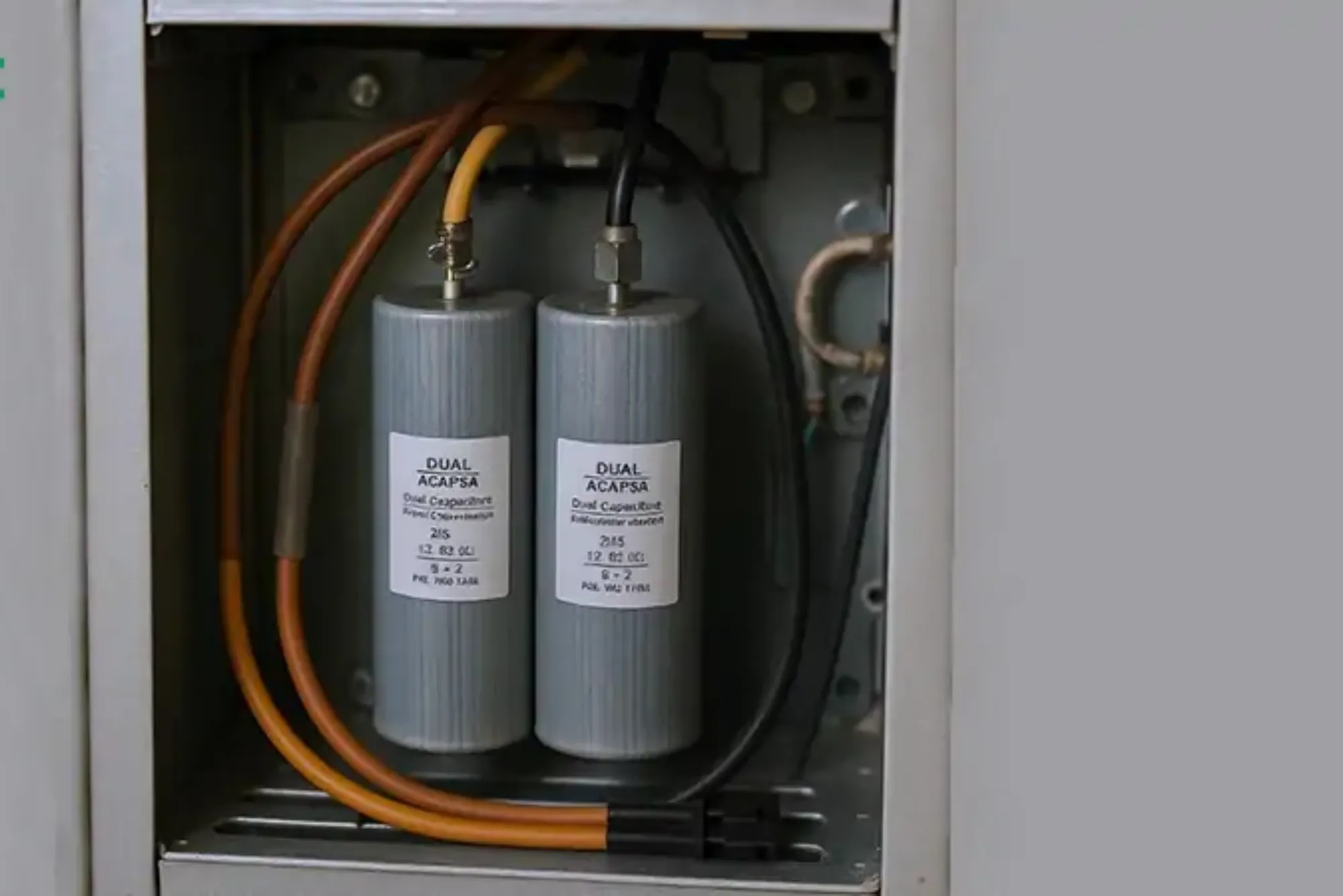
To fully understand the meaning behind an AC capacitor buzzing sound, it is important to know what a capacitor does. The capacitor is a small cylindrical component inside the outdoor condenser unit. Its primary function is to store and release electrical energy that helps start the compressor and fan motors. Without the capacitor, the air conditioner cannot begin or maintain its cooling process effectively.
There are typically two types of capacitors found in residential air conditioning systems. The start capacitor provides the initial surge of electricity required to start the motor, while the run capacitor maintains a steady flow of energy to keep the motor operating smoothly. When either of these components begins to fail, unusual sounds such as buzzing or humming may develop.
An AC capacitor buzzing sound often indicates that the capacitor is struggling to perform its function. This could result from wear and tear, electrical overload, or environmental factors. In many cases, the buzzing sound is a sign that the capacitor is close to failure and requires immediate attention from a certified ac repair service.
What Causes an AC Capacitor Buzzing Sound
Several underlying issues can lead to an AC capacitor buzzing sound. Electrical problems are among the most common causes. If the capacitor is receiving inconsistent voltage or if there is loose wiring within the condenser unit, the resulting vibration may produce a buzzing noise.
A failing capacitor is another frequent cause. Over time, capacitors degrade due to continuous exposure to heat and electrical stress. When the internal components begin to break down, the capacitor may emit a buzzing or humming sound before it completely fails.
Physical damage can also be responsible. Exposure to extreme weather, debris, or corrosion can affect the structural integrity of the capacitor. When internal plates shift or connections loosen, the component may vibrate and create noise during operation.
In some cases, the sound may not originate solely from the capacitor itself but from surrounding components reacting to its malfunction. For example, if the capacitor cannot provide enough power to the compressor, the compressor may struggle to start, leading to additional mechanical noise.
Regardless of the exact cause, an AC capacitor buzzing sound should never be ignored. Consulting a professional ac repair service ensures accurate diagnosis and prevents further damage.
Why You Should Not Ignore the Buzzing Sound
Many homeowners assume that a buzzing noise is harmless, especially if the air conditioner continues to run. However, ignoring an AC capacitor buzzing sound can result in serious consequences. The capacitor is directly linked to the compressor, which is one of the most expensive components in the system. If the capacitor fails completely, the compressor may overheat or burn out.
A malfunctioning capacitor can also cause the system to cycle improperly. This leads to inconsistent cooling, increased energy consumption, and higher utility bills. Over time, the strain on other components may shorten the lifespan of the entire unit.
Electrical safety is another major concern. Capacitors store high-voltage electricity even when the system is powered off. A failing capacitor can create electrical hazards, including short circuits or potential fire risks. Professional ac repair service technicians have the training and equipment necessary to handle these components safely.
Signs That the Capacitor Needs Immediate Attention
An AC capacitor buzzing sound is often accompanied by additional warning signs. You may notice that the outdoor unit struggles to start or that the fan spins slowly. In some cases, the air conditioner may turn on but fail to produce cold air.
Another common symptom is frequent system shutdown. The air conditioner may attempt to start multiple times before successfully running, or it may shut off unexpectedly during operation. These issues indicate that the capacitor cannot maintain consistent electrical flow.
If the buzzing sound becomes louder or more persistent, this is a strong indication that the capacitor is nearing complete failure. Seeking professional ac repair service at this stage can prevent more costly repairs.
The Importance of Professional Diagnosis
While it may be tempting to attempt a quick fix, diagnosing an AC capacitor buzzing sound requires technical expertise. Air conditioning systems involve complex electrical components that can be dangerous without proper training.
A certified technician will inspect the condenser unit, test the capacitor’s voltage and capacitance levels, and check for loose wiring or additional mechanical problems. Using specialized tools, the technician can determine whether the capacitor needs replacement or if another component is contributing to the noise.
Professional ac repair service not only addresses the immediate issue but also evaluates the overall health of the system. This comprehensive approach ensures that hidden problems are detected early, preventing recurring failures.
How Capacitor Replacement Works
If the capacitor is confirmed to be faulty, replacement is typically straightforward for an experienced technician. The process involves disconnecting power to the unit, safely discharging the capacitor, and installing a new component that matches the system’s specifications.
Using the correct capacitor is crucial. Each air conditioning unit requires a capacitor with specific voltage and microfarad ratings. Installing an incompatible component can cause further damage and reduce system efficiency.
After installation, the technician will test the system to ensure proper startup and operation. The buzzing sound should disappear once the new capacitor restores stable electrical flow. A professional ac repair service guarantees that the replacement is performed safely and accurately.
Preventing Future Capacitor Issues
Although capacitors naturally wear out over time, regular maintenance can reduce the risk of unexpected failure. Scheduling annual inspections allows technicians to identify early signs of wear before they result in an AC capacitor buzzing sound.
Routine maintenance includes checking electrical connections, cleaning debris from the condenser unit, and ensuring proper airflow around the system. Overheating is a major contributor to capacitor failure, and keeping the unit clean helps maintain optimal temperature control.
Professional ac repair service providers often recommend preventive maintenance plans that include system testing and performance evaluations. These proactive measures extend the lifespan of critical components and improve overall efficiency.
The Impact on Energy Efficiency
An AC capacitor buzzing sound often signals inefficiency within the system. When the capacitor cannot deliver consistent power, the compressor and fan motors may draw additional electricity to compensate. This increased demand raises energy consumption and utility costs.
Inconsistent electrical flow also affects cooling performance. Rooms may take longer to reach the desired temperature, and the system may run for extended periods. Addressing capacitor issues promptly restores energy efficiency and ensures reliable operation.
Investing in professional ac repair service ultimately saves money by reducing energy waste and preventing major component failure.
When to Call an AC Repair Service Immediately
If you hear an AC capacitor buzzing sound combined with burning smells, visible smoke, or complete system shutdown, immediate action is necessary. These signs may indicate severe electrical damage that requires urgent attention.
Even if the sound appears mild, it is wise to consult a professional if it persists for more than a short period. Early intervention minimizes repair costs and prevents further complications.
Choosing a reputable ac repair service ensures that qualified technicians handle the problem using proper safety procedures and high-quality replacement parts.
An AC capacitor buzzing sound is a clear warning that your air conditioning system requires attention. Although the sound may seem minor, it often signals underlying electrical or mechanical problems that can escalate if ignored. The capacitor plays a vital role in starting and maintaining the operation of your cooling system, and any malfunction directly affects performance and safety.
Seeking professional ac repair service at the first sign of trouble protects your investment and ensures reliable cooling. Through accurate diagnosis, safe replacement, and preventive maintenance, experienced technicians can restore your system’s efficiency and prevent costly breakdowns.