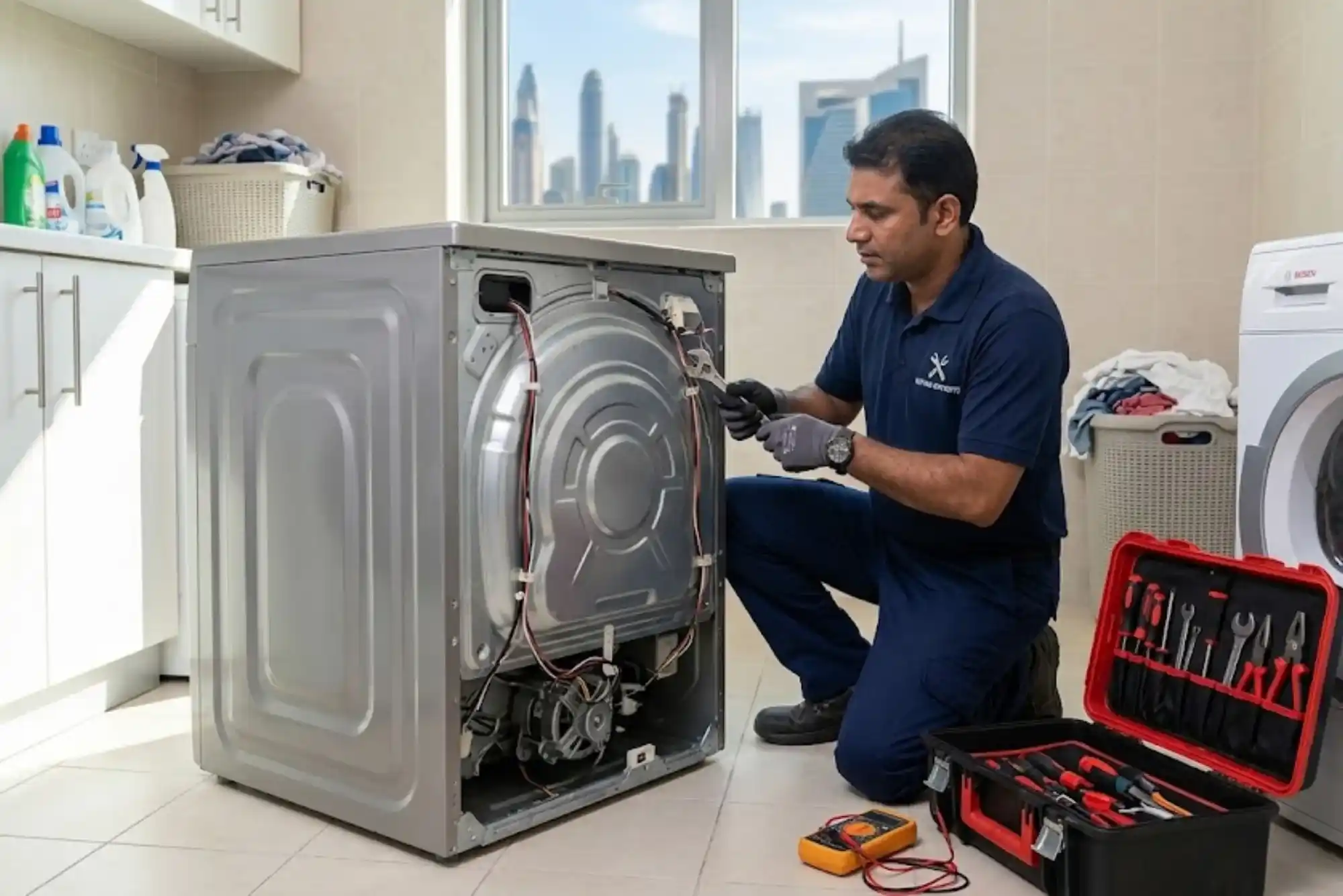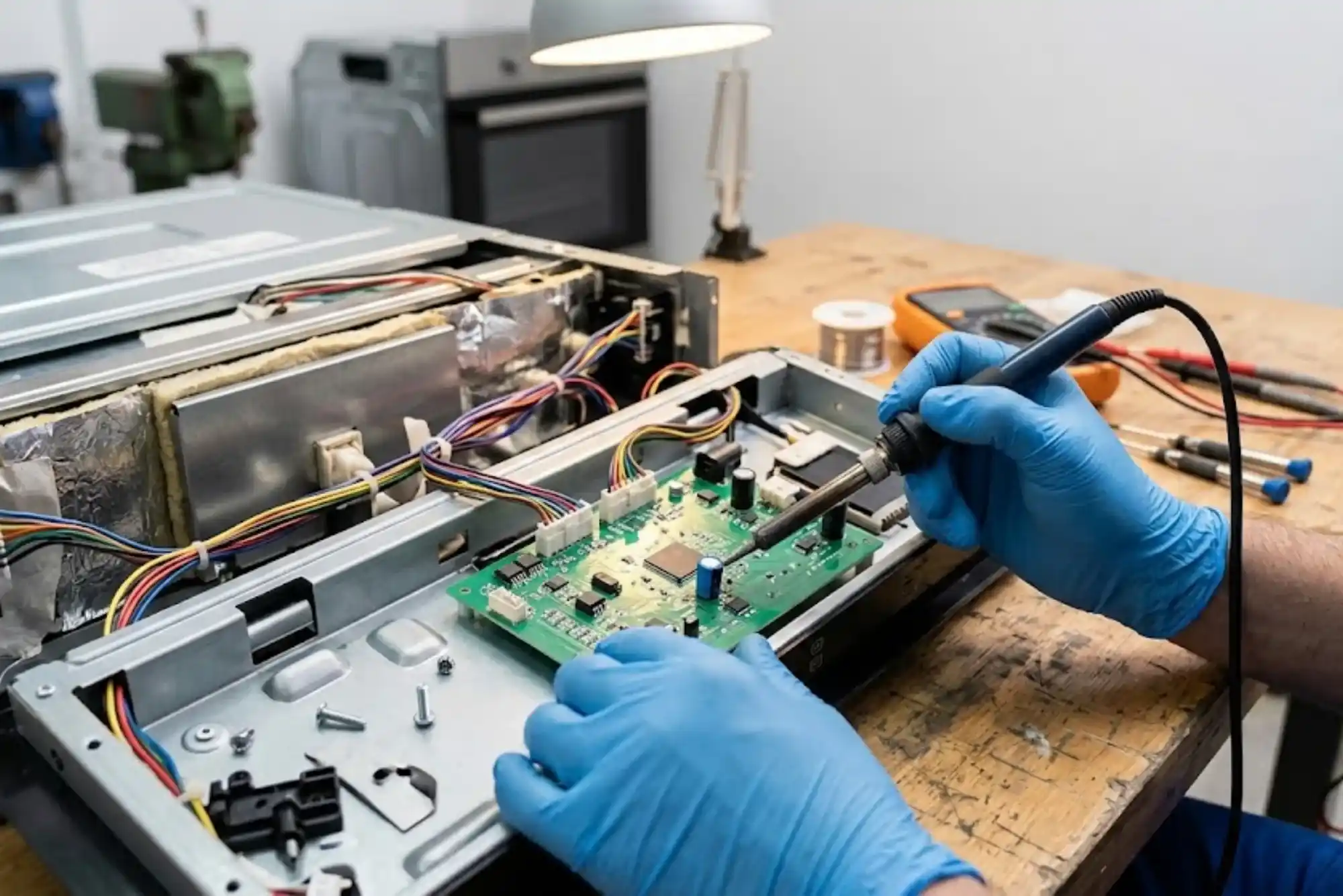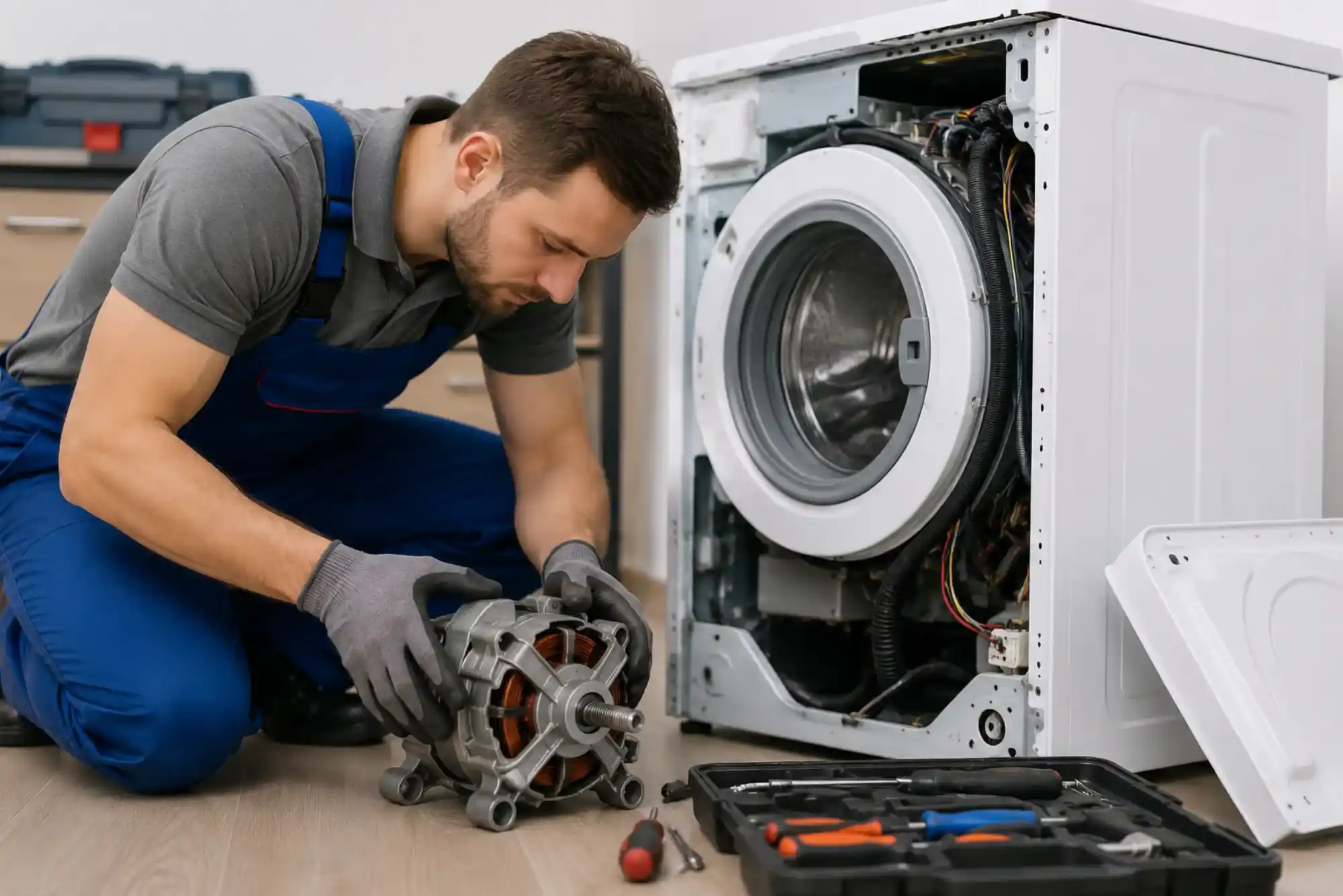
A washing machine depends on its motor to perform one of its most important jobs: rotating the drum during washing, rinsing, and spinning. When the motor starts struggling, the appliance may become noisy, stop spinning, run intermittently, or fail to complete a cycle. Choosing a reliable washing machine motor repair service can help identify the actual fault before a small mechanical or electrical problem develops into a more expensive repair.
Modern washing machines contain several interconnected components, so a motor-related symptom does not always mean that the motor itself has failed. A worn drive system, damaged wiring, control-board problem, overloaded drum, or another mechanical fault can create similar symptoms. This is why proper diagnosis is important before replacing expensive parts.
What Does a Washing Machine Motor Do?
The motor provides the rotational force required to move the washing machine drum. Depending on the appliance design, the motor may work with a belt, pulley, clutch, coupling, or direct-drive system. During different stages of a cycle, the control system adjusts motor operation to achieve the required drum movement and speed.
If the motor cannot produce enough power or cannot receive the correct electrical signal, the washing machine may remain full of water, move slowly, make unusual sounds, or stop before the spin cycle. Understanding the role of the motor makes it easier to recognize when professional inspection may be necessary.
Common Signs of a Washing Machine Motor Problem
Some motor faults appear gradually, while others cause the machine to stop suddenly. Homeowners should pay attention to changes in the appliance’s normal operation.
- The drum does not spin even though the machine turns on.
- The washing machine makes humming, grinding, or unusual mechanical sounds.
- The drum rotates slowly or struggles under a normal load.
- The machine stops during washing or before the spin cycle.
- A burning smell appears during operation.
- The motor starts and stops unexpectedly.
- The machine produces an error related to motor operation.
Some of these symptoms can also be caused by other components. For example, a washing machine that does not spin may have a problem with its belt, door-lock system, drain system, control board, or motor circuit. A useful starting point is this guide on washing machine not spinning problems, which explains why the symptom should not automatically be blamed on the motor.

Why Proper Diagnosis Matters
Replacing a motor without confirming the underlying fault can waste money and may not solve the problem. A professional technician normally checks the appliance systematically, looking at electrical connections, motor operation, drive components, and related controls.
For example, a damaged belt can prevent a motor from transferring power to the drum, while a worn pulley can produce abnormal movement or noise. In direct-drive machines, the diagnostic process can be different because there may not be a conventional belt-and-pulley arrangement.
For homeowners looking for professional assistance, washing machine repair services in Dubai can provide a starting point for arranging an inspection rather than attempting to replace major components without identifying the cause.
Motor Fault vs. Drum or Drive-System Fault
One of the biggest challenges in washer repair is distinguishing a motor problem from a mechanical drive problem. Both can cause poor drum movement, but their repair requirements can be very different.
| Symptom | Possible Cause | Typical Diagnostic Focus |
|---|---|---|
| Drum does not rotate | Motor, belt, control system, or coupling | Motor operation and drive system |
| Grinding noise | Motor bearing or mechanical component | Noise source and drum movement |
| Slow spinning | Motor, belt, overload, or control issue | Load, drive components, and motor performance |
| Burning smell | Electrical or mechanical overheating | Wiring, motor, and related components |
When Professional Motor Repair Is the Better Choice
Electrical motor testing involves live electrical components and should not be approached casually. If the appliance produces a burning smell, repeatedly trips electrical protection, or stops unexpectedly, disconnecting it from power and arranging a qualified inspection is the safer approach.
A professional washing machine motor repair service can also determine whether repair, component replacement, or a broader appliance service is appropriate. For more extensive motor-related issues, homeowners may also find value in washing machine drum and motor repair services.
In some cases, the motor itself may be functioning correctly while another component is responsible for the symptom. This is why experienced troubleshooting focuses on the entire drive system instead of immediately recommending a motor replacement.
For related mechanical issues, washing machine drum repair information can also help homeowners understand how drum-related faults may affect normal operation.
How Technicians Diagnose Washing Machine Motor Faults
A proper diagnosis usually begins with the machine’s symptoms and operating history. A technician may check whether the drum can rotate normally by hand, inspect the drive mechanism, examine visible wiring and connectors, and test relevant electrical components according to the manufacturer’s service requirements. The aim is to identify the failed component rather than replacing parts through guesswork.
Technicians may also consider the washing machine’s age, model, previous repairs, and usage pattern. A machine that has been heavily loaded for a long period may develop different mechanical stresses from an appliance used with smaller loads. The diagnostic process should therefore consider the complete appliance rather than focusing on one symptom.
What Can Cause a Washing Machine Motor to Fail?
Several factors can contribute to motor or motor-system problems. Electrical faults, excessive loads, worn mechanical components, poor ventilation around certain appliance designs, and normal component wear can all affect reliability. In some cases, the motor is not the original source of the problem but becomes affected by another failing component.
Regularly overloading the drum is particularly unhelpful because excessive loads can place additional strain on the drive system. Following the manufacturer’s recommended load capacity and using appropriate washing cycles can help reduce unnecessary mechanical stress.
Repair or Motor Replacement: Which Is Better?
The correct solution depends on the specific fault and the design of the washing machine. Some problems may involve a replaceable electrical or mechanical component, while a severely damaged motor may require replacement. The availability and cost of compatible parts, appliance age, overall condition, and expected remaining service life can also influence the decision.
A qualified technician should explain the diagnosis before major parts are replaced. This gives the homeowner an opportunity to compare the repair cost with the condition of the appliance and make a practical decision.
How to Reduce Future Motor Problems
Although no appliance component lasts forever, sensible use and routine care can reduce avoidable stress on the washing machine.
- Follow the manufacturer’s recommended load capacity.
- Distribute clothes evenly when using the spin cycle.
- Remove objects such as coins and small metal items from pockets before washing.
- Do not continue using the appliance when unusual burning smells or severe noises appear.
- Keep the appliance level to reduce excessive vibration.
- Arrange professional inspection when recurring faults appear.
It is also useful to understand other common washer problems because a motor symptom can sometimes be linked to a separate fault. For example, vibration, excessive loading, and uneven loads can affect how the drum and drive system operate.
Why Choosing the Right Repair Service Matters
When searching for a washing machine motor repair service, homeowners should look beyond a quick price estimate. A good repair provider should be able to identify the fault, explain the recommended repair, and use compatible replacement components where replacement is necessary.
Experience with different washing machine designs is also valuable. Front-load and top-load machines can use different mechanical arrangements, while newer models may include sophisticated electronic controls and sensor systems. A technician familiar with the appliance type can approach the diagnosis more systematically.
Frequently Asked Questions
Can a washing machine run if its motor is failing?
Yes. A partially failing motor may allow the machine to operate intermittently, rotate slowly, or work during some parts of a cycle before stopping. Intermittent operation should still be investigated because the underlying problem may become worse.
Why does my washing machine hum but not spin?
A humming sound can have several causes, including a motor problem, a blocked or restricted system, or a mechanical drive fault. The sound alone is not enough to confirm motor failure, so professional diagnosis may be required.
Is it worth repairing a washing machine motor?
It can be worthwhile when the rest of the appliance is in good condition and the repair cost is reasonable compared with replacement. The appliance’s age, parts availability, and overall condition should be considered before making the decision.
Can overloading damage the washing machine motor?
Repeated overloading can place additional stress on the drum, motor, and drive components. Staying within the manufacturer’s recommended capacity is a practical way to reduce unnecessary strain.
Should I replace the motor myself?
Motor replacement can involve electrical connections and model-specific components. Unless you have the appropriate technical knowledge and equipment, professional service is generally the safer option.
Conclusion
A washing machine motor is central to normal drum movement, but motor symptoms can also originate from belts, pulleys, couplings, wiring, controls, or other components. For this reason, accurate diagnosis is more valuable than immediately replacing the motor.
If your appliance is making unusual noises, struggling to spin, stopping during cycles, or showing other motor-related symptoms, a professional washing machine motor repair service can help determine the actual cause and recommend the appropriate solution. Timely attention can also prevent a relatively manageable fault from developing into a more extensive appliance repair.
Related Reading: Washing Machine Repair Service
Related Reading: Why Quartz Procurement Keeps Tripping Up Mid-Market Distributors — full guide
Related Reading: AC Blower Motor Repair — full guide
Related Reading: On-Site AC Repair Service
Related Reading: Washing Machine Drum Repair Service
Related Reading: On-Site AC Repair Service — full guide