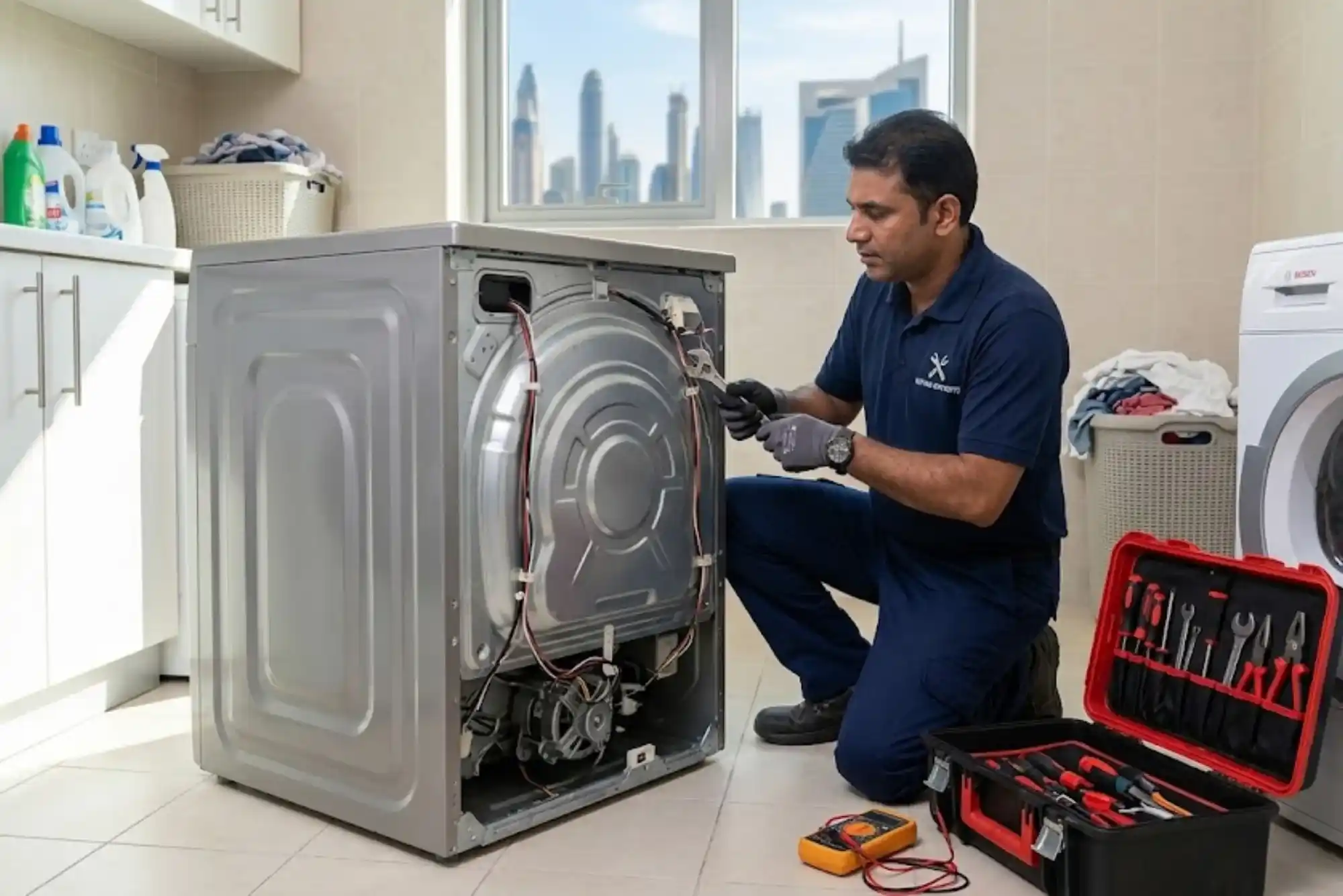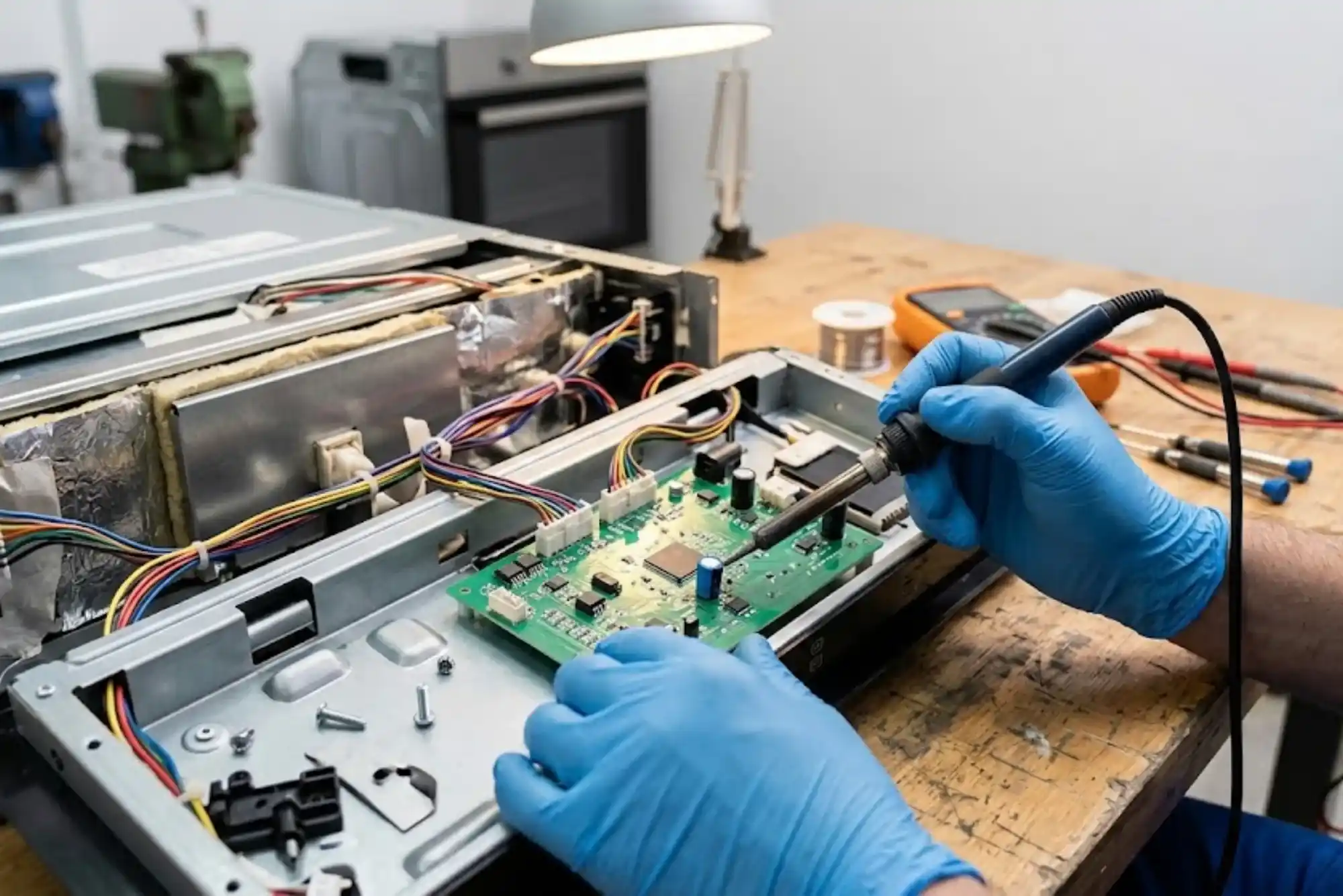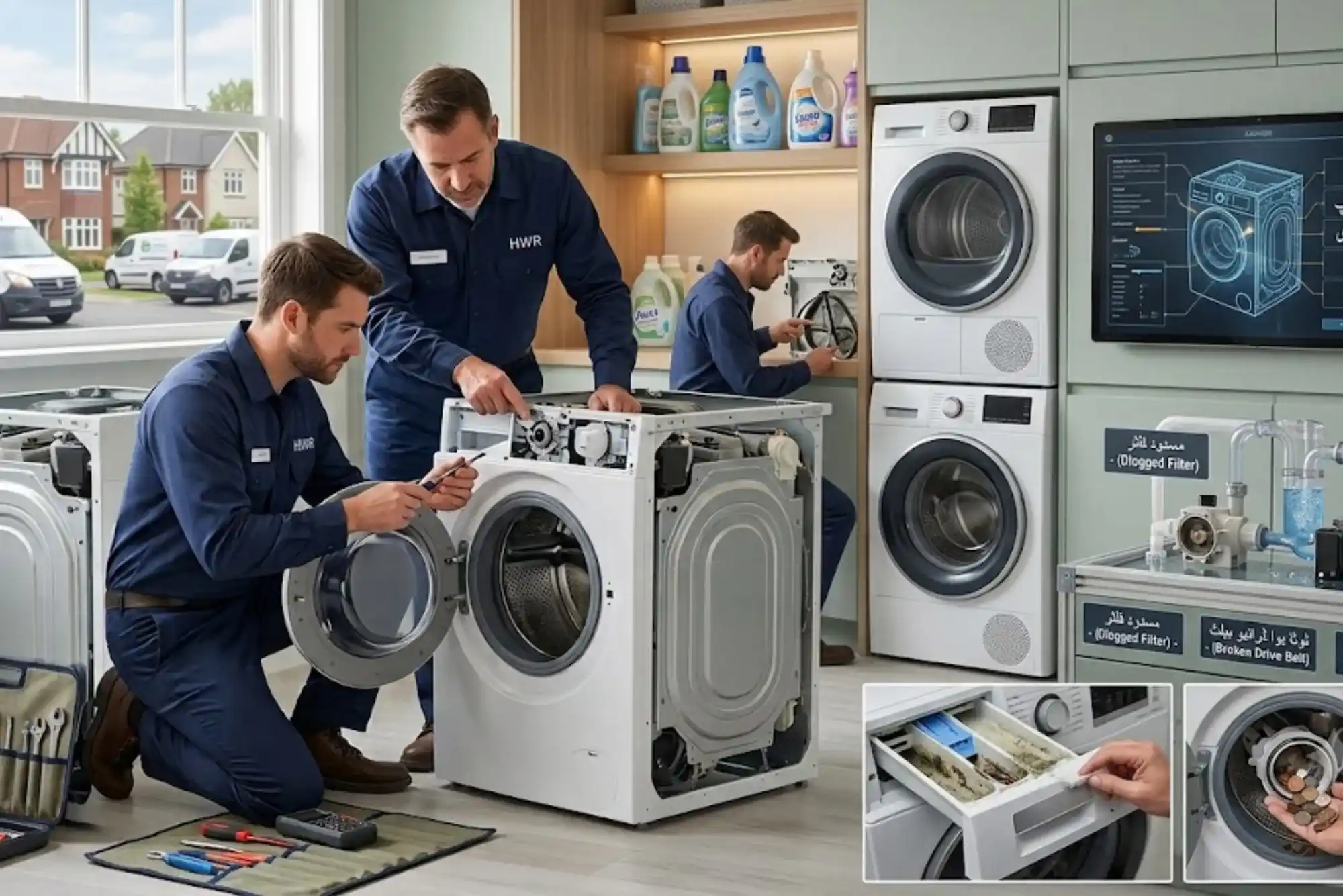
A washing machine is one of the most frequently used appliances in any home. Because it handles heavy loads, water, detergent, and continuous spinning cycles, occasional issues are inevitable. Understanding Common Washing Machine Problems can help you recognize early warning signs, perform basic troubleshooting, and prevent expensive repairs.
Some problems have simple solutions, while others require professional attention to avoid further damage. Regular maintenance and timely inspections can significantly improve your appliance’s performance and extend its lifespan.
In this guide, we’ll explore the most common washing machine issues, explain why they occur, and discuss practical solutions to keep your appliance operating efficiently.
1. Washing Machine Leaking Water
Water leaks are among the most common complaints homeowners experience. Even a small leak can damage flooring and surrounding cabinets if left unresolved.
Possible Causes
- Loose or damaged water hoses
- Faulty door seal or gasket
- Blocked drain pump
- Cracked detergent dispenser
- Internal component wear
Before replacing parts, inspect visible hose connections and ensure they are securely attached. If the leak continues, it’s best to seek professional assistance, especially if internal components are involved.
For a detailed guide on diagnosing leaks, visit washing machine leaking water repair.

2. Washing Machine Not Spinning Properly
A washing machine that completes the wash cycle but leaves clothes soaking wet usually has a spinning issue. This problem can affect washing performance and increase drying time.
Common Reasons
- Unbalanced laundry load
- Worn drive belt
- Damaged motor coupling
- Faulty lid switch
- Control board malfunction
Start by redistributing the laundry evenly inside the drum. If the issue persists after multiple cycles, a mechanical or electrical fault may be preventing the drum from reaching full speed.
You can learn more about this issue through Hafixer’s guide on washing machine not spinning repair.
3. Excessive Vibration and Noise
Modern washing machines are designed to operate quietly. Loud banging, shaking, or unusual vibrations often indicate an underlying problem rather than normal operation.
Possible Causes
- Uneven flooring
- Overloaded drum
- Worn shock absorbers
- Damaged suspension springs
- Improper machine leveling
Always verify that the appliance is sitting on a level surface. Avoid overloading the drum, as excessive weight places unnecessary strain on internal suspension components.
For additional maintenance advice, read washing machine overloading and vibration issues.
4. Washing Machine Won’t Drain
If water remains inside the drum after the wash cycle, your washing machine likely has a drainage problem. Ignoring this issue may lead to unpleasant odors and potential pump damage.
Typical Causes
- Blocked drain hose
- Clogged pump filter
- Faulty drain pump
- Obstructed drainage system
Cleaning the pump filter regularly can prevent many drainage issues. However, if the pump itself has failed, replacement by an experienced technician is usually the safest solution.
5. Detergent Not Dispensing Correctly
Another common issue occurs when detergent remains inside the dispenser after a wash cycle. This reduces cleaning performance and can leave residue on clothing.
Common reasons include clogged dispenser compartments, inadequate water pressure, or mineral buildup restricting water flow. Keeping the dispenser clean and using the correct detergent can often resolve the issue.
For more troubleshooting advice, see why your washing machine won’t dispense detergent.
How Preventive Maintenance Reduces Common Problems
Many washing machine faults develop gradually and can be avoided with regular maintenance. A few simple habits can improve performance, reduce repair costs, and extend the appliance’s lifespan.
Maintenance Best Practices
- Clean the detergent drawer every few weeks.
- Inspect water hoses for cracks or leaks.
- Avoid overloading the drum.
- Leave the door slightly open after each wash to prevent mold growth.
- Clean the drain pump filter periodically.
- Use the recommended amount of detergent.
Routine servicing also helps identify worn components before they fail completely. Scheduling regular inspections can prevent unexpected breakdowns and keep your washing machine running efficiently.
DIY Troubleshooting vs. Professional Repair
| Problem | DIY Check | Professional Repair Recommended |
|---|---|---|
| Minor water leak | Check hose connections | If the leak continues |
| Machine won’t spin | Balance the laundry load | Motor or belt replacement |
| Drainage issue | Clean the drain filter | Faulty drain pump |
| Excessive vibration | Level the machine | Replace suspension parts |
| Detergent remains | Clean dispenser tray | Water inlet valve problems |
Expert Tip: Never ignore unusual noises, leaks, or repeated error codes. Addressing small issues early is often far less expensive than repairing major internal damage caused by continued operation.
When Should You Call a Professional?
While basic maintenance can solve minor issues, certain problems require experienced technicians with the right tools and replacement parts.
Professional service is recommended if you notice:
- Persistent water leaks
- Burning smells or electrical issues
- The drum fails to rotate
- Repeated error codes
- Unusual grinding or knocking noises
- Recurring drainage or filling problems
Choosing a qualified technician ensures accurate diagnosis and safe repairs. If your appliance continues to malfunction despite basic troubleshooting, consider booking a professional washing machine repair service to restore reliable performance.
Frequently Asked Questions
1. What is the most common washing machine problem?
Water leaks, drainage issues, and spinning problems are among the most frequently reported washing machine faults.
2. Can I fix a washing machine myself?
Simple issues such as cleaning filters, balancing loads, and tightening hose connections can often be handled at home. Mechanical or electrical failures should be repaired by professionals.
3. How often should a washing machine be serviced?
Most manufacturers recommend a professional inspection every 12 to 24 months, depending on usage.
4. Why does my washing machine shake violently?
An uneven load, improper leveling, worn shock absorbers, or damaged suspension components are common causes.
5. How can I make my washing machine last longer?
Regular cleaning, avoiding overloads, using the correct detergent, and scheduling preventive maintenance can significantly extend the appliance’s lifespan.
Conclusion
Understanding Common Washing Machine Problems allows homeowners to recognize early warning signs and take appropriate action before small faults become expensive repairs. Issues such as leaking water, poor spinning, drainage failures, excessive vibration, and detergent dispensing problems are often manageable when identified early.
By following good maintenance practices and seeking professional assistance when necessary, you can improve your washing machine’s efficiency, reduce downtime, and enjoy reliable performance for years to come.
Related Reading: Washing Machine Error Codes Explained
Related Reading: Washing Machine Fault Fixing