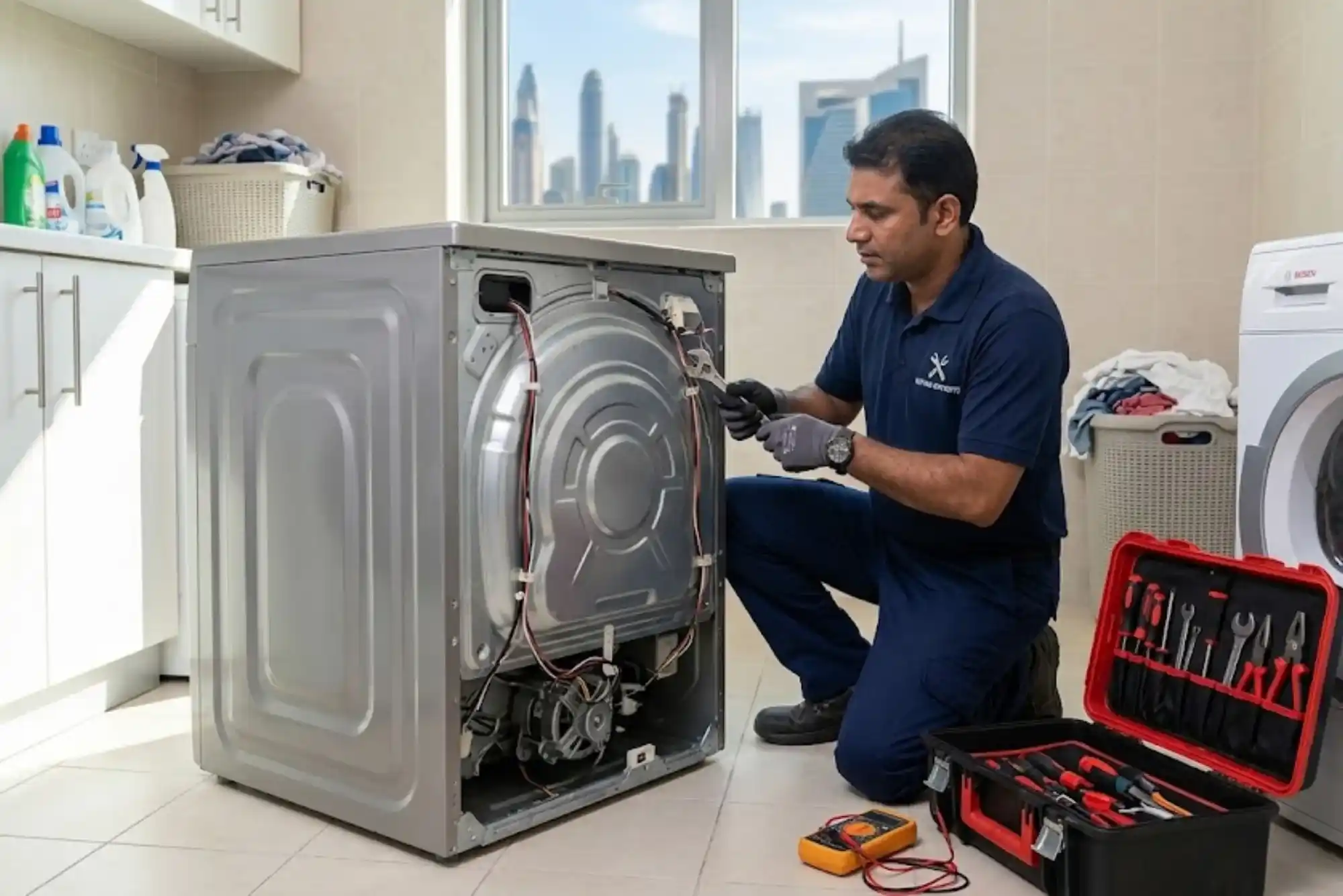
Modern refrigerators are designed to preserve food quality, maintain freshness, and ensure safe storage temperatures around the clock. However, many households and businesses experience uneven cooling, temperature fluctuations, and inconsistent performance without understanding the root cause. Fridge cooling consistency optimization is a critical process that ensures your appliance delivers stable and reliable cooling across all compartments. When cooling becomes unpredictable, food spoilage, increased energy consumption, and mechanical strain follow closely behind.
This article explores fridge cooling consistency optimization in depth, explaining how refrigerators maintain balanced temperatures, what disrupts that balance, and why professional fridge repair service support is often the most effective solution. Whether you own a domestic refrigerator or manage commercial refrigeration systems, understanding cooling consistency can extend appliance life and protect stored food.
Understanding Cooling Consistency in Refrigerators
Cooling consistency refers to a refrigerator’s ability to maintain uniform temperatures throughout its interior while responding efficiently to changes in ambient conditions and usage. A well-optimized refrigerator cools evenly, recovers quickly after door openings, and prevents hot or cold spots that can compromise food safety.
When fridge cooling consistency optimization is achieved, perishable items remain fresh longer, frozen goods stay solid, and energy usage remains stable. In contrast, inconsistent cooling often results in sections that freeze unintentionally while others remain too warm. These temperature imbalances are often gradual, making them difficult to notice until problems become severe.
Refrigerators rely on a carefully balanced system of compressors, evaporator coils, fans, sensors, and control boards. Each component must function correctly to maintain cooling harmony. When one element fails or underperforms, the entire system loses balance.
Why Fridge Cooling Consistency Optimization Matters
Consistent cooling is not just about comfort or convenience. It directly affects food safety, appliance efficiency, and long-term operating costs. Poor temperature control increases the risk of bacterial growth, especially in dairy, meat, and cooked foods. Even minor temperature fluctuations can significantly reduce shelf life.

From an efficiency standpoint, inconsistent cooling forces the compressor to work harder and longer. This increases electricity consumption and accelerates wear on internal components. Over time, the cost of higher utility bills and repeated repairs often exceeds the cost of early fridge cooling consistency optimization.
Professional fridge repair service providers frequently encounter refrigerators that could have been restored easily if cooling inconsistencies had been addressed earlier. Preventive optimization protects both your food and your investment.
How Refrigerators Maintain Cooling Balance
A refrigerator’s cooling system works as a closed loop designed to regulate temperature precisely. The compressor circulates refrigerant through the system, absorbing heat from inside the fridge and releasing it outside. The evaporator fan distributes cold air evenly, while temperature sensors monitor conditions and send data to the control board.
Fridge cooling consistency optimization depends heavily on accurate sensor readings and unrestricted airflow. When cold air circulates freely and sensors respond correctly, the system maintains stable temperatures even during heavy usage. Door openings, changes in room temperature, and food loading are all accounted for within the system’s design parameters.
Any disruption to this balance, whether mechanical or electronic, compromises cooling stability. This is why professional diagnostics from a fridge repair service are often required to identify subtle issues.
Common Causes of Cooling Inconsistency
Cooling inconsistency rarely stems from a single obvious failure. More often, it results from a combination of small issues that worsen over time. Dirty condenser coils reduce heat dissipation, forcing the compressor to cycle irregularly. Faulty door seals allow warm air to enter, causing temperature fluctuations that stress the cooling system.
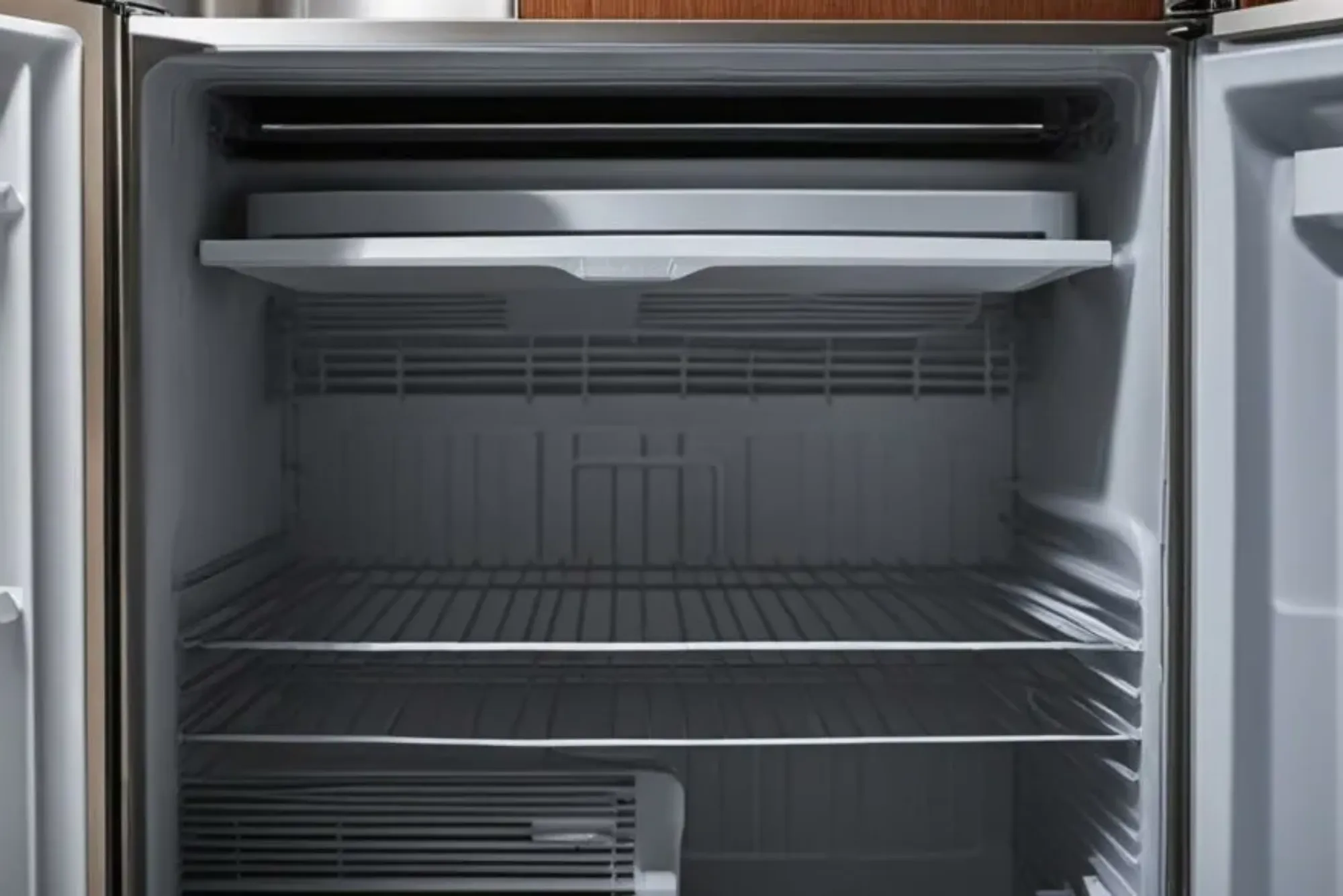
Blocked vents inside the refrigerator can prevent even air distribution, leading to warm zones and frozen sections. Malfunctioning fans fail to circulate air properly, while inaccurate thermostats send incorrect signals to the control system.
Fridge cooling consistency optimization involves identifying and correcting these hidden inefficiencies before they cause complete system failure. A qualified fridge repair service can assess each component systematically to restore balanced performance.
The Role of Temperature Sensors and Control Boards
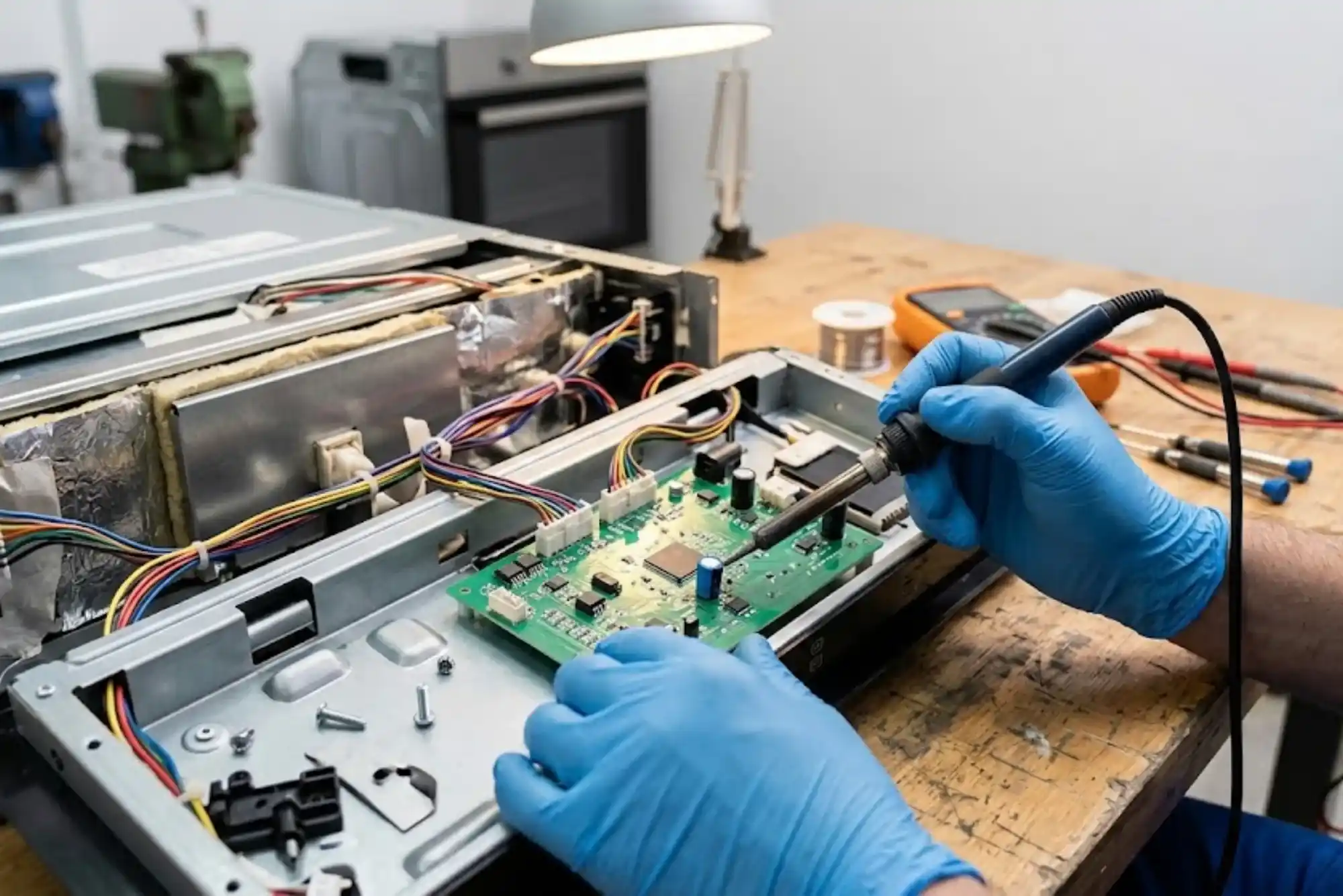
Modern refrigerators rely heavily on electronic controls to regulate cooling precisely. Temperature sensors provide real-time data that the control board uses to adjust compressor cycles and fan speeds. When these sensors drift out of calibration or fail entirely, the refrigerator loses its ability to regulate temperature accurately.
Control board issues can be particularly challenging because symptoms may appear intermittent. The fridge may cool properly for hours or days before suddenly fluctuating. Fridge cooling consistency optimization requires advanced diagnostic tools to test sensor accuracy and control board response.
Professional fridge repair service technicians are trained to identify these electronic issues and recalibrate or replace components as needed. Attempting to resolve such problems without proper expertise often leads to further damage.
Airflow Management and Internal Layout
Airflow plays a crucial role in maintaining consistent cooling. Cold air must circulate freely between shelves, drawers, and compartments to maintain uniform temperatures. Overloaded refrigerators or poorly arranged contents can obstruct vents, creating localized temperature variations.
Fridge cooling consistency optimization includes evaluating internal airflow patterns and adjusting shelving or vent covers when necessary. In some cases, internal fans may require cleaning or replacement to restore proper circulation.
A fridge repair service can assess airflow efficiency and recommend layout adjustments or component repairs that improve cooling balance without compromising storage capacity.
Energy Efficiency and Cooling Stability
Energy efficiency and cooling consistency are closely linked. A refrigerator that struggles to maintain stable temperatures consumes more power and experiences higher mechanical stress. Optimizing cooling consistency reduces compressor runtime and stabilizes energy usage.
Fridge cooling consistency optimization is especially important in regions with high ambient temperatures, where refrigerators work harder to maintain internal cooling. Proper insulation, clean coils, and responsive controls ensure efficient operation even under challenging conditions.
Professional fridge repair service interventions often focus on restoring efficiency as much as cooling performance, delivering long-term savings alongside improved reliability.
Signs Your Fridge Needs Cooling Optimization
Inconsistent temperatures often present subtle warning signs before becoming severe. Food spoils faster than expected, condensation forms inside the fridge, or ice accumulates unevenly in the freezer. Unusual noises, frequent compressor cycling, and fluctuating internal temperatures all indicate compromised cooling stability.
Ignoring these signs can lead to more extensive damage. Fridge cooling consistency optimization at the first indication of trouble prevents costly breakdowns and preserves food quality. A timely fridge repair service inspection can identify issues early and restore balanced operation.
Professional Diagnosis vs DIY Adjustments
While basic maintenance such as cleaning coils and checking door seals can help, many cooling consistency issues require professional expertise. Electronic faults, refrigerant issues, and airflow imbalances are difficult to diagnose without specialized tools.
Fridge cooling consistency optimization performed by a professional fridge repair service ensures that all components are tested systematically. This approach eliminates guesswork and addresses underlying causes rather than surface symptoms.
DIY adjustments may offer temporary relief but often fail to resolve deeper issues. Professional intervention provides reliable, long-lasting results.
The Importance of Preventive Maintenance
Preventive maintenance is one of the most effective strategies for maintaining cooling consistency. Regular inspections, component testing, and performance tuning keep the refrigerator operating within optimal parameters.
Fridge cooling consistency optimization is not a one-time process but an ongoing commitment to appliance health. Scheduled servicing by a trusted fridge repair service extends appliance lifespan, reduces energy costs, and ensures consistent food preservation.
Preventive maintenance also helps identify emerging issues before they escalate, minimizing downtime and inconvenience.
Commercial Refrigeration and Cooling Optimization
In commercial environments, cooling consistency is even more critical. Restaurants, supermarkets, and medical facilities rely on precise temperature control to meet safety regulations and protect inventory.
Fridge cooling consistency optimization in commercial systems involves advanced monitoring, load management, and component calibration. Professional fridge repair service providers specializing in commercial refrigeration understand the unique demands of high-capacity systems and heavy usage cycles.
Consistent cooling in commercial refrigerators protects business reputation, reduces waste, and ensures regulatory compliance.
When to Call a Fridge Repair Service
Not all cooling issues require immediate replacement, but many require professional attention. If temperature fluctuations persist despite basic maintenance, or if the refrigerator struggles to maintain set temperatures, professional support is essential.
A certified fridge repair service can perform comprehensive diagnostics, identify hidden faults, and implement targeted solutions. Fridge cooling consistency optimization performed by professionals restores reliability and prevents further damage.
Delaying service often increases repair complexity and cost, making early intervention the most cost-effective choice.
Long-Term Benefits of Cooling Consistency Optimization
Optimizing cooling consistency delivers lasting benefits beyond immediate performance improvement. Food stays fresher longer, energy bills decrease, and appliance lifespan extends significantly.
Fridge cooling consistency optimization also enhances user confidence, eliminating uncertainty about food safety and storage conditions. With professional fridge repair service support, refrigerators operate as intended, delivering stable performance year after year.
This proactive approach transforms refrigeration from a reactive expense into a reliable household or business asset.
Final Thoughts on Fridge Cooling Consistency Optimization
Fridge cooling consistency optimization is a vital yet often overlooked aspect of appliance care. Stable cooling ensures food safety, energy efficiency, and long-term reliability. Inconsistent temperatures signal underlying issues that require prompt attention.
By understanding how refrigerators maintain cooling balance and recognizing early warning signs, users can take proactive steps toward optimization. Professional fridge repair service providers play a crucial role in diagnosing complex issues and restoring optimal performance.