Air conditioning is a vital part of daily life in Dubai, where extreme temperatures demand reliable cooling. When your AC thermostat stops responding, it can cause discomfort, erratic temperature changes, and unnecessary energy consumption. Understanding the reasons behind a non-responsive thermostat and knowing how to implement an AC thermostat not responding fix is essential for homeowners and businesses alike. This guide provides professional insights into troubleshooting, repair, and preventive strategies for maintaining optimal AC performance.
Understanding the Role of an AC Thermostat
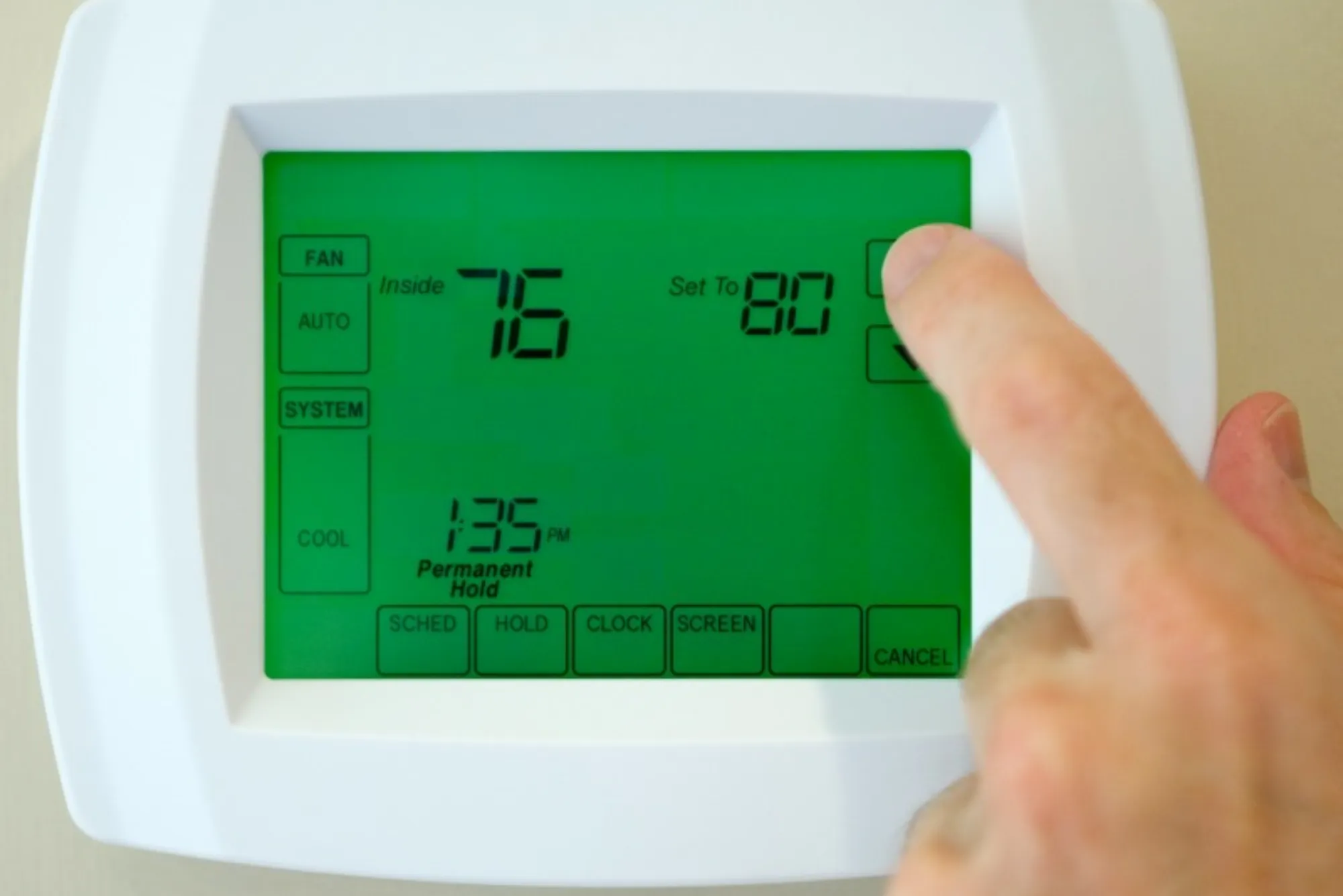
The thermostat acts as the control center of your air conditioning system. It continuously monitors the temperature of your indoor environment and signals the AC unit to start or stop based on your settings. When the thermostat malfunctions, it can disrupt this communication, causing the AC to behave unpredictably. You might notice the system failing to reach the desired temperature, running continuously, or turning off unexpectedly. Because the thermostat governs the system’s operation, any issue with it can have a direct impact on your comfort, energy efficiency, and the longevity of your AC unit.
Common Causes of a Non-Responsive Thermostat
A thermostat may stop responding for a variety of reasons. Electrical issues, such as a tripped circuit breaker or depleted batteries in battery-powered models, are frequent causes. Over time, wiring can loosen, corrode, or sustain damage, disrupting the communication between the thermostat and the AC unit. Modern digital thermostats, while offering advanced features, may occasionally experience software glitches, misconfigurations, or require recalibration. Older mechanical thermostats can lose sensitivity due to wear and tear, resulting in inaccurate temperature readings. Environmental factors, including placement near heat sources, sunlight, or air vents, may also interfere with proper thermostat operation.
Signs Your Thermostat Needs Attention
It is important to recognize the signs of a malfunctioning thermostat before they escalate into more serious issues. A non-responsive thermostat may fail to adjust the temperature according to settings, cause the AC to cycle on and off irregularly, or display error messages. In some cases, the display may remain blank despite functioning power connections. Ignoring these warning signs can lead to increased energy consumption, frequent breakdowns, and additional stress on your air conditioning system.
Troubleshooting an AC Thermostat Not Responding
Before calling a professional, there are several steps you can take to identify and resolve thermostat issues. Start by ensuring the thermostat has a reliable power source. Battery-operated models may require fresh batteries, while wired units should be checked for consistent electricity supply and circuit breaker functionality.
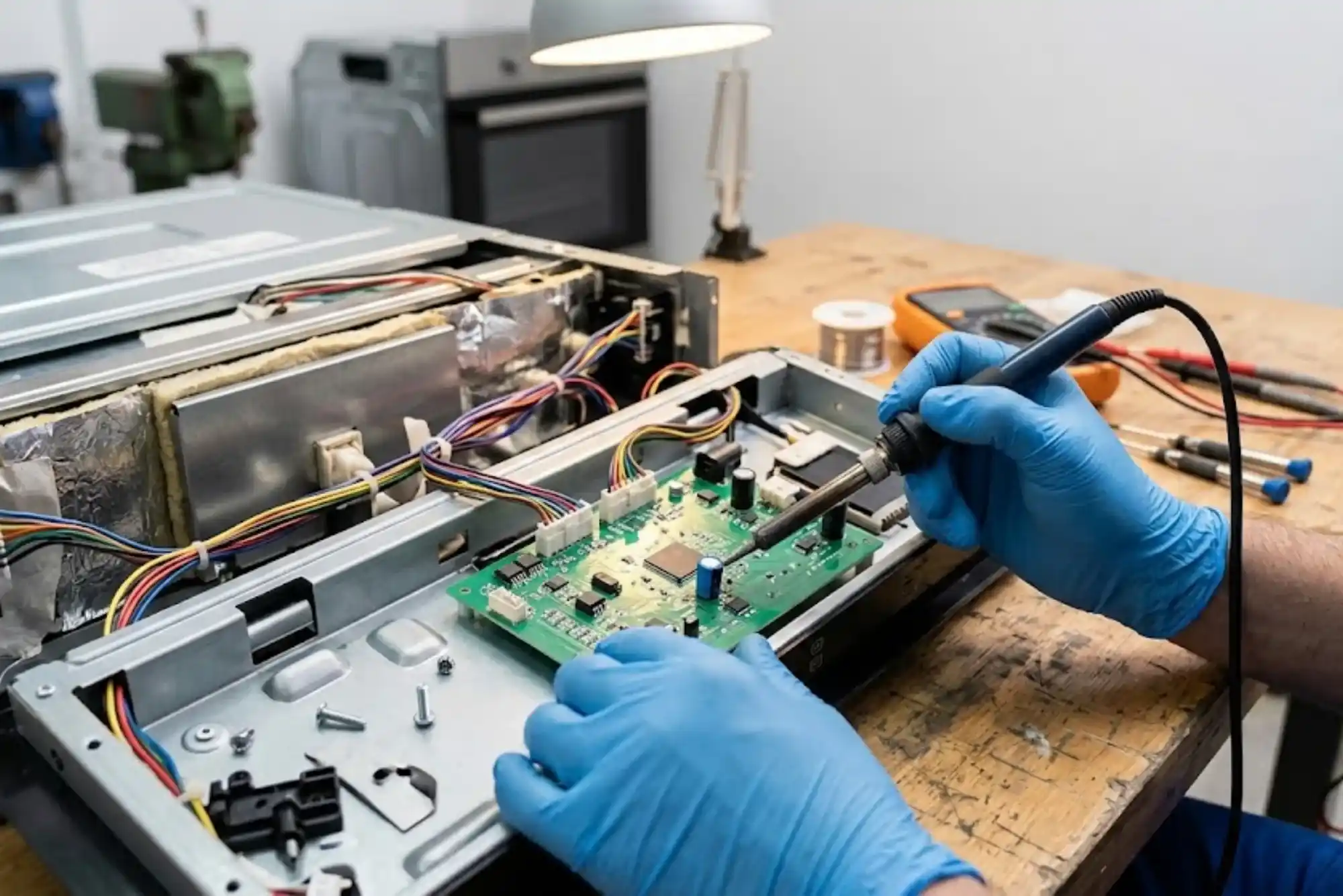
Next, examine the thermostat wiring. Connections that are loose, frayed, or corroded can prevent proper communication with the AC system. Carefully inspecting the wiring, securing loose connections, or replacing damaged wires can restore normal operation. It is important to switch off the power before performing any inspection to avoid electrical hazards.

The thermostat’s sensor also plays a key role in system performance. Sensors measure the ambient temperature and signal the AC unit to adjust accordingly. If the sensor is faulty or inaccurately reading the room temperature, the AC may overcool or undercool the space. Proper placement of the thermostat away from heat sources, direct sunlight, and vents can improve its accuracy, and replacing a defective sensor ensures reliable temperature control.
For digital thermostats, resetting or recalibrating the device can often resolve software glitches or configuration errors. Consulting the manufacturer’s instructions ensures the thermostat is reset correctly, restoring accurate temperature readings and smooth communication with the AC system.
When to Seek Professional Help
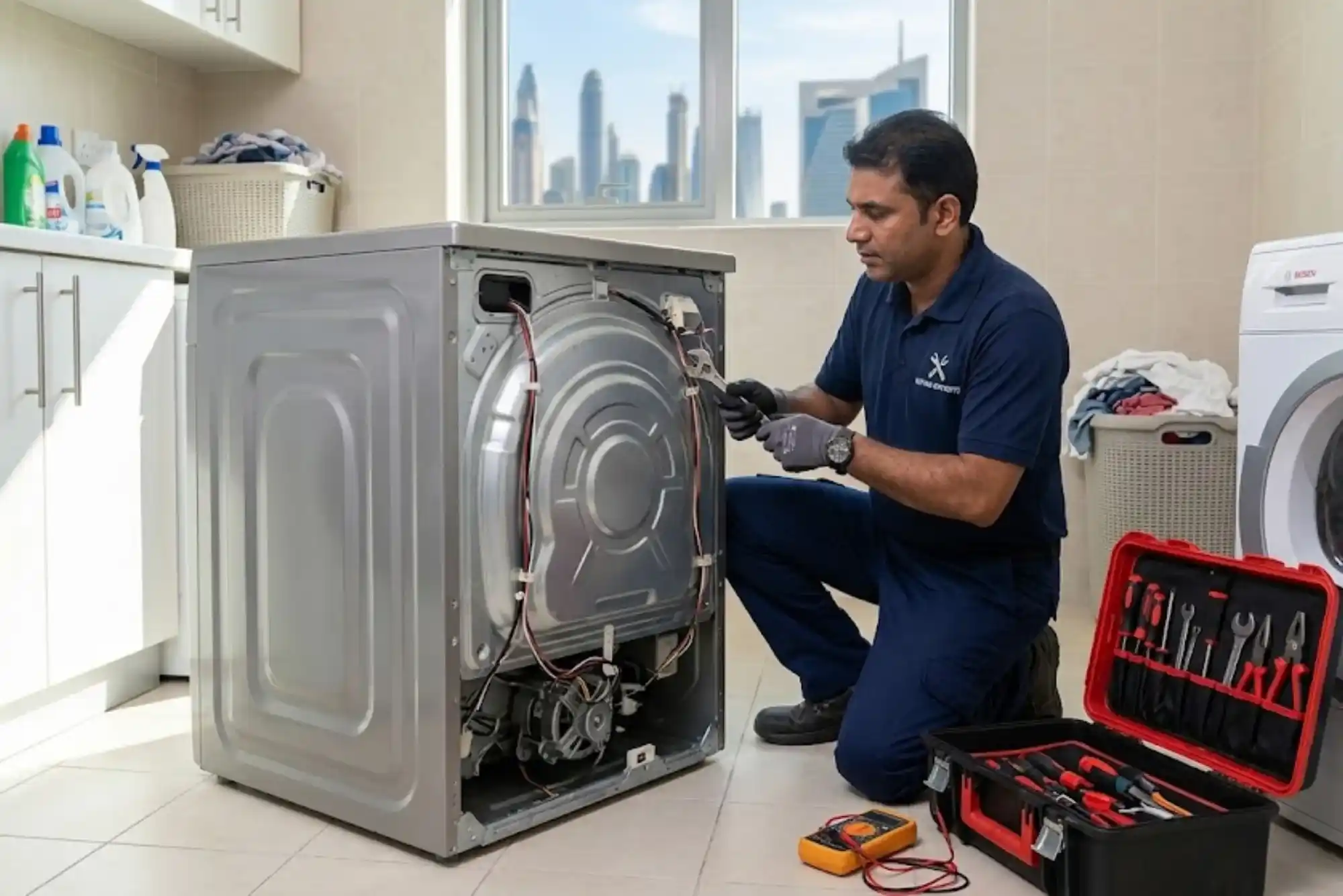
While some issues can be resolved with basic troubleshooting, many thermostat problems require professional intervention. Certified HVAC technicians in Dubai possess the skills and tools to diagnose complex issues accurately. They can replace faulty thermostats, repair damaged wiring, and calibrate systems to ensure optimal performance. Attempting repairs without proper expertise can result in injury, further damage to the AC unit, or additional costs. Professional service ensures that your AC system operates reliably, efficiently, and safely.
Preventive Measures for Thermostat Longevity
Preventing thermostat issues is always preferable to repairing them. Regular maintenance, including battery replacement and cleaning, helps maintain proper function. Annual servicing by a qualified technician ensures the thermostat and AC system are inspected and any minor issues are addressed before they escalate. Upgrading to modern smart thermostats provides added reliability and convenience, including remote monitoring, programmable schedules, and automated diagnostic alerts. Proper placement of the thermostat in a stable environment away from heat sources, sunlight, and vents is also essential for accurate performance.
Energy Efficiency and Cost Benefits
A responsive thermostat is crucial for energy efficiency. A malfunctioning thermostat can cause the AC to run continuously or cycle irregularly, leading to higher electricity bills and wasted energy. Repairing or replacing a faulty thermostat ensures that the system only operates when necessary, reducing energy consumption and maintaining consistent indoor temperatures. In a city like Dubai, where AC usage is extensive, optimizing energy efficiency has both economic and environmental benefits.
At Hafixer, we provide expert insights and reliable solutions in our Latest Blog section, helping users stay informed about common home appliance issues and their fixes. One of our key focus topics is AC high electricity consumption, where we explain practical ways to reduce power usage and improve cooling efficiency.
Protecting Your AC System
Maintaining a fully functional thermostat also protects the longevity of your AC unit. When the thermostat fails, the AC system may endure unnecessary strain due to constant operation or irregular cycling. Over time, this can damage components such as compressors or fan motors, leading to expensive repairs or the need for full system replacement. By addressing thermostat problems promptly and following preventive measures, homeowners can ensure that their AC systems remain reliable and efficient for years to come.
A functional thermostat is the heart of any air conditioning system, ensuring comfort, energy efficiency, and longevity. A non-responsive thermostat can arise from electrical issues, wiring problems, sensor malfunctions, software glitches, or natural wear and tear. Understanding the causes, implementing basic troubleshooting steps, and seeking professional service when necessary provides an effective AC thermostat not responding fix.
Residents in Dubai should remain vigilant for early warning signs and prioritize preventive care to maintain consistent indoor comfort, reduce repair costs, and maximize the lifespan of their AC systems. By combining professional service with routine maintenance, homeowners can enjoy uninterrupted cooling, energy efficiency, and peace of mind throughout the year.