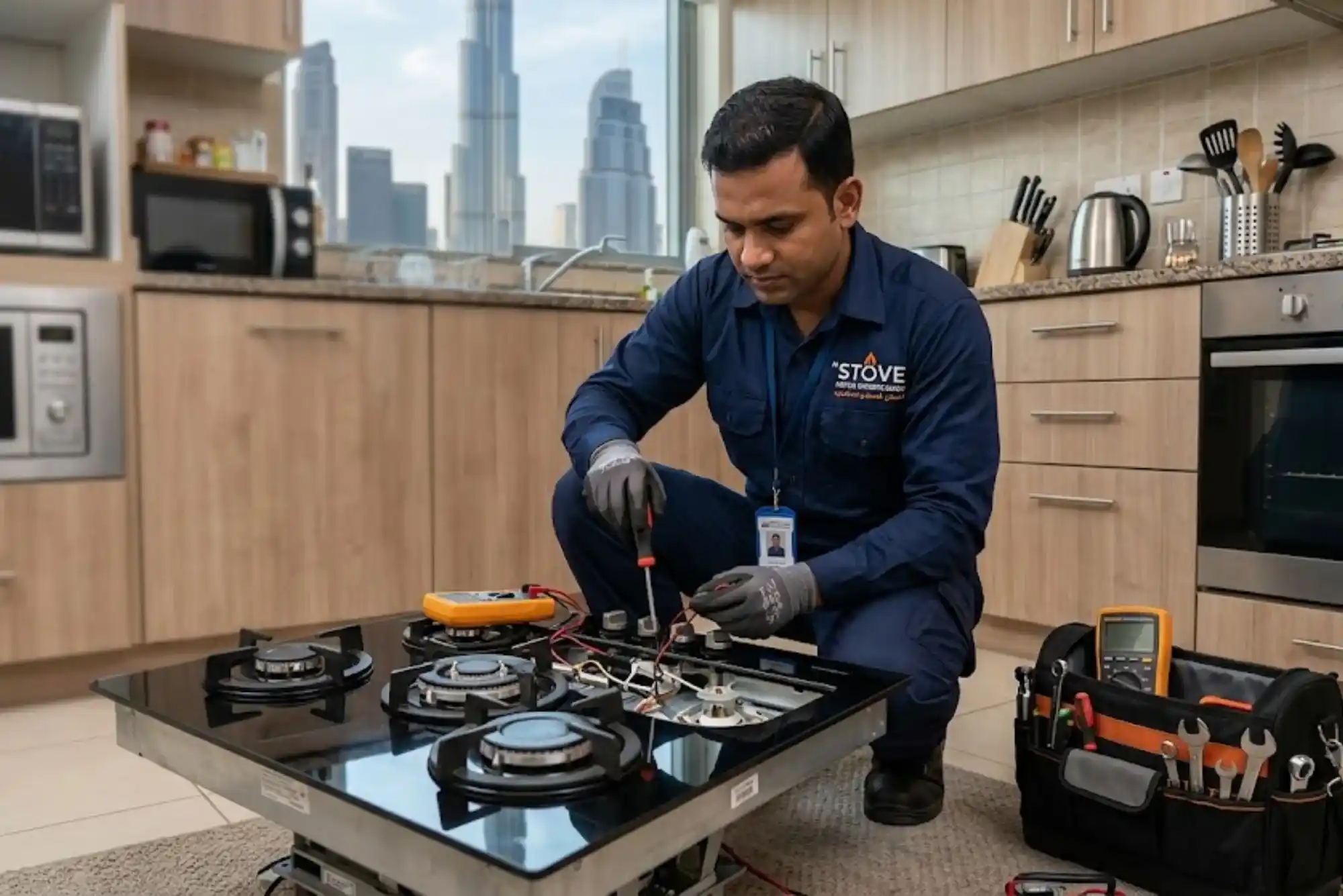
The indicator light on your stove is one of those features that many homeowners take for granted—until it stops working as expected. For most modern electric stoves, these lights serve as a crucial visual cue that a burner is on, hot, or still cooling down. In some cases, stoves also use indicator lights to signal faults or to provide assurance that electricity is flowing properly. When these lights begin to malfunction, it is not only inconvenient but also a potential safety concern. Understanding why stove indicator lights fail, what the underlying causes might be, and how the issue connects to your appliance’s broader functionality can help you take corrective action quickly and safely.
The Role of Indicator Lights in Stove Functionality
Stove indicator lights are not merely decorative features; they are designed to deliver safety information. In electric models, the light usually turns on when the corresponding heating element receives power. Some stoves include a second “hot surface” light that remains on until the burner surface cools below a safe threshold. Gas stoves with electrical ignition may also incorporate lights that indicate an active ignition system or a malfunction.
This visual feedback prevents accidental burns and reassures users that the stove is behaving as expected. When the lights fail, you lose this safeguard, leaving you dependent only on touch or guesswork.
Electrical Pathways and Their Vulnerability
Indicator lights rely on consistent electrical pathways. When a stove burner control knob is turned, it completes an electrical circuit that energizes both the burner element and the small bulb or LED that serves as the indicator. Over time, these pathways experience stress from heat, power fluctuations, and mechanical wear.
Loose connections, corroded contacts, or a degraded control switch can disrupt this current flow. In many cases, the malfunction is not within the light itself but within the switch or wiring that feeds it. Because these circuits operate alongside high-voltage components, even small breakdowns can produce unreliable signals to the light.
The Fragility of the Indicator Bulb
Though newer stoves often use durable LEDs, older models may still rely on incandescent or neon bulbs. These bulbs can burn out in the same way a household lightbulb does. The difference is that most people do not realize an indicator bulb is a replaceable component, assuming instead that the problem must be electrical or mechanical.
Heat exposure accelerates the failure of such bulbs. Positioned near burners or enclosed behind control panels, indicator lights operate in higher-than-average temperatures, which shorten their lifespan. A simple bulb replacement may be all that is needed, though accessing the part often requires disassembling part of the stove.
Control Switch Failures
Each stove burner is controlled by an infinite switch or a thermostat-based control. These devices regulate power to the heating element while simultaneously routing current to the indicator light. When these switches wear out, they can misdirect power or fail to engage the light circuit.
A defective control switch may still heat the burner while leaving the light dark, creating the impression that the light itself has failed. Conversely, a faulty switch can keep the indicator glowing even when the burner is off, which poses an obvious safety hazard. Diagnosing this requires multimeter testing, but the underlying principle is that a failing switch can mimic or mask an indicator light problem.
Wiring Harness and Connection Issues
Between the switch, the element, and the indicator lies a web of wires. These wiring harnesses endure repeated heating and cooling cycles, which expand and contract the metal. Over years of use, insulation may degrade, and connections may loosen. A loose spade connector or a brittle wire can interrupt the current destined for the light.
This problem is particularly tricky because intermittent wiring issues may cause the light to flicker or behave inconsistently. Unlike a bulb that fails completely, wiring faults can produce symptoms that seem random, confusing users about the true nature of the malfunction.
The Impact of Moisture and Residue
Kitchen environments introduce two persistent challenges: moisture and grease. Steam from boiling water and airborne cooking residues can penetrate control panels and corrode connections. Once moisture finds its way into the switch or indicator assembly, it accelerates wear and can even short the circuit.
This is why professional repair technicians often find a layer of sticky residue inside control panels of older stoves. That residue not only damages contacts but also insulates heat, raising the operating temperature of delicate parts like indicator bulbs. Over time, this environmental stress undermines the stability of the light’s operation.
Hot Surface Indicators and Their Unique Vulnerability
Many modern electric stoves are equipped with hot surface indicator lights independent of the burner switches. These rely on temperature-sensitive components that detect when a burner remains above a certain heat level. Malfunctions here often stem from sensor failure rather than wiring or bulbs.
A faulty sensor can keep the light glowing long after the surface cools, or it may fail to activate at all, depriving the user of an important safety warning. Because these sensors are embedded within the ceramic or glass cooktop structure, repair often requires specialized replacement parts and skilled installation.
Circuit Board and Electronic Control Failures
High-end stoves increasingly rely on central electronic control boards. These boards orchestrate multiple functions, including burner power, timers, error detection, and indicator lights. When an indicator fails in such stoves, the culprit may be a failed relay, capacitor, or trace on the board itself.
Unlike mechanical switches, electronic boards integrate all control logic, making it harder to isolate the failure. In these cases, replacing the entire board is often the only solution. This introduces higher repair costs, which can lead some owners to weigh repair against replacement of the appliance.
Safety Risks Associated with Malfunctioning Indicator Lights
The most pressing reason to address indicator light malfunctions is safety. A dark light may encourage a user to touch what appears to be a cool surface, leading to burns. A light that remains on unnecessarily can cause users to ignore valid warnings in the future, eroding trust in the appliance’s feedback.
For households with children or elderly family members, the reliability of these lights is especially critical. What might seem like a minor inconvenience actually represents a breakdown in the stove’s designed safety system.
Diagnosing the Root Cause
Effective troubleshooting requires a systematic approach. Visual inspection often reveals obvious issues such as burned-out bulbs, loose connectors, or charred wiring. When no physical damage is evident, technicians rely on multimeter testing to confirm continuity and proper current flow through the indicator circuit.
Distinguishing between a failed bulb and a failed switch is often the central diagnostic challenge. Because these parts are inexpensive compared to the labor involved, technicians sometimes replace both in a preventive manner when one fails.
The Role of Preventive Maintenance
Like most appliance issues, indicator light problems can be delayed or avoided through regular maintenance. Keeping control panels clean, ensuring that moisture is wiped away promptly, and avoiding the use of harsh chemical cleaners near knobs and switches all contribute to longer component life.
For stoves in high-use environments, occasional professional inspections can catch wiring degradation before it compromises safety. Just as importantly, routine checks can confirm that hot surface indicators remain reliable, preventing dangerous surprises.
When Professional Repair Is Necessary
While some indicator light issues can be resolved by replacing a bulb or cleaning connections, many involve high-voltage circuits that present real risks for untrained individuals. Attempting DIY repairs without understanding stove wiring can result in electrical shock, short circuits, or fire hazards.
Calling a professional technician ensures that the problem is diagnosed correctly and that the repair meets safety standards. In particular, if the issue involves electronic control boards or embedded sensors, professional service is the only practical route.
Cost Considerations and Repair Versus Replacement
The cost of fixing an indicator light varies dramatically depending on the cause. A simple bulb replacement may cost little, while replacing a control board can approach several hundred dollars. For older stoves, this raises the question of whether repair is worthwhile compared to investing in a new appliance.
Consumers should weigh not only repair costs but also the efficiency and safety features of modern models. A malfunctioning indicator light may be the first sign of broader aging in the appliance, prompting a discussion about long-term value
Stove indicator lights may appear to be minor components, but they represent a critical link in your appliance’s safety and usability. Their failure can stem from simple causes like burned-out bulbs or more complex issues involving wiring, sensors, and control boards. Ignoring these malfunctions exposes households to risks that far outweigh the inconvenience of a dark or misleading light.
By understanding the range of possible causes and the importance of prompt, professional diagnosis, you can ensure that your stove remains both safe and dependable. Whether through repair, maintenance, or eventual replacement, addressing indicator light issues promptly is an investment in both peace of mind and household safety.