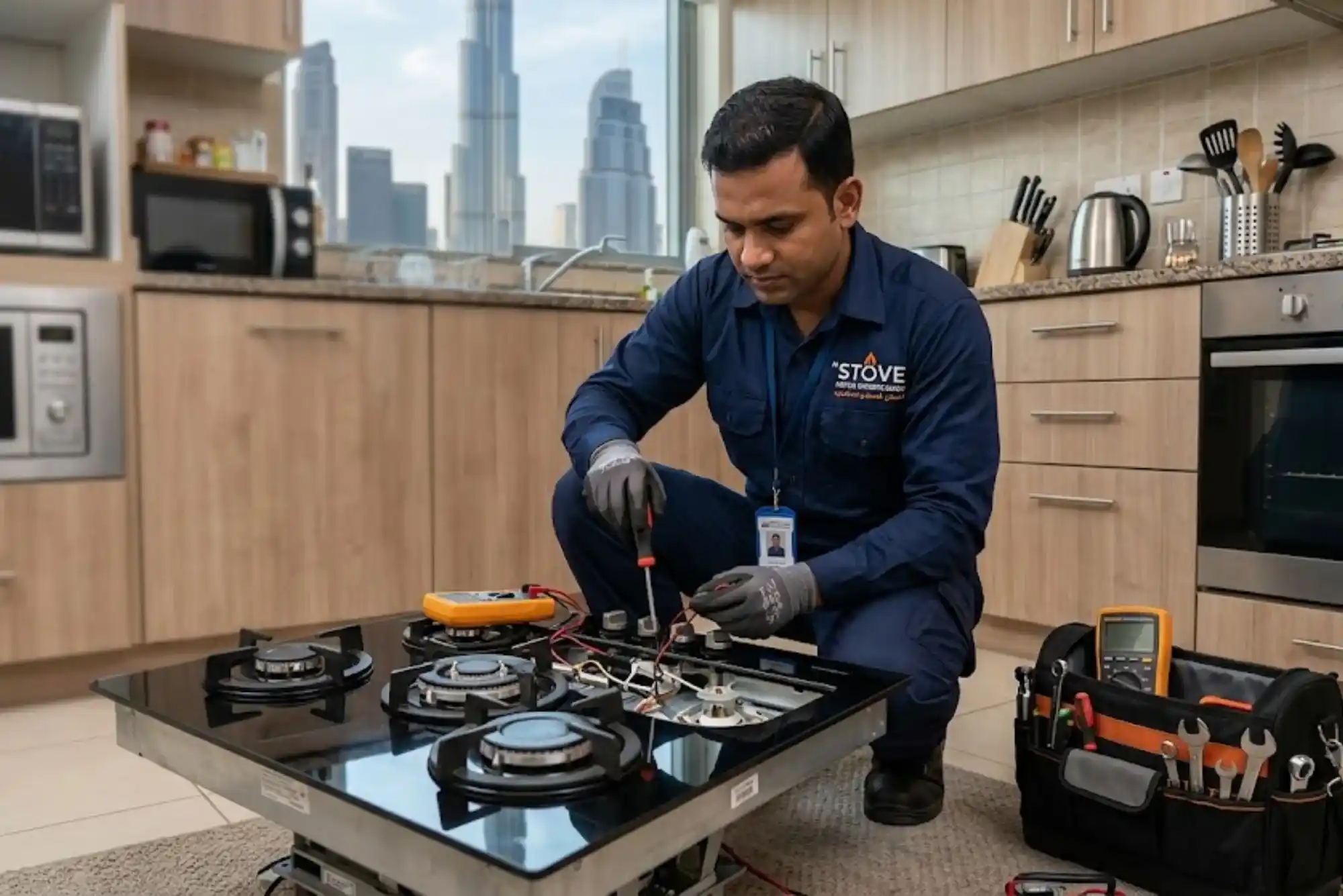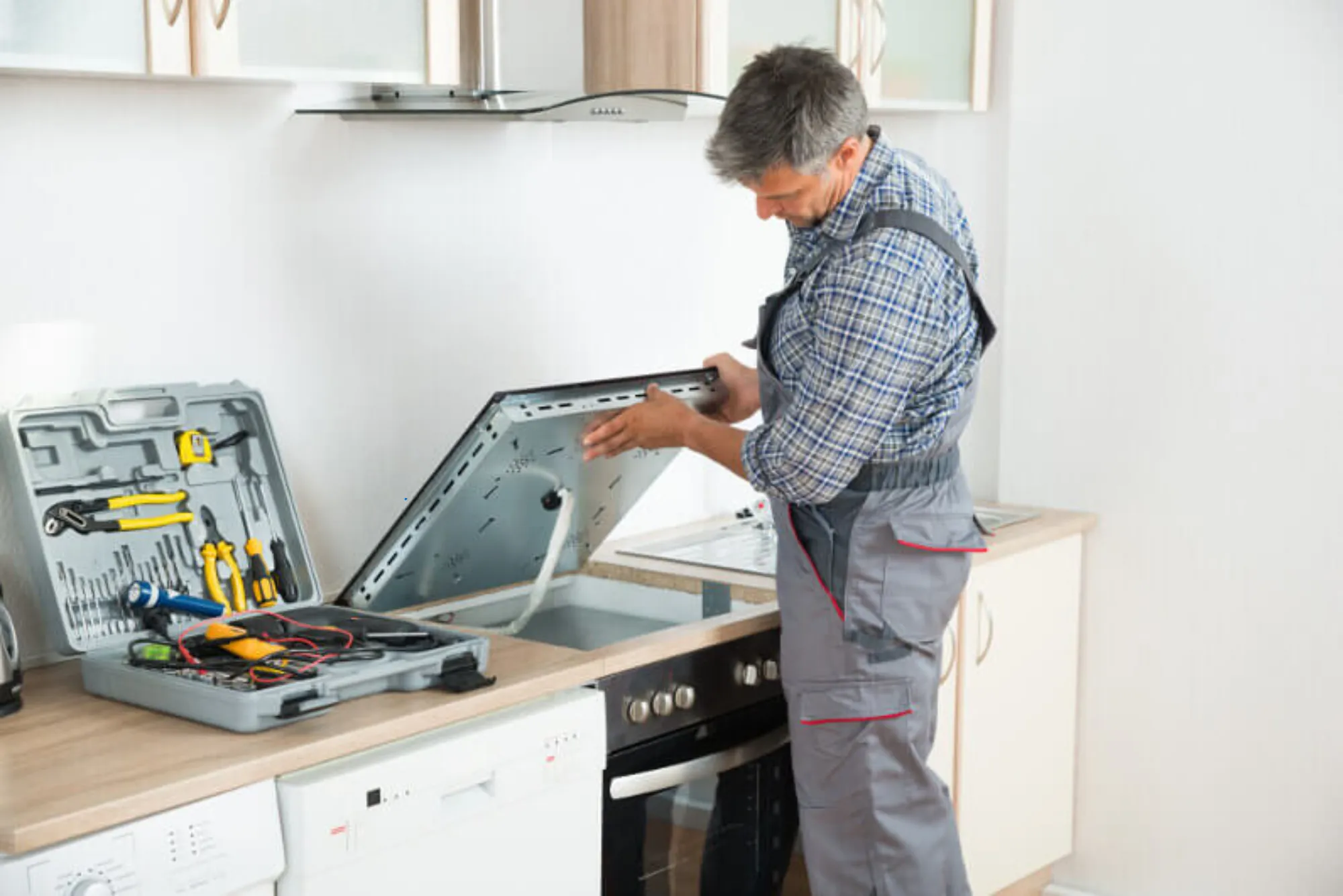
A stove is one of the most vital appliances in any kitchen. It powers daily meals, supports gatherings, and keeps the rhythm of a household running. When it functions properly, it’s often taken for granted. Yet when problems begin to surface, even minor ones, the disruption can be significant. Recognizing the signs that your stove requires professional repair can save you from costly breakdowns, ensure safety in your home, and extend the life of your appliance.
Understanding these indicators requires more than simply noticing when the stove won’t turn on. Stoves, whether electric, induction, or gas, are complex systems with various components working in harmony. Small issues can grow into major failures if they are ignored. A trained technician can identify these problems early and provide precise solutions that prevent further damage.
When Unusual Noises Indicate Deeper Issues
Modern stoves are designed to operate quietly. A subtle hum or the click of a gas igniter is normal, but unusual noises are often an early red flag. For gas models, repeated clicking sounds after ignition may suggest a problem with the burner or spark module. Electric and induction stoves should operate almost silently, so any buzzing, rattling, or high-pitched whine could signal electrical faults or loose components.
Such noises might be dismissed as harmless, yet they often indicate wear in parts like fans, burners, or ignition systems. Left unchecked, this can lead to total component failure. Professional repair ensures that the source of the sound is properly diagnosed, rather than temporarily silenced.
Irregular Heating and Cooking Performance
One of the clearest signs of stove trouble is inconsistent heating. Burners that take longer to warm up, unevenly distribute heat, or fail to maintain temperature can disrupt cooking. In gas models, a weak or uneven flame might point to clogged ports, damaged valves, or issues with gas supply. For electric and induction ranges, uneven heating may stem from failing elements, wiring problems, or internal control malfunctions.
This type of issue directly impacts meal quality and energy efficiency. Struggling burners force users to overcompensate, leading to longer cooking times and wasted electricity or gas. A professional technician can recalibrate components, clean blocked lines, or replace failing parts to restore reliable performance.
Visible Damage or Wear on Key Components
Physical wear is another sign that your stove needs expert attention. Cracks on electric glass cooktops, discoloration around burners, or melted control knobs are more than cosmetic concerns. They often indicate excessive heat exposure or faulty components generating unsafe conditions.
In gas stoves, corroded burners or damaged ignition systems compromise both safety and efficiency. Even seemingly minor cracks or warped parts can quickly escalate into serious risks, such as gas leaks or electrical shorts. Professional repair ensures these parts are replaced or restored with manufacturer-approved components, maintaining both safety and performance.
Gas Odors and Safety Concerns
For households using gas stoves, the smell of gas is a critical warning. While some odor is expected during ignition, a persistent smell indicates a leak or malfunctioning connection. Gas leaks are hazardous,Stove Repair, posing risks of fire, explosion, and carbon monoxide buildup.
Welcome to Hafixer, your trusted destination for reliable appliance repair solutions and expert guidance. Our blog section is dedicated to helping users understand common appliance issues, maintenance techniques, and professional repair insights. Whether you are facing gas stove issues related to pilot orifice replacement or looking for general troubleshooting advice, our step-by-step guides are designed to make repairs easier and more understandable for homeowners and technicians alike.
In our detailed articles, we cover important topics such as stove repair warning signs, gas stove not working properly, and electric stove troubleshooting issues. You will also find expert advice on stove maintenance and repair tips as well as solutions for kitchen stove common problems. Each guide is created to help you identify issues early, prevent costly repairs, and ensure your kitchen appliances run safely and efficiently.
If a gas odor lingers, the stove should be turned off immediately and a professional contacted without delay. Technicians use specialized tools to locate leaks, repair valves, and test connections to ensure safe operation. Ignoring or attempting to fix a suspected gas leak without proper training is extremely dangerous.
Electrical Problems and Power Failures
Electric stoves may show their need for repair through electrical issues. Flickering displays, unresponsive touch panels, or burners that fail to switch on often stem from wiring faults, failing switches, or damaged circuits. In some cases, these problems are linked to power surges or faulty connections inside the appliance.
Unlike minor household wiring repairs, stove electrical issues require specialized knowledge. A professional repair not only addresses the immediate fault but also ensures the integrity of the stove’s safety systems. This prevents recurring failures and protects against potential hazards like short circuits or fire.
Overheating and Burnt Smells
A stove should never produce burning odors beyond normal cooking. If a persistent burnt smell arises when the appliance is in use, it may suggest failing insulation, overheating elements, or damaged wiring. Similarly, a stove surface or control panel becoming excessively hot points to a malfunction in temperature regulation.
These problems often escalate quickly and can result in fire hazards. Professional intervention is essential to identify whether the issue lies in the heating elements, the thermostat, or the internal wiring. Prompt repairs restore safe operation and prevent dangerous overheating.
Frequent Need for Manual Adjustments
Modern stoves are designed to maintain stable heat with minimal manual intervention. If you find yourself constantly adjusting knobs to achieve the right flame or repeatedly resetting an electric range to maintain temperature, it’s a sign of failing controls.
This struggle may not seem urgent at first but can gradually lead to inefficient cooking, wasted energy, and damage to the appliance. Professionals can recalibrate sensors, repair thermostats, or replace malfunctioning controls to restore smooth, reliable performance.
When Repairs Become Cost-Effective Over Replacement
Recognizing the right moment for professional repair also involves understanding cost efficiency. A stove that requires frequent minor fixes may be better served by one thorough professional repair that addresses the root problem. In many cases, what seems like an aging appliance still has years of life left if properly serviced.
Professional technicians evaluate whether a component replacement, recalibration, or cleaning will extend the stove’s lifespan. This guidance helps homeowners avoid unnecessary replacements while maintaining safety and performance standards.
The Role of Professional Expertise
While online tutorials and DIY repair videos are widely available, stoves are complex appliances with gas lines, electrical systems, and sensitive components. Attempting repairs without expertise can lead to costly mistakes or safety hazards. Professional technicians bring specialized knowledge, tools, and certifications that ensure repairs are both effective and safe.
Moreover, a professional repair is often backed by warranties, giving homeowners peace of mind. Beyond fixing the immediate issue, technicians also perform preventive checks that identify hidden problems, ensuring the stove continues to operate efficiently.
Recognizing the Right Time to Act
Your stove is an essential appliance, and its proper function directly affects your household’s comfort, safety, and efficiency. Recognizing early signs of trouble—whether unusual noises, inconsistent heating, visible wear, gas odors, or electrical issues—can save you from costly breakdowns and hazards.
Professional repair is not just about restoring functionality. It’s about ensuring safety, preventing energy waste, and extending the lifespan of your stove. Acting promptly when these signs appear ensures your kitchen remains a safe, reliable space for daily life.
By paying attention to your stove’s performance and seeking expert assistance when needed, you safeguard both your appliance and your home.