Dishwashers are an essential appliance in modern homes, designed to simplify daily routines by efficiently cleaning dishes while conserving water and energy. While most people focus on visible features such as racks, spray arms, or the control panel, it is the internal components that ensure seamless performance. Among these vital parts is the check valve, a small but powerful component that plays a major role in maintaining efficiency and reliability. Understanding the role of check valves in dishwashers not only enhances awareness of how the appliance functions but also helps in troubleshooting performance issues and extending its lifespan.
What is a Check Valve in a Dishwasher?
A check valve, also known as a non-return valve, is a one-way valve that allows water to flow in only one direction. In dishwashers, it prevents the dirty water from flowing back into the appliance after it has been drained. This function is essential for maintaining hygienic conditions during cycles, ensuring that once wastewater is pumped out, it does not return to contaminate freshly cleaned dishes.
This mechanism works on a simple principle: when water flows in the intended direction, the valve opens, but when there is any attempt of reverse flow, it automatically closes. Despite its small size, the check valve plays a critical role in preserving water quality inside the machine and protecting sensitive internal components.
Importance of Check Valves in Dishwashers
The performance of a dishwasher heavily relies on water circulation and drainage. Without a properly functioning check valve, users may encounter issues such as standing water in the tub, unpleasant odors, and dirty dishes after a completed cycle. The primary importance of the check valve lies in preventing backflow, but its benefits extend much further.
It safeguards the integrity of the pump system, minimizes the chances of bacterial growth, and enhances the overall sanitation level of each wash. Moreover, by ensuring one-way water flow, it reduces stress on the drain pump, preventing frequent repairs and extending the life of the appliance. Essentially, the check valve acts as a silent protector, maintaining both performance and hygiene.
How Check Valves Support Dishwasher Hygiene
Hygiene is one of the main expectations from a dishwasher. Users rely on the appliance to sanitize and clean dishes effectively, making it important that no contaminated water remains in the system. The check valve prevents backflow of dirty water, ensuring that each new cycle starts with clean water. This simple action eliminates cross-contamination, where bacteria and food residues from previous cycles could otherwise spread to newly washed dishes.

By blocking wastewater from re-entering, the valve plays a direct role in food safety within the household. Without it, dishwashers would struggle to meet health standards, and the very purpose of the machine would be undermined.
Protecting the Dishwasher Pump System
The dishwasher pump is a crucial component responsible for both circulating wash water and expelling it during the drain cycle. If wastewater flows back into the system, it creates unnecessary strain on the pump, leading to clogs, damage, or reduced efficiency. The check valve prevents this scenario by maintaining consistent flow direction.
By doing so, it helps protect one of the most expensive parts of the dishwasher from premature wear and breakdowns. Many service calls and repairs for drainage issues can be traced back to faulty check valves, proving their importance in protecting the appliance’s internal mechanisms.
Common Problems Caused by Faulty Check Valves
When a check valve malfunctions, the symptoms often appear in the dishwasher’s performance. One common sign is water pooling at the bottom of the tub after a cycle, which happens because drained water flows back inside. Users may also notice that dishes are not coming out completely clean, or that a foul smell develops due to stagnant water mixed with food debris.
Another issue is that the dishwasher may experience incomplete cycles or error codes linked to drainage problems. These symptoms highlight how much the system depends on a properly working check valve. Ignoring these signs can lead to larger issues such as pump failure, electrical malfunctions, or bacterial contamination.
Maintenance of Dishwasher Check Valves
While the check valve is designed to operate automatically, it does require occasional attention to ensure it continues functioning properly. Regular inspection during cleaning or maintenance routines is recommended. If debris, food particles, or mineral buildup obstruct the valve, it may fail to close or open effectively.
In such cases, simple cleaning with warm water and vinegar solutions can restore proper movement. If the valve is cracked, broken, or permanently stuck, replacement is the only option. Fortunately, replacement parts are generally inexpensive compared to other dishwasher components, making repairs manageable. Regular maintenance and timely replacement of check valves ensure uninterrupted performance and extend the life of the dishwasher.
The Role of Professionals in Servicing Check Valves
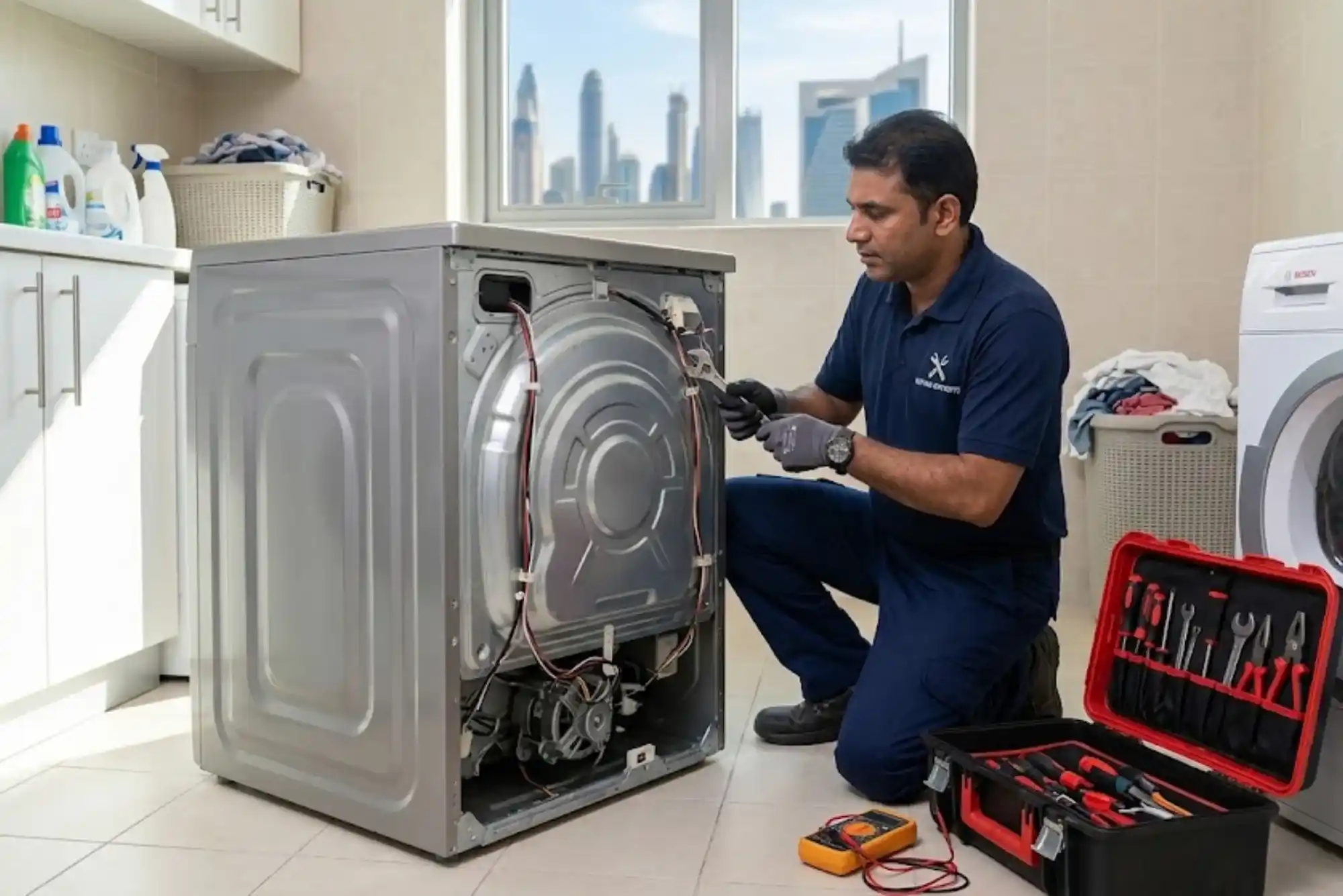
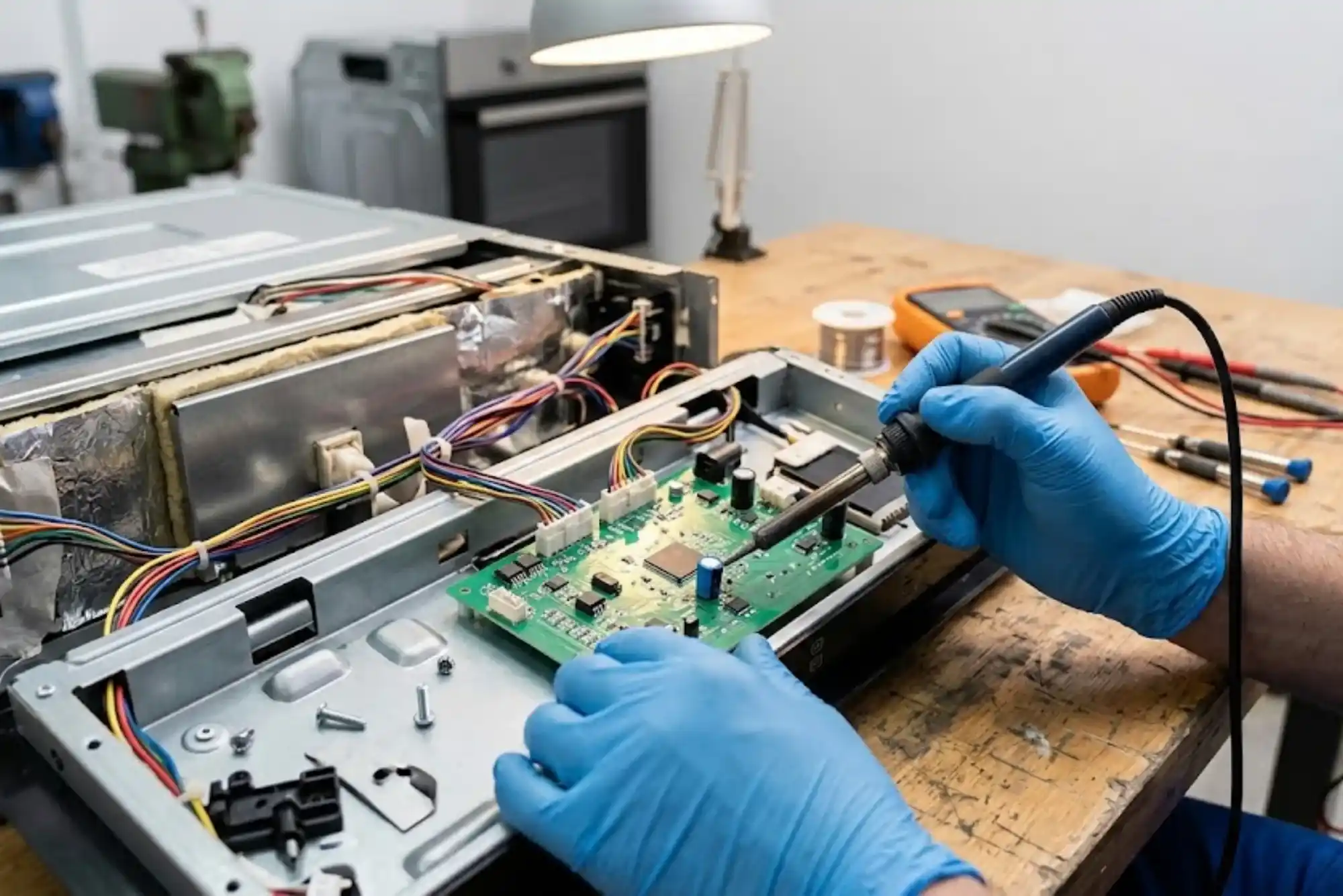
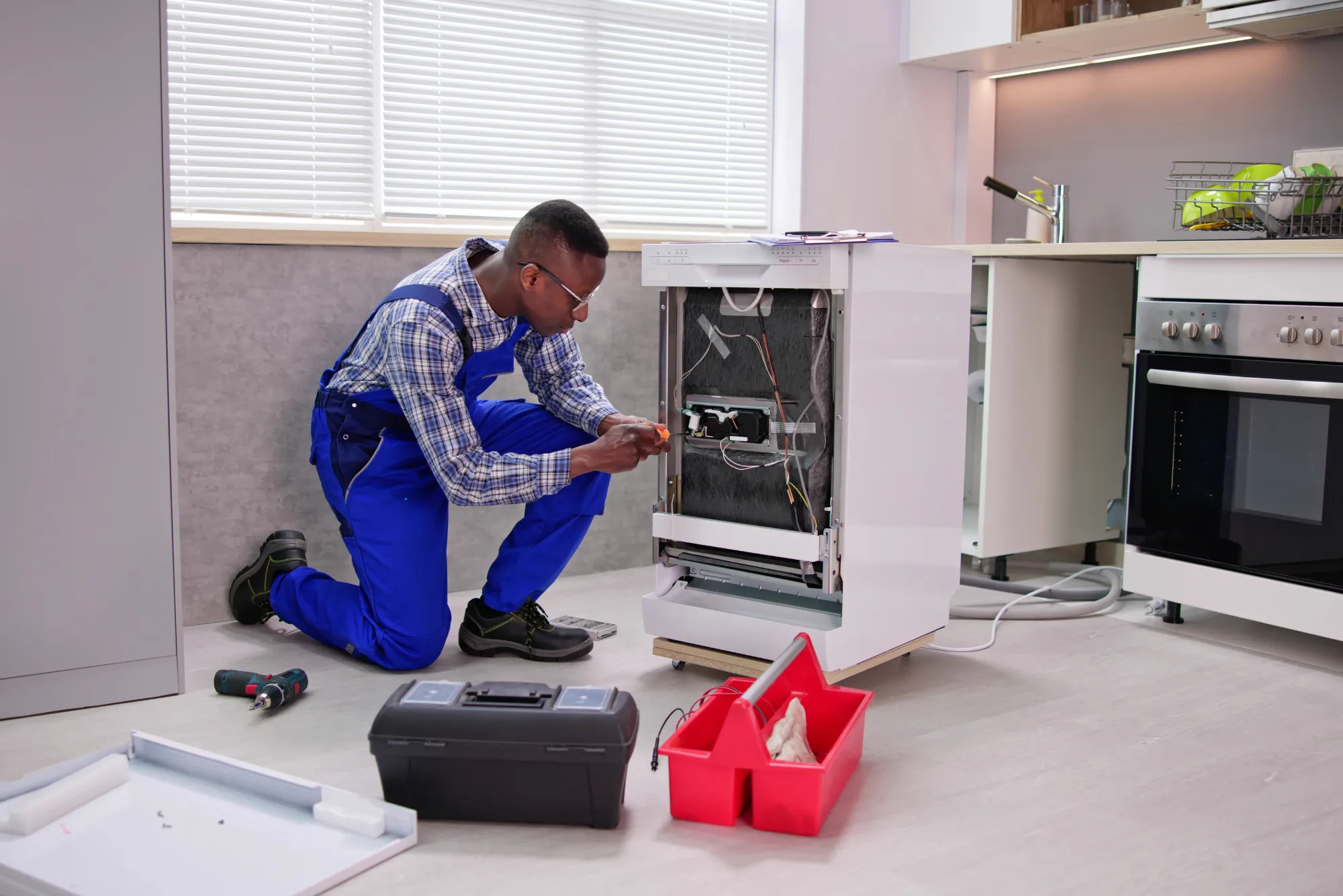
Although some basic cleaning can be done at home, professional technicians are best suited for diagnosing and repairing deeper issues related to check valves. Experts can assess whether a drainage issue is caused by the valve, the pump, or other internal parts. They also have the tools and expertise to safely dismantle and replace faulty valves without damaging the surrounding components.
Professional servicing becomes essential when homeowners encounter recurring drainage issues or persistent standing water inside the tub. Relying on expert repair services not only ensures accurate solutions but also prevents further costly damage.
Enhancing Dishwasher Efficiency with a Properly Working Valve
Dishwasher efficiency is directly tied to water management, and the check valve ensures that the system does not recycle wastewater. With a functioning valve, each wash cycle uses clean water, leading to better cleaning performance and reduced rewash cycles. This not only saves time and effort for households but also contributes to energy and water conservation.
Modern households often rely on energy-efficient dishwashers to reduce utility costs. The check valve plays a behind-the-scenes role in maintaining these efficiency standards by preventing unnecessary water usage and ensuring that the appliance works at its designed capacity.
Signs That a Check Valve Needs Replacement
Awareness of the signs of a failing check valve can save homeowners from unexpected breakdowns. If water remains in the bottom of the dishwasher, dishes smell unpleasant after a cycle, or the appliance gives frequent drain error codes, it is highly likely that the check valve is compromised. Strange noises from the drain pump can also indicate that water backflow is affecting the pump.
Prompt attention to these issues is crucial. Delaying repairs often results in larger expenses, including pump replacement or complete system failure. Homeowners who notice repeated signs should seek professional help to replace the check valve immediately.
Small Part, Big Impact
The check valve in a dishwasher may be small in size, but its role is immense. From ensuring hygienic washes and protecting the pump system to maintaining overall efficiency, it serves as a cornerstone of the appliance’s operation. Many common dishwasher issues can be traced back to a faulty check valve, which emphasizes its importance in daily performance.
Homeowners who understand the role of this critical component are better prepared to recognize early warning signs and take preventive steps. Whether through regular cleaning or timely replacement, maintaining the check valve ensures that the dishwasher continues to deliver reliable and hygienic service for years.