The oven is a cornerstone of modern kitchens, a tool relied upon for everything from everyday meals to festive baking. Yet one of the most frustrating issues many homeowners encounter is the unusually long time it takes for an oven to preheat. What should be a straightforward process—reaching the desired cooking temperature—sometimes feels drawn out and inefficient. This delay not only wastes valuable time but can also disrupt recipes, compromise food quality, and cause unnecessary energy consumption. Understanding the reasons behind slow preheating requires examining the mechanics of how ovens function, the factors influencing heating efficiency, and the potential issues that may arise over time.
The Science Behind Oven Preheating
Preheating an oven is essentially the process of raising its internal temperature to a stable level suitable for cooking. When you set a specific temperature, the heating elements or burners activate to warm the cavity. The thermostat then measures the heat inside the oven and cycles the elements on and off to maintain consistency. In electric ovens, coils at the bottom and top radiate heat, while gas ovens use a burner that ignites with gas flow.
Reaching the desired temperature is not instantaneous; it involves transferring energy into the oven cavity, gradually raising the metal walls, racks, and air inside. This thermal inertia means even under ideal conditions, preheating takes a few minutes. However, when preheating drags on far longer than expected, it points to factors beyond normal heat transfer.
Common Expectations vs. Reality
Most modern ovens should preheat to 350°F within 10–15 minutes. Premium models or those with convection features may reach the same temperature slightly faster by circulating air with fans. When an oven consistently takes 25–30 minutes or longer to preheat, it signals inefficiency. Users often misinterpret this as a flaw in the oven itself, but the truth is that multiple layers of mechanical, electrical, environmental, and usage-related influences may be at play.
Mechanical and Electrical Causes
One of the most prevalent reasons for extended preheating is malfunctioning heating elements. In electric ovens, if either the bake element (usually located at the bottom) or the broil element (at the top) becomes partially damaged, the oven may struggle to distribute heat evenly. Instead of both elements working in tandem, only one might be functioning, reducing heating speed.
Gas ovens face their own issues. A weak igniter may delay the burner from lighting properly, forcing the system to cycle inefficiently. Over time, igniters degrade, requiring more current to open the safety valve. If the igniter is nearing failure, preheating time can nearly double.
Another electrical factor involves thermostats and temperature sensors. If these components are faulty or miscalibrated, the oven may incorrectly gauge its internal temperature. This can result in prolonged heating cycles, where the oven believes it has not yet reached the set point, even when it has.
Energy Source and Supply Issues
The efficiency of preheating is also tied directly to the energy source feeding the appliance. Electric ovens rely on steady voltage to achieve rapid heating. In households with unstable electrical supply or low voltage, the oven cannot draw enough power to energize its coils effectively. Similarly, gas ovens require adequate gas pressure. Any obstruction or irregularity in the supply line can hinder the burner’s ability to produce consistent heat.
In some regions, seasonal factors also affect performance. For instance, natural gas lines in colder climates may experience pressure fluctuations, subtly impacting the oven’s heating curve.
The Impact of Oven Design
Not all ovens are engineered equally. Size and construction play vital roles in determining how quickly an oven preheats. Larger-capacity ovens, while offering more cooking space, naturally take longer to heat due to the increased volume of air and metal that must reach equilibrium. Ovens with thicker insulation may retain heat better once warmed but can take slightly longer to preheat initially.
Some modern ovens incorporate convection fans, which circulate air for faster temperature distribution. Without this feature, traditional ovens depend solely on radiant and conductive heat transfer, which is inherently slower.
Glass doors, while useful for visibility, can also influence heat retention. Older models with single-pane glass may lose heat more rapidly than those with advanced double- or triple-pane doors.
User Habits and Missteps
Surprisingly, user behavior is often a hidden culprit. Opening the oven door during preheating can release a significant amount of heat, extending the time needed to stabilize. Even brief door openings allow cold air to rush inside, setting the process back by several minutes.
Additionally, overcrowding the oven with racks or leaving cookware inside during preheating can increase thermal mass. The oven must then expend extra energy to heat not only the air and walls but also the additional metal objects inside. This slows down the rate of temperature rise.
Some users may also misunderstand the oven’s signals. Many models beep or display a ready indicator once the sensor detects the air has reached the set temperature. However, the walls and racks may still be cooler. Placing food inside immediately after the indicator can give the impression that the oven has taken longer than expected, when in reality, the cavity surfaces have not yet stabilized.
Environmental Factors at Play
Kitchen environment and placement also affect oven performance. If the oven is installed in a drafty location or next to a cold wall, it may lose heat faster during preheating. Similarly, kitchens that are unusually cool or humid can influence the oven’s thermal efficiency. In poorly ventilated spaces, appliances may struggle to dissipate excess heat, indirectly impacting preheating cycles.
Furthermore, voltage drop from using multiple appliances on the same circuit can delay electric ovens. Running the oven simultaneously with energy-demanding devices such as dishwashers or space heaters may reduce the available power supply, thereby prolonging preheating.
Age and Maintenance of the Appliance
Like any machine, ovens degrade with time. Heating elements wear out, insulation loses effectiveness, and components such as thermostats, igniters, and fans weaken. Older ovens that have not been maintained or serviced may naturally take longer to preheat. Buildup of grease and debris inside the oven cavity can also interfere with heat transfer, subtly extending preheating duration.
Routine maintenance—cleaning the oven interior, checking elements, and ensuring the seals around the door are intact—plays a significant role in preserving efficiency. A worn or loose door gasket, for example, allows heat to escape continuously, preventing the oven from stabilizing quickly.
The Role of Technology and Settings
Modern ovens come with multiple settings and modes, each influencing preheating differently. For example, convection mode often preheats faster than traditional bake mode because of air circulation. Some models also feature rapid-preheat or power-preheat functions designed to speed up the process by engaging multiple elements simultaneously.
Users who unknowingly select modes requiring different heating strategies may assume the oven is underperforming. Understanding the specific functions available in your oven is essential to interpreting its preheating times accurately.
Energy Efficiency vs. Speed
It is also worth noting that manufacturers often balance energy efficiency against preheating speed. A slower preheat cycle can sometimes be intentional, designed to reduce peak power demand. While this may save electricity or gas in the long run, it can frustrate users accustomed to faster results. Energy-efficient ovens may therefore trade speed for sustainability.
When to Seek Professional Help
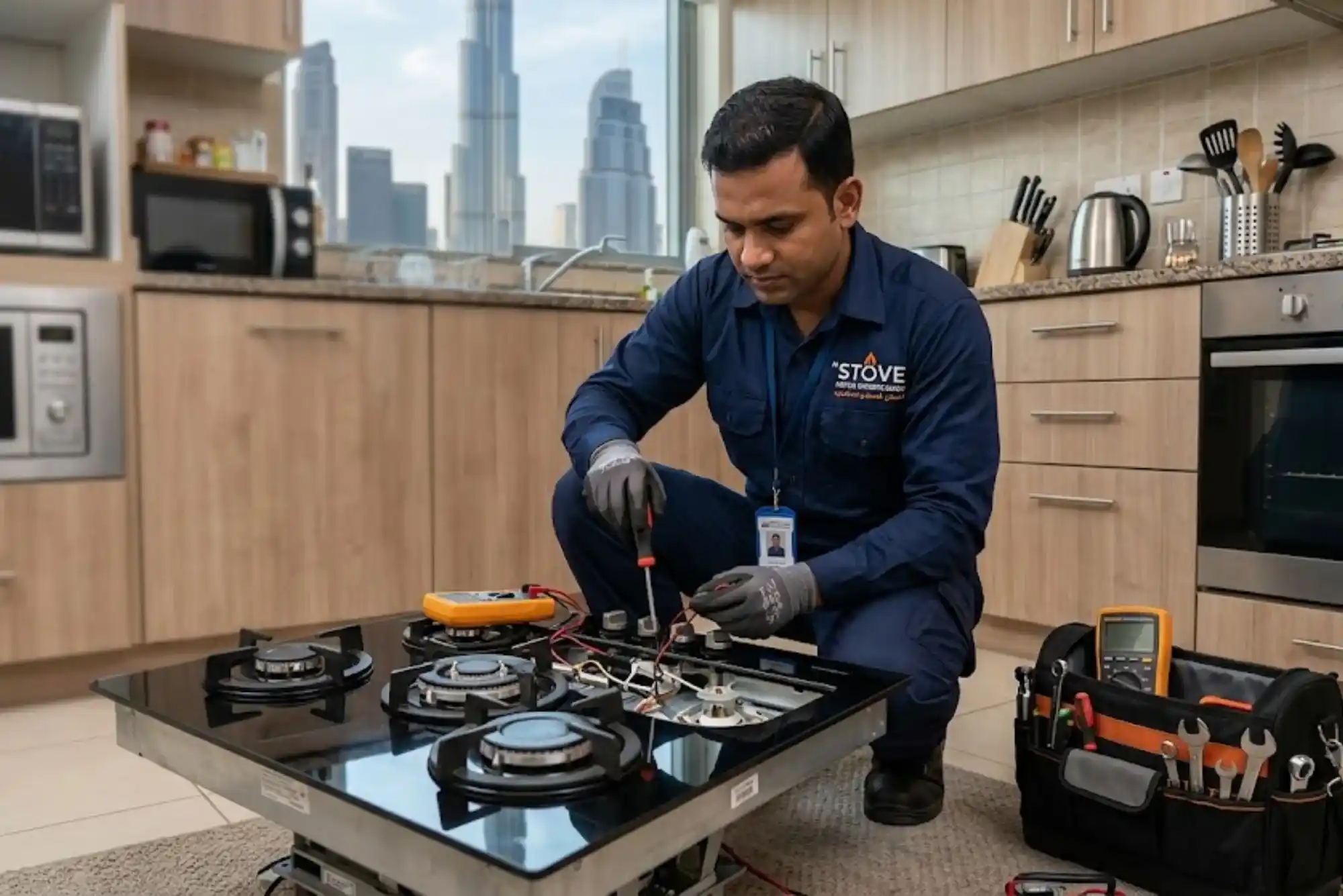
Persistent issues with preheating should not be ignored. If an oven consistently takes twice as long as expected to reach temperature, it may indicate failing components or energy supply problems that require professional inspection. A certified technician can test heating elements, igniters, thermostats, and voltage to identify the root cause. Timely intervention not only restores performance but also ensures safety, as malfunctioning ovens can pose risks such as gas leaks or electrical faults.
The User’s Perspective
From the user’s point of view, long preheating times feel like a barrier to convenience. In fast-paced households where meals need to be prepared quickly, waiting 20–30 minutes for an oven to preheat is impractical. This often leads to shortcuts, such as inserting food before the oven is ready, which can affect cooking outcomes. Cakes may rise unevenly, meats may cook inconsistently, and energy usage may actually increase due to extended overall cooking times.
Recognizing the causes of delayed preheating allows users to adapt habits, maintain their ovens properly, and make informed decisions about repair or replacement when necessary.
A stove oven that takes too long to preheat is more than just a nuisance—it reflects the interplay of mechanical, electrical, environmental, and user-driven factors. Heating elements and igniters may falter, sensors can misread, and household conditions might limit performance. Even user habits such as frequent door opening or overcrowding contribute to inefficiency. Over time, aging parts and poor maintenance exacerbate the issue.
Understanding these dynamics demystifies why preheating times vary so widely. More importantly, it empowers homeowners to take corrective steps, from simple behavioral changes to professional servicing. By addressing the underlying causes, it becomes possible to restore both speed and efficiency, ensuring that the oven fulfills its essential role in the kitchen without unnecessary delay. Ultimately, patience in diagnosing the problem translates into improved cooking experiences, energy savings, and longer appliance lifespan.