Silverware has always been a mark of elegance in dining, whether it’s for everyday meals or special occasions. From the shine of polished forks to the brilliance of silver-plated spoons, cutlery is often considered a reflection of the care you put into your kitchen. However, many homeowners notice a frustrating problem: silverware tarnishing after a cycle in the dishwasher.
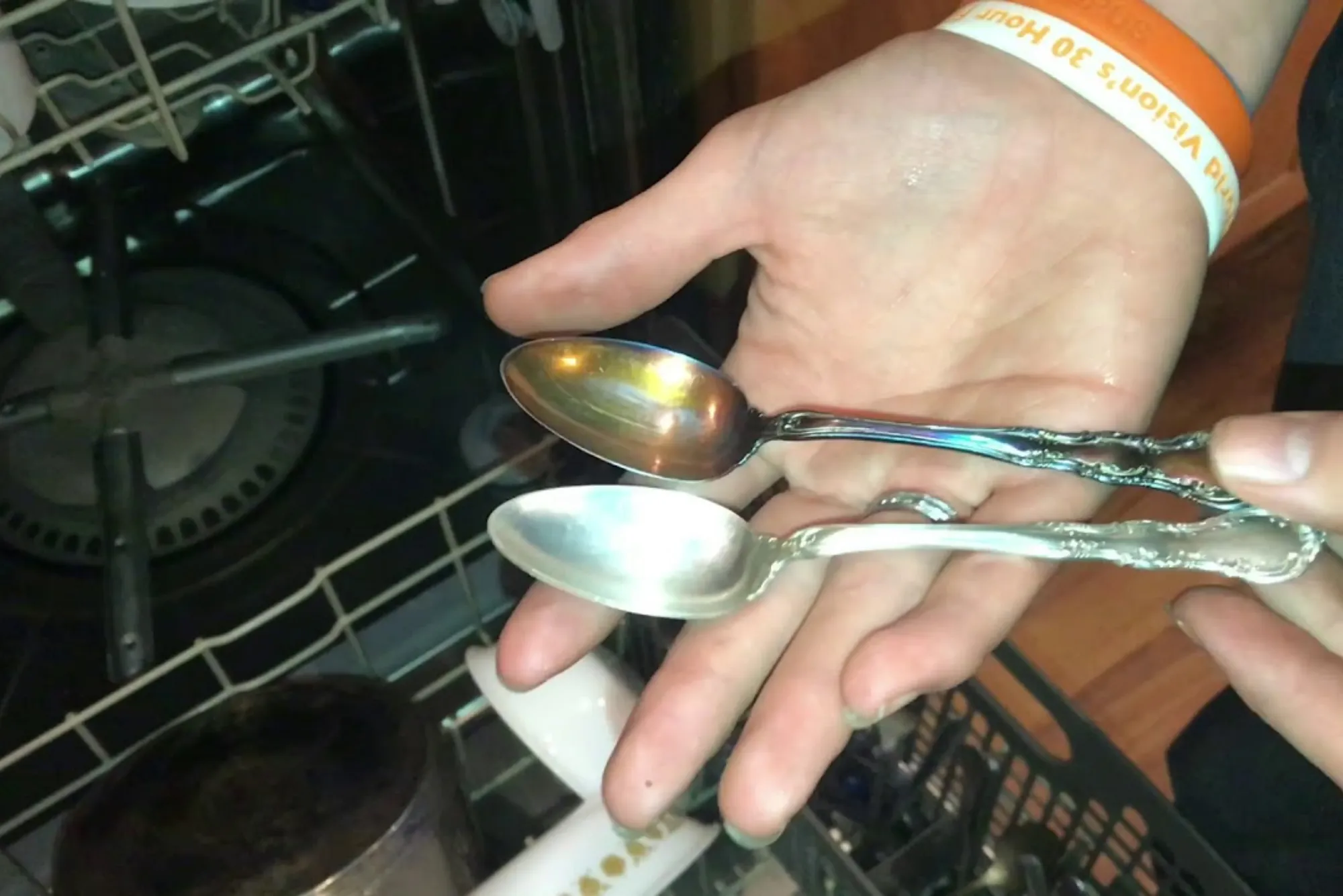
You may place gleaming utensils in, only to retrieve them with unsightly discoloration, dullness, or even dark stains. This not only ruins the appearance of your cutlery but also raises concerns about the long-term durability of your silverware.
Understanding why tarnishing occurs inside dishwashers is essential for preventing the issue and maintaining the beauty of your silver collection. Tarnish is not merely dirt or food residue—it is a chemical reaction that affects the surface of silver and other metals. While dishwashers are convenient, the combination of water, detergents, heat, and mixed metals creates an environment where tarnish becomes inevitable if precautions are not taken.
The Science Behind Tarnishing
Silver tarnishing is primarily a result of oxidation. When silver reacts with sulfur or oxygen, a layer of silver sulfide develops on the surface. This appears as a yellowish, brown, or black coating that dulls the once-bright shine. Although silver is resistant to corrosion compared to many metals, it is particularly vulnerable to sulfur compounds, which are surprisingly common in household environments.
Inside a dishwasher, the conditions intensify these reactions. Heat accelerates oxidation, moisture provides the perfect environment for chemical interaction, and detergents sometimes contain additives that interact negatively with silver. This combination makes silverware vulnerable each time it goes through a wash cycle. Tarnishing is not necessarily a sign of poor-quality cutlery; even the best sterling or silver-plated utensils can lose their luster when exposed to these elements regularly.
The Role of Dishwasher Detergents
Modern dishwasher detergents are designed for tough cleaning. They include enzymes to break down proteins, surfactants to remove grease, and sometimes bleaching agents to tackle stains. While effective at removing food debris, these powerful ingredients can be harsh on delicate materials like silver. Chlorine-based chemicals in particular are known to accelerate tarnishing and discoloration.
Another factor lies in phosphate-free detergents. Although eco-friendly, these formulations can leave behind mineral deposits on cutlery, especially in hard water areas. Minerals like calcium and magnesium combine with detergent residues, sticking to the silver’s surface and creating a cloudy, tarnished appearance. Over time, these deposits can become difficult to remove without professional polishing.
The Impact of Heat and Moisture
Dishwashers use hot water to clean and even hotter air or steam to dry. While this is excellent for sanitization, silver does not respond kindly to such high temperatures. Heat expands the metal slightly, allowing oxygen and sulfur to penetrate more easily into the surface. When moisture remains on the silver after the cycle, it creates micro-environments where tarnishing reactions can continue long after the dishwasher is turned off.
Prolonged exposure to humidity is another factor. If silverware is left inside the dishwasher for hours after the cycle ends, condensation provides the perfect breeding ground for tarnish to develop. This is why silver utensils often look worse if they are not promptly removed and dried after washing.
Mixed Metals in the Dishwasher
Many households load stainless steel cutlery and silver utensils into the dishwasher together. While this seems harmless, it actually increases the likelihood of tarnishing. When different metals come into contact in a moist and heated environment, a process called galvanic corrosion can occur.
Essentially, one type of metal becomes more vulnerable to oxidation because of the presence of another. Silver is particularly at risk when washed alongside stainless steel, as ions transfer between the two metals. The result is often streaking, pitting, or dark patches on the silver surface.
Hard Water Problems
The quality of your water supply also plays a significant role in how silver reacts in the dishwasher. Hard water contains high concentrations of calcium and magnesium. When this water evaporates during the drying cycle, it leaves behind mineral deposits that stick to the surface of cutlery. These deposits not only dull the shine of silver but also provide a rough texture where tarnish can develop more rapidly. In areas with particularly hard water, even stainless steel can suffer discoloration, making it nearly impossible for silver to retain its brilliance without special care.
Preventing Tarnish Before It Starts
While tarnish may seem unavoidable, there are ways to minimize it and protect your silverware. The first step is to understand that silver needs gentler care than other metals. Rinsing utensils before placing them in the dishwasher reduces exposure to sulfur from food residues like eggs, onions, or mustard, which are notorious for accelerating tarnishing. Avoiding detergents with chlorine or acidic additives also makes a difference.
Placement within the dishwasher also matters. Silverware should not touch stainless steel utensils, and spacing them apart reduces the chance of galvanic reactions. Removing the silverware promptly at the end of a cycle and drying it with a soft cloth prevents lingering moisture from contributing to oxidation. For particularly valuable or antique silver, many experts recommend hand washing with mild soap and warm water instead of machine cleaning.
Professional Silverware Care
For homeowners who want to maintain the elegance of their silver collection, periodic professional cleaning or polishing is an excellent investment. Professional cleaners use techniques that restore shine without damaging the underlying metal.
They also apply protective coatings that slow down the tarnishing process. If your silverware has already developed stubborn tarnish that household methods cannot remove, professional restoration may be the only option to bring back its original brilliance.
The Long-Term Value of Silver Care
Silverware is more than just cutlery; for many families, it carries sentimental or even monetary value. Heirloom silver passed down through generations represents tradition, while fine silver sets can be costly investments. Allowing tarnish to build up not only diminishes the beauty of these pieces but can also reduce their lifespan. Once tarnish hardens and layers deepen, polishing becomes more abrasive, which gradually wears down the silver over time.
By addressing tarnishing early and maintaining consistent care routines, you can preserve silverware for decades. Understanding the dishwasher’s role in tarnishing is not about avoiding modern appliances altogether but about using them wisely and complementing them with proper aftercare.
Choosing the Right Products
Several silver-safe dishwasher detergents and rinse aids are available that reduce the risk of tarnish. These products are free of chlorine and harsh chemicals while containing agents that protect against water spots and oxidation. Pairing them with a dishwasher that has a gentle cycle option further reduces damage. For those living in areas with hard water, a water softener system can make a dramatic difference not only for silverware but also for all household appliances.
A Balance Between Convenience and Preservation
In today’s fast-paced world, the dishwasher remains an essential convenience. However, silver is a delicate material that demands respect. Striking the right balance between convenience and preservation means making conscious choices: selecting the right detergent, rinsing food residues, spacing utensils properly, and removing them promptly for drying. By following these measures, silverware can continue to sparkle without the constant frustration of tarnish.
Final Thoughts
Tarnishing in the dishwasher is a problem rooted in science, but it can be managed with the right knowledge and habits. From the role of detergents and heat to the impact of water quality and mixed metals, every factor plays a part in why your silverware loses its shine. The key lies in prevention, gentle care, and occasional professional attention.
When treated properly, silverware not only retains its beauty but also becomes a lasting part of your dining experience. Rather than viewing tarnish as an unavoidable consequence, homeowners can see it as a reminder that silver is special, deserving of care that matches its timeless elegance.