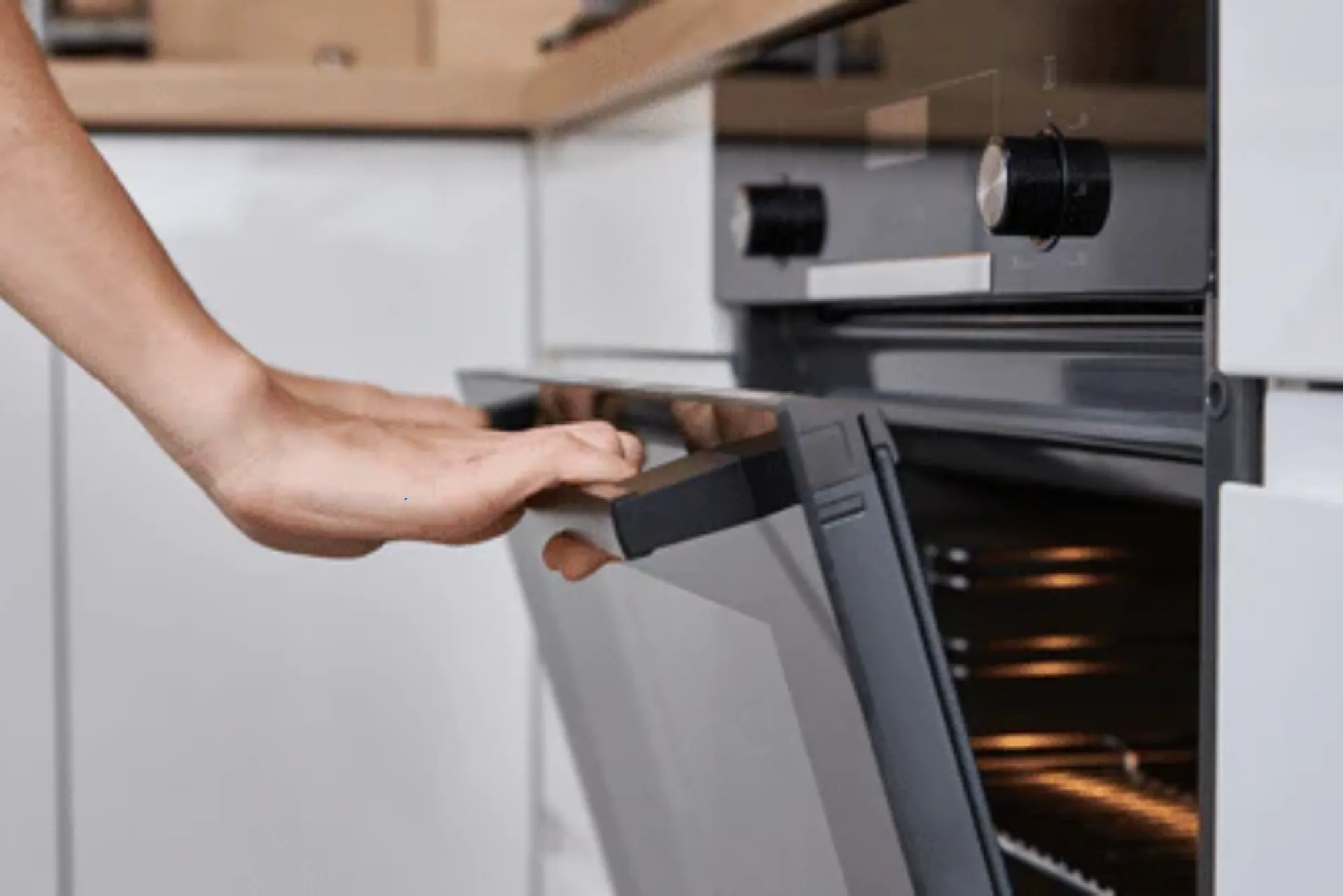
When an oven door refuses to stay closed, the problem may seem minor at first glance. However, anyone who has experienced it knows how frustrating and disruptive it can be. A door that pops open during cooking does more than spoil a meal—it impacts energy efficiency, creates safety hazards, and may signal deeper mechanical issues. Modern ovens are built to be resilient, yet like all appliances, they rely on moving parts, springs, and seals that wear out with time and use. Understanding why this happens and how to address it is the first step toward restoring your appliance’s performance.
The Importance of a Properly Sealed Oven Door
An oven relies on a closed, sealed environment to function effectively. Heat retention is essential not only for cooking food evenly but also for energy efficiency. When the door cannot remain shut, hot air escapes, forcing the oven to work harder to maintain temperature. This inefficiency translates into higher energy bills and prolonged cooking times. More critically, an improperly closed oven door can expose users to burns from escaping heat and compromise indoor air safety if the appliance is gas-powered. In professional kitchens, such issues can even violate health and safety codes, highlighting the broader significance of this seemingly small malfunction.
Mechanical Wear and Tear Behind the Problem
Most oven doors are designed with hinges and springs that create tension, ensuring a snug seal against the oven frame. Over years of repeated use, these mechanical parts endure constant stress. Springs can weaken, hinges can bend, and latches can misalign. Even a slight distortion is enough to prevent the door from sitting flush. Unlike obvious breakages, such wear often develops gradually, making it easy to overlook until the problem becomes impossible to ignore. In some cases, misalignment may stem from accidental force—such as leaning on the open door or dropping something heavy on it—causing damage that goes unnoticed until the appliance fails to perform properly.
The Role of Door Gaskets and Seals
A critical yet often underestimated component of an oven door is the gasket, typically a heat-resistant rubber or fiberglass seal that runs along the frame. Its role is to trap heat and create a secure closure when the door is shut. Over time, exposure to high temperatures can cause the gasket to harden, crack, or lose elasticity. Once this happens, even if the hinges and springs are intact, the door may no longer stay firmly closed. A compromised gasket not only reduces oven efficiency but can also allow grease and food particles to accumulate in gaps, worsening the seal and leading to hygiene concerns.
Misaligned or Damaged Door Latch Mechanisms
Some oven models incorporate latch mechanisms that help secure the door tightly during high-temperature cycles, such as self-cleaning. If this latch becomes misaligned, bent, or jammed with debris, the door may fail to remain shut during regular use. The issue can be deceptively simple—sometimes a buildup of food residue or grease interferes with smooth operation. In more complex cases, the latch may need recalibration or replacement. Unlike gaskets, which are relatively straightforward to replace, latch repairs may require disassembling the oven door,underscoring the need for professional servicing if the homeowner is not comfortable with appliance repair.
Heat Damage and Material Fatigue
Ovens are subjected to extreme temperatures, and while they are designed to withstand them, the repeated heating and cooling cycle gradually weakens materials. Metal components expand and contract, leading to microscopic shifts in alignment. Over years of operation, these shifts accumulate, and the door may no longer align properly with the oven frame. Similarly, plastic parts used in some models may warp under heat exposure, altering the geometry of hinges or latch points. This kind of damage is less obvious to the eye but has a direct effect on how securely the door closes.
The Impact of Improper Use and Accidental Strain
Not every oven door issue stems from natural wear. Human habits play a role as well. Leaning on an open door, using it as a temporary resting place for heavy pots, or forcing it shut when food or trays obstruct closure can bend hinges and stress the frame. In households with children, it is not uncommon for oven doors to be tugged or climbed on, accelerating mechanical fatigue. While modern ovens are robust, they are not designed to serve as weight-bearing surfaces. What may seem like harmless day-to-day use can shorten the lifespan of delicate components, eventually preventing the door from closing securely.
Consequences of Cooking with a Faulty Door
Attempting to cook with an oven door that will not stay closed has wider implications than undercooked meals. For electric ovens, heat loss forces the heating element to work harder, reducing its lifespan. In gas ovens, incomplete combustion caused by fluctuating temperatures can release harmful gases such as carbon monoxide into the home. Beyond efficiency and safety, poor closure compromises the consistency of cooking results—cakes collapse, roasts cook unevenly, and baked goods may burn on one side while remaining raw on the other. For those who rely on precise cooking, such as professional chefs or baking enthusiasts, a faulty oven door undermines the very purpose of the appliance.
Identifying the Root Cause Through Inspection
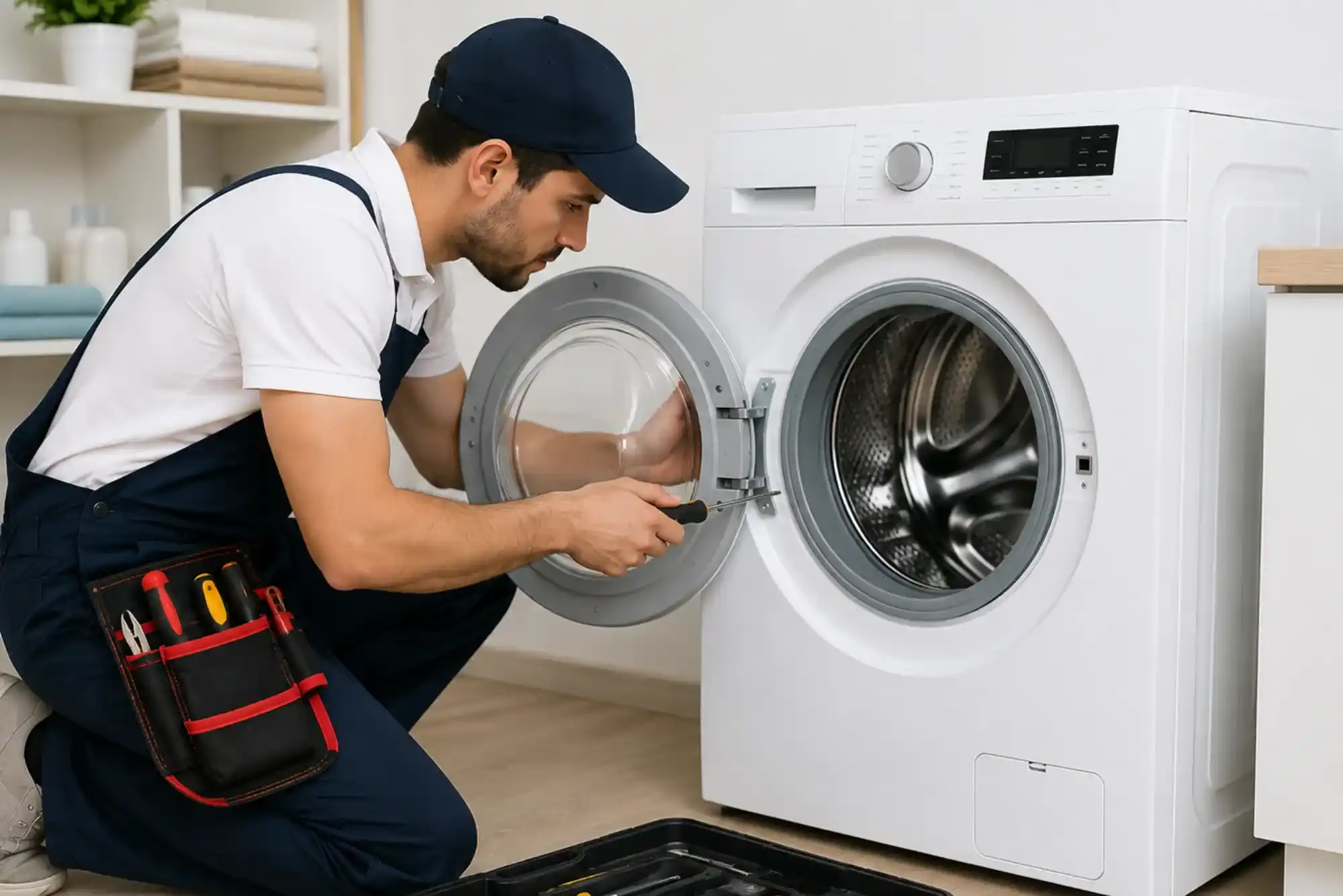
When faced with a door that will not stay closed, inspection is key. Homeowners can often perform a preliminary check by visually examining hinges, gaskets, and latches. A door that feels loose or wobbly when moved likely has hinge or spring issues. If the door appears aligned but fails to seal tightly, the gasket may be at fault. Resistance when opening or closing may indicate a problem with the latch mechanism. However, not all issues are visible. Subtle misalignments or internal spring damage may only become evident during a professional assessment. Care should also be taken to avoid dismantling the appliance without proper knowledge, as incorrect handling can worsen the damage.
Repair Versus Replacement Decisions
Once the cause is identified, the question becomes whether to repair or replace the faulty components—or, in some cases, the oven itself. Replacing a gasket is relatively affordable and straightforward, often restoring full function. Hinges and springs may be moderately more complex, requiring partial disassembly of the door, but are generally worth repairing for a functional appliance. If the oven is older and exhibits multiple issues, replacement may be more cost-effective than repeated repairs. Gas ovens, in particular, demand careful consideration, as faulty seals pose higher safety risks. Professional appliance technicians can provide cost comparisons and safety assessments to guide the decision.
Preventative Measures for Long-Term Reliability
Preventing oven door issues begins with mindful use. Avoid applying unnecessary weight or force to the door and ensure trays and pans are positioned properly before closing. Regularly inspecting and cleaning the gasket helps maintain a proper seal, while scheduling occasional professional servicing can identify early signs of wear. For self-cleaning ovens, it is important to follow manufacturer instructions carefully, as excessive heat cycles accelerate material fatigue. By treating the oven door as a precision component rather than a casual surface, homeowners can extend its lifespan and avoid sudden malfunctions.
The Role of Professional Servicing
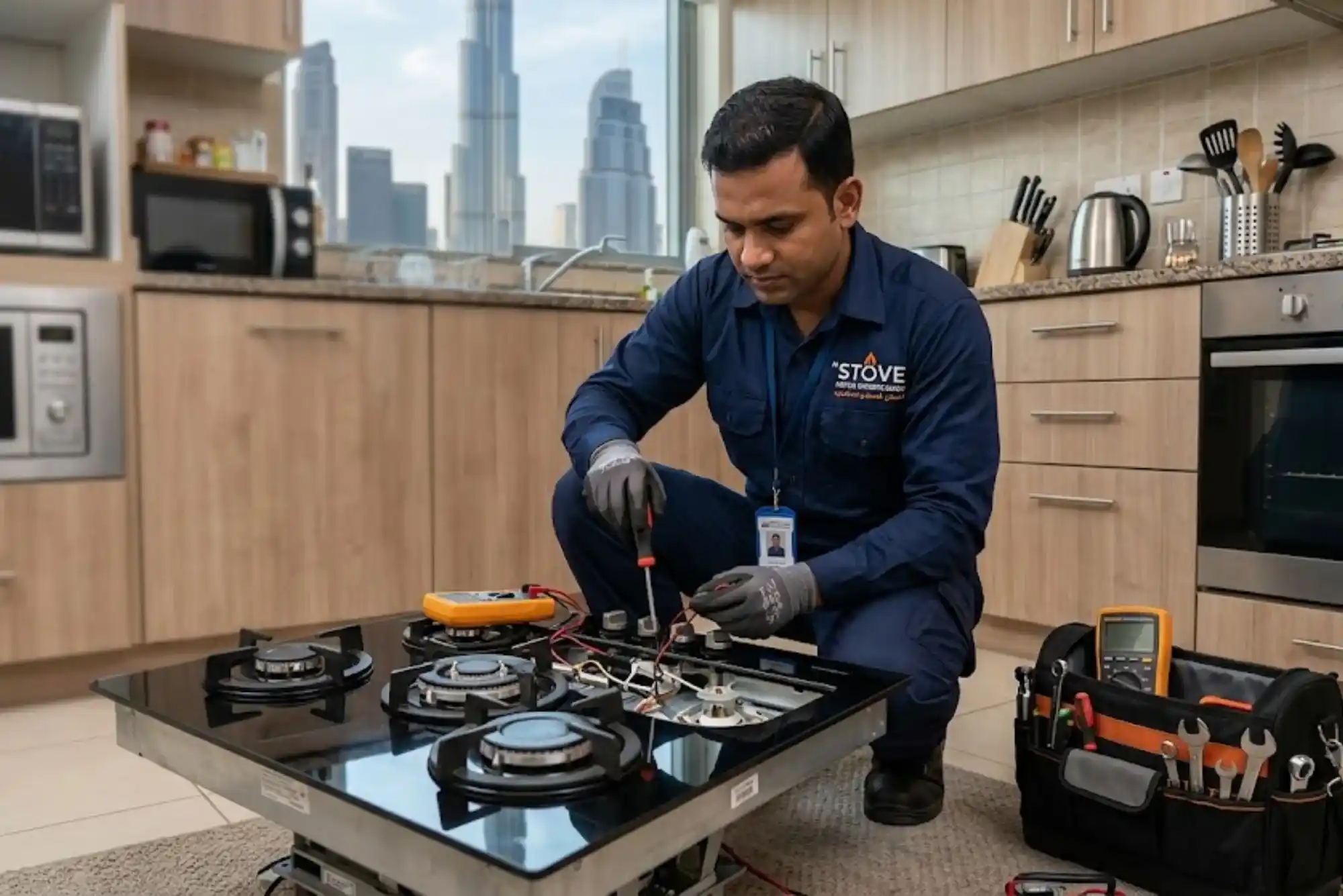
While minor issues can sometimes be addressed through do-it-yourself solutions, many oven door problems require professional attention. Appliance repair specialists possess the tools and expertise to dismantle, realign, and replace parts safely. In addition, they can check for secondary issues, such as electrical malfunctions or gas leaks, that may accompany a faulty door. For households relying heavily on their oven, timely professional servicing not only restores functionality but also prevents hazards. Considering the complexity of modern ovens, especially smart models with integrated electronics, entrusting repairs to qualified technicians ensures both safety and long-term reliability.
Restoring Trust in Your Oven
An oven door that will not stay closed may seem like a small nuisance, but it affects every aspect of cooking performance, efficiency, and household safety. From worn hinges to damaged gaskets and latch malfunctions, the causes are varied yet interconnected. Understanding these issues allows homeowners to approach repairs with clarity, deciding whether to attempt simple fixes or call in professional help. Above all, recognizing the importance of a tightly sealed oven door underscores the value of preventive care and responsible use. By addressing problems promptly, you can restore not only your oven’s functionality but also your confidence in every meal prepared.