Washing machines are among the most essential appliances in modern households, providing convenience and efficiency in daily laundry routines. However, when a washing machine starts producing unusual or loud noises, it can quickly become a frustrating experience for homeowners. These sounds often indicate an underlying mechanical or structural issue that requires attention. Understanding the causes behind such noises and the importance of timely washing machine noise problem repair can help prevent further damage and maintain the appliance’s efficiency.
A properly functioning washing machine typically produces a low and consistent operational sound. When grinding, banging, rattling, or squealing noises occur, they may indicate worn components, improper installation, or internal damage. Professional washing machine repair service plays a vital role in diagnosing and resolving these problems effectively.
Understanding Normal vs Abnormal Washing Machine Sounds
Every washing machine produces some level of sound during its washing and spinning cycles. The movement of water, rotation of the drum, and operation of internal motors naturally generate operational noise. However, these sounds should remain consistent and relatively quiet.
Abnormal sounds are usually sudden, loud, or irregular. For instance, a banging noise during the spin cycle may suggest an imbalance inside the drum. Grinding sounds may indicate damaged bearings, while squealing noises can result from worn belts or motor issues. Recognizing the difference between normal operational noise and mechanical failure is the first step toward proper washing machine noise problem repair.
Common Causes of Washing Machine Noise Problems
Several mechanical components inside a washing machine can cause unusual sounds when they begin to wear out or malfunction. Identifying the source of the noise is critical to determining the appropriate repair approach.
One common cause of noise is a loose or unbalanced drum. When laundry loads are unevenly distributed, the drum may shake aggressively during the spin cycle. This vibration can create loud banging or knocking sounds. Over time, repeated imbalance can damage suspension components and drum supports.
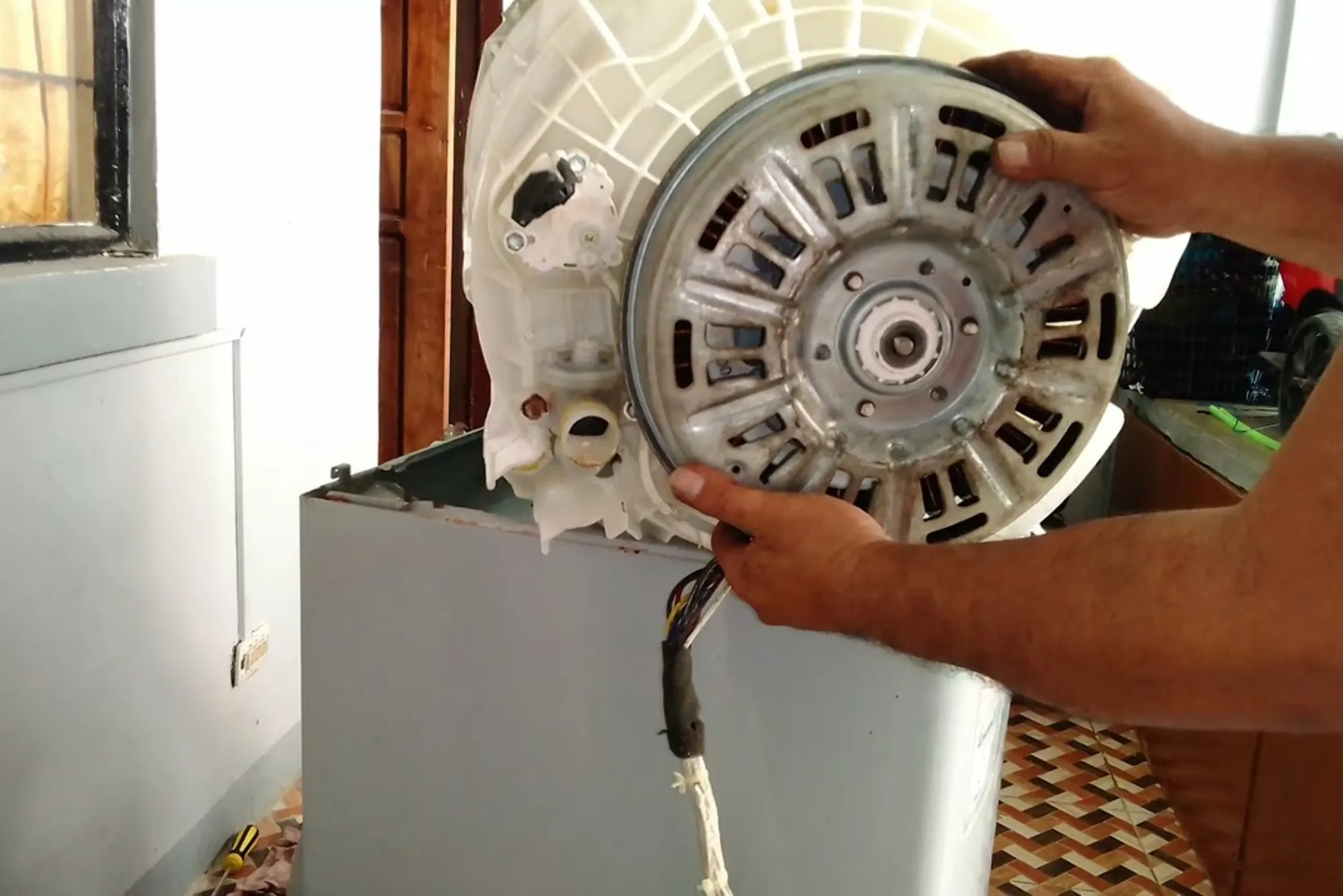
Another frequent cause involves worn drum bearings. Bearings support the inner drum and allow it to rotate smoothly. When bearings become worn or damaged, the drum may produce grinding or rumbling noises, especially during high-speed spinning.
Drive belts are also a potential source of noise. These belts connect the motor to the drum and help control its rotation. If a belt becomes worn, stretched, or misaligned, it can produce squealing or squeaking sounds during operation.
In some cases, foreign objects trapped between the drum and tub may cause rattling noises. Small items such as coins, buttons, or metal pieces can accidentally enter the machine during laundry and create significant noise while the drum rotates.
Impact of Ignoring Washing Machine Noise Problems
Ignoring unusual sounds from a washing machine can lead to serious mechanical damage. What may begin as a minor noise issue can eventually develop into a major appliance failure if left unaddressed.
For example, damaged drum bearings can place additional stress on the motor and internal components. Continued use of the machine in this condition can result in complete drum failure. Similarly, a loose drum or suspension issue may cause excessive vibration, potentially damaging the machine’s outer casing and nearby surfaces.
Electrical components can also be affected by prolonged mechanical strain. Motors working harder than normal due to internal resistance may overheat, increasing the risk of electrical failure. Timely washing machine noise problem repair helps prevent these costly repairs and ensures the appliance continues operating safely.
Importance of Professional Washing Machine Repair Service
Professional technicians possess the expertise and tools required to accurately diagnose washing machine noise issues. Modern washing machines are complex appliances that contain multiple interconnected mechanical and electronic systems. Attempting to repair them without proper knowledge may cause additional damage.
A professional washing machine repair service begins by carefully inspecting the appliance to identify the source of the noise. Technicians analyze the drum, motor, bearings, suspension system, and other components to determine the exact cause. Once the issue is identified, appropriate repair or replacement procedures are performed.
Professional repair services also ensure that genuine replacement parts are used. High-quality components help restore the appliance’s original performance and extend its lifespan. Additionally, experienced technicians follow proper safety procedures, reducing the risk of further mechanical or electrical problems.
Diagnosing Washing Machine Noise During Different Cycles
The stage of the washing process during which noise occurs often provides important clues about the underlying problem. Washing machines operate through several cycles, including filling, washing, draining, and spinning. Each stage involves different components.
Noise during the washing cycle may indicate problems with the agitator or drum movement. Grinding sounds at this stage could suggest worn internal gears or motor coupling issues.
If the noise occurs during the draining process, the problem may involve the drain pump. Debris trapped inside the pump can cause rattling or buzzing sounds while water is being expelled from the machine.
The spin cycle is where many noise problems become most noticeable. Because the drum rotates at high speeds, any imbalance or mechanical wear becomes amplified. Loud banging, rumbling, or vibrating noises during this stage often point to suspension, bearing, or drum alignment problems.
Understanding when the noise occurs allows technicians to narrow down the possible causes during washing machine noise problem repair.
Structural Components Responsible for Noise
Several structural components inside the washing machine are designed to reduce vibration and noise during operation. When these components fail or deteriorate, the machine can become significantly louder.
Shock absorbers and suspension rods help stabilize the drum during spinning. If these parts become worn, the drum may move excessively and create loud banging noises.
Drum bearings are another crucial element. They ensure smooth rotation of the drum and reduce friction during operation. When bearings deteriorate, friction increases and produces grinding sounds.
Motor mounts also play a role in maintaining quiet operation. These mounts hold the motor securely in place and absorb vibration. Loose or damaged mounts can allow the motor to shift during operation, causing rattling or knocking noises.
Professional washing machine repair service includes thorough inspection of these components to ensure that the appliance operates smoothly and quietly.
Preventive Maintenance to Reduce Noise Problems
Preventive maintenance plays an important role in minimizing washing machine noise issues. Proper usage and routine inspection can significantly extend the lifespan of the appliance.
Balanced laundry loads help maintain drum stability during spinning cycles. Overloading the machine or washing heavy items unevenly can place excessive stress on internal components. Maintaining balanced loads helps prevent unnecessary vibration and noise.
Regular cleaning of the drum and internal filters can also reduce noise problems. Accumulated debris or foreign objects may interfere with drum rotation and produce rattling sounds.
Ensuring the washing machine is installed on a level surface is equally important. An uneven floor can cause the appliance to shake during operation, leading to persistent noise and mechanical wear.
While preventive measures are helpful, professional washing machine repair service should still be consulted when unusual sounds appear.
Long-Term Benefits of Timely Repair
Timely washing machine noise problem repair offers several long-term benefits for homeowners. Addressing mechanical issues early prevents minor problems from developing into expensive repairs.
A properly repaired washing machine operates more efficiently, consuming less energy and water during each cycle. Smooth mechanical performance also reduces strain on electrical components, helping extend the appliance’s overall lifespan.
Additionally, a quiet washing machine contributes to a more comfortable home environment. Loud or vibrating appliances can disrupt daily routines and create unnecessary stress. Professional repair restores the machine’s quiet and reliable performance.
Homeowners who invest in regular maintenance and timely repair services often enjoy years of dependable appliance operation without the need for premature replacement.
Choosing the Right Washing Machine Repair Service
Selecting a reliable washing machine repair service is essential for achieving effective and lasting repair results. Experienced technicians should have extensive knowledge of different washing machine models and brands.
A reputable repair service focuses on accurate diagnosis rather than temporary fixes. Skilled professionals carefully examine the appliance, identify the root cause of the noise, and provide appropriate repair solutions.
Customer satisfaction, transparent service practices, and the use of high-quality replacement parts are also important factors when choosing a repair provider. Professional services ensure that the washing machine is restored to optimal working condition.
Unusual noises from a washing machine are often early warning signs of mechanical problems that require attention. Grinding, banging, rattling, or squealing sounds may indicate worn components, imbalance, or internal damage. Understanding these issues and seeking timely washing machine noise problem repair helps protect the appliance from further deterioration.