When it comes to kitchen appliances, few are as central to daily life as the stove. Whether it is used for quick weekday meals or elaborate family dinners, a stove must function reliably. A crucial but often overlooked component within modern ranges is the stove fan. This fan regulates airflow, ensures even cooking, protects internal electronics, and in some cases helps ventilate excess heat. When it malfunctions, performance and safety are both at risk. Understanding how to troubleshoot stove fan issues not only extends the lifespan of the appliance but also ensures that the cooking experience remains consistent and dependable.
Understanding the Role of Stove Fans
The stove fan, sometimes referred to as a cooling or convection fan depending on the model, is designed to serve multiple purposes. In convection ranges, it circulates hot air inside the oven cavity to promote uniform baking and roasting. In electric or induction ranges, a separate cooling fan prevents overheating of sensitive electronic controls. Without these fans, food may cook unevenly, circuit boards could sustain damage, and the overall safety of the appliance might be compromised. Recognizing the fan’s role is the first step in understanding how to troubleshoot problems when they arise.
Recognizing the Signs of Fan Trouble
Issues with stove fans often present themselves subtly at first. A faint hum might turn into an unusual rattling noise, or the oven may take longer than expected to preheat. Unevenly baked dishes, localized burning, or unexplained shutdowns of the appliance can also point to fan malfunctions. In cooling systems, symptoms include control panels that feel excessively hot or stoves that shut down unexpectedly to prevent overheating. These signs should never be ignored, as small problems can evolve into costly repairs or complete appliance failure.
Causes of Stove Fan Malfunctions
Fan problems may stem from mechanical wear, electrical faults, or environmental conditions within the kitchen. Grease buildup, dust accumulation, or moisture can restrict fan blades from spinning freely. Over time, bearings within the motor wear down, leading to grinding or squealing noises. In electric models, faulty wiring or failed capacitors may prevent the motor from starting altogether. Voltage fluctuations and power surges can also cause damage, especially in ranges with sophisticated electronic control boards. Identifying the root cause requires careful observation and, in some cases, testing with specialized tools.
Importance of Early Diagnosis
Delaying attention to stove fan issues often results in escalating damage. A failing convection fan that is left unchecked may lead to scorched or raw food, undermining the cooking process. A malfunctioning cooling fan may allow excess heat to compromise wiring insulation or digital controls, resulting in far more expensive repairs. Early diagnosis not only protects the appliance but also preserves energy efficiency. A fan struggling to turn consumes more electricity than one operating smoothly, raising utility costs over time.
Safe Steps for Initial Troubleshooting
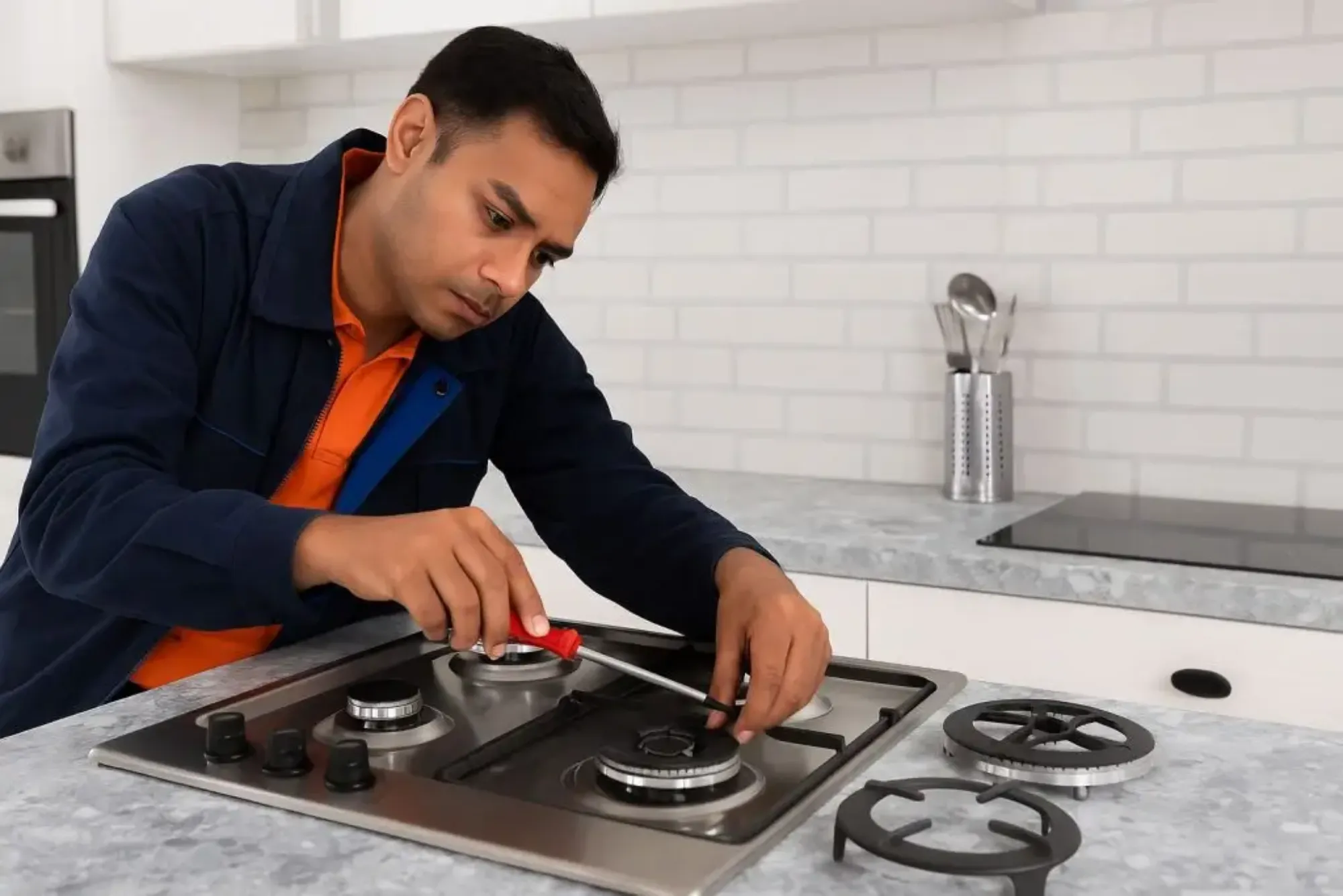
Before attempting any troubleshooting, safety must be prioritized. The stove should always be disconnected from the power supply, and gas models must have the gas supply shut off. Once safe, users can begin by visually inspecting the fan. Look for debris, grease deposits, or foreign objects lodged in the blades. Gently rotating the blades by hand reveals whether they move freely or encounter resistance. If the movement feels stiff or rough, the bearings may be compromised. Listening to the fan during operation, once reconnected, can also provide valuable diagnostic information—whether the sound is humming, rattling, or completely silent.
Addressing Mechanical Blockages
One of the most common problems with stove fans is obstruction. Grease-laden kitchens can cause deposits to harden on blades, throwing the fan off balance and creating vibration. A soft cloth and mild detergent can often resolve this, though care must be taken not to bend the blades. For ranges used in heavy cooking environments, periodic cleaning is essential to prevent recurring blockages. If a physical object such as foil or a loose screw has made its way into the fan cavity, careful removal restores proper airflow.
Handling Motor Wear and Noise
Motor wear reveals itself through loud grinding, squealing, or buzzing sounds. Bearings degrade over years of use, and lubrication may no longer suffice. In many cases, fan motors are sealed units, making replacement more practical than repair. However, confirming that the sound originates from the motor and not a loose mounting bracket is important. Tightening the bracket or replacing vibration dampeners can sometimes eliminate noise without the need for a new motor.
Electrical Problems in Fan Systems
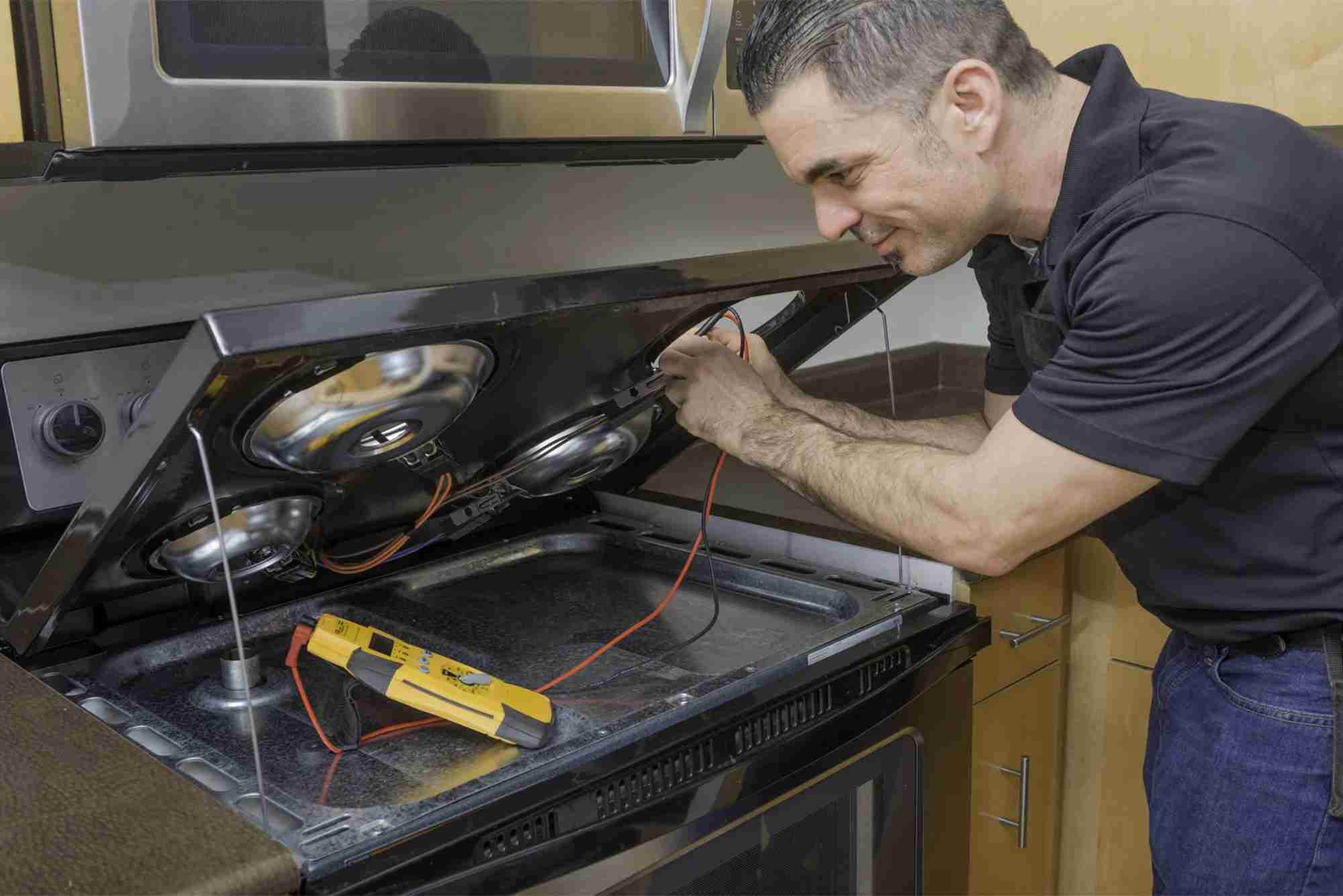
When a stove fan fails to start, electrical issues may be the cause. A blown fuse, faulty relay, or failed capacitor can all interrupt power delivery to the motor. Modern ranges often display error codes that assist in pinpointing the problem. In some cases, a multimeter test is necessary to confirm continuity and voltage supply. Because electrical systems involve high risk, this stage of troubleshooting is best handled by trained professionals. Attempting to replace components without expertise can cause further damage or create safety hazards.
Overheating and Automatic Shutdowns
Cooling fans protect sensitive electronics within the range. If a cooling fan stops working, users may notice that the stove becomes unusually hot to the touch or that it powers off unexpectedly. These shutdowns are safety mechanisms designed to prevent fires or component failure. Restoring proper fan function in such cases is urgent. Continued use without a working cooling fan can destroy circuit boards, which are often the most expensive part of the appliance.
Preventive Maintenance Strategies
While troubleshooting addresses immediate issues, preventive maintenance keeps stove fans functioning smoothly over the long term. Regularly cleaning fan blades and ensuring that air vents are unobstructed by pots, pans, or kitchen clutter reduces strain on the motor. Scheduling periodic professional inspections, especially in commercial or high-use households, ensures that early signs of wear are detected. Additionally, installing surge protectors reduces the risk of electrical damage from unstable household power.
When to Seek Professional Help
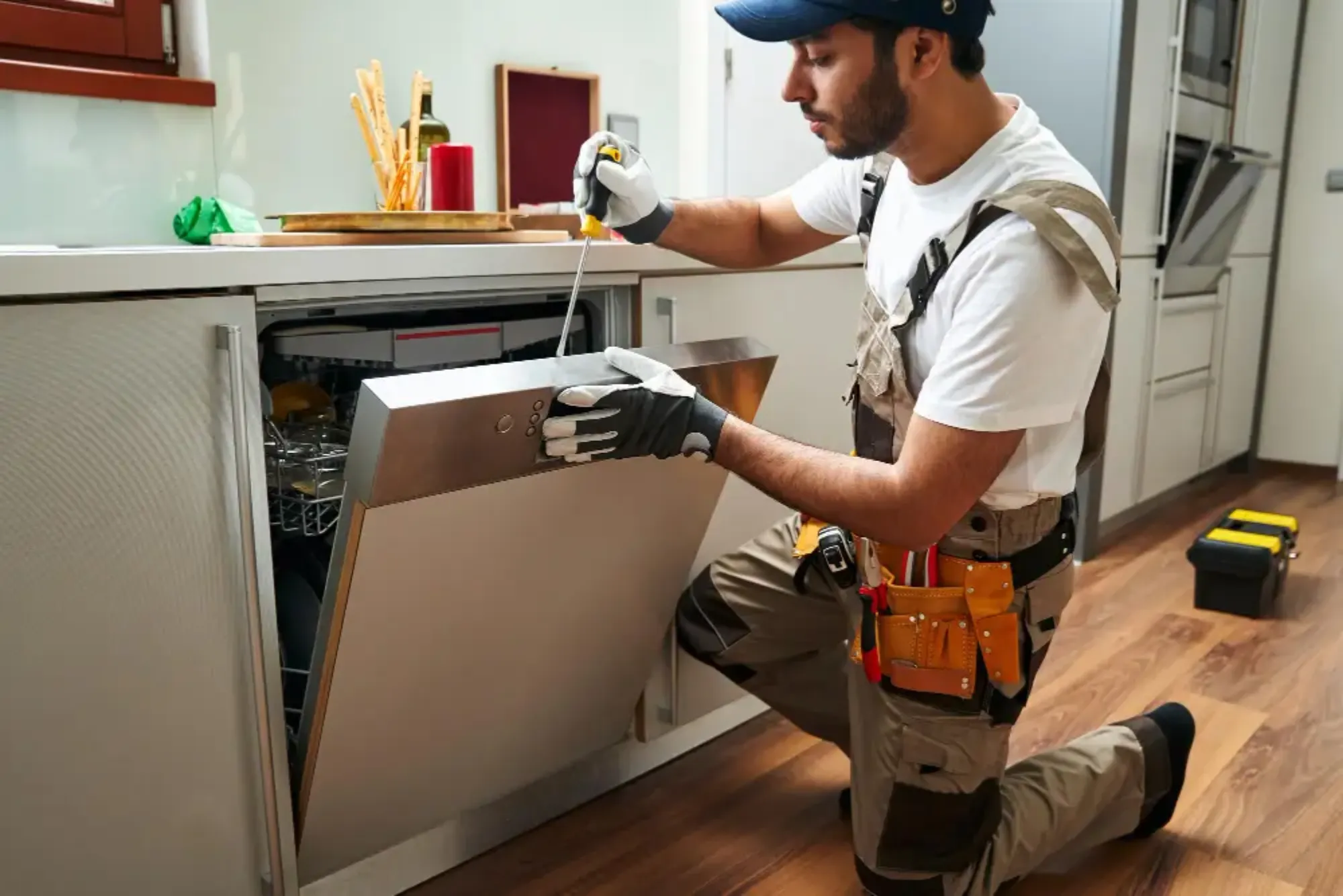
Some troubleshooting steps are safe and practical for homeowners, such as cleaning debris or tightening loose components. However, motor replacement, wiring repairs, and capacitor testing fall into the realm of professional technicians. Certified appliance repair specialists have the equipment and expertise to safely diagnose and resolve electrical faults. Attempting complex repairs without training can void warranties or even result in personal injury. Knowing the boundary between do-it-yourself solutions and professional intervention is essential.
Impact on Cooking Performance and Safety
A fully functioning stove fan directly affects cooking outcomes. Even airflow in convection ovens ensures that baked goods rise evenly and meats roast with consistent doneness throughout. Cooling fans allow electronic components to perform without overheating, reducing the chance of sudden failures in the middle of cooking. Beyond cooking performance, the safety implications are profound. A stove with a faulty cooling system can overheat and, in extreme cases, pose fire hazards. Reliable fan function is not merely a matter of convenience but of household safety.
Extending the Life of Your Range
Investing in fan maintenance extends the overall service life of the appliance. A well-maintained fan reduces stress on heating elements, control systems, and insulation materials. This helps ensure that the range remains dependable for years beyond its expected lifespan. While fans are replaceable parts, their proper functioning contributes to the overall health of the entire stove system. Viewing them as integral rather than secondary components changes the way users prioritize their care.
The Role of Manufacturer Guidelines
Each range is designed with specific airflow patterns and fan configurations. Following the manufacturer’s guidelines for cleaning, troubleshooting, and replacement parts is vital. Using unauthorized parts or ignoring service recommendations can result in improper performance and may void warranties. Instruction manuals often contain diagrams and troubleshooting advice tailored to the specific model, making them invaluable resources for anyone attempting to address fan issues.
Evolving Technology in Stove Fans
Modern ranges incorporate advanced technology in fan systems, including variable-speed motors, smart diagnostics, and noise-reduction designs. These innovations make fans more efficient but also more complex. Troubleshooting such systems may involve interpreting digital codes or working with proprietary components. As technology continues to evolve, the importance of professional support and adherence to manufacturer specifications grows even greater.
Final Thoughts on Troubleshooting Stove Fans
Troubleshooting stove fan issues requires a balance of observation, safe handling, and technical knowledge. From recognizing early warning signs to addressing mechanical, electrical, or airflow problems, users can often prevent minor issues from escalating. While some steps—such as cleaning and visual inspection—are accessible to the average homeowner, more advanced problems demand professional expertise. Ultimately, the health of a stove fan influences not only the performance of the range but also the safety of the kitchen itself. By treating fan care as a priority rather than an afterthought, households can enjoy efficient, safe, and reliable cooking for years to come.