A dishwasher is one of the most convenient appliances in modern kitchens, designed to save time and effort. However, like any electronic device, it can experience problems. One of the most common issues homeowners face is when the control panel lights start behaving abnormally. These lights are designed to provide signals about the operation of the dishwasher, whether it is running a cycle, paused, or experiencing an error. When they blink unexpectedly, fail to turn on, or display unusual patterns, it often leaves users confused and unsure about the next steps. Troubleshooting dishwasher control panel lights requires a careful understanding of what these signals mean, how the appliance responds to them, and when professional repair services might be necessary.
Understanding the Role of Control Panel Lights
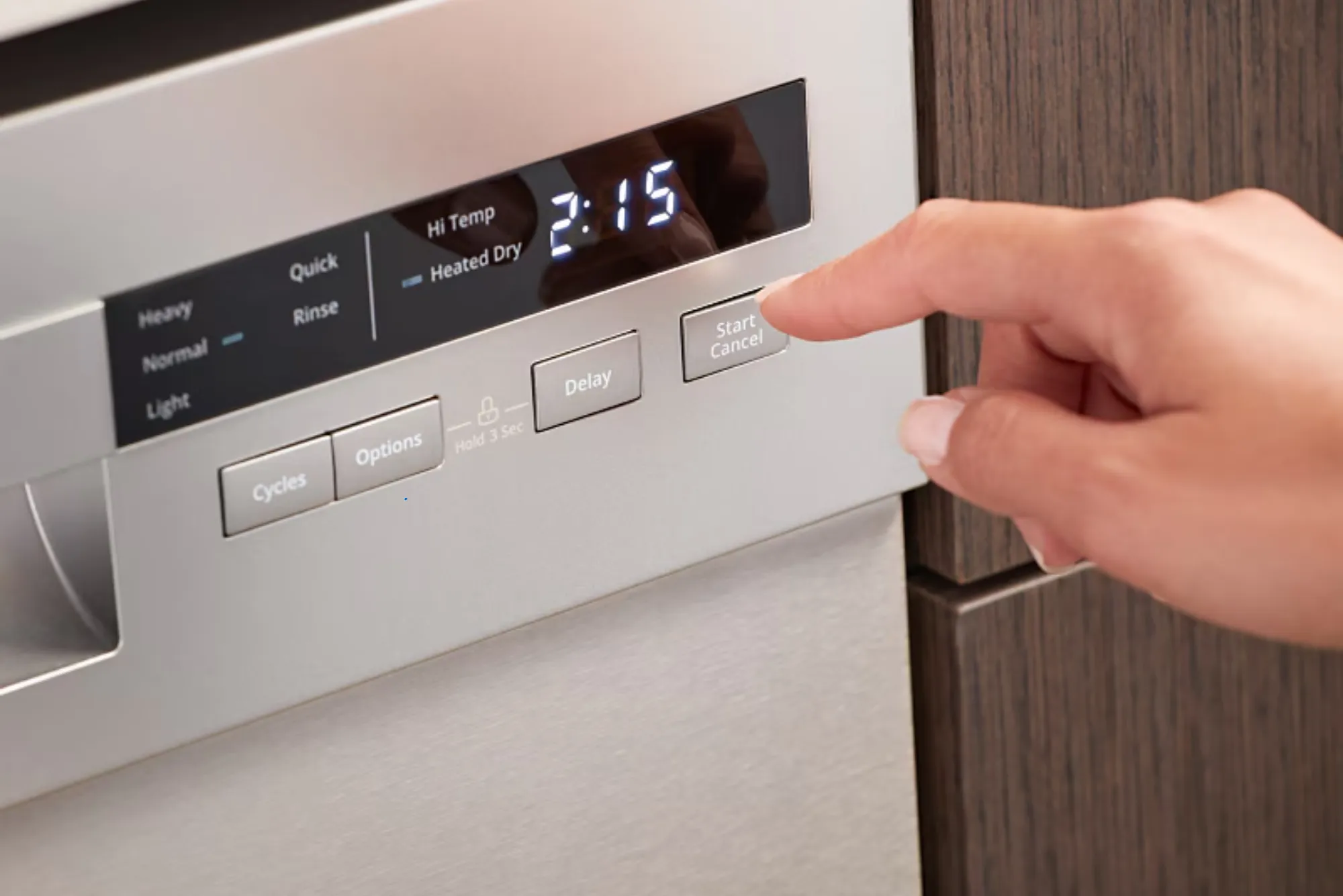
The control panel of a dishwasher serves as the central hub for operating the appliance. It is where users select washing cycles, adjust settings, and receive feedback through indicator lights. These lights can indicate functions such as wash cycle selection, drying stage, lock mode, or even alert the user to maintenance needs like low rinse aid or water supply issues. When functioning properly, the control panel ensures smooth communication between the user and the dishwasher. But when the lights flash erratically or fail altogether, it can be an indicator of electrical faults, programming errors, or component malfunctions.
Common Signs of Control Panel Light Problems
When troubleshooting Dishwasher Control Panel Lights, several scenarios are often reported. Sometimes the lights may blink repeatedly, which often signifies an error code. In other cases, the control panel may remain completely dark even though the dishwasher is connected to power. There are also situations where the lights remain stuck on a single setting, failing to respond to button commands. These issues are not just inconveniences; they reflect deeper concerns that could involve anything from a minor setting error to a significant electronic fault.
Causes Behind Flashing or Non-Responsive Lights
The behavior of control panel lights is influenced by both hardware and software components. One of the simplest causes could be that the dishwasher is locked in a child safety mode, preventing any changes until the lock is disabled. Power surges or sudden interruptions can also confuse the control board, leading to blinking sequences that resemble error messages. In many cases, worn-out touchpad buttons or faulty wiring connections can cause the control lights to malfunction. If the lights are completely unresponsive, the problem may be related to a blown fuse, a defective power supply, or a damaged control board that requires replacement.
Importance of Interpreting Error Codes
Most modern dishwashers are equipped with error code systems that communicate problems through blinking lights. For example, repeated flashes may indicate a water supply issue, a blocked filter, or a malfunction in the heating element. While some codes can be resolved by resetting the dishwasher or checking basic connections, others point to more complex mechanical or electronic issues. Misinterpreting these signals can lead to ineffective repairs or further damage. This is why appliance manufacturers provide manuals with detailed explanations of light codes, though homeowners often benefit from professional assistance to ensure accurate diagnosis.
Resetting the Control Panel
A common troubleshooting step for dishwasher light issues is performing a reset. Resetting helps the system clear temporary glitches or miscommunication between components. This can often be done by disconnecting the dishwasher from power for a few minutes before reconnecting it. In other models, a specific button sequence is used to reset the control panel. While this step sometimes resolves the problem, it is not a guaranteed solution if the underlying issue is more serious, such as a defective control board or wiring fault.
Electrical and Wiring Concerns
The control panel lights are directly powered through the dishwasher’s electrical system, which means any fault in wiring can cause irregular behavior. Loose connections, moisture intrusion, or damaged cables may prevent the lights from receiving proper power. Electrical issues can also result from faulty household wiring or tripped circuit breakers, which might be overlooked when focusing only on the appliance itself. Ensuring that the dishwasher receives a consistent and safe power supply is essential before assuming the problem lies within the control board.
When the Touchpad is the Problem
Sometimes the issue does not lie with the lights themselves but with the touchpad that sends commands to the control board. A worn or defective touchpad can make it appear as though the lights are malfunctioning when in reality the system is not receiving proper input. This often occurs when specific buttons stop responding, or when pressing one button causes multiple lights to flicker incorrectly. In such cases, replacing the touchpad is often the only long-term solution.
Professional Diagnosis and Repairs
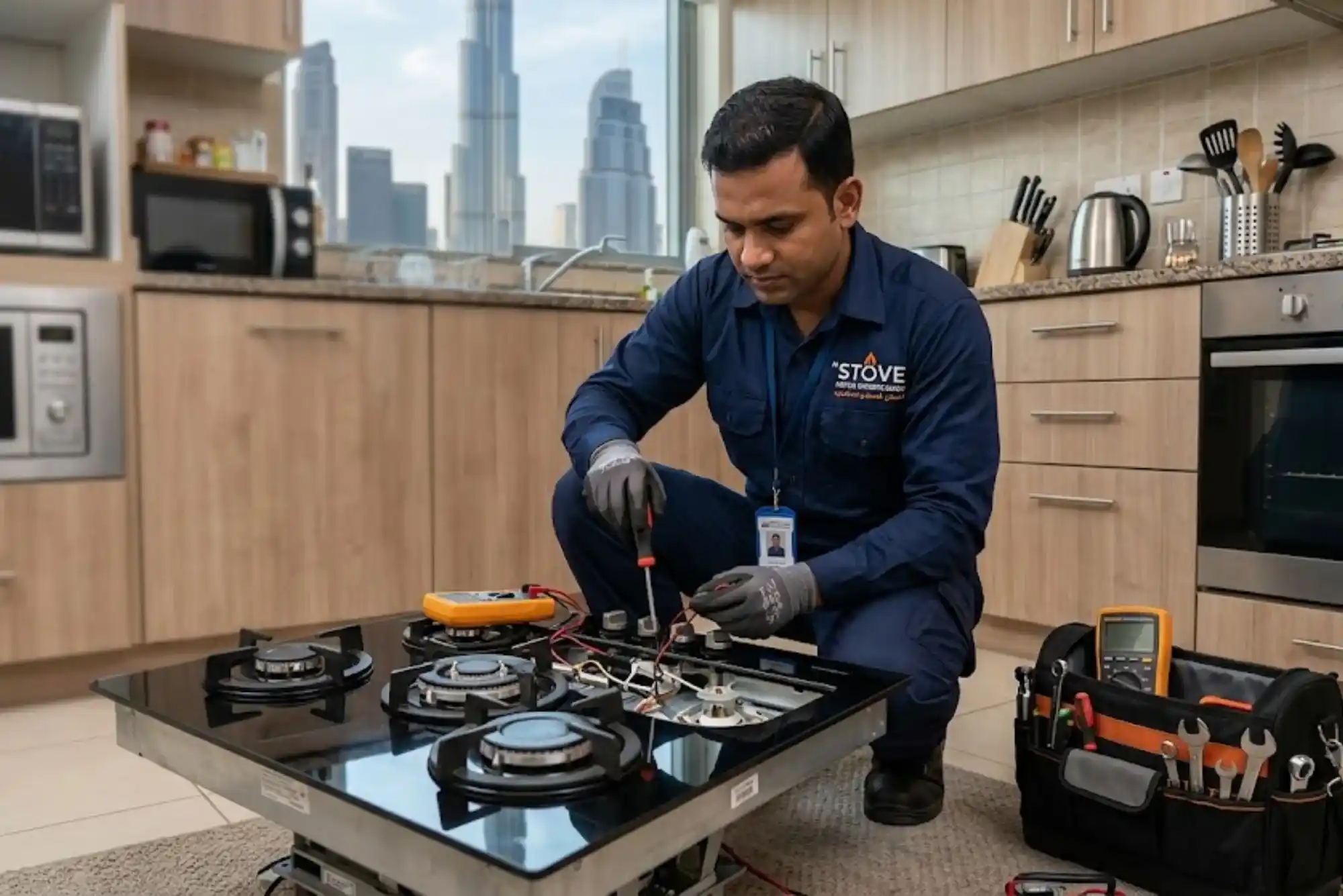
While homeowners can attempt basic troubleshooting such as resetting the dishwasher, checking the power source, or disabling lock modes, many issues with control panel lights require professional expertise. Appliance repair technicians use diagnostic tools to interpret error codes, test voltage levels, and determine whether the issue is electrical, mechanical, or software-related. Professional repairs not only restore functionality quickly but also prevent further complications that may arise from incorrect handling of delicate electronic components.
Preventive Measures for Future Issues
To reduce the likelihood of facing control panel light issues, regular maintenance is key. Ensuring that the dishwasher is kept clean, free from moisture buildup around the control area, and protected from power surges can significantly extend the life of the appliance. Using the dishwasher according to manufacturer guidelines also helps prevent unnecessary strain on the electronic system. Homeowners can also consider installing surge protectors to shield sensitive components from sudden electrical fluctuations.
When Replacement is the Best Option
In some cases, persistent problems with control panel lights indicate that the control board or other internal electronics are failing. If the dishwasher is older, replacing the control system may cost nearly as much as purchasing a new appliance. At this point, a professional technician can advise whether repair or replacement is the most cost-effective solution. For many households, investing in a new dishwasher may provide better energy efficiency and advanced features that justify the expense.
Final Thoughts
Troubleshooting dishwasher control panel lights requires a blend of careful observation and technical understanding. Whether the lights are blinking error codes, refusing to respond, or showing irregular patterns, they serve as indicators of underlying issues that should not be ignored. While some problems can be solved through simple resets or power checks, others demand the expertise of a qualified repair technician. Addressing these issues promptly ensures that the dishwasher continues to function efficiently, avoiding the inconvenience of manual dishwashing and the expense of major repairs.