If you’ve ever felt that your home just can’t seem to stay cool in the summer—or warm in the winter—no matter how hard your HVAC system works, the problem may not be your AC unit itself. More often than not, the issue lies in your attic. Specifically, it’s the AC insulation in your attic (or the lack of it) that can make or break your home’s energy efficiency.
I’ve seen it firsthand while helping homeowners troubleshoot high energy bills and inconsistent indoor temperatures. They often think replacing their air conditioner will solve the problem. But in many cases, upgrading or improving attic insulation delivers a bigger impact, both in comfort and cost savings. Let’s explore why AC insulation in attics is so critical and how it can transform your home’s efficiency.
Understanding What Attic AC Insulation Actually Does
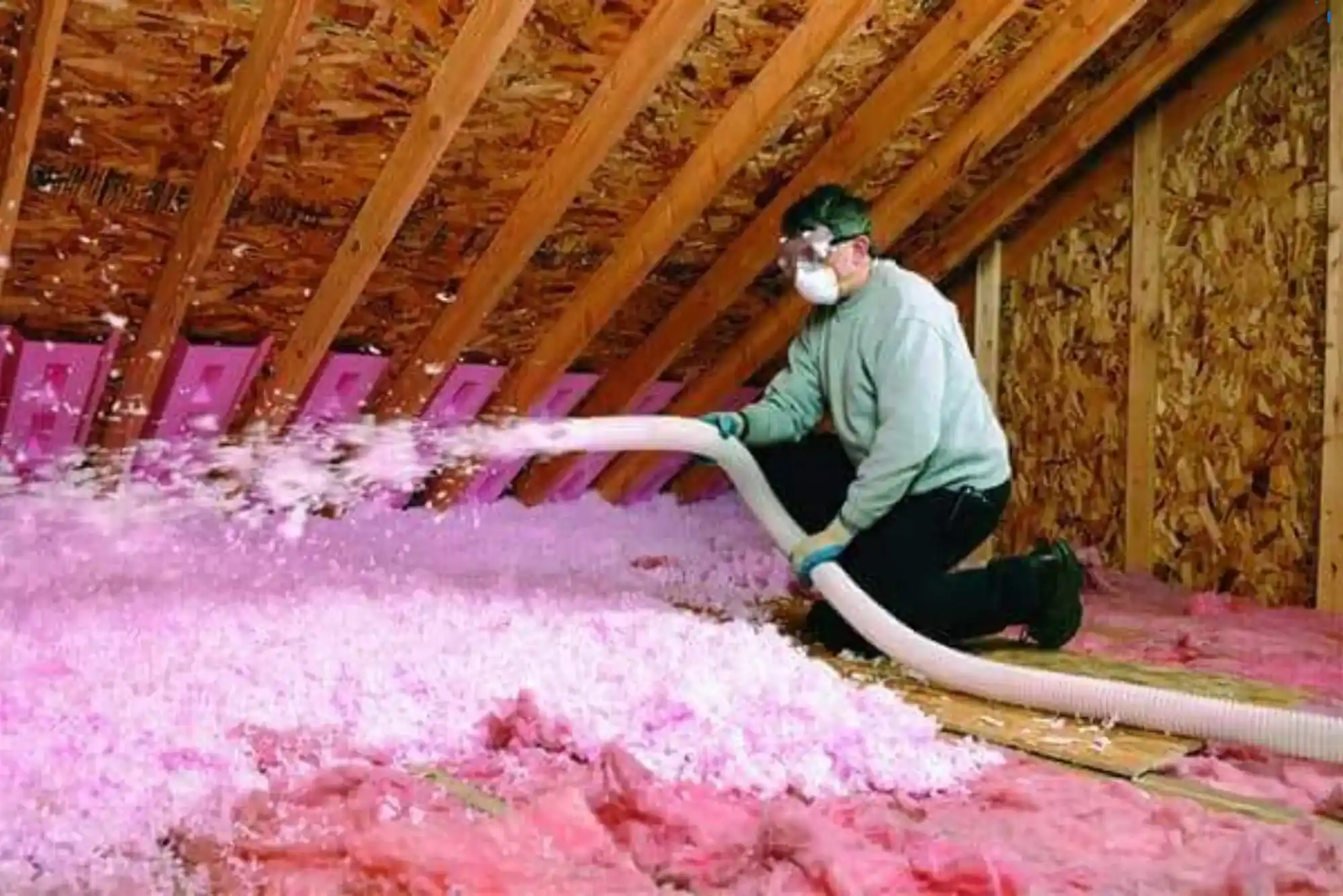
When we talk about AC insulation in the attic, we’re essentially talking about creating a thermal barrier. Your attic is directly exposed to outside temperatures—blazing hot in summer, frigid in winter. Without proper insulation, this heat or cold easily transfers into your living space, forcing your HVAC system to work harder than necessary.
Proper insulation acts like a shield, slowing down heat transfer and helping maintain a stable indoor temperature. This means your AC unit doesn’t have to overwork itself in summer, and your heater can keep you warm without wasting energy in the winter.
I once measured an uninsulated attic in July that hit over 140°F (60°C). Imagine your AC system trying to fight that heat pouring into your home—it’s a losing battle without insulation.
The Connection Between Attic Insulation and Energy Bills
Many homeowners are shocked to learn how much attic insulation impacts their monthly expenses. Poor or insufficient attic insulation can cause up to 25–30% of energy loss in a home. This is because your HVAC system is constantly compensating for the uncontrolled temperature exchange happening above your head.
Upgrading attic AC insulation often pays for itself within a few years through reduced utility bills. For example, one family I worked with replaced old, flattened fiberglass insulation with a modern spray foam system. Their summer electricity bills dropped by nearly 20%—without touching their AC unit.
Think of it this way: if your attic is poorly insulated, it’s like leaving a window open all year round. You wouldn’t do that, right? Yet that’s effectively what’s happening with inadequate insulation.
Comfort Isn’t Just About Temperature—It’s About Stability
An HVAC system can only do so much if your home’s thermal envelope is compromised. Without proper attic insulation, you’ll notice “hot spots” in summer or “cold spots” in winter, especially in upstairs rooms. This uneven temperature distribution isn’t just uncomfortable—it can also strain your AC unit as it cycles on and off more frequently, which shortens its lifespan.
I often explain to clients that insulation is about stability as much as it’s about comfort. With the right AC insulation in the attic, you’ll enjoy a more consistent indoor climate, Post Category, meaning fewer temperature swings and a better overall living experience.
AC Performance and Longevity Depend on the Attic
One overlooked aspect of attic insulation is its effect on your AC unit’s lifespan. When your HVAC system works overtime to compensate for temperature fluctuations caused by poor insulation, it experiences more wear and tear. This means you might be replacing major components—or the entire unit—sooner than expected.
By insulating your attic properly, you reduce the workload on your AC system. That not only saves money on repairs and replacements but also means your unit can perform more efficiently for years to come.
I once worked with a homeowner who went through two AC units in less than a decade because of poor attic insulation. After we addressed the insulation issue, their third unit has been running smoothly for over eight years now.
Common Types of Attic AC Insulation
While the concept of attic insulation is simple, choosing the right material matters. Common options include:
- Fiberglass batts or rolls – Affordable and easy to install but can lose effectiveness if compressed or exposed to moisture.
- Blown-in cellulose – Great for covering irregular spaces, eco-friendly, and effective at reducing air leaks.
- Spray foam insulation – Offers superior air sealing and thermal resistance, though it comes at a higher upfront cost.
The best choice depends on your home’s design, climate, and budget. In hot, humid regions, spray foam often delivers the best results because it also helps reduce moisture problems that can damage your attic and AC system.
How to Tell If Your Attic Needs Better AC Insulation
You don’t have to be an HVAC technician to spot the warning signs. If you notice any of the following, it might be time to reassess your attic insulation:
- Your energy bills have been steadily rising without increased usage.
- Rooms directly under the attic feel noticeably hotter or colder than the rest of the house.
- You see exposed areas in your attic where insulation is missing, thin, or damaged.
- Your AC runs almost constantly during extreme weather.
I encourage homeowners to physically inspect their attics once a year. Even if you’re not sure what to look for, a quick peek can reveal obvious issues like gaps, bare spots, or insulation that’s settled too much over time.
The Role of Proper Air Sealing Alongside Insulation
While insulation slows down heat transfer, air sealing prevents leaks that allow conditioned air to escape. The two work hand in hand. I’ve seen homes with brand-new attic insulation still struggling because gaps around vents, light fixtures, or ductwork were left unsealed.
When you upgrade your AC insulation in the attic, make sure your contractor also addresses air sealing. This creates a complete thermal and air barrier, maximizing your home’s efficiency.
Real-World Example: How One Upgrade Changed Everything
A client of mine in Texas had an older home with patchy attic insulation. Their summer electric bill was routinely over $400. After installing high-quality spray foam insulation and sealing all attic air leaks, the difference was immediate. The following month, their bill dropped to $310—and the upstairs bedrooms finally stayed cool without blasting the AC all night.
These kinds of improvements aren’t just about comfort—they’re about creating a sustainable, cost-effective living environment.
Why Attic Insulation Is a Smart Long-Term Investment
It’s easy to overlook your attic when thinking about home upgrades. After all, you probably spend very little time up there. But the impact it has on your AC efficiency, comfort, and energy bills is huge. Unlike many home improvements, attic insulation requires little to no maintenance once it’s done right, and the benefits last for decades.
In my experience, upgrading attic insulation is one of the most cost-effective improvements you can make for your home. You get lower utility bills, a more comfortable living space, less strain on your HVAC system, and even potential resale value boosts.
If your goal is to make your AC system work smarter, not harder, start with the attic. It’s the part of your home that quietly controls your comfort and costs—yet gets the least attention.
Final Thoughts
Your attic is more than just a storage space; it’s a major factor in how well your AC performs. Proper attic AC insulation keeps your home comfortable year-round, reduces energy bills, protects your HVAC system, and pays for itself over time.
Next time you wonder why your air conditioner isn’t delivering the comfort you expect, look upward. The answer—and the solution—might be right above your head.