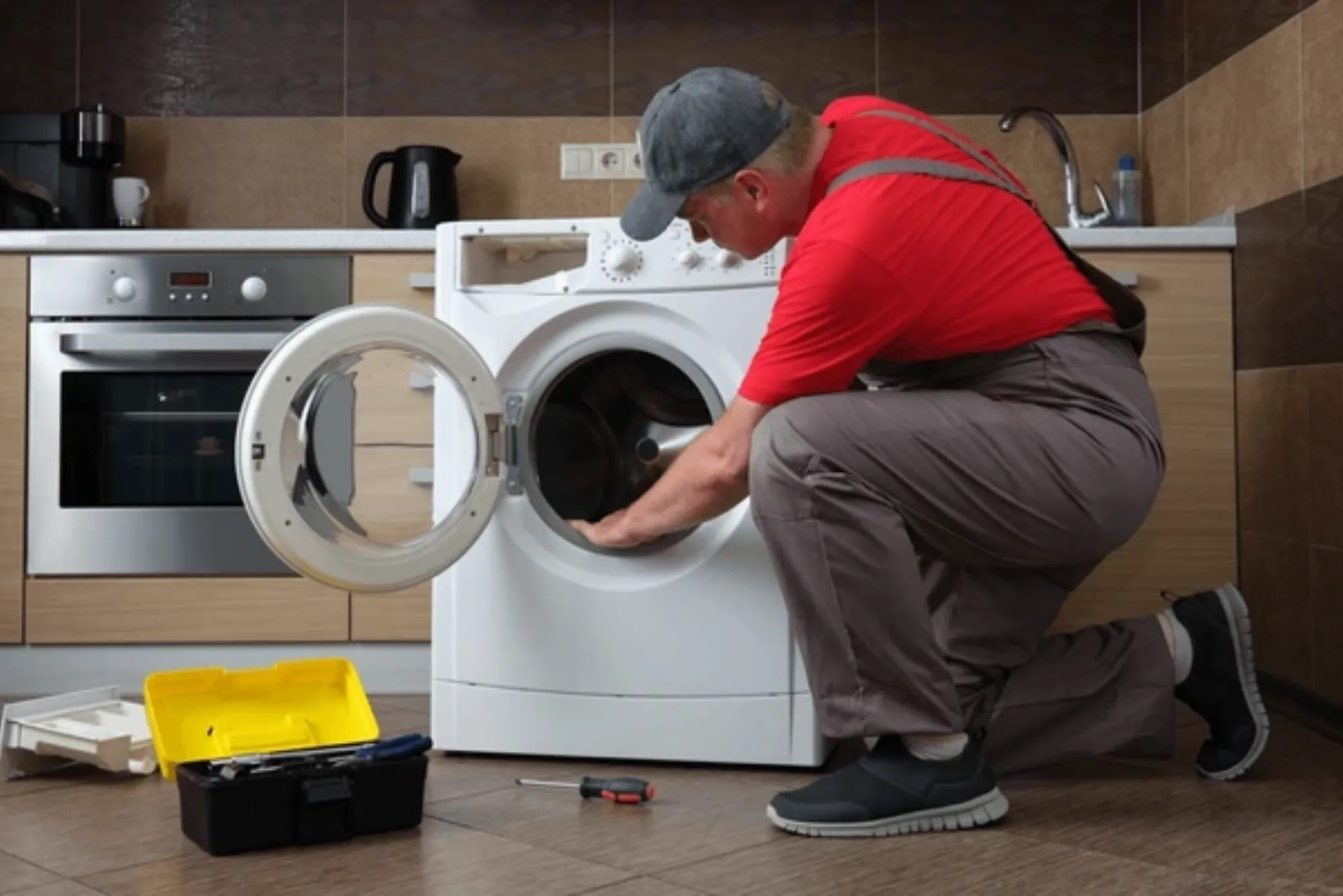
Washing machines are one of the most essential household appliances, relied upon weekly if not daily. When they break down, the disruption is immediate and the cost of repairs can feel overwhelming. Understanding what influences repair costs, the average price ranges for common problems, and the value of timely intervention can help homeowners make informed decisions. This article explores the cost of common washing machine repairs in detail, while also considering factors that affect those costs, the trade-off between repair and replacement, and how to maximize the lifespan of a washing machine.
Why Washing Machine Repairs Vary in Cost
No two washing machine repairs are exactly alike. Several factors influence the final price of a repair, even for the same type of problem. The brand and model play a major role, as premium or imported machines often require specialized parts that are more expensive to source. Labor charges vary depending on the region, the technician’s expertise, and whether the service call is during normal hours or an emergency visit.
Another element to consider is the age of the appliance. Older washing machines may require discontinued parts, driving up the cost and length of the repair. In some cases, manufacturers may no longer produce specific components, leading to higher aftermarket pricing. Conversely, newer models with complex digital control panels or smart technology can also carry higher repair bills due to the specialized knowledge and tools needed.
Repairing a Faulty Drum or Bearing
One of the most common and costly repairs involves the drum and its bearings. When bearings wear down, the machine may produce a loud rumbling noise during the spin cycle, or the drum may feel loose. Replacing bearings often requires dismantling much of the machine, which increases labor costs significantly. Depending on the brand and model, the cost of repairing or replacing drum bearings typically falls in the higher range of washing machine repairs. For some premium machines, the repair can be nearly as expensive as purchasing a new budget model.
Fixing Motor and Pump Issues
The motor and pump are the heart of a washing machine, driving the drum and ensuring water circulates properly. When these components fail, symptoms can include the drum not spinning, water not draining, or the machine shutting down mid-cycle. Motor repairs or replacements are usually moderate to high in cost, depending on whether the problem is a worn belt, damaged brushes, or a full motor replacement.
Drain pumps, on the other hand, are somewhat less expensive to repair but still require professional attention. A pump failure leads to standing water in the drum, which not only prevents clothes from being cleaned but also risks water damage. While pump repairs are usually manageable in terms of cost, delaying the fix can cause further complications.
Addressing Door Lock and Seal Problems
The door lock mechanism is crucial for safety, as most washing machines will not operate unless the door is securely closed. A faulty door lock can stop the machine from starting altogether. Repairs are often straightforward but require replacement parts, with costs influenced by whether the lock is mechanical or electronic.
Door seals, also known as gaskets, are another common source of repair. They can tear, wear out, or develop mold, leading to leaks and hygiene concerns. Replacing a door seal is not usually among the most expensive repairs, but ignoring it can result in water damage around the machine and even mold growth in the laundry area.
Repairing Water Inlet and Drainage Systems
The water inlet valve controls the flow of water into the machine, and if it fails, the washer may not fill properly or may leak. Replacing an inlet valve is usually a moderate-cost repair but essential for restoring normal operation. Similarly, hoses connected to the inlet or drainage system can become cracked or blocked. These issues are generally less costly to fix, but their impact can be significant if left unattended. A burst hose, for example, can flood a laundry room and cause extensive damage.
Electrical and Control Panel Repairs
Modern washing machines often feature complex electronic control panels with touchscreens, digital displays, and smart connectivity. When these components malfunction, repair costs can rise quickly due to the specialized parts and expertise required. Common issues include faulty wiring, broken buttons, or corrupted software.
In some cases, technicians can reset or recalibrate the control panel, keeping costs relatively low. However, if the entire panel needs replacement, the expense can be considerable. Owners of older machines with simple mechanical dials typically face lower repair costs, but such models are becoming increasingly rare.
Comparing Repair Costs with Replacement
A critical decision homeowners often face is whether to repair or replace a washing machine. Generally, if the repair cost exceeds half the price of a new machine, replacement is the more economical choice. For example, a budget washing machine may cost a few hundred dollars, while high-end models can run into the thousands.
Age is another determining factor. Machines over 10 years old may be nearing the end of their expected lifespan, making expensive repairs less practical. Newer appliances, however, are often worth repairing, especially if the problem is isolated and the machine is otherwise in good condition.
The Importance of Timely Repairs
Delaying washing machine repairs can turn a minor issue into a major one. A small leak, for instance, may not seem urgent, but it can cause water damage to flooring and substructures if ignored. Similarly, a worn belt or loose drum bearing can escalate into complete motor failure if not addressed. Acting quickly on small problems often keeps repair costs lower in the long run.
How Preventive Maintenance Reduces Repair Costs
One of the best ways to minimize repair costs is through preventive maintenance. Regularly checking and cleaning the filter, inspecting hoses for signs of wear, and ensuring the machine is level can all extend its life. Using the appropriate detergent and avoiding overloading the drum also reduces strain on mechanical parts.
Scheduling professional servicing every few years can help identify potential issues before they become expensive problems. While this adds a small upfront cost, it usually pays off by reducing the likelihood of major repairs or premature replacement.
Brand Considerations and Repair Expenses
Not all washing machines are created equal when it comes to repair costs. Luxury brands may offer superior performance and features, but they often carry higher repair bills due to expensive proprietary parts. More common household brands usually have readily available components, making repairs quicker and more affordable.
Warranty coverage is another key consideration. Many manufacturers provide extended warranties or service plans that cover the cost of parts and labor for several years. Investing in these plans can significantly reduce out-of-pocket expenses, especially for high-end machines.
Balancing Cost and Value
Understanding the cost of common washing machine repairs helps homeowners make smarter choices when their appliance breaks down. From bearings and motors to seals and control panels, the expenses can vary widely depending on the nature of the problem, the brand, and the age of the machine. In many cases, timely intervention and preventive maintenance keep repair costs manageable and extend the machine’s service life.
Ultimately, the decision between repairing and replacing comes down to balancing cost, age, and value. For minor issues or newer appliances, repair is often the best option. For older machines facing costly repairs, replacement may offer greater long-term savings. By approaching the problem with knowledge and foresight, homeowners can maintain efficient laundry systems without unnecessary financial strain.