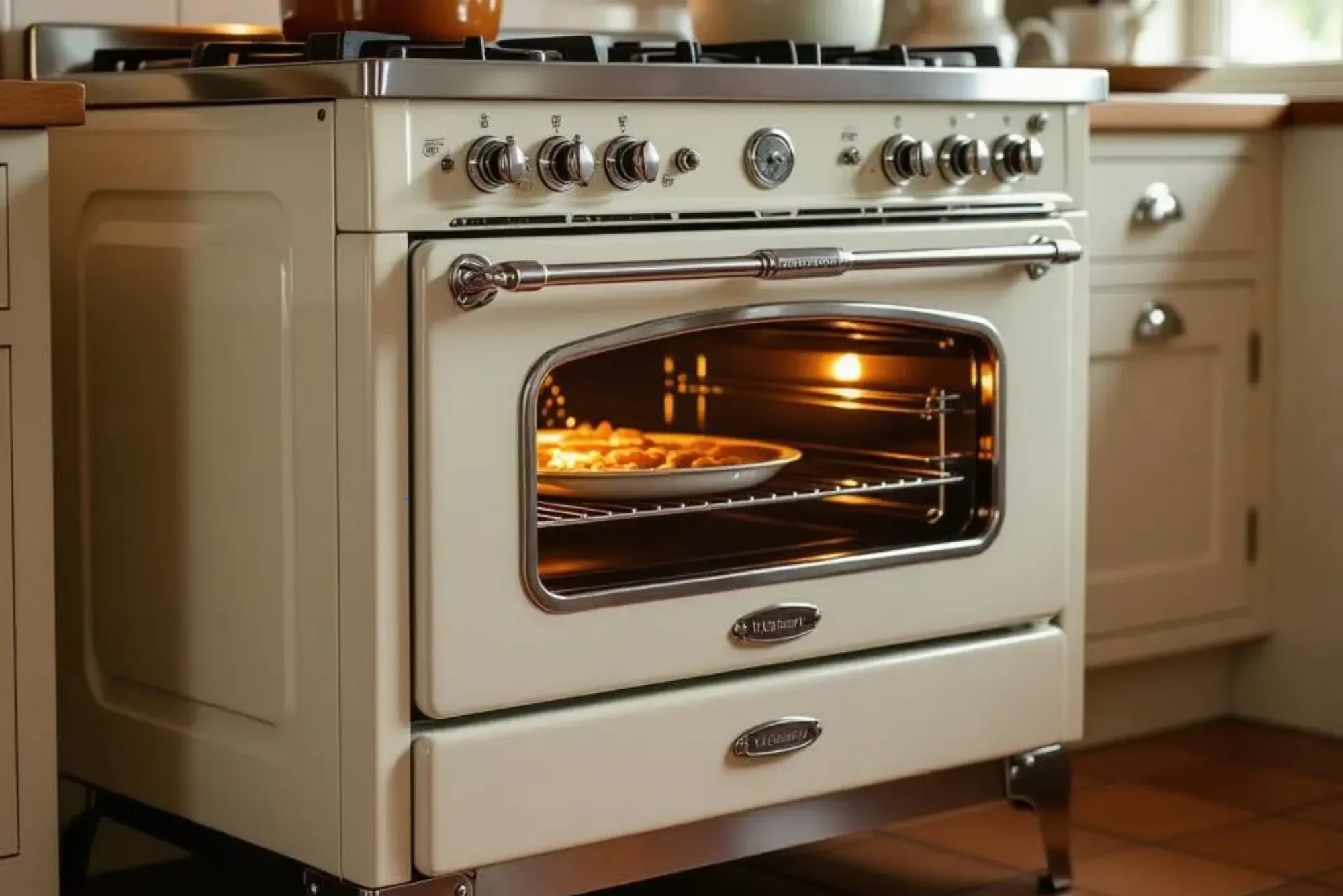
Vintage and antique ovens are more than just cooking appliances. They are tangible pieces of history, representing craftsmanship, design, and innovation from earlier eras. Whether it’s a cast iron wood-burning stove from the late 1800s or a mid-century gas range, these appliances carry with them both sentimental and practical value. Restoring and maintaining them requires care, knowledge, and patience, but the rewards are significant. Not only do these ovens often outlast modern appliances when properly cared for, but they also add charm and character to homes.
Caring for vintage and antique ovens is not a one-time effort but an ongoing practice. This article explores the key aspects of maintaining these unique pieces, from cleaning and restoration to safety considerations and long-term preservation.
Understanding the Historical Value of Antique Ovens
Before beginning any maintenance, it is important to understand the oven’s place in history. Each antique or vintage model reflects the technology and domestic culture of its time. Early wood and coal ranges were designed for durability and functionality, often with heavy iron bodies and minimal moving parts. By the early to mid-20th century, gas and electric ranges introduced more complexity with burners, thermostats, and enamel finishes.
The age, maker, and model of an oven can greatly influence how it should be maintained. Identifying these details helps ensure that restoration methods are appropriate. A careless repair can diminish historical value, while thoughtful upkeep can preserve authenticity and function for decades.
Cleaning Techniques That Protect Materials
Cleaning is the most frequent maintenance task and should be done carefully to avoid damaging original finishes. For cast iron ranges, dry brushing and light scrubbing with non-abrasive pads are recommended. Harsh chemicals should be avoided because they can strip protective layers or react with metals. When dealing with enamel surfaces, mild soap and warm water are usually sufficient, and abrasive scouring should be avoided to prevent scratches.
For ovens that have accumulated decades of soot or grease, a gradual cleaning process is best. Attempting to remove heavy buildup in a single session can cause chipping or warping. Instead, several light cleanings over time will preserve the integrity of the materials while restoring appearance.

Restoring Functionality Without Compromising Authenticity
Restoration often goes beyond cleaning. Many antique ovens require attention to functional components such as hinges, burners, grates, or thermostats. When possible, original parts should be repaired rather than replaced, but when replacements are necessary, period-appropriate parts are preferable.
For example, an antique gas oven may have valves or seals that are no longer safe. In such cases, replacement with modern but visually unobtrusive parts can make the appliance safe while preserving historical charm. Similarly, broken oven doors or warped fire grates can often be refurbished by skilled metalworkers rather than replaced outright.
The goal in restoration is to balance usability with authenticity. It is possible for an oven to both function reliably and remain a true reflection of its original design.
Addressing Safety in Older Appliances
Safety is one of the most important aspects of maintaining vintage ovens. While many are robustly built, older appliances were designed under different safety standards. A wood-burning stove may not have the same ventilation requirements as a modern range, and a mid-century gas oven may lack fail-safe ignition systems.
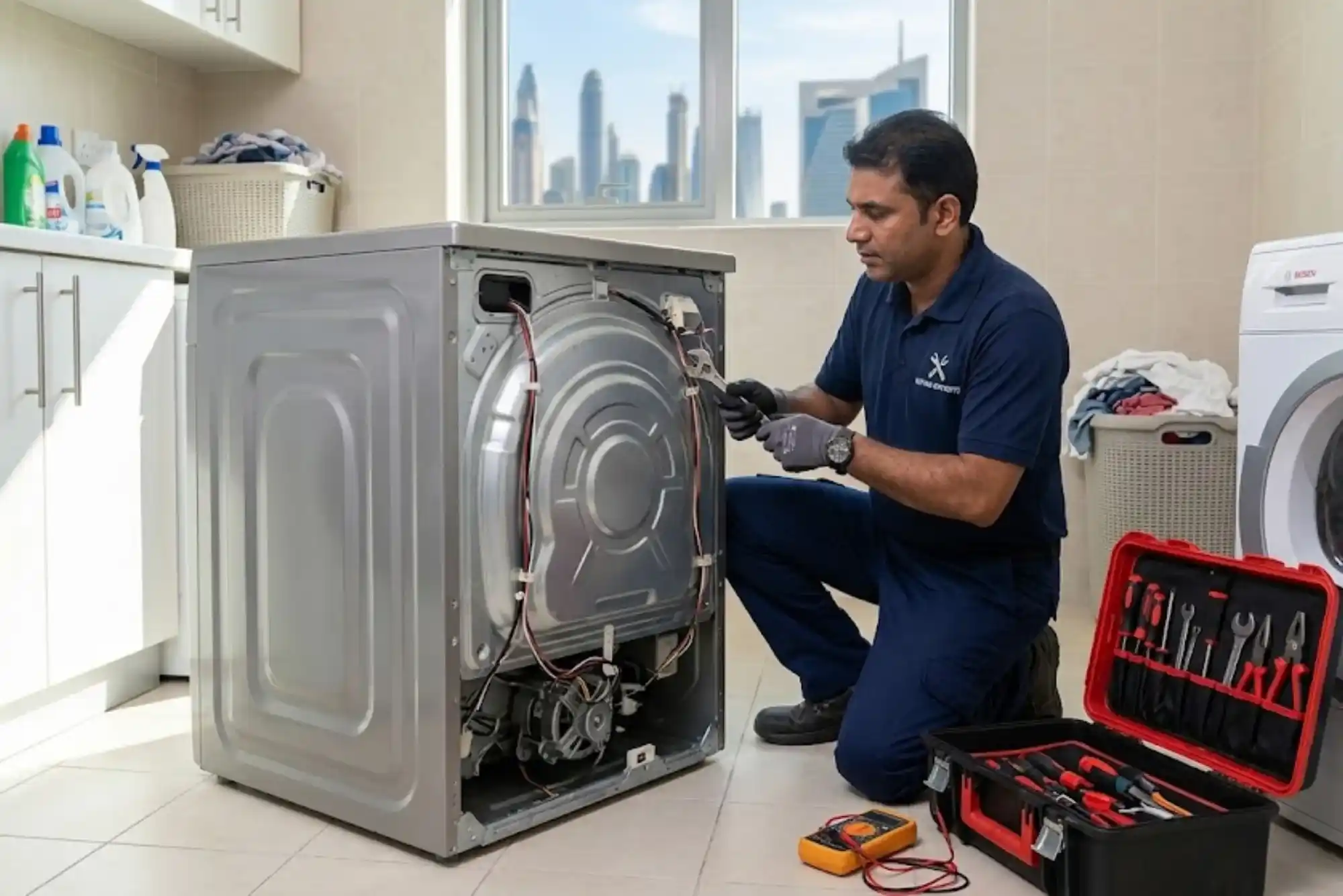
Owners should have appliances inspected by professionals familiar with vintage models. Gas connections, wiring, and flues must be checked regularly to prevent leaks, electrical faults, or fire hazards. Installing modern safety features discreetly, such as carbon monoxide detectors near wood or coal ranges, ensures safe operation without altering the oven itself.
While it is tempting to use these ovens exactly as they were built, careful updates are sometimes necessary to make them safe in a contemporary household.
Preserving Finishes and Decorative Elements
One of the most appealing aspects of antique ovens is their visual character. Cast iron detailing, nickel trim, porcelain enamel surfaces, and intricate logos or emblems all add to their beauty. Preservation of these finishes requires specific care.
Metal surfaces prone to rust should be protected with light oiling or specialized coatings. Enamel surfaces should be cleaned gently, avoiding chips that are difficult to repair without professional help. Decorative trim and hardware should be polished sparingly, since over-polishing can wear away original plating.
For owners seeking to keep ovens as display pieces rather than functional appliances, preserving surface finishes is particularly important. Controlled environments with stable humidity and minimal exposure to moisture will protect against corrosion and deterioration.
Fuel Considerations for Daily Use
If a vintage oven is still in active use, fuel compatibility becomes a concern. Wood- and coal-burning stoves require seasoned fuel to burn cleanly and reduce creosote buildup. Gas ovens may need conversion kits if the household fuel supply differs from what the oven was designed for. Electric models often face challenges because wiring standards have changed, and old connections may not safely handle modern electrical loads.
Ensuring the oven receives the correct fuel type, delivered in a safe and consistent manner, extends its lifespan and maintains efficiency. Attempting to modify an antique oven for incompatible fuel types can damage it and create hazards.
Long-Term Storage and Environmental Care
Not all antique ovens remain in constant use. Many are treasured as collectible pieces or family heirlooms. In such cases, storage and environmental factors are crucial. Moisture is the greatest enemy, as it can cause rust, corrosion, and structural weakening. Ovens stored in basements or garages should be kept off damp floors and away from fluctuating humidity.
Covers made from breathable fabric can protect ovens from dust while allowing airflow, preventing condensation that leads to rust. Occasional inspections ensure small issues are addressed before they become serious problems. Even ovens not in use should be oiled and cleaned periodically to preserve their condition.
The Role of Professional Expertise
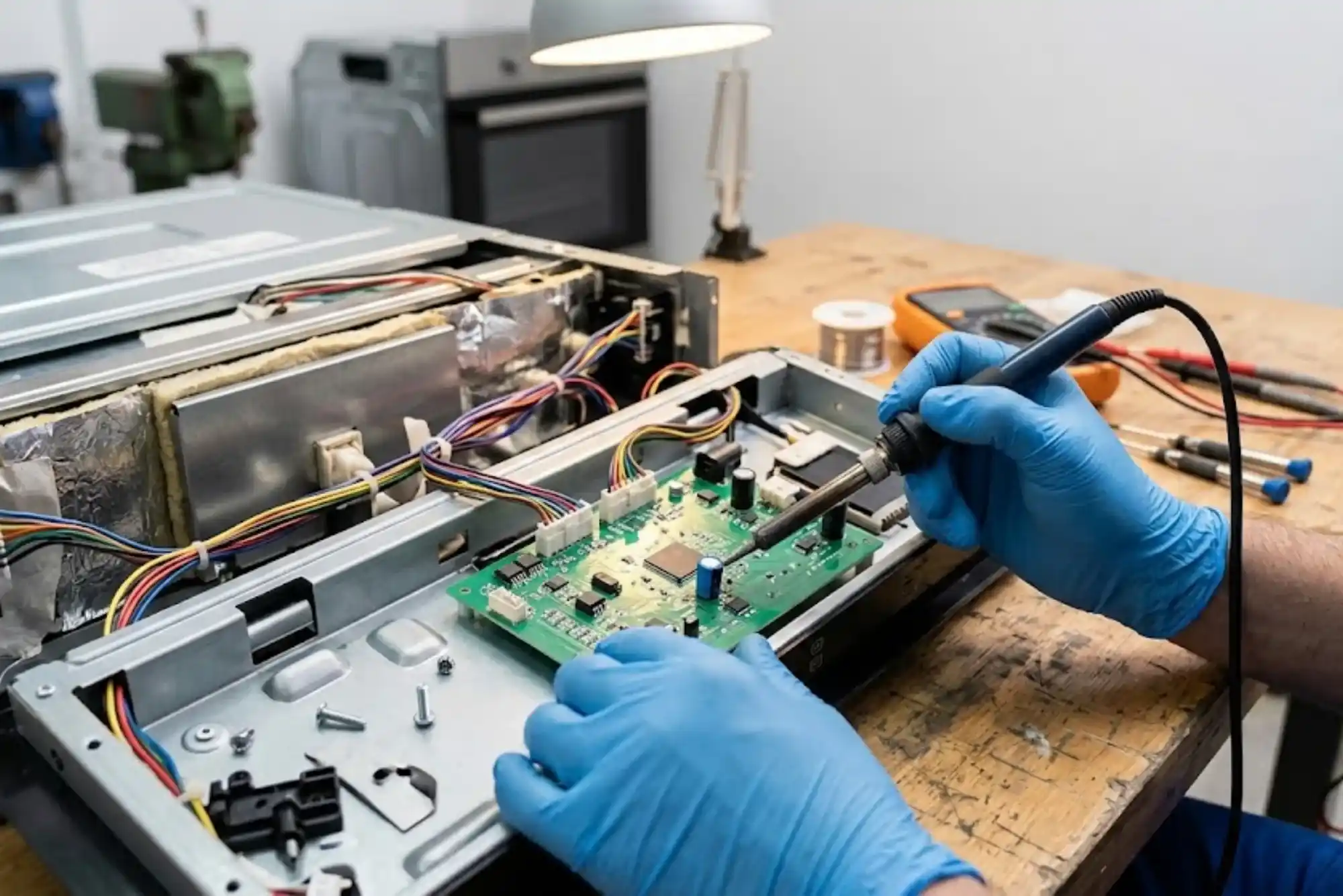
While enthusiasts can handle much of the cleaning and day-to-day upkeep themselves, certain tasks require professional expertise. Skilled restorers can repair enamel, replace gas fittings, or rebuild electrical components to modern safety standards. Professional services are especially valuable for rare or historically significant ovens, where preservation of authenticity is paramount.
Seeking out specialists familiar with antique ovens ensures that restoration is done correctly. Amateur attempts at welding or rewiring can irreparably damage an appliance or create serious hazards. A balance of personal care and professional intervention yields the best results.
Why Vintage Ovens Still Matter Today
Maintaining vintage and antique ovens is about more than nostalgia. These appliances highlight the durability of past craftsmanship, often outperforming modern counterparts in longevity. They also encourage sustainable living, as restoration keeps valuable materials in use rather than discarding them.
Beyond practicality, antique ovens contribute cultural richness to homes. A restored cast iron range in a farmhouse kitchen or a gleaming mid-century enamel oven in a retro-style home connects the present with the past. For collectors, these ovens embody history, artistry, and a tangible link to everyday life of earlier generations.
The maintenance of vintage and antique ovens requires patience, respect for history, and careful attention to detail. By understanding their historical significance, practicing gentle cleaning, restoring functionality without compromising authenticity, and addressing safety concerns, owners can ensure these ovens remain functional and beautiful for decades to come. Whether actively used or preserved as heritage pieces, these appliances hold enduring value.
Proper care transforms an old oven into more than a cooking tool—it becomes a living piece of history that continues to enrich homes and lives long after its original makers imagined.