Ovens have become an essential part of modern kitchens, playing a central role in daily cooking. Whether you own a traditional electric oven or a more advanced model, its proper functioning depends heavily on reliable wiring. Wiring issues are one of the most common causes of oven malfunctions, and while they may seem minor at first, they can quickly lead to safety hazards, poor cooking performance, or even complete breakdowns. Understanding how to troubleshoot oven wiring problems is not only important for maintaining your appliance but also for ensuring safety in your home.
In this article, we will explore the causes, warning signs, troubleshooting methods, and professional solutions related to oven wiring issues. By the end, you will have a clear understanding of how to identify problems and when to call in experts for safe and effective repair.
Understanding the Role of Wiring in Ovens
Wiring is the lifeline of your oven. It provides the necessary electrical current that powers the heating elements, digital displays, timers, and other components. A well-wired oven operates smoothly, heats evenly, and ensures precise cooking temperatures. However, when wiring becomes damaged or faulty, the consequences can be severe. From inconsistent heating to electrical sparks, wiring issues can disrupt normal cooking routines and pose risks such as electrical fires.
The wiring in an oven is usually insulated and designed to withstand heat and high voltage. But over time, factors such as wear and tear, poor maintenance, or installation errors can compromise its integrity. Knowing how wiring contributes to the overall function of the oven helps in diagnosing issues when problems arise.
Common Signs of Wiring Problems in Ovens
Identifying oven wiring issues early can save time, money, and prevent dangerous accidents. Some of the most common signs that indicate wiring problems include burning smells, flickering control panels, and tripped circuit breakers. If the oven is failing to reach the desired temperature or if it shuts off unexpectedly during operation, the root cause often lies in damaged or loose wiring.
In many cases, the heating element may appear intact, but the oven still does not generate the right amount of heat. This often signals a wiring fault behind the scenes. Buzzing or crackling noises while the oven is running are also indicators of electrical problems. Paying attention to these early signs allows you to take corrective action before the situation escalates into a more serious hazard.
Causes of Oven Wiring Issues
Wiring issues in ovens can occur for several reasons. Improper installation is one of the most common causes. If the wiring was not connected securely during installation, it may loosen over time, creating weak connections. Similarly, old wiring becomes brittle and prone to breaking, especially if the oven is several years old.
Exposure to high heat is another major factor. While oven wires are designed to tolerate heat, continuous exposure to excessive temperatures can degrade the insulation, leading to cracks or melting. Rodents or pests chewing through wires in certain households also contribute to wiring damage. Power surges, common in areas with unstable electricity supply, can further burn or short out oven wires, leading to operational failures.
Safety Precautions Before Troubleshooting
Troubleshooting oven wiring is not something to be taken lightly. Since ovens operate on high-voltage electricity, one wrong move can result in severe injury or worse. Always take proper safety precautions before attempting any diagnosis. The very first step is to disconnect the oven from the power supply. Never attempt to troubleshoot wiring issues while the appliance is still plugged in.
Wearing protective gloves and using insulated tools can provide added safety during inspection. It is also important to work in a well-lit environment, ensuring that you can clearly see wires and connections. If you feel uncertain at any stage, it is better to stop and call a professional rather than risk handling electrical components incorrectly.
Steps in Troubleshooting Oven Wiring Issues
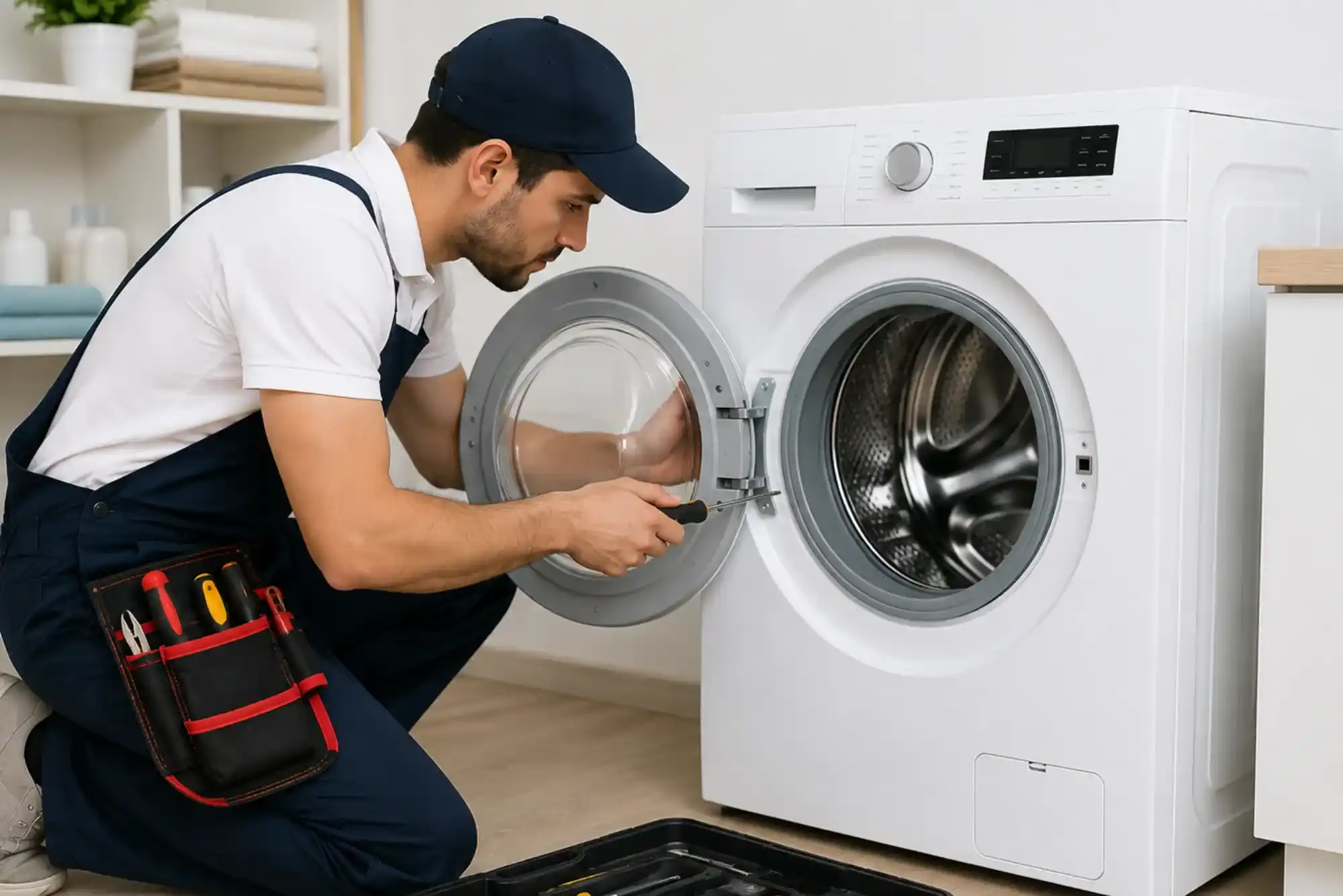
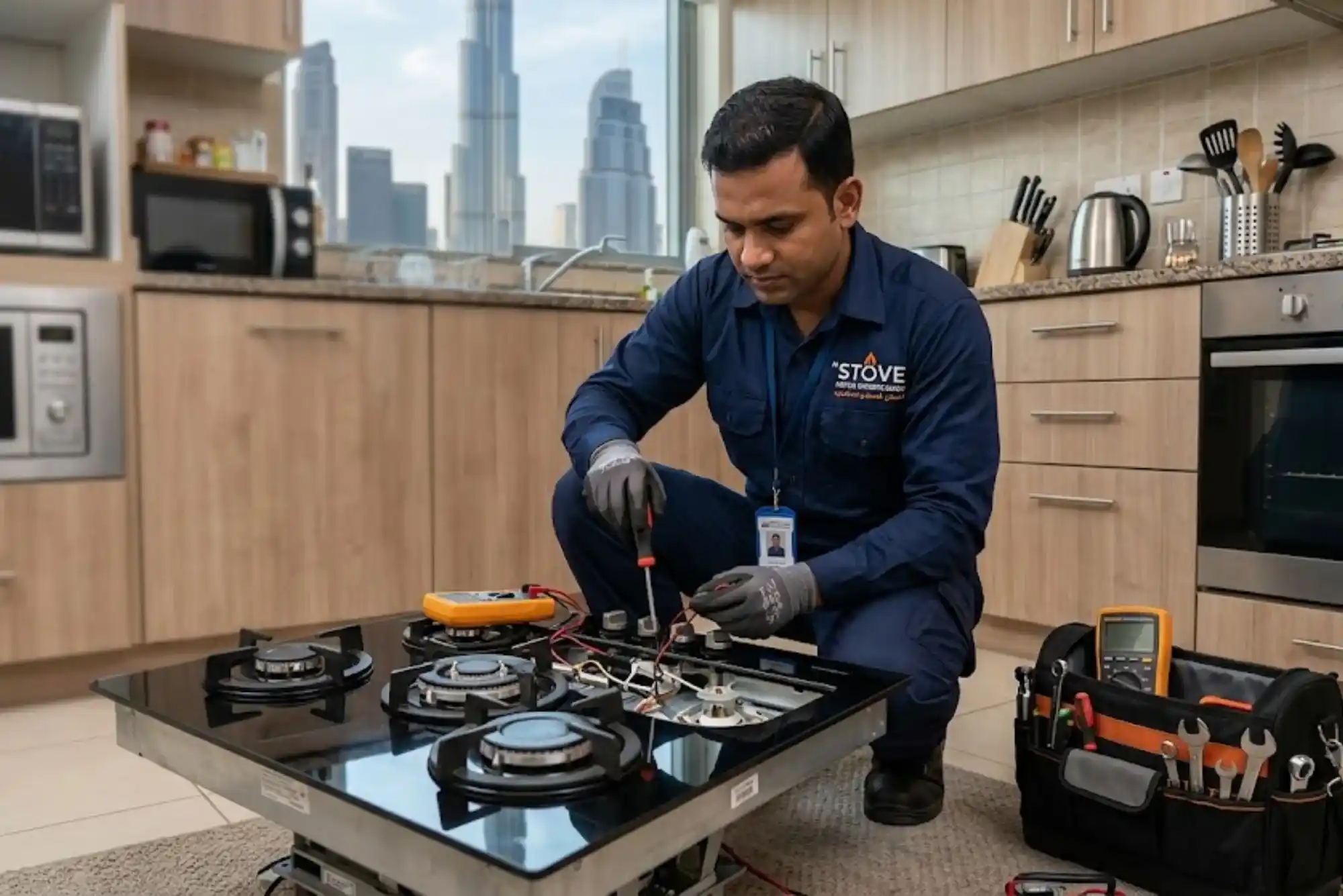
When troubleshooting oven wiring problems, the goal is to identify damaged, loose, or burnt wires. After ensuring the oven is disconnected from power, begin by accessing the back panel or control compartment where most wiring connections are located. Carefully inspect each wire for discoloration, fraying, or burnt insulation. These are the most visible signs of damage.
Loose connections can also cause major issues. Gently tug each wire at its terminal to ensure it is secure. A wire that comes loose easily is likely the cause of power interruptions or poor heating. Use a multimeter to test for continuity in wires and connections. If a wire fails the continuity test, it means electricity is not flowing properly, and replacement may be necessary.
Some ovens also have wiring harnesses that connect different components. Inspecting the harnesses and ensuring they are intact is equally important. Replacing a faulty wire or harness requires exact matching with manufacturer specifications. Incorrect replacements can cause more harm than good, making it critical to use only compatible parts.
Why Professional Oven Repair Services Are Essential
While basic troubleshooting may help identify wiring issues, repairing or replacing wires requires professional expertise. Certified technicians have the training and tools necessary to handle electrical components safely. Attempting a DIY repair without the proper skills can not only damage the oven further but also create significant safety risks.
Professional repair services ensure that wiring issues are addressed comprehensively. Experts not only fix the visible problem but also check for hidden issues that could lead to future breakdowns. They test the oven under different operating conditions to ensure it is safe and functioning optimally before returning it to use. This level of reliability and safety is something that DIY troubleshooting cannot always guarantee.
Preventing Oven Wiring Issues
Prevention is always better than repair. Regular maintenance plays a vital role in keeping oven wiring intact. Cleaning the oven properly and ensuring that grease or moisture does not seep into wiring areas reduces the risk of damage. Scheduling routine inspections with a professional technician can help identify minor wiring faults before they become major hazards.
Using surge protectors for ovens in areas prone to power fluctuations also safeguards the wiring from sudden electrical spikes. Ensuring proper installation by certified electricians at the very beginning prevents many wiring problems that often arise from poor initial setup. These preventive steps contribute to extending the lifespan of your oven and maintaining consistent cooking performance.
The Risks of Ignoring Wiring Problems
Ignoring oven wiring issues is dangerous. A small spark or a loose wire can quickly escalate into a fire hazard. Prolonged use of an oven with faulty wiring may also damage other internal components such as the thermostat or control board, leading to more costly repairs in the future. In addition to safety risks, wiring problems reduce the efficiency of your oven, making it consume more energy while delivering poor cooking results.
By addressing wiring issues promptly, you safeguard your home, avoid expensive repairs, and ensure that your oven remains reliable for years to come.
Troubleshooting oven wiring issues requires a careful balance of awareness, skill, and safety. While homeowners can perform initial inspections to identify signs of trouble, handling the actual repair is best left to professionals. From faulty connections to damaged insulation, wiring issues can compromise the performance and safety of your oven if not addressed quickly.