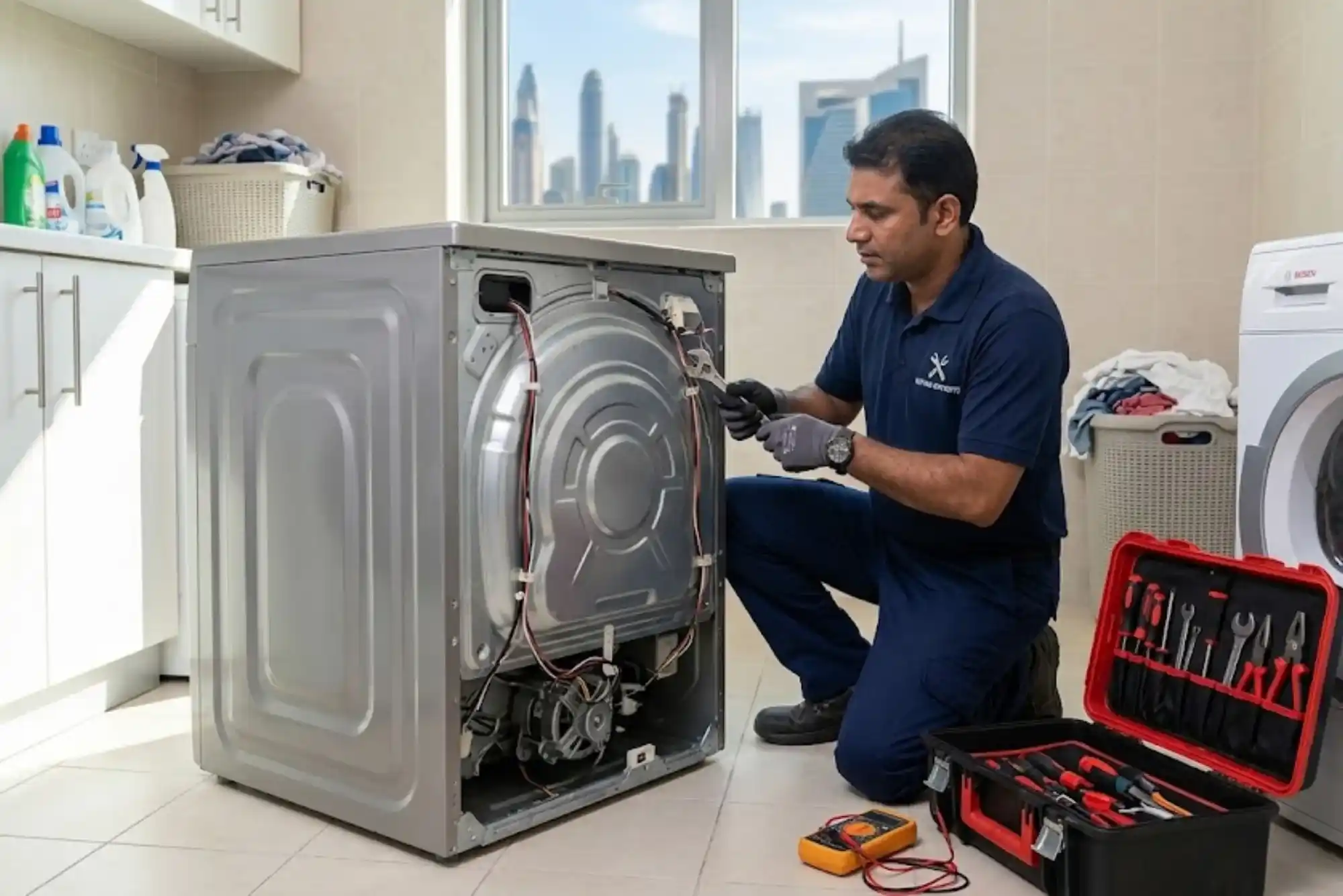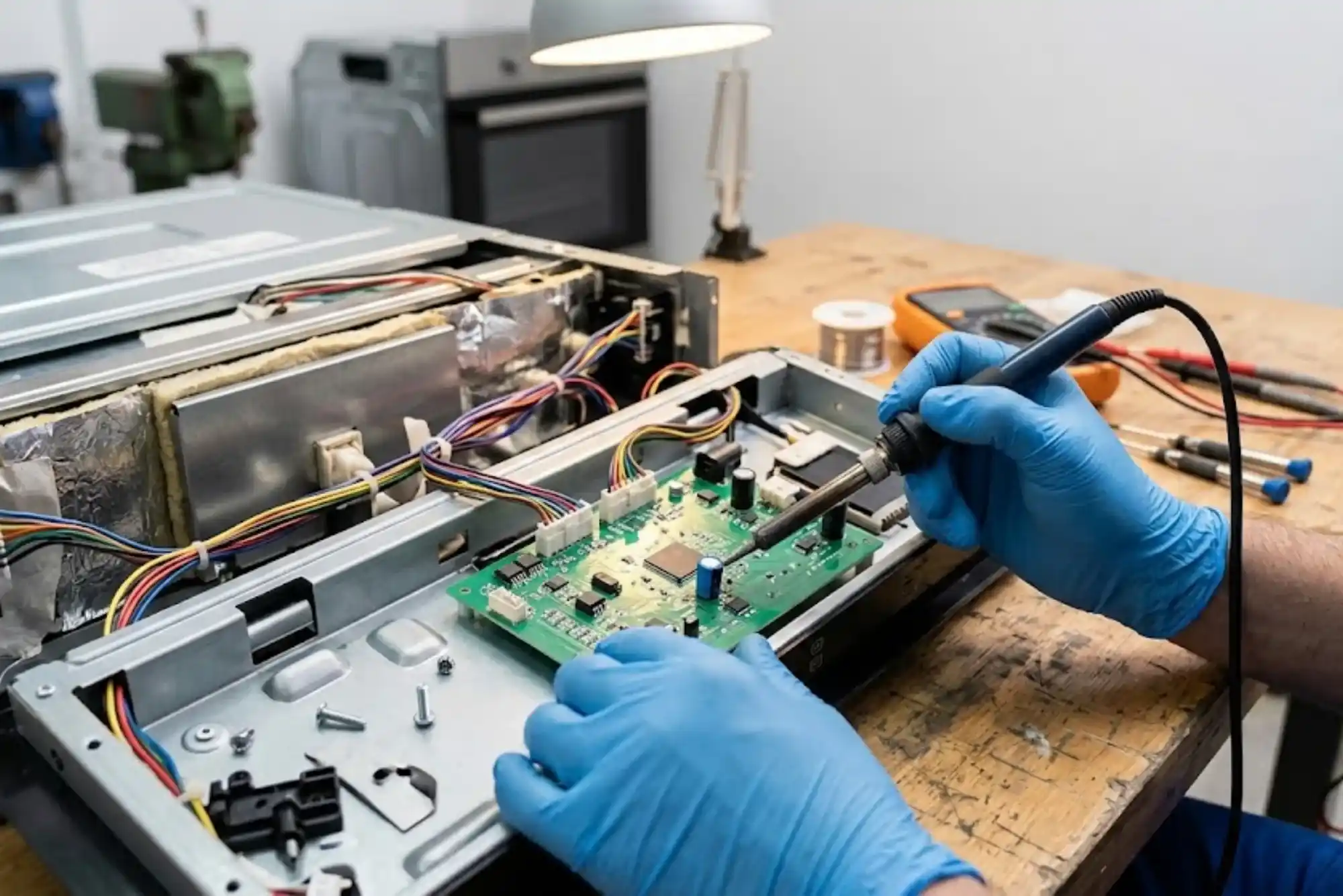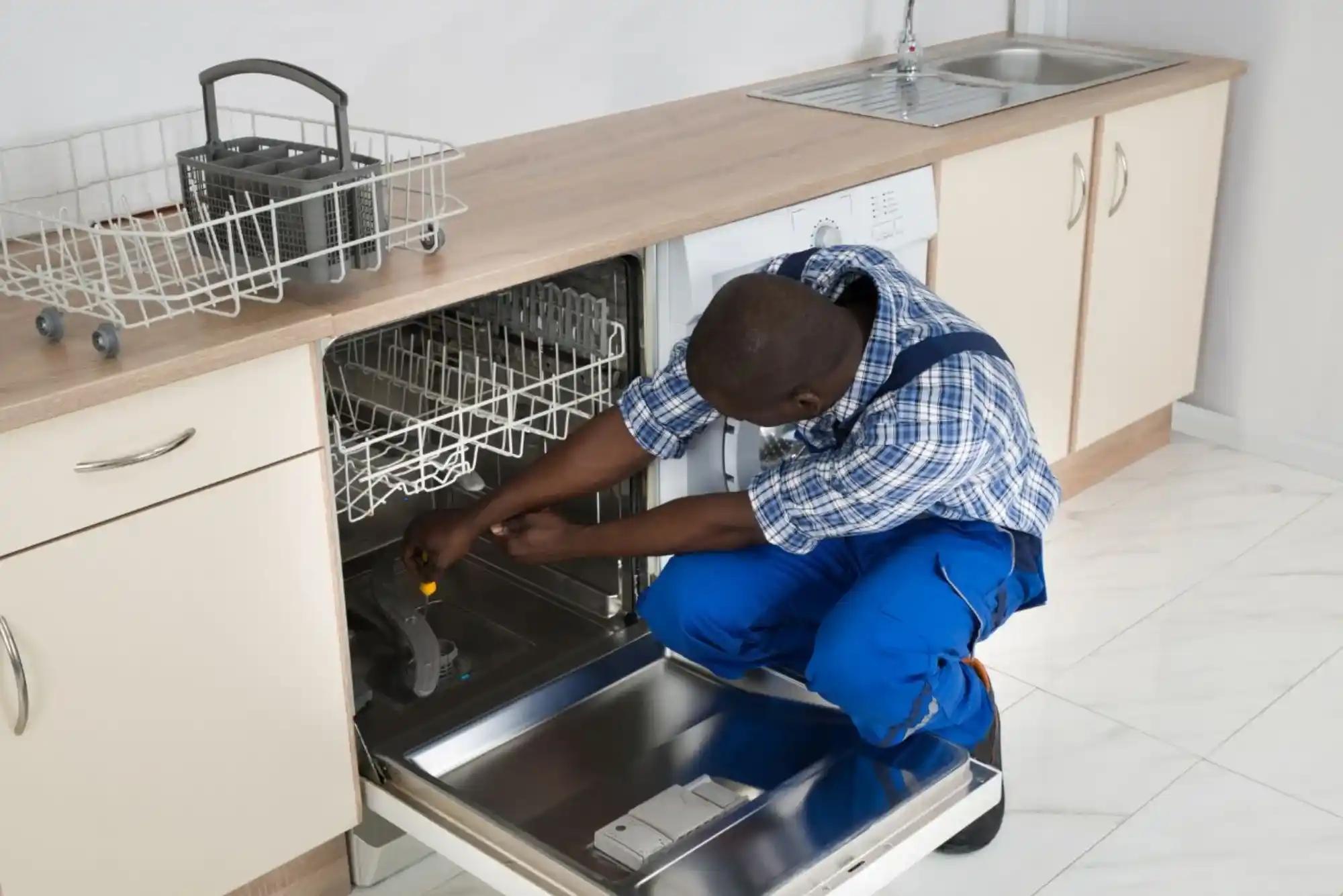
Dishwashers are one of the most valued appliances in modern homes, saving time, effort, and water with every cycle. However, like any appliance, dishwashers can develop problems over time. When a dishwasher malfunctions, it can be frustrating and disruptive to your daily routine. From water not draining properly to dishes coming out dirty, troubleshooting the problem early is essential to prevent further damage. This detailed guide explains how to troubleshoot dishwasher malfunctions, explores the most common issues homeowners face, and provides insights into when professional repair is the best solution.
Understanding the Importance of Dishwasher Maintenance
A dishwasher works by combining water, detergent, and heat with powerful spray arms to clean dishes efficiently. Since it handles water, electrical components, and moving parts, any small issue can quickly escalate into a major malfunction. Proper maintenance and timely troubleshooting not only extend the appliance’s lifespan but also save homeowners from costly repairs and replacements.
Regular cleaning, checking for leaks, and being aware of unusual noises can all help detect problems at an early stage. Knowing how to troubleshoot dishwasher malfunctions allows homeowners to address small issues before they worsen.
Common Causes of Dishwasher Malfunctions
Dishwasher problems often result from a handful of common issues, most of which are linked to poor maintenance, clogs, or faulty parts. Identifying the root cause is the first step in troubleshooting effectively.
One frequent cause is food debris buildup. Tiny food particles can clog the filter, spray arms, and even the drain hose, leading to poor cleaning performance or standing water inside the unit. Another issue arises from faulty door latches, which prevent the dishwasher from starting or completing a cycle. Electrical malfunctions, worn-out pumps, or problems with the heating element can also interfere with performance.
Hard water is another common culprit. Over time, mineral deposits accumulate inside the dishwasher, restricting water flow and reducing efficiency. This can cause cloudy glassware and an overall drop in cleaning effectiveness.

Troubleshooting a Dishwasher That Won’t Start
One of the most common frustrations is when the dishwasher refuses to start. This problem can be linked to something as simple as a power connection issue or as complex as a malfunctioning control board.
Start by checking the power supply. Ensure that the plug is secure and the circuit breaker hasn’t tripped. If the power source is intact, examine the door latch. A dishwasher will not run if the door is not closed properly. A broken latch or misaligned door can interrupt the connection.
If these are in good condition, the next step is to assess the control panel. Malfunctioning electronic controls may require a reset or replacement. In such cases, professional assistance is often needed to safely handle electrical components.
Dealing with Poor Cleaning Performance
Another frequent problem is dishes not coming out clean after a full wash cycle. Poor cleaning performance is usually caused by clogged spray arms, a dirty filter, or insufficient water flow.
Begin troubleshooting by inspecting the spray arms. If they are clogged with debris or mineral deposits, water will not be evenly distributed. Removing and cleaning the arms can restore proper water circulation. The filter, located at the bottom of the dishwasher, should also be cleaned regularly to ensure that trapped food particles do not re-circulate during the wash cycle.
Detergent quality is another factor. Using the wrong detergent or not using rinse aid can impact cleaning results. Homeowners living in hard-water areas should also consider a water softener to prevent mineral buildup.
Fixing Water Drainage Issues
Standing water in the bottom of the dishwasher is a clear sign of drainage issues. Troubleshooting starts with checking the filter and drain hose. A clogged filter prevents water from flowing out properly. If cleaning the filter doesn’t resolve the issue, inspect the drain hose for kinks or blockages.
Sometimes, the problem is connected to the household sink drain. If the sink is backed up, the dishwasher will not be able to drain either. In other cases, the drain pump may have failed, which requires professional repair or replacement.
Addressing Dishwasher Leaks
Leaks are one of the most concerning dishwasher malfunctions, as they can cause water damage to floors and cabinets. Common causes include a faulty door seal, a loose hose connection, or an overfilled dishwasher.
The rubber door gasket can wear out over time, leading to water escaping during cycles. Inspecting and replacing the gasket is often enough to stop leaks. Loose or damaged hoses should also be checked, especially the water inlet and drain hoses.
Using too much detergent can also cause excessive suds, leading to overflow. Ensuring you are using the correct detergent and the right amount is crucial to preventing leaks.
Dishwasher Making Strange Noises
Unusual sounds during a cycle are another indicator of malfunction. Grinding, buzzing, or rattling noises often suggest that debris is stuck in the pump or spray arms. In some cases, the noise may come from worn-out bearings or a failing motor.
If the dishwasher is new, unusual noises might simply be the sound of unfamiliar cycles. However, persistent or loud noises should not be ignored, as they could signal a serious problem requiring professional inspection.
The Role of Professional Repair Services
While many minor dishwasher malfunctions can be resolved with basic troubleshooting, some issues require professional attention. Electrical failures, motor replacements, and pump repairs are tasks best left to skilled technicians who have the tools and expertise to handle them safely.
Professional repair services not only fix the immediate issue but also check for underlying problems that could lead to future malfunctions. By relying on experts, homeowners can ensure the appliance continues to run efficiently for years.
Preventive Measures for Long-Term Dishwasher Health
Prevention is always better than repair. Regular maintenance significantly reduces the risk of malfunctions. Cleaning the filter after every few cycles, wiping down the door gasket, and running a dishwasher cleaner once a month can prevent many common issues.
Homeowners should also avoid overloading the dishwasher, as this prevents water and detergent from reaching all dishes. Ensuring that dishes are loaded properly, with adequate spacing, improves cleaning performance and reduces strain on the appliance.
Checking hoses periodically for wear and making sure the dishwasher is level are other preventive measures that can extend its lifespan.
When Replacement Becomes the Best Option
No matter how well an appliance is maintained, it eventually reaches the end of its lifespan. Most dishwashers last between 8 to 12 years, depending on usage and maintenance. If your dishwasher frequently malfunctions, requires costly repairs, or no longer cleans effectively, replacement may be more cost-effective than continuous repairs.
Upgrading to a modern, energy-efficient dishwasher can also save water, electricity, and time while offering improved cleaning features.
Troubleshooting dishwasher malfunctions requires a careful balance of observation, basic maintenance, and timely professional intervention. From power issues and drainage problems to poor cleaning performance and leaks, most common issues can be identified early with regular checks and proper care.