A washing machine is one of the most used and most relied upon appliances in any household. When it suddenly refuses to spin, the disruption can be more than just an inconvenience—it can halt the rhythm of daily life. Clothes remain soaking wet, laundry routines get delayed, and frustration builds. While this issue might seem serious at first, in many cases it can be identified and resolved with a methodical approach. Understanding why a washing machine won’t spin and knowing how to troubleshoot it step by step is essential for both homeowners and technicians. This article provides an in-depth, professional guide to diagnosing and fixing spin-related problems in washing machines.
Understanding the Role of the Spin Cycle
The spin cycle is not merely the final stage of washing—it is central to the entire process. During this stage, the drum rotates at high speeds, forcing water out of clothes through centrifugal force. A washer that fails to spin leaves clothes heavy with water, which extends drying times and reduces overall washing effectiveness. This failure could be mechanical, electrical, or related to simple user errors. By examining the function of the spin cycle, one can better appreciate the importance of troubleshooting it properly.
Common Signs That Indicate a Spin Problem
When a washing machine refuses to spin, it rarely happens without additional signals. Some machines make unusual noises, while others silently stop mid-cycle. Clothes may emerge still soaked despite detergent having been washed out, or the machine may fail to drain before attempting to spin. In some cases, the drum may begin to move but never reach full spinning speed. Recognizing these patterns allows a more accurate starting point for troubleshooting and prevents unnecessary repairs.
Checking for Simple Oversights Before Technical Work
Before assuming that the washing machine has developed a serious fault, it is wise to consider the most basic factors. An overloaded drum, for example, can prevent proper spinning. When too many garments are packed into the washer, the weight distribution becomes uneven, and the machine may halt spinning to protect itself from damage. Similarly, washing just one or two heavy items, like a blanket or large towel, can throw the balance off. Most modern washers include sensors that stop the cycle when imbalance is detected. Ensuring that loads are balanced and within manufacturer recommendations can resolve many apparent spin issues.
Another easily overlooked factor is the lid or door switch. Most machines are designed to prevent spinning when the door is not fully latched, as a safety measure. If the switch or sensor is faulty, the washer may interpret the door as open and refuse to spin. Testing the latch mechanism and ensuring that it clicks securely into place is a simple yet vital check.
Assessing Drainage Problems That Affect Spinning
A washing machine cannot spin effectively if water remains inside the drum. For this reason, drainage issues are one of the most common causes behind a spin failure. A clogged drain hose or blocked pump filter prevents water from leaving the washer, forcing the machine to pause its cycle. Inspecting the drain system is therefore essential. Start with the hose, making sure it is not kinked or obstructed by debris. Next, check the pump filter, which often collects lint, coins, or small fabric pieces. Cleaning these areas frequently resolves the issue and restores normal spinning.

In some cases, the pump itself may have failed mechanically or electrically. If no obstructions are visible, listening for pump activity during the drain phase can provide clues. A silent or unusually noisy pump likely requires replacement, which may be a task for a professional repair service.
Investigating Belt and Motor Issues
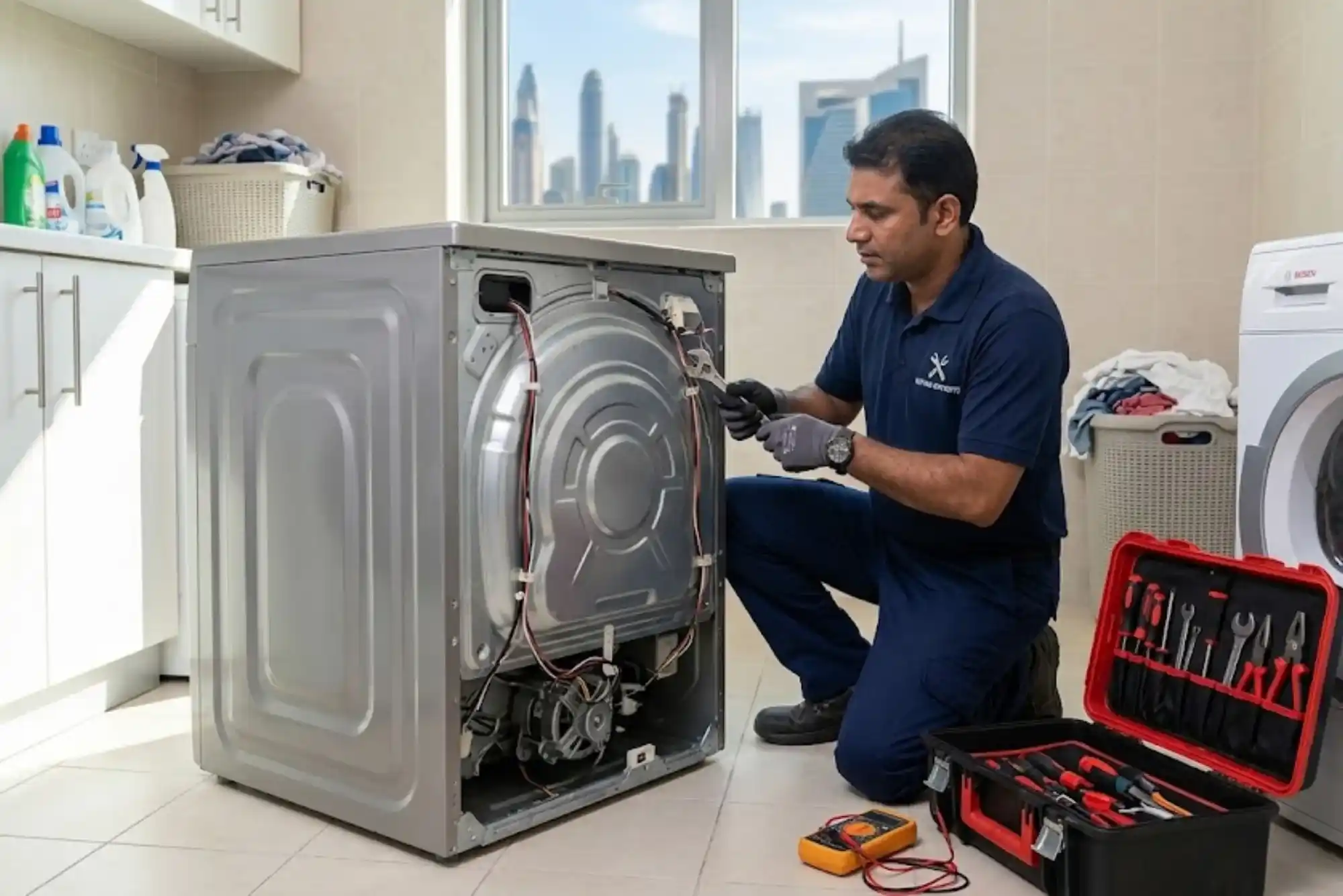
The spinning drum is powered by a motor, which is usually connected to the drum via a drive belt. Over time, belts can loosen, stretch, or break altogether. A broken belt means the motor is running but cannot transfer motion to the drum, while a loose belt results in weak or partial spinning. Accessing the back panel of the machine usually reveals the belt’s condition. If the belt appears cracked or slack, replacement is often the most effective solution.
The motor itself can also be at fault. Motors may overheat, lose power, or fail due to worn-out brushes in older models. In more modern washing machines, electronic motor controls can malfunction, preventing the motor from reaching full spin speeds. Diagnosing these issues requires a careful inspection and, in many cases, professional testing with specialized tools.
Evaluating Control Boards and Sensors
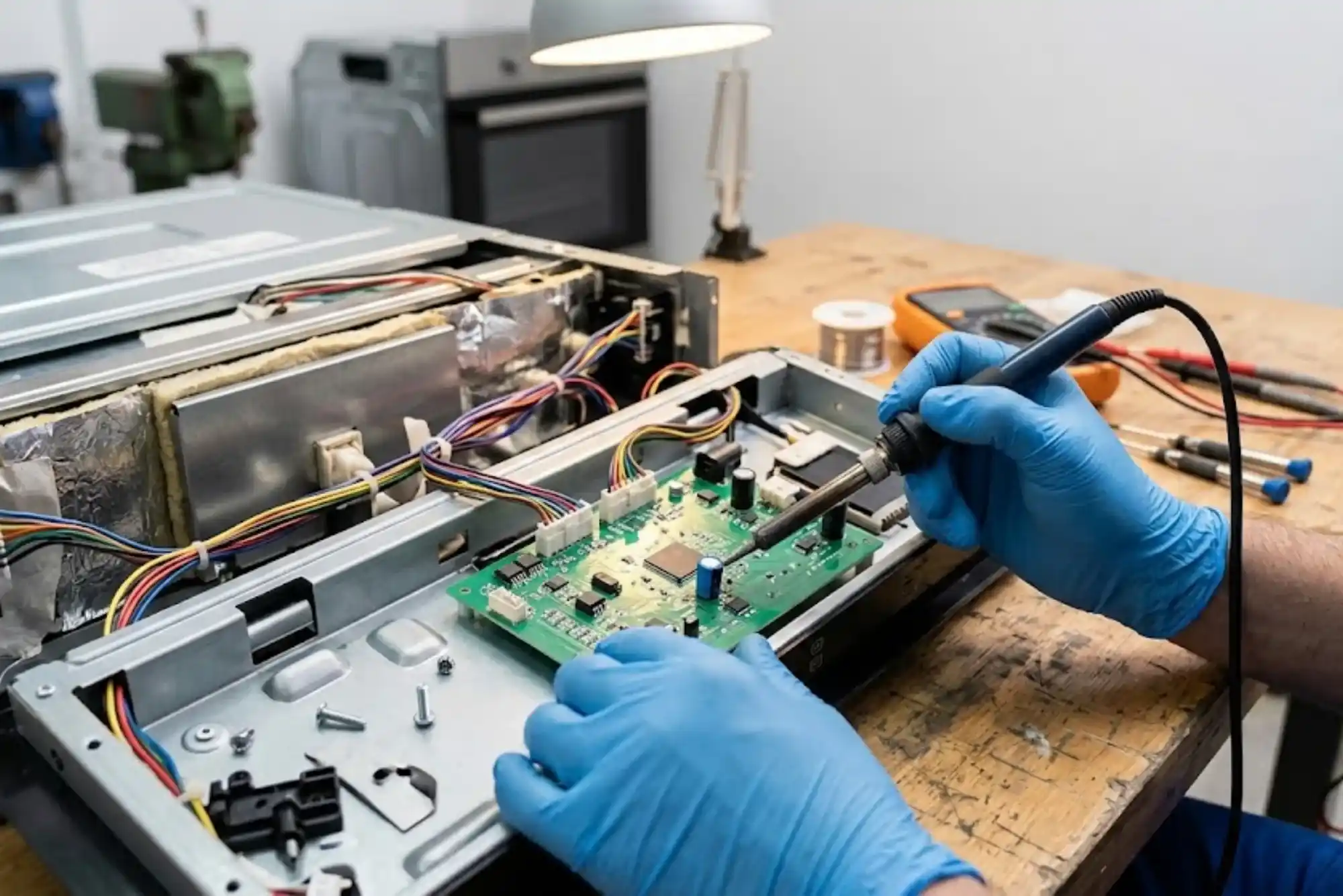
Today’s washing machines rely heavily on electronic control systems. If the washer’s control board malfunctions, it may fail to send the correct signal to the motor or other components during the spin cycle. This results in a machine that appears functional but never actually spins. Similarly, faulty sensors—such as those monitoring water levels, door latches, or balance detection—can interrupt the cycle.
Diagnosing electronic problems is more complex than mechanical checks, as the symptoms often overlap with other issues. When the machine displays error codes, consulting the manual or manufacturer’s documentation provides insight into the cause. Without error codes, professional technicians may need to test circuits and replace damaged components.
The Role of Shock Absorbers and Suspension in Spinning
A washing machine drum undergoes significant force during high-speed spinning. To stabilize this motion, washers are equipped with suspension rods or shock absorbers. When these components wear out, the drum can move excessively, leading the machine to halt spinning to avoid further damage. Excessive vibration, banging noises, or movement across the floor are signs of failing suspension systems. Replacing these parts restores stability and allows spinning to resume safely.
How Water Level and Pressure Switches Affect the Spin Cycle
Another factor that influences spinning is the water level sensor, often controlled by a pressure switch. If the switch detects water inside the drum when it should already be drained, the machine will refuse to spin. A clogged pressure hose, faulty switch, or wiring problem can all cause incorrect signals. Carefully inspecting and, if necessary, replacing the pressure switch can resolve this particular issue.
The Importance of Regular Maintenance to Prevent Spin Failures
While troubleshooting resolves current problems, prevention is equally important. Routine maintenance reduces the risk of spin-related issues developing in the first place. Cleaning filters, inspecting hoses, avoiding overloading, and ensuring balanced laundry loads all contribute to long-term machine performance. Periodically checking belts and listening for unusual noises allows early detection of wear before total failure occurs. Preventive care not only extends the lifespan of the washing machine but also reduces costly repair bills.
Knowing When to Call a Professional
While many troubleshooting steps can be carried out by homeowners, not every problem should be addressed without professional help. Electrical testing, motor repairs, or control board replacements require technical skills and safety precautions. Attempting these repairs without proper expertise may worsen the problem or create hazards. When in doubt, it is always advisable to seek the support of a qualified technician. Professional service ensures that the root cause is properly identified and resolved, restoring the machine to safe and efficient operation.
Final Thoughts on Troubleshooting Spin Problems
A washing machine that refuses to spin is disruptive, but it rarely means the appliance is beyond repair. By systematically working through possible causes—from simple oversights and drainage problems to belt, motor, and control issues—users can often restore normal operation. Understanding the mechanics and electronics behind the spin cycle provides the confidence to tackle minor fixes and recognize when professional help is necessary.
Ultimately, a non-spinning washer highlights the importance of both troubleshooting skills and preventive maintenance. With careful attention and the right approach, most washing machines can be kept running reliably, ensuring that laundry routines remain smooth and stress-free.