A washing machine is a crucial part of every modern home. It saves time, conserves water, and ensures clean laundry with minimal effort. However, like all electrical appliances, it relies on several safety and control mechanisms to function correctly. One of the most critical components in this system is the thermal cut-out, often referred to as a thermal fuse or thermostat safety switch. This small but vital part prevents the appliance from overheating, protecting both the machine and the user from potential hazards.
Testing the thermal cut-out is a technical process that requires care, precision, and a basic understanding of electrical circuits. When a washing machine fails to heat water or suddenly stops during the wash cycle, a faulty thermal cut-out could be the underlying cause. Understanding how to identify, test, and replace it can make the difference between a quick fix and a costly repair.
Understanding the Purpose of the Thermal Cut-Out
The thermal cut-out is essentially a safety device that interrupts electrical power to the heating element when the temperature exceeds a certain limit. Its main purpose is to prevent overheating, which could otherwise damage internal components or even cause electrical fires. It acts as a protective switch that opens the circuit when abnormal heat is detected.
Most washing machines include one or more thermal cut-outs, typically located near the heating element or the temperature sensor. They work silently during normal operation, resetting automatically or remaining open until replaced if they fail permanently. Over time, however, these devices can wear out or become faulty due to repeated heating cycles, limescale buildup, or wiring issues.
Signs That Indicate a Thermal Cut-Out Problem
When the thermal cut-out fails, the washing machine may show several symptoms. One of the most common signs is when the water in the drum never heats up, even during a high-temperature wash. The machine may also stop mid-cycle or refuse to advance past certain stages because the heating process is incomplete. In some cases, the appliance might trip the electrical supply, indicating a safety interruption.
These symptoms are not always exclusive to the thermal cut-out, but they provide a strong reason to test it. The goal is to confirm whether the device is still functional or has permanently opened the circuit. A precise test ensures that the correct component is repaired or replaced, saving time and avoiding unnecessary expenses.

Safety Precautions Before Testing
Before testing any electrical component, safety must come first. Washing machines operate at high voltage, and even after unplugging them, some capacitors may retain charge. Always disconnect the appliance completely from the power supply and allow it to rest for a few minutes. Work in a dry, well-lit area and ensure you have the right tools for the job—especially a reliable multimeter.
It is also advisable to take photos or make notes of wire connections before removing any parts. This helps during reassembly and prevents wiring errors that could affect performance. Testing a thermal cut-out is a straightforward process, but attention to detail and patience are essential to avoid mistakes.
Locating the Thermal Cut-Out in a Washing Machine
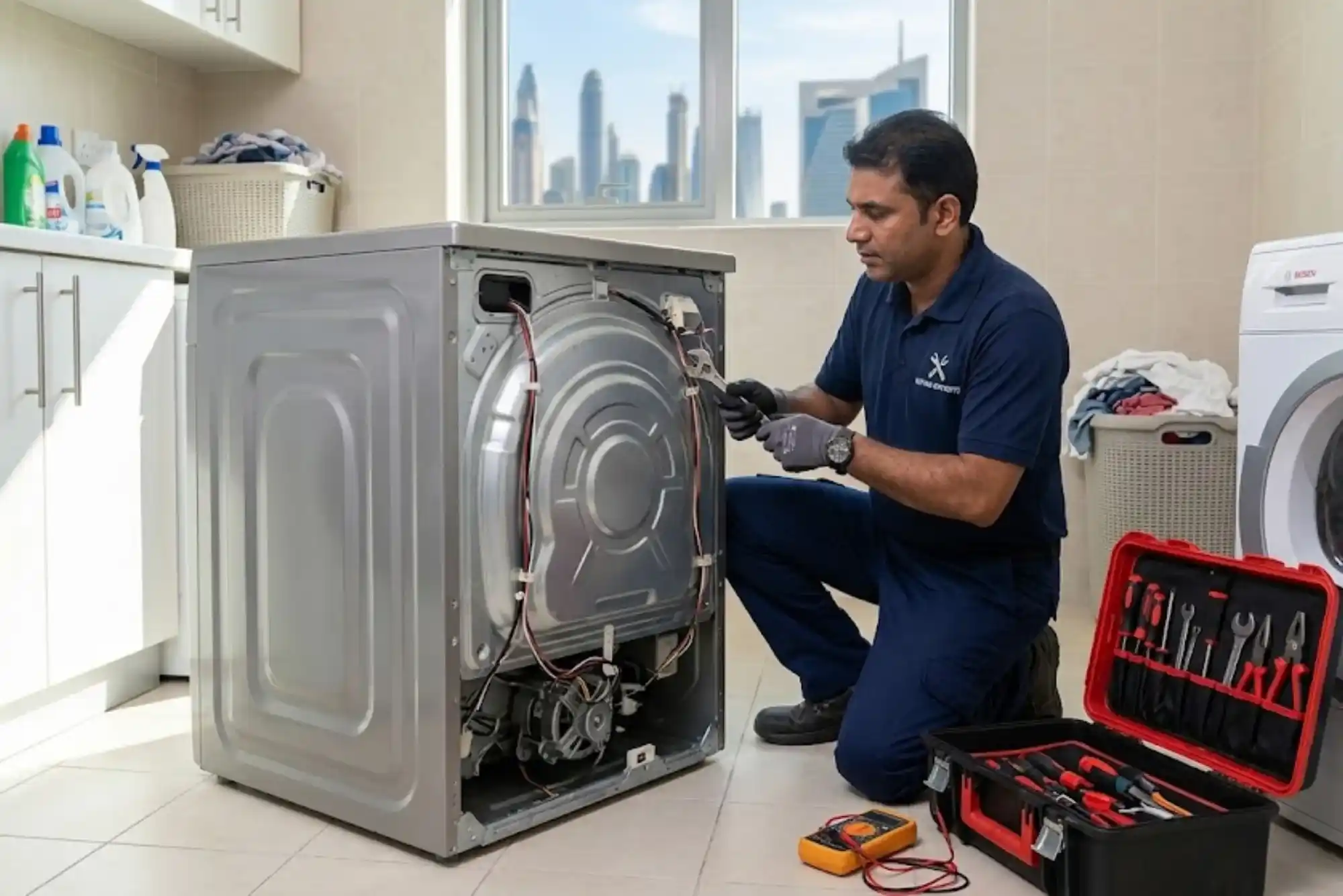
The thermal cut-out is usually mounted on or near the heating element housing. In most front-loading washing machines, this assembly is found at the back of the drum or below the tub. In top-loading models, it may be located near the base or integrated into the temperature control system.
To access it, you may need to remove the back or bottom panel of the machine using a screwdriver. Once the cover is off, look for a small round or rectangular device with two terminals and, in some cases, a metallic body. It will typically be connected to wires leading to the heating element or the control board.
How to Test the Thermal Cut-Out Using a Multimeter
Testing the thermal cut-out requires a digital or analog multimeter capable of measuring electrical continuity or resistance. With the washing machine unplugged, disconnect the two wires attached to the thermal cut-out terminals. Set the multimeter to the continuity setting or to the lowest resistance (ohms) range.
Touch one probe to each terminal of the thermal cut-out. If the component is functioning correctly, the meter should show a reading close to zero ohms or emit a beep indicating continuity. This means the circuit is complete and current can pass through. If the meter shows infinite resistance or no reading, the thermal cut-out is open and has failed.
Some thermal cut-outs are designed to reset automatically when cooled down, while others are single-use safety devices that must be replaced after they open. Checking the manufacturer’s specifications helps determine whether the part can be reset or needs replacement.
Testing the Thermal Cut-Out at Operating Temperature
In certain cases, the thermal cut-out may appear functional at room temperature but fail when exposed to heat. To test this behavior, technicians often use a controlled heat source, such as a heat gun or hot water bath, to simulate real-world operating conditions. As the temperature rises, the multimeter reading should change, showing the device switching from closed (continuity) to open (no continuity).
If the switch fails to open at its rated temperature, it is defective. Similarly, if it remains open after cooling down, it has lost its reset function. Testing under realistic conditions provides a more accurate diagnosis and ensures that the replacement part will maintain safety standards.
The Role of Thermal Cut-Outs in Energy Efficiency
Beyond safety, thermal cut-outs play a subtle but important role in energy management. By controlling how and when the heating element activates, they help maintain consistent water temperature, ensuring efficient use of electricity. A faulty thermal cut-out may cause the machine to overheat or run longer cycles, both of which waste energy and increase costs.
Modern washing machines rely on multiple layers of protection, including thermostats, sensors, and control boards. When one of these fails, it affects the performance of the entire system. Regular inspection and testing of the thermal cut-out ensure that the appliance remains energy-efficient and operates within safe temperature limits.
Common Reasons for Thermal Cut-Out Failure
Thermal cut-outs can fail for several reasons. Repeated exposure to high temperatures gradually weakens their internal components. Mineral deposits from hard water can accumulate around the heating element, causing localized overheating. Electrical surges, moisture intrusion, and corrosion also contribute to failure.
Sometimes, the underlying issue is not with the thermal cut-out itself but with the heating element drawing excessive current. This additional load forces the cut-out to trip more frequently until it eventually burns out. Understanding the root cause of failure is essential to prevent recurrence after replacement.
Replacing a Faulty Thermal Cut-Out
Once a faulty thermal cut-out has been identified, replacement is usually straightforward. The old unit is removed by disconnecting the wires and unscrewing it from the heating assembly. The new one must be of the same type and temperature rating as specified by the manufacturer.
After installation, the connections should be secure and free from corrosion. Testing the new component for continuity before reassembling the machine ensures it functions as expected. Once the panels are back in place, the washing machine can be plugged in and run through a short wash cycle to confirm the heating system works properly.
The Importance of Professional Diagnosis
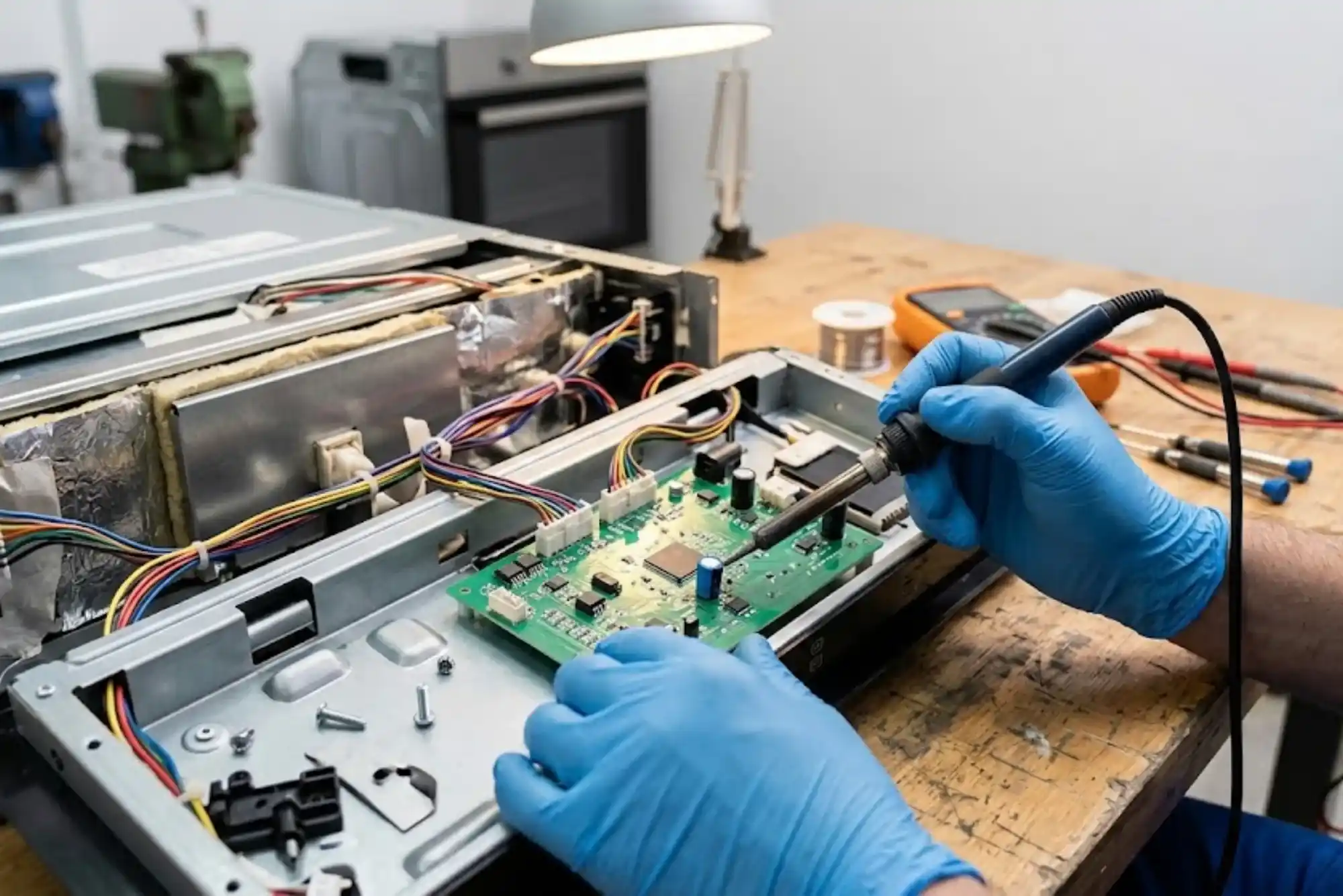
While basic testing can be done at home, professional technicians offer a level of precision and safety that DIY repairs often lack. They can perform advanced diagnostic tests to check for wiring faults, defective sensors, or control board issues that may mimic a thermal cut-out failure.
A trained professional ensures not only that the damaged component is replaced but also that the appliance’s overall performance is restored. In large urban centers where home appliances are used daily, professional maintenance helps prevent recurring breakdowns and extends the machine’s lifespan.
The Relationship Between Thermal Cut-Outs and Other Components
The thermal cut-out does not function independently. It works in harmony with other temperature-control components such as the thermostat, pressure switch, and heating element. A malfunction in any of these parts can trigger false readings, leading to premature cut-out activation.
Understanding this interconnection is vital during troubleshooting. A holistic approach ensures that all potential causes are checked before concluding that the thermal cut-out is to blame. This saves time, avoids unnecessary replacements, and improves repair accuracy.
The Future of Thermal Protection in Modern Washing Machines
Advancements in washing machine technology are leading to more intelligent temperature management systems. Newer models use digital sensors, microcontrollers, and automatic reset devices that provide more precise control over heating elements. Despite these innovations, the fundamental role of thermal cut-outs remains unchanged—they are the last line of defense against overheating.
As manufacturers continue to improve appliance efficiency, thermal protection devices are also becoming more reliable and sensitive. They are now designed to react faster, handle higher voltages, and last longer. Regular maintenance and testing, however, will always remain essential to ensure their continued performance.
Ensuring Safety and Longevity
Testing a washing machine’s thermal cut-out may seem like a small task, but it plays a major role in maintaining both safety and efficiency. This component protects your appliance from overheating and prevents potential electrical hazards. By understanding how it works and learning to test it correctly, homeowners can make informed decisions when troubleshooting heating problems.
Still, caution should always guide the process. Because washing machines involve electricity and water, professional evaluation is strongly recommended for accurate diagnosis and long-term safety. Regular maintenance, including inspection of thermal cut-outs and heating systems, ensures that your appliance continues to operate efficiently for years.