Ductwork is one of the most critical yet overlooked components of a home’s HVAC system. It functions as the hidden network that delivers conditioned air to every room, ensuring a comfortable indoor environment. Despite its importance, ductwork is often neglected, and this neglect can lead to substantial energy loss, uneven temperatures, and higher utility bills.
Many homeowners are surprised to learn that leaky or poorly insulated ducts can waste 20% to 30% of the conditioned air their system produces. This means that a significant portion of the energy you pay for never reaches the living space. The result is an overworked HVAC system, increased energy costs, and discomfort in the form of hot or cold spots throughout the home.
Sealing and insulating your ductwork is one of the most effective ways to improve energy efficiency, enhance indoor comfort, and prolong the lifespan of your heating and cooling equipment. This detailed guide explains why duct sealing and insulation are crucial, how they work, and the long-term benefits they provide for your home.
The Importance of Well-Maintained Ductwork
Your home’s ducts act as the arteries of the HVAC system. They carry conditioned air from the furnace, heat pump, or air conditioner to every room. When these ducts are compromised—either through leaks or poor insulation—the entire system suffers.
Leaky ducts allow air to escape into unconditioned spaces like attics, crawl spaces, or basements. Not only does this waste energy, but it also reduces the volume of air reaching the intended rooms. Uninsulated ducts, on the other hand, allow heat transfer to occur. In summer, cold air warms up before reaching the living space. In winter, heated air cools down, leaving rooms underheated.
The combination of sealing and insulation is essential for ensuring that your system operates efficiently. Without it, your HVAC system works harder, consumes more energy, and experiences more wear and tear, which can lead to early component failure.
How Leaky Ducts Affect Energy Use and Comfort
Energy loss through leaky ducts is one of the most common reasons for high utility bills and uneven home temperatures. When conditioned air escapes, your HVAC system compensates by running longer cycles. This not only increases energy use but also strains the blower motor and compressor.
Beyond energy waste, leaks can compromise indoor air quality. Ducts running through dusty attics, basements, or crawl spaces can draw in contaminants such as dirt, insulation fibers, and allergens. This unfiltered air circulates throughout the home, aggravating allergies and creating a less healthy environment.
Leaky ducts also contribute to uneven temperatures. Rooms farthest from the air handler may never receive adequate airflow, resulting in hot and cold spots. Occupants often respond by adjusting the thermostat, which only increases energy use.
Why Sealing Ductwork Is Essential
Duct sealing involves closing all gaps, seams, and joints where air can escape. Over time, vibration, thermal expansion, and natural settling of a home can cause connections to loosen. Even small leaks at these points can collectively result in major energy loss.
Proper sealing ensures that every cubic foot of conditioned air reaches its destination. It also reduces the potential for backdrafting, which occurs when leaky ducts in basements or crawl spaces pull in harmful gases from nearby appliances. Sealing provides a cleaner, safer, and more efficient HVAC system.
Professionals often perform duct leakage testing to identify problem areas, but homeowners can detect signs as well. Dust accumulation near joints, whistling sounds when the system runs,Post Category , or visible gaps indicate that sealing is necessary.
Effective Duct Sealing Methods
Sealing ducts correctly requires the use of durable, long-lasting materials. Standard cloth duct tape is not recommended because it degrades quickly under heat and humidity. Instead, the most common methods involve:
Mastic Sealant: A thick, adhesive material that is brushed or spread over gaps and seams. Once cured, it forms a flexible, airtight barrier.
Foil Tape: UL-rated metal foil tape is used for joints, bends, and areas where applying mastic is challenging. It maintains adhesion under extreme temperatures.
A thorough sealing process involves applying mastic or foil tape to every accessible joint, connection, and transition. For optimal results, ducts connected to vents and the air handler should also be sealed to prevent leaks at the source.
Insulating Ductwork for Temperature Stability
Even perfectly sealed ducts can lose energy if they are exposed to unconditioned spaces without insulation. Metal ducts act like heat exchangers, absorbing or losing heat as air passes through. In summer, uninsulated ducts warm up quickly, heating the cooled air inside. In winter, heat is lost to cold basements or attics before reaching living areas.
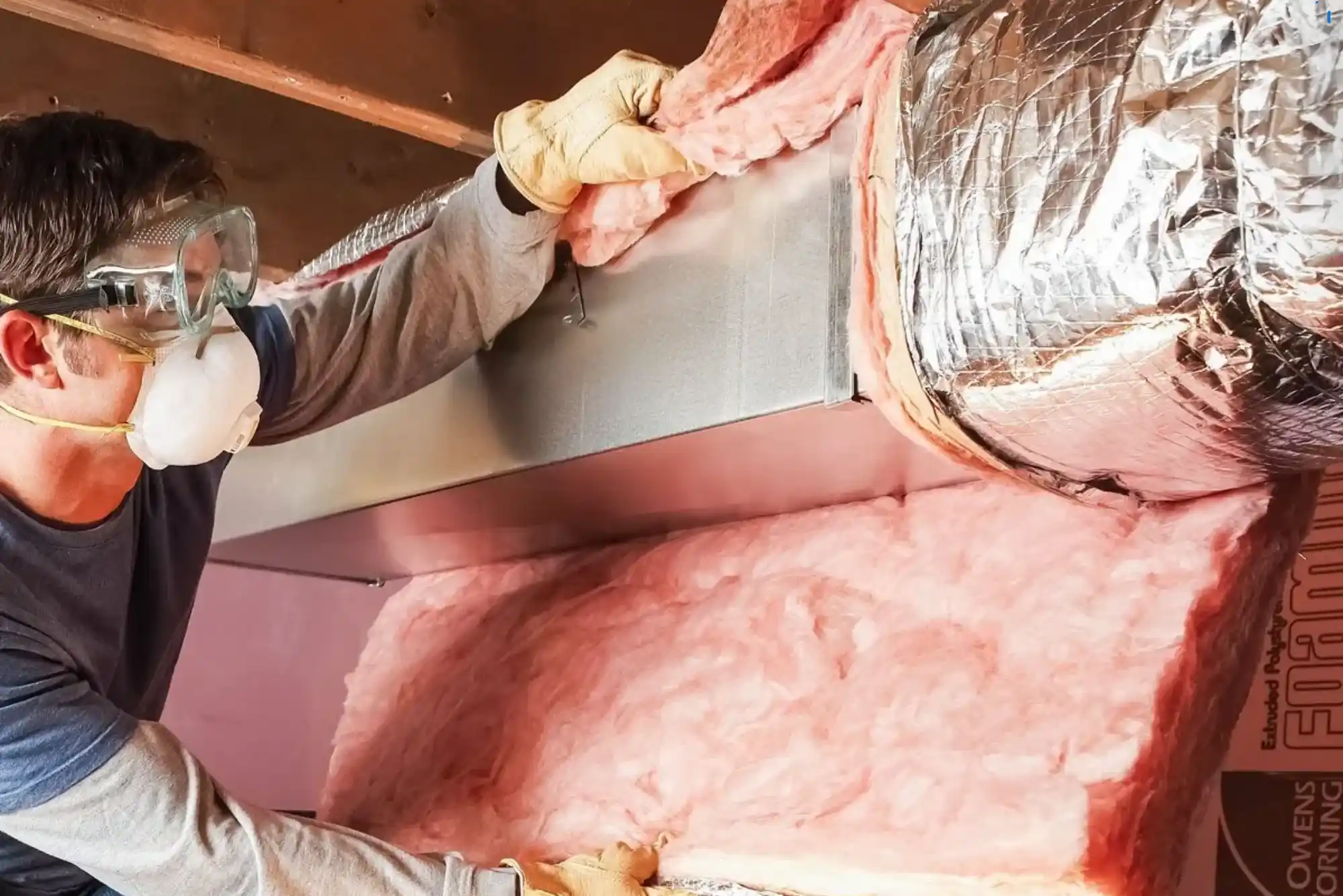
Duct insulation solves this problem by creating a thermal barrier. Common insulation materials include:
- Fiberglass Duct Wrap: A flexible insulation with a foil vapor barrier that is wrapped around metal ducts.
- Pre‑Insulated Flexible Ducts: Flexible ducts already encased in insulation, ideal for new installations or replacements.
Properly insulated ducts help maintain consistent air temperatures and reduce the energy required to achieve comfort. This not only lowers bills but also prevents hot and cold spots within the home.
The Combined Benefit of Sealing and Insulation
Sealing and insulation work best together. Sealing prevents air leaks, ensuring that conditioned air remains within the duct system. Insulation maintains air temperature, preventing heat gain or loss. Together, they optimize HVAC efficiency, increase indoor comfort, and reduce long-term energy expenses.
Homeowners who invest in both improvements often notice immediate results. Airflow feels stronger, rooms maintain more stable temperatures, and the HVAC system cycles less frequently. Over time, the savings on energy bills can fully offset the cost of the upgrades.
Indoor Air Quality and Health Advantages
Leaky ducts do more than waste energy—they also compromise the air you breathe. When gaps exist, the system can pull in contaminated air from attics, basements, or wall cavities. This air may contain dust, insulation fibers, mold spores, or other pollutants.
By sealing ducts, you create a closed system that only circulates filtered air from the return vents. Combined with regular filter replacement, this leads to significantly improved indoor air quality. For families with allergy sufferers, asthma, or respiratory sensitivities, duct care can make a noticeable difference in overall health and comfort.
Extending the Lifespan of Your HVAC System
An overworked HVAC system experiences accelerated wear and tear. Leaks and uninsulated ducts force the unit to run longer to achieve the desired temperature. Over time, this stress affects critical components like compressors, blowers, and heat exchangers.
Sealing and insulating ductwork reduces system workload, allowing it to operate within its designed parameters. With less strain, breakdowns become less frequent, and the system can last several years longer than a neglected one. This reduces long-term repair costs and protects your investment.
Financial and Environmental Impact
From a financial perspective, sealing and insulating ducts is one of the most cost-effective home improvements. Energy waste can account for hundreds of dollars annually in unnecessary utility costs. Once the ducts are optimized, homeowners often see immediate savings on energy bills.
Environmentally, this improvement reduces energy demand, which lowers greenhouse gas emissions associated with electricity generation. A well-maintained HVAC system not only benefits your household but also contributes to broader sustainability efforts.
Professional vs. DIY Duct Sealing and Insulation
While some homeowners choose to tackle accessible duct sealing and insulation themselves, professional services offer comprehensive benefits. Certified HVAC technicians can perform a detailed inspection, conduct pressure testing, and reach areas that are otherwise inaccessible.
Professionals also ensure that materials are applied correctly, avoiding common DIY mistakes like using the wrong type of tape or leaving gaps in insulation coverage. After completion, they often test system performance to verify airflow improvements and energy efficiency gains.
Maintaining Your Duct System After Improvements
Once your ductwork is sealed and insulated, ongoing maintenance ensures long-term performance. Insulation can shift over time, and new leaks can form as a result of vibration or home settling. Inspecting your ducts every one to two years is recommended to keep them in peak condition.
In addition to inspections, replace HVAC filters regularly and keep supply and return vents unobstructed. A well-maintained duct system works hand-in-hand with a clean, efficient HVAC unit to provide consistent comfort and energy savings.
Lasting Comfort and Efficiency
Sealing and insulating your ductwork is a strategic investment in the comfort, efficiency, and health of your home. By eliminating leaks and protecting air from temperature loss, you ensure that every room receives the conditioned air it needs without wasting energy.
The benefits are immediate and long-lasting: lower utility bills, improved indoor air quality, extended equipment lifespan, and a more stable home environment. Whether performed as a DIY project or by professionals, this upgrade pays for itself in comfort and savings.
A properly sealed and insulated duct system transforms the performance of your HVAC unit, creating a home that is quieter, cleaner, and far more energy-efficient. It is one of the most valuable improvements a homeowner can make for both present comfort and future cost savings.