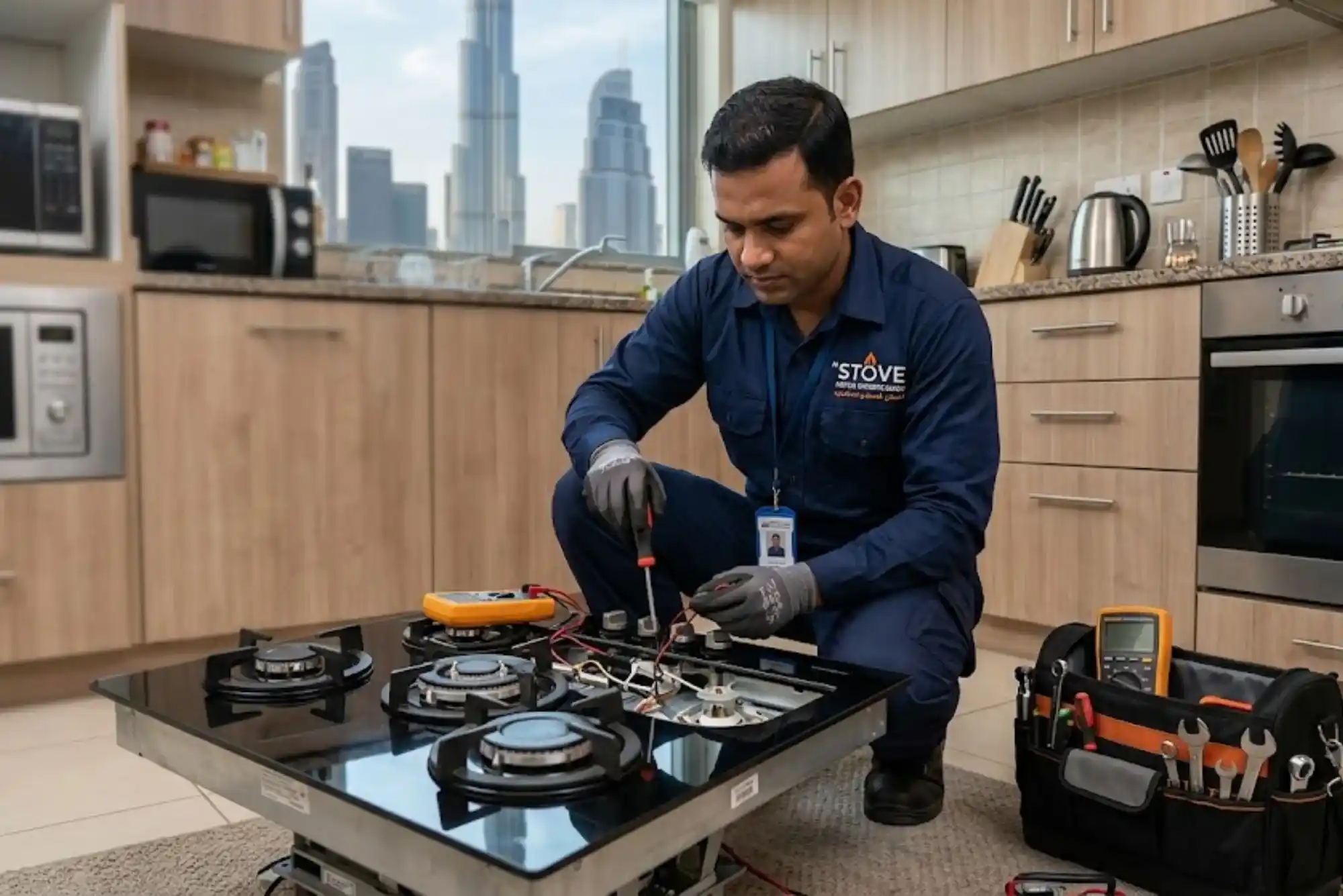
In the modern kitchen, an oven is one of the most frequently used appliances. Whether you are baking bread, roasting a chicken, or broiling vegetables, visibility inside the oven makes all the difference. A working oven light allows you to check progress without constantly opening the door and letting heat escape. Yet many homeowners neglect to replace a burnt-out bulb, assuming it is complicated or requires a technician. In reality, changing an oven light is a manageable task for most people, provided you understand safety precautions and the proper steps.
Understanding the Oven Light’s Purpose
An oven light is a small but critical component of the appliance. Unlike standard household bulbs, oven bulbs are designed to withstand extreme heat, steam, and occasional splatters from cooking. They illuminate the oven cavity so that food can be monitored during the cooking cycle. Without this light, you risk overcooking or undercooking dishes, since you may be tempted to open the oven door repeatedly to check progress. This interrupts temperature consistency, which affects food quality. Replacing the light promptly ensures efficiency, convenience, and better cooking results.
Identifying When Replacement Is Needed
The first sign that an oven light requires replacement is simple darkness inside the oven cavity when the light button or switch is pressed. However, other factors may also play a role. Sometimes the bulb may flicker or appear dim, suggesting it is near the end of its lifespan. In other cases, the bulb may appear intact, but the filament inside is broken. Rarely, the issue may stem from wiring or the socket, but nine times out of ten the solution is simply replacing the bulb. Recognizing these signs early helps maintain appliance functionality without unnecessary repair costs.
Safety Considerations Before Starting
Before attempting any appliance repair, safety is the top priority. Oven bulbs are surrounded by glass and metal, both of which become extremely hot during use. Always ensure that the oven is turned off and completely cool before attempting to touch the bulb or housing. Additionally, unplugging the appliance or switching off the circuit breaker is recommended to avoid electrical shocks. Wearing protective gloves not only keeps hands safe from sharp edges but also prevents oils from skin transferring to the new bulb, which can reduce its lifespan.
Locating the Oven Light Housing
The position of the oven light depends on the appliance’s make and model. In many designs, the bulb is located at the rear of the oven cavity, shielded by a glass cover. In others, the bulb may be on the side or top. Consulting the appliance manual is the best way to confirm its location. The cover is typically secured with either a simple twist mechanism or a retaining clip. This protective design ensures the bulb can withstand the harsh cooking environment and remain safe from accidental contact.
Removing the Protective Cover
Once the oven has cooled, the next step is to remove the glass cover protecting the bulb. Depending on the model, this may involve turning the cover counterclockwise or gently unclipping it. Because grease and baked-on food can build up around the cover, some force may be required. If resistance is significant, cleaning the area with a damp cloth before attempting removal can help. Care should be taken not to apply excessive pressure, as the cover is usually tempered glass and can crack if mishandled.
Extracting the Old Bulb
With the cover removed, the bulb is now accessible. Most oven lights are either screw-in incandescent bulbs or halogen bulbs that pull straight out. Gripping the bulb gently but firmly, twist it counterclockwise if it has threads, or pull it directly out if it is a push-fit type. In some cases, grease may make the bulb slippery, so gloves or a cloth can provide better grip. Once removed, inspect the bulb for blackened glass or broken filaments, confirming it has indeed failed.
Choosing the Correct Replacement Bulb
Not every light bulb is suitable for oven use. Oven bulbs are specially rated for high heat, often up to 570°F (300°C). They are typically 15 to 40 watts, small in size, and either incandescent or halogen. Using a standard household bulb is unsafe, as it cannot tolerate the temperature extremes and may shatter inside the oven. To ensure compatibility, check the old bulb for markings that indicate wattage and type, or consult the oven manual. Many appliance stores and online retailers sell “oven-rated” replacement bulbs that are inexpensive and reliable.
Installing the New Bulb
Fitting the replacement bulb is straightforward. Align the base with the socket, then screw it in gently or push it into place, depending on the type. It should seat firmly without forcing. Avoid touching the glass surface of halogen bulbs directly with bare fingers, as oils can shorten their lifespan. After securing the bulb, replace the protective glass cover by twisting or clipping it back into position. Ensuring the cover is tightly secured is crucial, as it shields the bulb from food splatters and prevents accidental breakage during cooking.
Testing the Replacement Light
With the new bulb installed, it is time to test. Plug the oven back in or switch the circuit breaker on, then turn on the oven light using the control panel or manual switch. A bright, steady glow inside the cavity confirms successful replacement. If the bulb does not light, double-check that it is seated properly in the socket. If it still fails, the issue may involve wiring or the light switch, in which case a qualified technician should be consulted. However, most cases are resolved simply by replacing the bulb.
Preventing Future Issues
Although oven bulbs are designed for durability, they will eventually burn out after many hours of use. To extend their lifespan, avoid slamming the oven door, which can cause vibrations that damage the filament. Keeping the oven interior clean also helps, since grease buildup can affect the bulb and its cover. Some homeowners choose to keep a spare bulb on hand so that replacements can be made promptly when needed. This ensures uninterrupted use of the oven without unnecessary inconvenience.
When to Call a Professional
In rare situations, replacing the bulb may not solve the problem. If the bulb blows immediately after installation or if multiple bulbs fail quickly, the issue may be electrical rather than mechanical. Faulty sockets, wiring, or control boards require technical knowledge to diagnose and repair. Attempting to fix these yourself can be risky, so it is best to call an appliance repair technician. Professional service ensures the oven remains safe to use and prevents further damage.
The Value of DIY Appliance Maintenance
Learning how to replace an oven light demonstrates the importance of simple DIY maintenance. Many homeowners assume that all appliance issues require costly repairs, but small tasks like this can be done safely and effectively at home. Beyond saving money, these repairs build confidence in handling basic household tasks and promote a greater understanding of how appliances function. With the right knowledge and care, keeping an oven fully operational becomes a manageable responsibility rather than an intimidating challenge.
Brightening Your Cooking Experience
A working oven light may seem like a minor convenience, but it has a major impact on cooking accuracy and kitchen efficiency. Replacing the bulb is a straightforward task that anyone can learn, provided safety guidelines are followed. By identifying the bulb type, using heat-resistant replacements, and handling installation carefully, you can restore visibility to your oven in minutes. This small act of maintenance enhances your cooking experience, prevents unnecessary heat loss, and ensures meals come out exactly as intended. The next time your oven light goes out, you can approach the task with confidence, knowing that a brighter kitchen is only one bulb away.