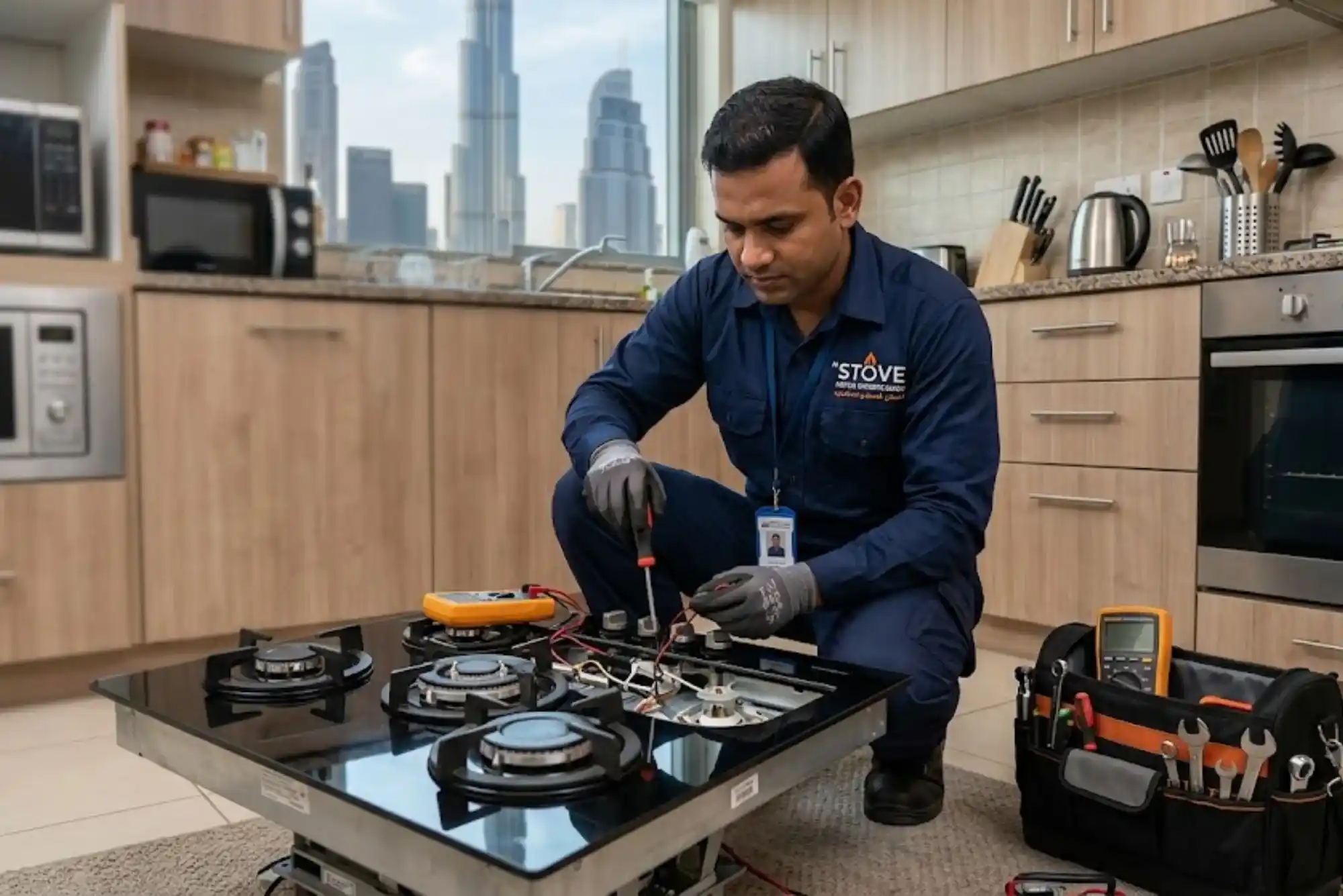
A refrigerator is one of the most important appliances in any household, working continuously to keep food fresh and safe. Among its essential components, the defrost timer plays a crucial role in maintaining proper cooling cycles. It ensures that frost does not build up excessively on the evaporator coils, which could lead to poor performance or even a complete cooling failure. When the defrost timer malfunctions, the refrigerator may either freeze up or fail to cool altogether. Understanding how to replace a refrigerator defrost timer can save both time and repair costs, especially if you’re handling basic appliance maintenance at home.
Replacing a defrost timer is not as complex as it may sound, but it requires careful attention to detail, safety precautions, and a proper understanding of the refrigerator’s operation. In this detailed guide, we’ll explore what a defrost timer does, why it fails, and the complete step-by-step process of replacing it professionally to restore your refrigerator’s efficiency.
Understanding the Role of a Defrost Timer
The defrost timer is an automatic switch that alternates between the cooling and defrost cycles in a refrigerator. During normal operation, the compressor and fans circulate cold air to maintain low temperatures. However, over time, moisture from the air inside the fridge freezes on the evaporator coils, forming ice. If this frost is not removed periodically, it can restrict airflow and reduce cooling efficiency.
To prevent this, the defrost timer activates a defrost cycle every few hours, temporarily shutting off the compressor and turning on a heater that melts the ice. Once the defrost period ends, the timer switches the system back to cooling mode. This automatic cycle helps the refrigerator maintain consistent performance without manual defrosting.
When the defrost timer stops working, the refrigerator may get stuck in either the cooling or defrost cycle. If it remains in cooling mode, frost will continue to accumulate on the coils until the airflow is blocked. If it remains in defrost mode, the fridge will warm up, leading to spoiled food. Replacing a faulty defrost timer restores the normal operation and balance of both cycles.
Common Signs of a Faulty Defrost Timer
Before replacing the defrost timer, it’s essential to recognize the signs that indicate it may be malfunctioning. One of the most obvious symptoms is frost buildup on the back wall of the freezer. When you notice excessive frost or ice accumulation, it’s often a result of the defrost system not activating properly.
Another sign is when the refrigerator stops cooling even though the interior light is on and the compressor is silent. This could mean the timer is stuck in defrost mode. Sometimes, you may hear a clicking noise coming from the control area of the refrigerator, which can be a sign that the timer is trying to switch modes but failing to complete the process.
If your refrigerator is facing cooling issues or not maintaining the right temperature, the problem is often linked to a faulty defrost system. Many users experience situations where frost builds up inside the freezer, blocking proper airflow and reducing cooling efficiency. In such cases, understanding components like the refrigerator defrost system not functioning becomes essential for quick troubleshooting and repair. At Hafixer, we provide expert guidance and solutions for all types of refrigerator issues, helping you restore your appliance’s performance effectively.
Common problems such as ice buildup or inconsistent cooling are often caused by a defective defrost timer or related components. You can learn more about specific repair techniques through our detailed guides like refrigerator defrost timer replacement, defrost timer repair guide, and fridge not defrosting problem fix. We also cover practical topics such as refrigerator cooling issue solution and defrost timer location in refrigerator. For more helpful articles and updates, you can explore our blog section, where we regularly publish expert appliance repair content.
In some cases, the refrigerator may seem to work fine for a few days and then suddenly stop cooling again. This intermittent behavior usually means the defrost timer is functioning irregularly and may fail soon. Replacing it early prevents potential damage to other components such as the compressor or the defrost heater.
Preparing for the Replacement Process
Before beginning the replacement process, safety should always come first. Unplug the refrigerator repair from the power source to prevent electrical shock. Working on an appliance that is still connected to electricity can be extremely dangerous.
Next, locate the defrost timer. The location can vary depending on the refrigerator model. In some units, it’s found behind the kick plate at the bottom front of the fridge, while in others it may be inside the control housing at the top or rear of the refrigerator compartment. You can refer to the appliance manual or manufacturer’s guide to determine its exact position.
You’ll need a few basic tools for this job, including a screwdriver, needle-nose pliers, and possibly a multimeter if you want to test the timer before replacement. A new compatible defrost timer should also be on hand, matched to your refrigerator’s make and model number.
Removing the Faulty Defrost Timer
Once you’ve located the timer, remove the access panel or control cover using a screwdriver. You’ll see a small component with four electrical terminals or connectors attached to it. Carefully inspect the timer to see if it shows signs of burning, discoloration, or mechanical damage.
Disconnect the wires one by one. It’s a good idea to take a photo before doing this so you can easily reconnect them later. Once the wires are removed, unscrew or unclip the timer from its mounting bracket. Handle it gently, as the wiring and connectors can be fragile.
Before installing the new part, you can test the old timer using a multimeter to confirm it’s defective. Set the multimeter to the continuity or ohms setting and check the terminals according to your refrigerator’s wiring diagram. If the timer fails continuity testing, replacement is necessary.
Installing the New Defrost Timer
Installing the new defrost timer is the reverse of the removal process. Place the new timer in the same position as the old one and secure it with screws or clips. Reconnect the wires according to the photo or notes you took earlier, ensuring each terminal connection is tight and correct.
Some defrost timers come with a small adjustment knob that allows manual advancement of the defrost cycle. Before reassembling the panel, you can test whether the new timer switches between cooling and defrost by manually rotating this dial with a screwdriver. You should hear a click as it changes modes.
Once you’re confident everything is properly installed, replace the control cover or access panel and plug the refrigerator back into the power outlet. Allow it to run for several hours and monitor the cooling performance. If the unit maintains the correct temperature and no frost builds up, the replacement was successful.
Professional Maintenance Tips After Replacement
After replacing a refrigerator defrost timer, it’s wise to check the entire defrost system to ensure that no other parts are compromised. The defrost heater and defrost thermostat work in coordination with the timer. If either of these components is faulty, frost may still accumulate even with a new timer.
Regular maintenance of your refrigerator helps prolong its lifespan and reduce energy consumption. Keep the coils clean and free from dust, ensure door seals are tight, and avoid overloading the compartments, which can obstruct airflow. Periodically inspect the temperature settings to ensure they remain at optimal levels — usually around 37°F for the refrigerator and 0°F for the freezer.
If you notice recurring frost issues even after replacing the timer, consult a professional appliance technician. Sometimes, wiring faults or control board issues can mimic defrost timer failure, requiring more advanced diagnosis.
When to Call a Professional Technician
Although replacing a defrost timer is generally straightforward, not everyone is comfortable working with electrical components. If you are unsure or if the problem persists after replacement, calling a professional technician is the best course of action. A certified expert can use diagnostic tools to test the entire defrost circuit, including sensors, heaters, and thermostats, to identify any underlying problems.
Professional refrigerator repair services not only ensure safety but also save time and prevent additional damage to your appliance. Most experts can complete a defrost timer replacement within an hour and verify that your refrigerator is functioning at peak efficiency.
Replacing a refrigerator defrost timer is a practical solution that can restore cooling performance and prevent frost accumulation inside your appliance. The timer serves as the brain of the defrost cycle, ensuring that the refrigerator alternates smoothly between cooling and defrosting. When it fails, the system becomes unbalanced, leading to ice buildup or insufficient cooling.
By understanding its function, recognizing the signs of failure, and following a careful replacement process, you can maintain your refrigerator’s reliability and extend its service life. However, if you’re not confident handling electrical repairs, always rely on a professional technician to perform the task safely.