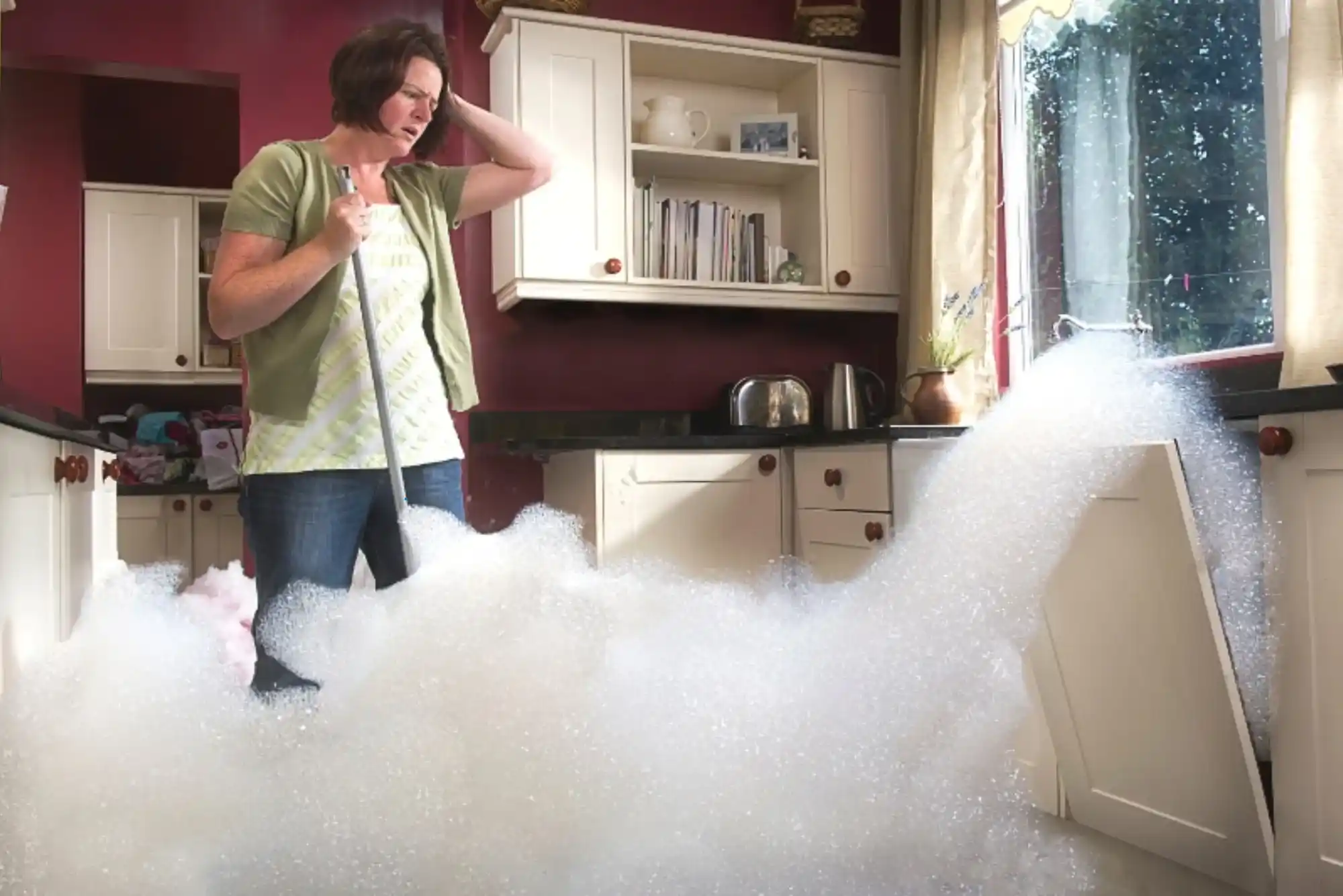
A dishwasher is one of the most convenient appliances in any modern kitchen, saving time and ensuring spotless dishes with minimal effort. However, when a dishwasher overflows, the convenience quickly turns into a stressful situation. Overflowing dishwashers can cause water damage to floors, cabinets, and even the walls of your kitchen.
Beyond the immediate mess, it can also lead to expensive repair bills if water seeps into hidden areas. Preventing dishwasher overflows is not just about avoiding inconvenience; it is about protecting your home from potential structural damage and maintaining the efficiency of your appliance.
In this detailed guide, we will explore the causes of dishwasher overflows, how to prevent them through regular maintenance, and the steps homeowners can take to ensure smooth operation. Understanding these preventative measures will save you from costly repairs and keep your kitchen running smoothly.
Understanding Why Dishwashers Overflow
Dishwasher overflows are typically the result of a malfunction or improper use. In most cases, excess water inside the appliance finds its way out because something has disrupted the normal drainage and water intake processes. A common reason is a blocked drain hose or filter that prevents water from exiting the machine properly. Sometimes, an overfilled detergent dispenser or using the wrong type of soap creates excess suds, leading to overflow.
Another frequent cause is a faulty float switch. The float switch is a small device inside your dishwasher that regulates water intake. If it gets stuck or damaged, the machine may fill with too much water, resulting in overflow. Additionally, poor installation, such as an incorrectly aligned drain hose, can also contribute to water backing up.
Recognizing these potential causes is the first step to prevention. Once you understand what triggers overflow, you can adopt maintenance habits and practices that stop the problem before it begins.

The Importance of Regular Maintenance
Like any appliance, your dishwasher needs routine care. Regular maintenance prevents minor issues from becoming serious problems. Cleaning the filter, checking the drainage system, and ensuring detergent compartments are working correctly will all extend the life of your dishwasher and reduce the risk of overflows.
Neglecting maintenance not only leads to overflows but also diminishes cleaning performance. A clogged filter, for instance, will not only trap food particles but also reduce the flow of water, leading to poor cleaning results. Over time, this buildup causes blockages that increase the chances of water spilling out. By making dishwasher maintenance part of your household routine, you are protecting both your investment and your kitchen.
Proper Installation and Setup
Preventing dishwasher overflows begins even before you start using the appliance. Proper installation is crucial for ensuring that your dishwasher operates correctly. A poorly installed drain hose or an improperly leveled dishwasher may cause drainage problems, which in turn can lead to overflow.
When installing a dishwasher, the drain hose must be connected with a proper air gap or high loop to prevent water from backing up into the machine. Additionally, the appliance must sit level on the floor to ensure that water distributes evenly and drains as it should. Even slight tilts can cause water to accumulate in one corner and spill over.
If you are uncertain about installation, it is always best to consult a professional. Many dishwasher issues arise from incorrect setup, and having an expert handle the installation will minimize future risks.
Using the Right Detergent
One of the most overlooked causes of dishwasher overflow is using the wrong type of detergent. Regular dish soap produces excessive suds, which can easily spill out of the machine during a cycle. Only dishwasher-specific detergents should be used, as they are formulated to minimize suds while still cleaning effectively.
Even when using the right detergent, using too much can create problems. Excess detergent not only causes overflows but can also leave residue on dishes and inside the appliance. Following manufacturer guidelines for detergent quantity is essential. Many modern dishwashers are designed to work with detergent pods, which eliminate the guesswork of measuring.
Checking and Cleaning the Filter
The dishwasher filter plays a critical role in keeping debris and food particles from clogging the drainage system. Over time, the filter becomes coated with grease, soap residue, and leftover food. If it is not cleaned regularly, it restricts water flow and causes the appliance to overflow.
To clean the filter, remove it according to your dishwasher’s manual and wash it under warm water. Gently scrub away any buildup with a soft brush. This simple routine, when done once or twice a month, can make a significant difference in preventing water backup.
Monitoring the Drainage System
The drainage system is the most vital component when it comes to preventing dishwasher overflow. A clogged drain hose or a blocked garbage disposal connection can cause water to flow back into the appliance. Regularly inspecting and cleaning the drain line ensures smooth water exit.
It is also advisable to run the garbage disposal before starting the dishwasher, especially if the two share the same drainage system. This prevents blockages and ensures that water flows freely out of the dishwasher. If you notice slow draining or standing water at the bottom of the machine, it is a clear sign that maintenance is required.
Inspecting the Float Switch
The float switch is a small but essential component of your dishwasher. It acts as a sensor that detects water levels and signals the appliance to stop filling once the correct amount is reached. If the float switch malfunctions or gets stuck due to debris, it fails to regulate water properly, resulting in overflow.
Regularly checking the float switch ensures it moves freely and is not obstructed. If you suspect it is damaged, it is best to replace it immediately rather than wait for an overflow incident to occur.
Professional Servicing and Repairs
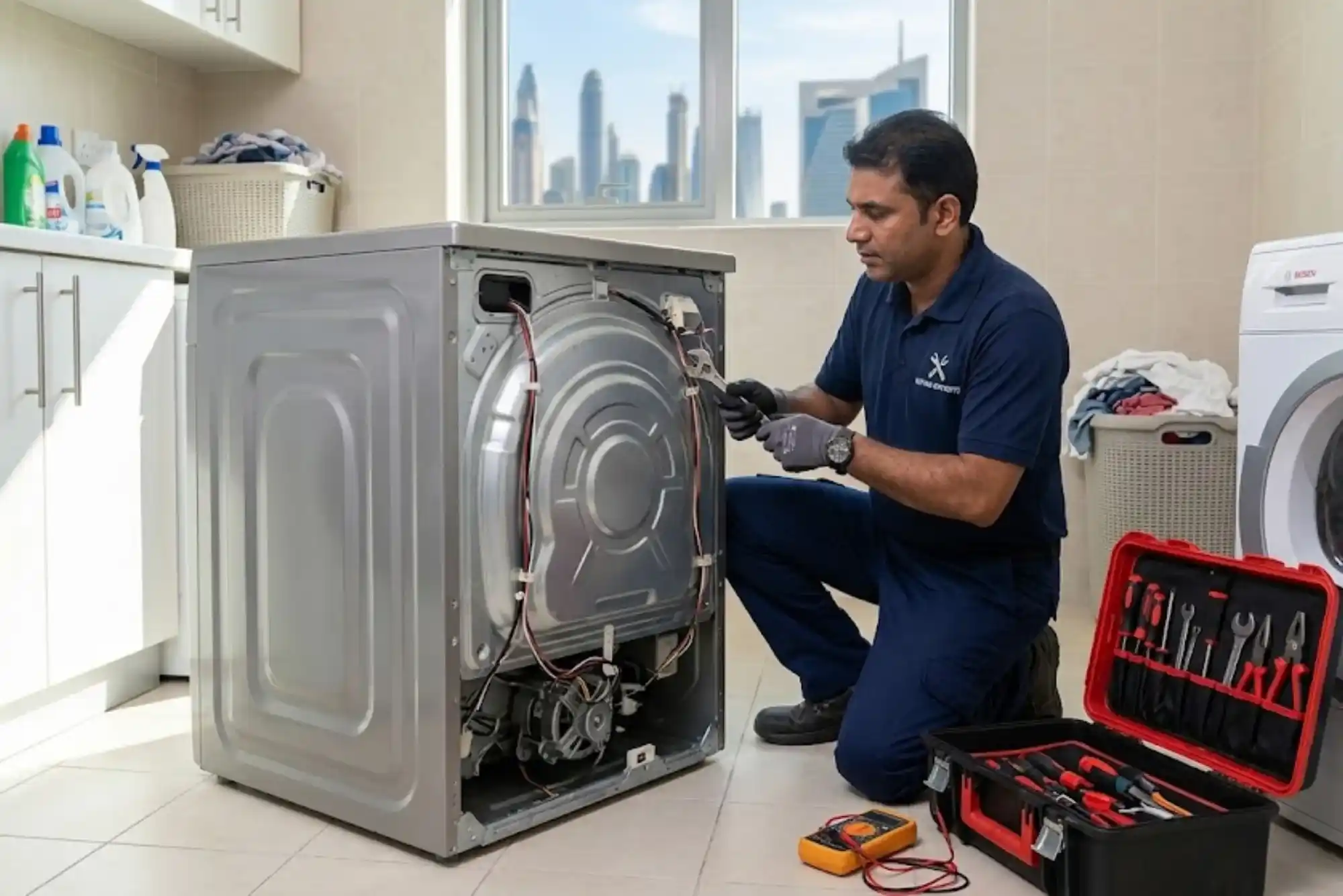
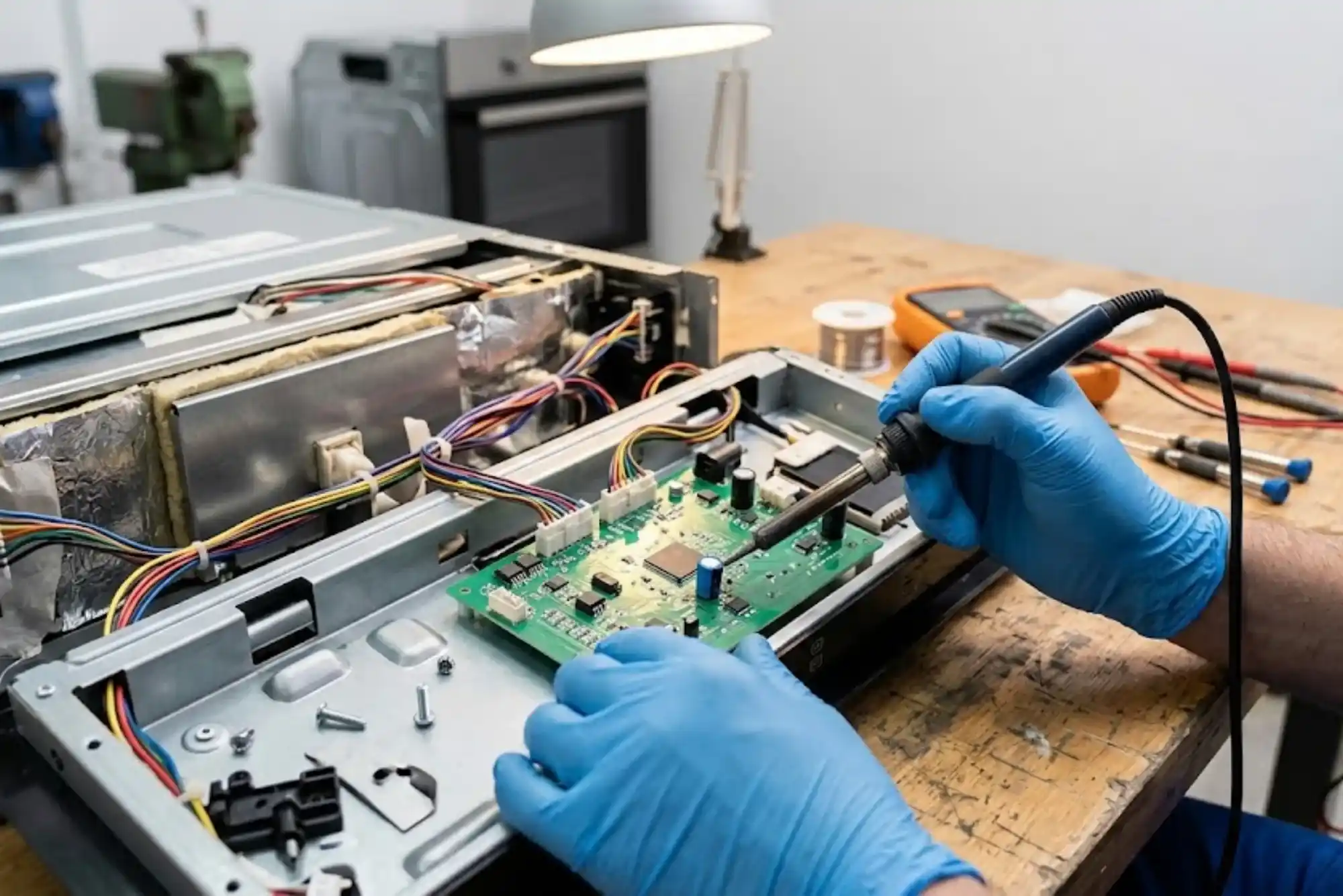
While homeowners can handle most basic maintenance, some situations call for professional intervention. Persistent drainage issues, recurring overflows, or strange noises during operation may indicate deeper mechanical or electrical problems. Attempting to fix these without expertise can lead to further damage.
Calling a qualified appliance repair technician ensures that your dishwasher receives proper care. Professionals can diagnose issues accurately, replace faulty parts, and provide advice on long-term maintenance. Regular professional servicing also extends the life of your appliance, saving you money in the long run.
Protecting Your Kitchen from Water Damage
Even with proper care, accidents can happen. It is important to have preventive measures in place to protect your kitchen in case of an unexpected overflow. Placing a water sensor near your dishwasher alerts you to leaks before they become serious. Additionally, using waterproof mats under the appliance helps contain any small spills and prevents them from reaching your flooring.
These small protective measures can make a big difference in avoiding costly water damage repairs. They add an extra layer of security, especially for households that rely heavily on their dishwasher.
Long-Term Benefits of Preventing Overflows
Preventing dishwasher overflows is not just about avoiding a one-time inconvenience. It carries long-term benefits that improve both your home environment and the performance of your appliance. A well-maintained dishwasher consumes less energy, uses water efficiently, and lasts longer. By taking proactive steps, you avoid unexpected breakdowns and maintain peace of mind.
Additionally, prevention saves money. Repairing water damage from an overflow can be far more expensive than regular maintenance. By protecting your dishwasher, you are also safeguarding the investment you made in your home and kitchen.
Final Thoughts
Dishwasher overflows may seem like a small household nuisance, but they can quickly escalate into major issues if not addressed. From damaging your kitchen floors to compromising the appliance itself, the consequences are costly and inconvenient. Fortunately, most overflows can be prevented through simple practices such as using the right detergent, cleaning filters, ensuring proper installation, and keeping an eye on drainage systems.
Regular maintenance and timely professional servicing are the keys to keeping your dishwasher running smoothly and your kitchen safe. By adopting these preventative measures, you ensure that your appliance continues to provide the convenience and efficiency you rely on every day.