Air conditioners are one of those home investments we don’t fully appreciate until they stop working on a sweltering day. Replacing an AC unit can be expensive, and the inconvenience of living without one is even worse. That’s why taking steps to extend its lifespan is not just about saving money—it’s about protecting comfort, energy efficiency, and peace of mind.
From my years of working alongside HVAC technicians and troubleshooting my own unit at home, I’ve seen that AC longevity isn’t about luck. It’s about consistent, thoughtful care. Small habits and seasonal maintenance choices can make the difference between a system that dies after 8 years and one that runs smoothly for 15 or more.
Understand How Your AC Works Before You Try to Protect It
The first step to extending the lifespan of your AC is understanding what you’re working with. An air conditioner is more than just a cold air machine—it’s a complex system of components that need to work together in harmony.
Your unit has an outdoor condenser coil, an indoor evaporator coil, a compressor, a fan, refrigerant lines, and a filter. The compressor acts like the heart of the system, pumping refrigerant through coils to absorb heat from inside and release it outside. If any part of this process is interrupted—by dirt buildup, low refrigerant, or worn parts—the whole system works harder than it should, and that extra strain shortens its life.
Knowing the basics helps you make informed decisions about cleaning, servicing, and usage.
Keep Airflow Smooth and Unrestricted
An AC system thrives when air can move freely through it. If airflow is restricted, the unit strains to circulate cool air, causing components like the blower motor and compressor to wear out faster.
The number one culprit of restricted airflow is a dirty air filter. It’s shocking how often this is ignored. I once checked a neighbor’s AC that wasn’t cooling well, and the filter looked like it had been in there since last summer—completely clogged with dust and pet hair. Within hours of replacing it, the cooling improved dramatically.
Changing your filter every one to three months, depending on usage and household factors like pets, is one of the easiest ways to add years to your AC’s life. Also, make sure your vents aren’t blocked by furniture, rugs, or curtains. Even partially blocked vents can reduce airflow and cause uneven cooling.
Clean the Coils for Better Efficiency
Both the indoor evaporator coil and the outdoor condenser coil play a huge role in the heat exchange process. When these coils get dirty, they can’t absorb or release heat as effectively, forcing the compressor to run longer and harder.
I recommend checking the outdoor condenser coil at least twice a year, especially after spring pollen season or a dusty summer. If it’s visibly dirty, turn off the power to the unit and gently rinse it with a hose—never with high pressure, as that can bend the delicate fins. Indoors, a professional technician can clean the evaporator coil during annual maintenance.
Pay Attention to Strange Noises and Performance Changes
Your AC will often tell you when something’s wrong, but only if you’re listening. A grinding noise could indicate worn fan bearings. A loud buzzing might mean loose components or electrical issues. Short cycling—when the unit turns on and off frequently—can signal refrigerant problems or a failing compressor.
The longer these issues go unaddressed, the more damage they cause. When I noticed my AC was cycling every few minutes last summer, I called a technician right away. It turned out to be a simple capacitor replacement, but my quick response prevented damage to the compressor,How to Extend the Lifespan of Your AC Unit, which could have cost thousands.
Give Your AC Breaks with Smart Thermostat Settings
Your AC doesn’t have to run at full power all day to keep your home comfortable. By programming your thermostat to adjust temperatures when you’re away or sleeping, you reduce unnecessary runtime.
For example, in the summer, setting your thermostat a few degrees higher while you’re out can significantly reduce wear and tear. Modern smart thermostats make this effortless by learning your schedule and adjusting automatically.
I’ve noticed that this practice not only reduces my energy bills but also keeps the system from overworking during the hottest parts of the day.
Schedule Professional Maintenance Before the Heat Hits
If there’s one thing I’ve learned, it’s that skipping annual maintenance is like skipping oil changes in your car—it always catches up with you. A qualified HVAC technician can spot small issues before they turn into major breakdowns.
A typical service visit includes checking refrigerant levels, cleaning coils, inspecting electrical connections, lubricating moving parts, and ensuring the thermostat is accurate. I schedule mine in early spring before the cooling season begins, so any necessary repairs don’t leave me without AC during a heatwave.
Protect the Outdoor Unit from Damage
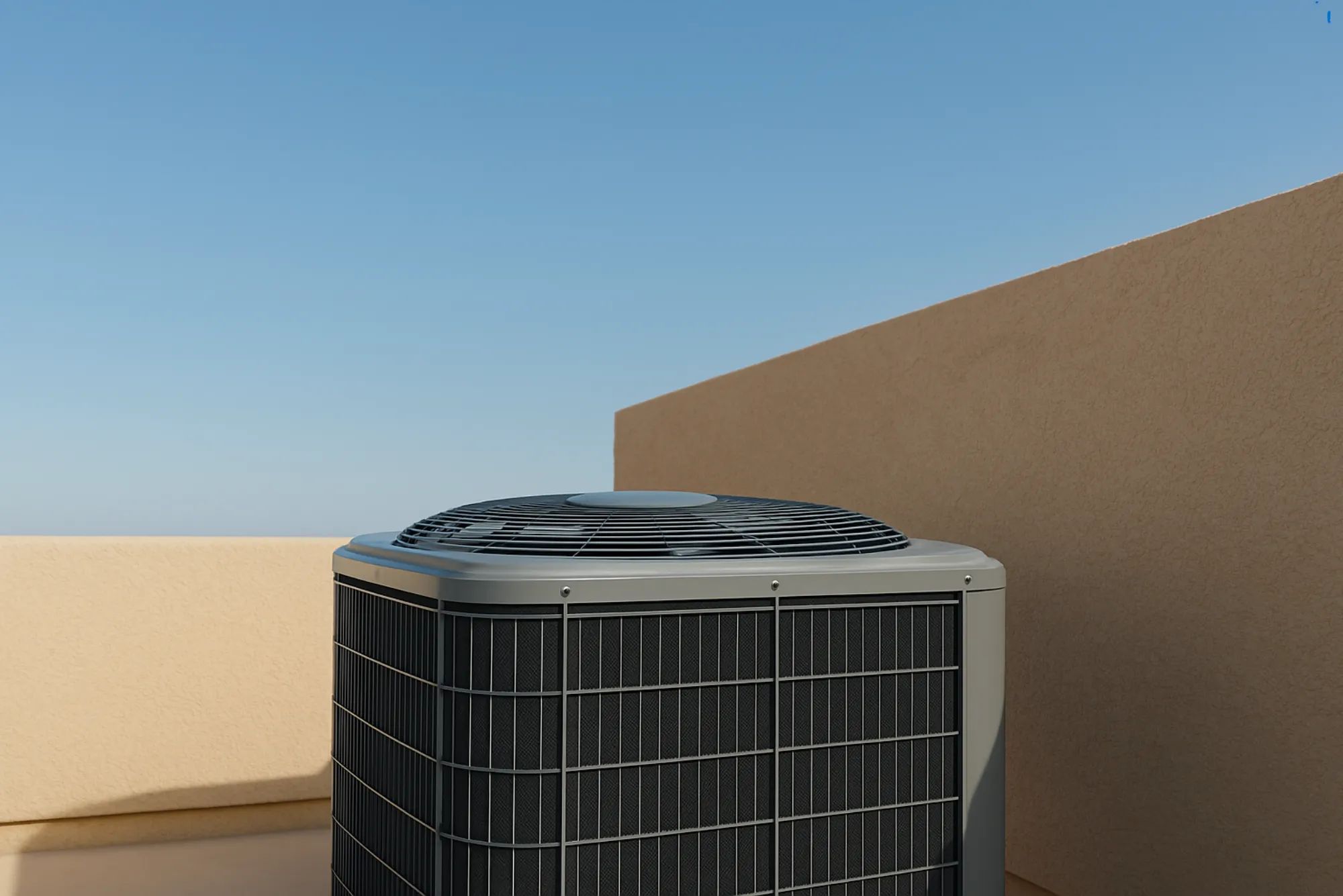
The outdoor condenser unit is exposed to the elements year-round, making it vulnerable to dirt, debris, and even physical damage. Keeping the area around it clear is critical—no weeds, tall grass, or overhanging branches. I keep at least two feet of open space around mine, which helps airflow and reduces the risk of debris being pulled into the fan.
In winter, I use a breathable cover to keep snow and ice out without trapping moisture inside, which could cause rust. And when mowing the lawn, I always point the grass clippings away from the unit to avoid clogging the fins.
Avoid Overloading the System with Poor Insulation
Your AC can only do so much if your home isn’t properly insulated. Leaky windows, thin attic insulation, and gaps under doors allow cool air to escape and hot air to seep in, making the AC work harder to maintain a comfortable temperature.
A few years ago, I had an energy audit done on my home, and sealing just a few air leaks made a huge difference in my AC’s runtime. The unit now cycles less often, which directly reduces wear and extends its service life.
Know When It’s Time to Retire the Old Unit
Even the best-maintained AC unit won’t last forever. Most systems last 10–15 years, though well-cared-for units can go longer. But after a certain point, repairs become more frequent and costly, and efficiency drops.
If your AC is nearing the end of its lifespan and struggling to keep up, investing in a newer, high-efficiency model can actually save you money in the long run. Modern systems use less energy,Post Category, offer better comfort control, and are often quieter.
When I replaced my old unit after 14 years, my summer energy bills dropped noticeably, and the improved comfort made me wish I’d done it sooner.
Final Thoughts
Extending the lifespan of your AC unit comes down to a combination of regular maintenance, mindful usage, and prompt attention to problems. Simple habits—like changing filters, cleaning coils, and scheduling annual service—can add years to your system’s life while improving comfort and lowering energy costs.