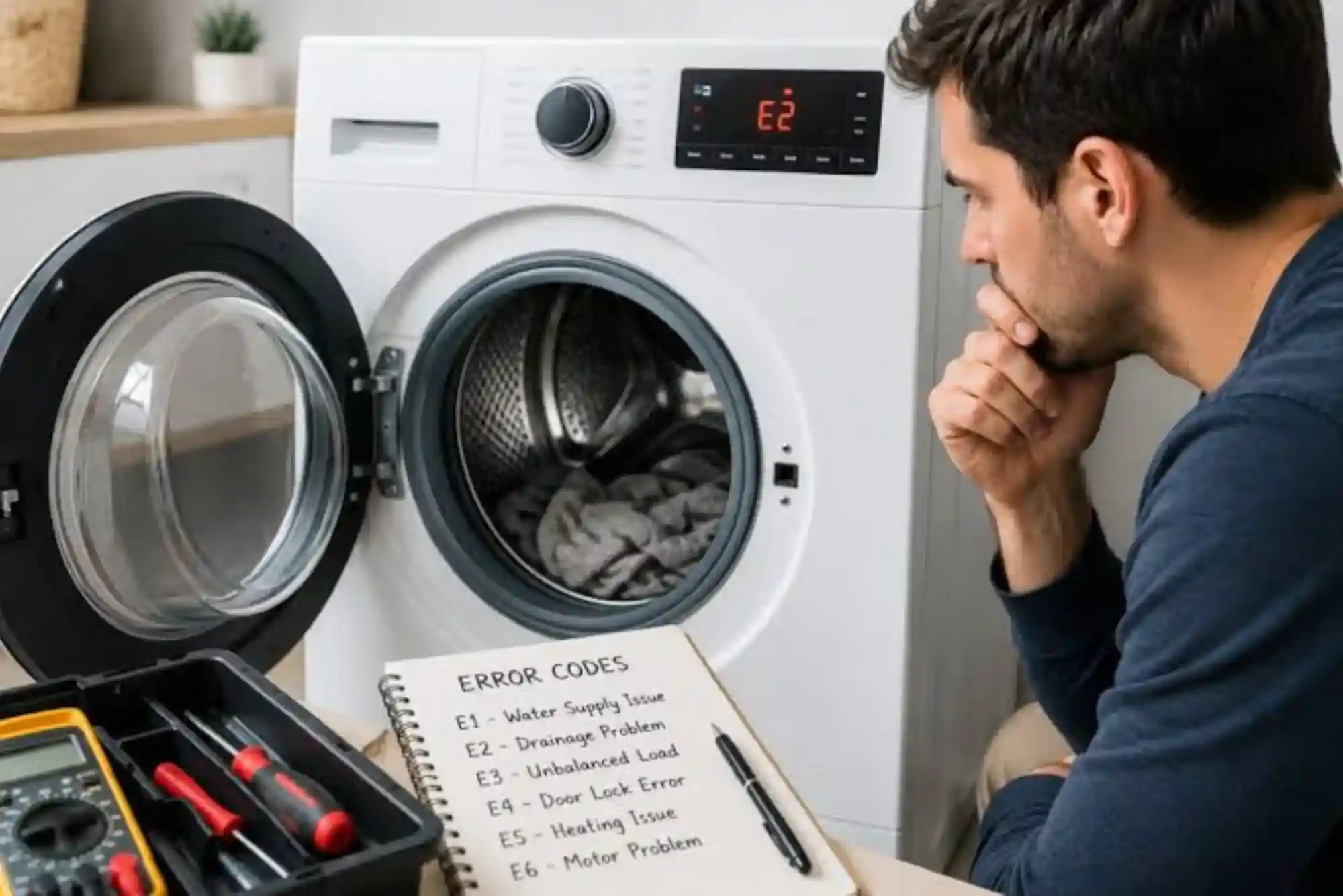
Your refrigerator is one of the hardest working appliances in your home, operating day and night to keep your food fresh and safe. However, one area that often goes unnoticed during regular cleaning is the drain pan. The drain pan plays a crucial role in managing condensation and defrost water, yet when neglected, it can accumulate dirt, bacteria, and unpleasant odors. Over time, this buildup can affect your fridge’s performance and even contribute to unhealthy air inside your kitchen. Understanding how to clean your refrigerator drain pan is essential for maintaining efficiency, hygiene, and longevity of your appliance.
Understanding the Function of a Refrigerator Drain Pan
The drain pan is a small but essential component located at the bottom of your refrigerator, typically behind the front grille or underneath the unit. Its primary purpose is to collect water that drips from the defrost cycle of your refrigerator’s evaporator coils. This collected moisture evaporates naturally due to the heat from the compressor or a fan.
When the drain pan becomes dirty, it can trap food particles, dust, and grease, creating the perfect environment for mold and bacteria. Over time, you may begin to notice unpleasant smells or even see insects attracted to the dampness. A dirty drain pan not only compromises cleanliness but can also lead to inefficient operation and eventual leakage if not properly maintained.
Why Cleaning the Drain Pan Is Important
Cleaning the refrigerator drain pan is a simple maintenance task that offers several benefits. First, it helps prevent foul odors that can spread through your kitchen. When water and debris sit for too long, they can emit a musty or sour smell. Secondly, cleaning the drain pan ensures that the defrost water evaporates correctly, preventing overflow or leakage that can damage your floor.
Moreover, regular cleaning prevents the growth of mold and bacteria, promoting a healthier kitchen environment. Mold spores can travel through the air and contaminate food, which poses health risks. Keeping the drain pan clean also enhances the overall performance of your refrigerator, ensuring smooth operation and extending its lifespan. In short, this small maintenance step can save you from bigger problems and costly repairs in the long run.
Preparing to Clean the Drain Pan
Before cleaning your refrigerator drain pan, safety should always come first. Start by unplugging the refrigerator to ensure there is no risk of electric shock. Next, you should prepare the necessary cleaning materials such as warm water, mild dish soap, a sponge or cloth, and a small brush. In some cases, a vacuum cleaner or a towel may be useful to remove dust and excess water.
It’s also important to identify where the drain pan is located. Depending on the refrigerator model, the drain pan might be accessible from the back, bottom, or front. For most modern refrigerators, you can remove the front grille to find it underneath the unit. Always refer to your appliance’s manual for exact instructions.
Step-by-Step Process of Cleaning the Drain Pan
Once you have located the drain pan, carefully slide it out. Be cautious, as it may contain dirty water or residue. Empty the contents into a sink or drain. Using warm soapy water, scrub the inside of the pan gently to remove dirt and grime. For tough stains or mold buildup, a mixture of vinegar and baking soda can help disinfect and neutralize odors effectively.
Make sure to clean every corner of the pan thoroughly. Rinse it well with clean water to remove any soap residue. After washing, dry the drain pan completely using a clean cloth or paper towel. Moisture left behind can encourage mold growth, so it’s crucial to ensure it’s fully dry before placing it back.
Once the drain pan is clean and dry, slide it back into its position and reattach the front grille if you removed it. Plug the refrigerator back in and make sure it’s operating normally.
Signs That Indicate the Drain Pan Needs Cleaning
Even if you perform regular refrigerator maintenance, the drain pan can still get dirty faster than expected. There are several signs that indicate it’s time for a deep clean. The most common one is a foul or musty odor coming from beneath your refrigerator. This smell often results from standing water or mold growth inside the drain pan.
Another warning sign is visible water leakage on the floor near the bottom of the fridge. This may mean that the drain pan is overflowing or clogged. You might also notice increased humidity or a damp feeling around the appliance. In severe cases, insects or small pests may appear near the base of your refrigerator because they’re drawn to the moisture and bacteria.
If you experience any of these symptoms, it’s time to inspect and clean the drain pan immediately to avoid damage or contamination.
How Often Should You Clean the Drain Pan
The frequency of cleaning your refrigerator drain pan depends on the environment and usage. In most households, cleaning it once every three to six months is sufficient. However, if you live in a humid area, have pets, or cook frequently, it’s best to clean it more often. Regular cleaning ensures that water evaporates properly and prevents buildup of mold or bacteria.
Performing this task during your routine kitchen deep cleaning schedule can help you stay consistent. It’s a good idea to combine it with other refrigerator maintenance steps, such as wiping door seals, cleaning condenser coils, and checking temperature settings.
Preventing Drain Pan Issues in the Future
After cleaning, there are several ways to maintain a clean and functional drain pan. First, always keep the area beneath your refrigerator clean and dust-free. Dust accumulation can block airflow, slowing the evaporation process and allowing moisture to linger. Second, periodically check for any clogs in the defrost drain line. A blocked drain can cause excessive water to collect in the pan, leading to overflows.
You can also use a disinfecting solution occasionally to keep the pan fresh and odor-free. Natural cleaners like white vinegar are highly effective at preventing bacterial growth without causing damage to the material. Avoid using harsh chemicals that could corrode the pan or release harmful fumes.
The Connection Between Drain Pan and Refrigerator Performance
Many people underestimate the connection between the drain pan and the overall performance of their refrigerator. When the drain pan is dirty or clogged, water may not evaporate properly, causing the appliance to work harder to regulate internal temperature. This additional strain can increase energy consumption and reduce efficiency.
Moreover, an unclean drain pan can affect the air circulation within the refrigerator, leading to uneven cooling and potential food spoilage. Regular maintenance ensures that the refrigerator runs smoothly, efficiently, and quietly. It also minimizes the chance of unexpected breakdowns, saving you from costly repair services.
When to Call a Professional
While cleaning the refrigerator drain pan is a relatively simple task, some situations may require professional help. If you notice persistent leaks even after cleaning, it might indicate a damaged drain pan or a blocked defrost drain tube. Similarly, if there is excessive mold growth or a strong odor that doesn’t go away, it’s best to have a technician inspect the appliance.
Professional refrigerator repair experts, like those at HAFixer Home Appliances Repair, can diagnose and fix deeper issues efficiently. They can also check for related problems such as clogged condenser coils or faulty defrost systems, ensuring your fridge operates at peak performance. Calling a professional ensures both safety and long-term reliability of your appliance.
Final Thoughts
Cleaning your refrigerator drain pan might seem like a minor task, but it plays a big role in maintaining hygiene, efficiency, and performance. A clean drain pan prevents unpleasant smells, avoids mold buildup, and ensures smooth defrost operation. By incorporating this step into your regular cleaning routine, you can extend the life of your refrigerator and keep your kitchen fresh and healthy.
If you ever notice leakage, odors, or reduced cooling efficiency, don’t ignore the signs. Act promptly, clean the drain pan, and if needed, call professional technicians for help. A well-maintained refrigerator not only saves energy but also protects your food and family’s health. Keeping it clean from top to bottom, including the drain pan, is the key to reliable and long-lasting performance.